Part of our SEO Guides guide →
Table of Contents
- What an SEO Consultant Actually Does
- Core Skills of an SEO Consultant
- SEO Consultant vs SEO Agency: What Is the Difference?
- What a Typical SEO Consulting Engagement Looks Like
- When to Hire an SEO Consultant
- How to Evaluate SEO Consultants in Singapore
- Costs and Pricing Models
- Frequently Asked Questions
What an SEO Consultant Actually Does
If you have ever wondered what does an SEO consultant do, the short answer is that they help businesses improve their visibility in search engines through a combination of technical analysis, content strategy and link building guidance. But the role goes well beyond simply picking keywords and tweaking meta tags.
An SEO consultant typically begins with an audit of your current website. This covers technical health (crawlability, indexation, page speed, mobile usability), on-page factors (content quality, keyword targeting, internal linking) and off-page signals (backlink profile, brand mentions, local citations). The audit identifies what is working, what is broken and where the biggest opportunities lie.
From the audit, the consultant develops a prioritised roadmap. This is a strategic document that outlines what needs to happen, in what order, and what resources are required. The consultant may implement changes directly, or they may hand the roadmap to your in-house team or web development partner for execution. The balance between strategy and implementation varies depending on the engagement model.
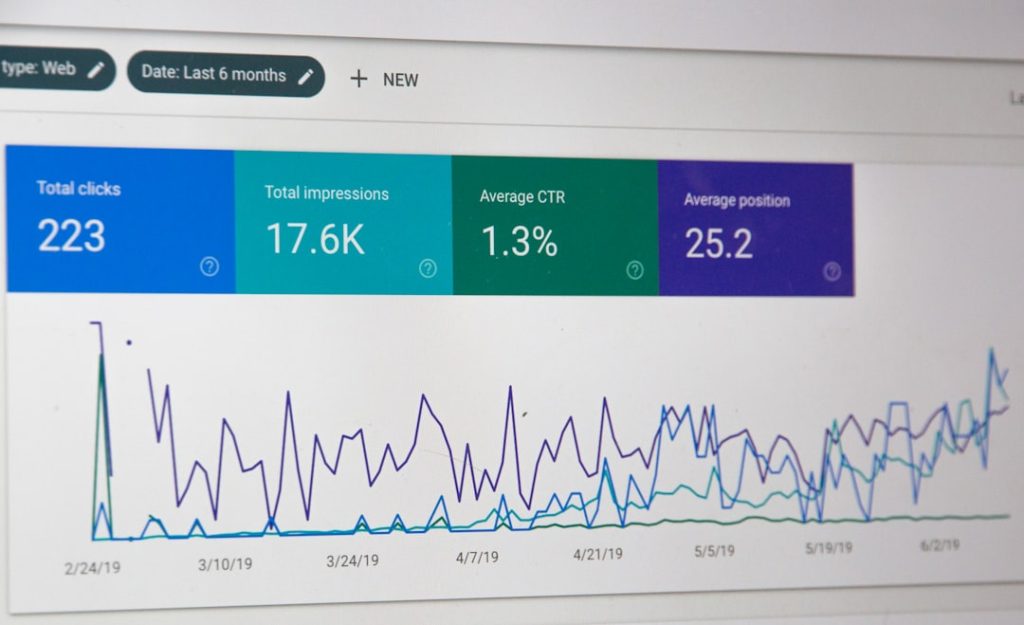
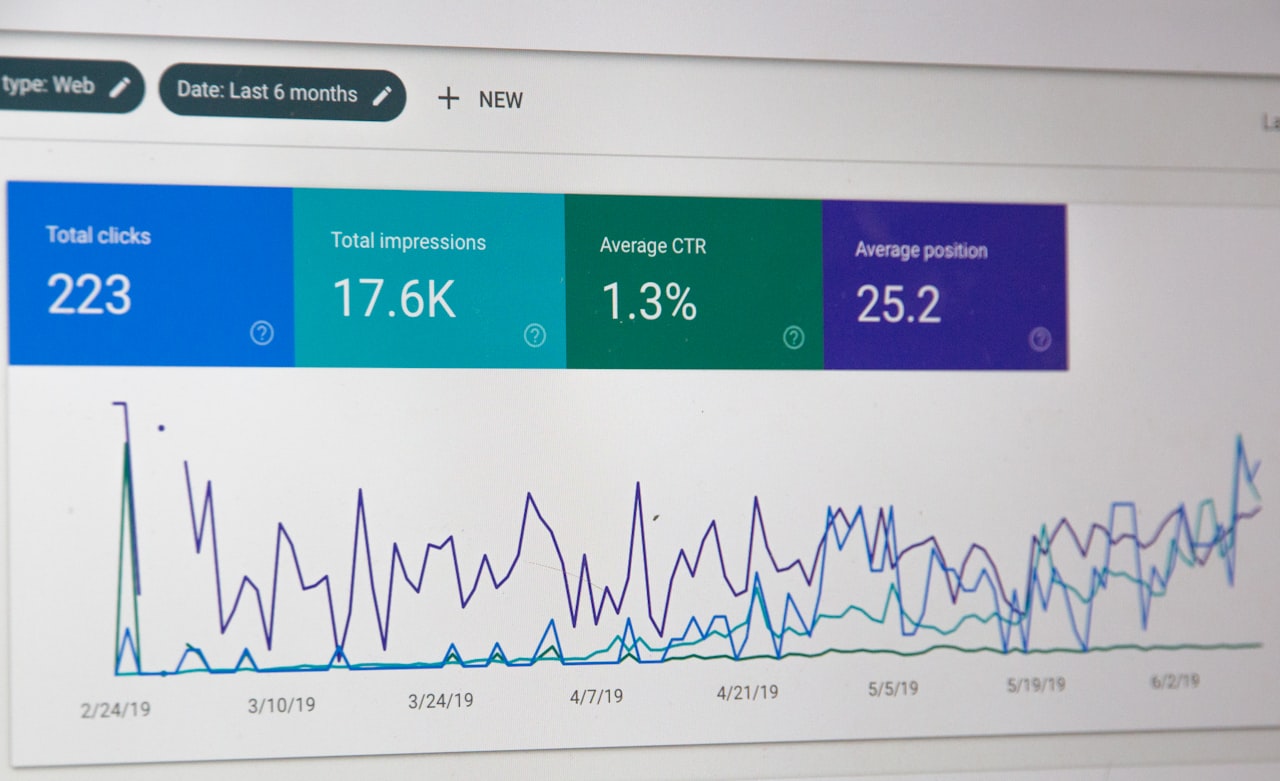
Ongoing, an SEO consultant monitors performance through tools like Google Search Console, GA4, Ahrefs and Semrush. They track keyword rankings, organic search visibility, traffic trends and conversion rates. Based on this data, they refine the strategy month by month, adjusting priorities as the competitive landscape shifts.
Core Skills of an SEO Consultant
Technical SEO knowledge is non-negotiable. A consultant must understand how search engines crawl and index websites, how to diagnose issues with JavaScript rendering, how canonical tags and hreflang attributes work, and how to structure a site for optimal crawl efficiency. Without this foundation, even the best content strategy will underperform.

Content strategy is the second pillar. An effective consultant knows how to conduct keyword research, map keywords to pages, identify content gaps and build topical clusters that establish authority. They understand search intent and can distinguish between informational, navigational and transactional queries, ensuring that each page targets the right type of keyword.
Data analysis ties everything together. SEO generates a huge volume of data from multiple sources. A good consultant can synthesise ranking data, traffic analytics, crawl reports and backlink metrics into clear recommendations. They can also build reports that communicate progress to stakeholders who may not understand SEO terminology.
Communication skills are often overlooked but critical. The best technical analysis in the world is useless if the consultant cannot explain it to a marketing manager, a developer or a business owner. In Singapore, where many businesses work with lean teams, the consultant often needs to bridge the gap between strategy and execution across multiple departments.
SEO Consultant vs SEO Agency: What Is the Difference?
An SEO consultant is typically an individual specialist who provides strategic advice and may handle implementation for a limited number of clients. An SEO agency is a team that offers end-to-end execution, from strategy through content creation, technical implementation and link building.
Consultants tend to offer deeper strategic thinking and more personalised attention. Because they work with fewer clients, they can invest more time understanding your business, your competitors and your market. They are ideal for businesses that have in-house teams capable of executing but need expert direction.
Agencies offer broader execution capacity. If you need 20 articles written per month, a technical migration managed, and a link building campaign running simultaneously, an agency has the team to deliver all of that. The trade-off is that your account may be managed by junior staff with senior oversight, rather than by a senior strategist directly.
Many Singapore businesses start with a consultant to develop the strategy and then engage an agency or build an in-house team for ongoing execution. Others prefer the full-service model from day one. The right choice depends on your budget, internal capabilities and how hands-on you want to be.
What a Typical SEO Consulting Engagement Looks Like
Month one is almost always dedicated to research and auditing. The consultant will conduct a comprehensive technical audit, analyse your backlink profile, review your content against competitors and audit your Google Business Profile if local SEO is relevant. This phase produces the strategic roadmap that guides all subsequent work.

Months two and three focus on quick wins and foundation work. This usually means fixing critical technical issues, optimising existing high-potential pages, improving internal linking structures and setting up proper tracking in GA4 and Search Console. These changes often produce the first measurable results.
Months four through six shift toward content creation and link building. The consultant may develop content briefs for new articles, guide your team on creating pillar pages and supporting content, and identify link building opportunities through digital PR, partnerships and industry directories. By this stage, you should see meaningful improvements in keyword rankings and organic traffic.
Beyond six months, the engagement becomes more about optimisation and scaling. The consultant reviews what is working, doubles down on successful strategies, experiments with new approaches and adjusts priorities based on algorithm updates or market changes. Most businesses see the strongest ROI from SEO engagements that last 12 months or longer.
When to Hire an SEO Consultant
Hire a consultant when you are launching a new website and want to build SEO into the architecture from the start. Retrofitting SEO onto a poorly structured site is far more expensive than doing it right the first time. A consultant can advise on URL structure, site hierarchy, page templates and content strategy before a single line of code is written.
Bring in a consultant when organic traffic has plateaued or declined and you cannot identify why. Stagnation usually means there are technical issues, content gaps or competitive shifts that your current team is not equipped to diagnose. A fresh pair of expert eyes can often identify problems and opportunities that have been overlooked.
Consider a consultant when you are planning a site migration, redesign or platform change. Migrations are one of the highest-risk activities in SEO. Without proper redirect mapping, URL planning and post-launch monitoring, you can lose years of accumulated authority. A consultant ensures the migration preserves your rankings and traffic.
A consultant also makes sense when you have a marketing team but no SEO specialist. Rather than hiring a full-time SEO manager, you can engage a consultant for 10-20 hours per month to set strategy and guide your team’s execution. This is a cost-effective approach for SMEs that cannot justify a dedicated SEO hire.
How to Evaluate SEO Consultants in Singapore
Ask for case studies with measurable results. A credible consultant should be able to show you examples of traffic growth, ranking improvements or revenue increases they have achieved for clients. Be sceptical of consultants who only talk in generalities or promise specific rankings, because no one can guarantee a number-one position.
Check their own online presence. A consultant who claims to be an SEO expert but has no visible online footprint, no content and no rankings for relevant terms is a red flag. Their personal brand should demonstrate the skills they claim to offer. Look for published articles, speaking engagements or industry contributions.
Ask about their process and tools. A professional consultant will have a clearly defined methodology for auditing, strategising and reporting. They should be using industry-standard tools like Ahrefs, Semrush, Screaming Frog and Google Search Console. Be wary of consultants who rely on proprietary “secret methods” that they cannot explain.
Request references from Singapore-based clients in a similar industry or business size. SEO challenges vary by market, and a consultant who has achieved results for Singapore businesses understands local search behaviour, competition and digital marketing dynamics that someone working purely in overseas markets may not.
Costs and Pricing Models
In Singapore, independent SEO consultants typically charge from about $80 to $100 per hour, with senior consultants charging $250 or more. Monthly retainers range from $2,000 to $8,000, depending on the scope of work and the consultant’s experience level. Project-based engagements, such as a one-off audit or migration support, usually fall between $3,000 and $15,000.
Hourly billing works well for advisory engagements where the consultant is guiding your team but not doing implementation. Retainers are better for ongoing strategy and execution where the consultant needs dedicated time each month. Project-based pricing suits defined deliverables like audits, content strategies or migration plans.
Be cautious of consultants offering SEO services for under $500 per month. Effective SEO requires significant time for research, analysis, content development and monitoring. Extremely low pricing usually means the consultant is either cutting corners, outsourcing to unqualified subcontractors, or spreading themselves too thin across too many clients.
When evaluating cost, consider the return. If a consultant’s work generates an additional $10,000 per month in organic leads within six months, a $5,000 monthly fee represents a strong return on investment. Frame the decision in terms of ROI rather than absolute cost, and ensure the consultant can articulate how they plan to deliver that return through their content and optimisation strategy.
Frequently Asked Questions
What does an SEO consultant do on a daily basis?
A typical day involves analysing ranking and traffic data, reviewing Search Console for issues, conducting keyword research, writing or reviewing content briefs, communicating with clients, and staying current with algorithm updates and industry developments. The mix varies depending on client needs and project phases.
How is an SEO consultant different from an SEO specialist?
The terms are sometimes used interchangeably, but a consultant typically provides strategic advice and works independently, while a specialist is often an in-house role focused on execution. Consultants usually have broader experience across industries, while specialists develop deep expertise within one organisation.
Do I need an SEO consultant if I already use an agency?
Some businesses hire a consultant to audit the agency’s work or to provide a second opinion on strategy. This can be valuable if you suspect your agency is underperforming or if you want an independent assessment of your SEO health. However, it can also create conflicts, so clear role boundaries are essential.
How long should I work with an SEO consultant?
SEO is a long-term discipline. Most consulting engagements last six to twelve months at minimum. The first three months typically focus on auditing, fixing and strategising, while subsequent months focus on content creation, link building and ongoing optimisation. Some businesses retain consultants indefinitely for strategic oversight.
Can an SEO consultant guarantee first-page rankings?
No reputable consultant guarantees specific rankings. Google’s algorithm considers hundreds of factors, and no one controls all of them. A good consultant can demonstrate a track record of improving rankings and traffic, but guarantees of specific positions are a red flag.
What qualifications should an SEO consultant have?
There is no formal certification required. Look for demonstrated results, industry experience and a track record of keeping up with algorithm changes. Google certifications exist for Ads and Analytics but not for organic SEO. Practical experience and case studies matter more than credentials.
Should I hire a local Singapore SEO consultant or a remote one?
A local consultant understands Singapore’s search landscape, consumer behaviour and competitive dynamics. Remote consultants can be effective if they have experience with the Singapore market, but local knowledge is a significant advantage for businesses targeting Singapore audiences.
What should I prepare before hiring an SEO consultant?
Have access to Google Analytics, Google Search Console and your website’s CMS ready. Clarify your business goals, target audience and budget. Share any previous SEO work or audits. The more context you provide upfront, the faster the consultant can deliver actionable recommendations.
How do I measure whether an SEO consultant is delivering results?
Track organic traffic, keyword rankings, organic search visibility, conversion rates from organic traffic and revenue attributed to organic channels. Set clear KPIs at the start of the engagement and review them monthly. A good consultant will proactively report on these metrics and explain what they mean.
What does an SEO consultant do that I cannot do myself?
While basic SEO is learnable, a consultant brings years of pattern recognition, access to professional tools, knowledge of algorithm nuances and experience across multiple industries. They can diagnose problems faster, avoid common mistakes and implement strategies that a non-specialist would take months to learn.