Video SEO: Rank Videos in Google Search and YouTube
The Video SEO Landscape in 2026
Video content now appears in over 25% of Google search results, spanning video carousels, featured video snippets, in-line video results, and dedicated video tabs. For businesses that create video content, understanding how to optimise for both Google Search and YouTube — the world’s second-largest search engine — is no longer optional. A comprehensive video SEO guide addresses both platforms, as the ranking factors and optimisation strategies differ significantly between them.
Google’s approach to video in search results has evolved substantially. The introduction of key moments (video chapters in search results), clip markup, and seek markup allows Google to surface specific segments of your videos for relevant queries. This means a single video can rank for multiple search terms, each pointing to a different timestamp. Video results also appear in featured snippets, People Also Ask answers, and Google Discover, multiplying the surfaces where video content generates visibility.
In Singapore’s market, video consumption is exceptionally high. Singaporeans spend an average of over two hours daily watching online video content, with YouTube being the dominant platform. Businesses that invest in video SEO can reach audiences through a channel that most Singapore competitors underutilise. While many companies produce video content, far fewer optimise it systematically for search discovery — this gap represents a significant opportunity for those with a structured SEO approach.
The intersection of video SEO with broader search strategy is important to understand. Video content can rank in standard web search results, not just in video-specific carousels. Google may choose to rank a video result for a query that traditionally showed only text-based results if the video better satisfies user intent. This means video SEO isn’t a separate discipline — it’s an integral component of your overall search visibility strategy.
YouTube SEO Fundamentals
Title Optimisation
YouTube video titles serve as the primary ranking signal and the first element viewers see. Front-load your target keyword within the first 60 characters to ensure it displays fully on all devices. Write titles that are both keyword-rich and compelling to human viewers — a title that ranks but fails to attract clicks will quickly lose its position as YouTube’s algorithm heavily weighs click-through rate.
 YouTube SEO Fundamentals — Video SEO Guide: How to Rank Your Videos on Google and YouTube in 2026″ loading=”lazy” class=”wp-image-17929″>
Avoid clickbait titles that misrepresent your content. YouTube’s algorithm tracks whether viewers watch through after clicking or immediately bounce. High abandonment rates signal misleading titles and harm your rankings. For Singapore-focused content, include geographic modifiers when relevant — “Digital Marketing Strategy for Singapore SMEs” is more targeted than a generic title and attracts a more qualified audience.
Description Optimisation
YouTube descriptions can be up to 5,000 characters — use this space strategically. Open with a concise two-to-three sentence summary that includes your primary keyword and clearly communicates what the viewer will learn or gain. This opening text appears in search results and serves as your primary description ranking content.
Below the summary, include timestamps for key sections (YouTube chapters), links to related videos and playlists, links to your website and relevant resources, and a comprehensive text overview of the video’s content. This lower section isn’t visible without expanding “Show more” but is fully indexed by both YouTube and Google. Include relevant secondary keywords naturally throughout the description.
Tags and Hashtags
YouTube tags help the platform understand your video’s topic and context. Use a mix of broad and specific tags — start with your exact target keyword, then add variations, related topics, and broader category terms. Limit tags to 10 to 15 highly relevant terms. Irrelevant tags can confuse the algorithm and may trigger spam filters.
Hashtags (prefixed with #) appear above your video title and are clickable, creating an additional discovery path. Use three to five relevant hashtags — more than 15 causes YouTube to ignore all of them. Place your most important hashtag first, as it appears most prominently.
YouTube Chapters and Timestamps
YouTube chapters are created by including timestamps in your video description, starting with 0:00 as the first entry. Each timestamp becomes a chapter marker in the video player’s progress bar and can appear as key moments in Google search results. Structure your chapters around the main topics covered in your video, using descriptive labels that include relevant keywords.
Chapters serve dual purposes: they improve user experience by allowing viewers to navigate directly to relevant sections, and they signal content structure to both YouTube and Google. Videos with chapters tend to have higher average view durations because viewers can skip to the sections most relevant to them rather than abandoning the video entirely.
Engagement Signals
YouTube’s algorithm heavily weights engagement metrics: watch time, average view duration, likes, comments, shares, and subscriber conversions. While you cannot directly control these metrics, you can influence them through content quality and strategic prompts. Ask specific questions to encourage comments, provide genuine value to earn likes, and create content compelling enough that viewers watch through to completion.
The first 30 seconds of your video are critical. YouTube tracks early abandonment rates, and videos that lose viewers in the opening moments receive significantly lower algorithmic promotion. Open with a clear hook that communicates the value proposition — tell viewers exactly what they’ll learn and why it matters to them.
Video Schema Markup and Structured Data
VideoObject Schema
Implement VideoObject schema on every page where you embed video content. This structured data tells Google exactly what your video contains and how to display it in search results. Required properties include name, description, thumbnailUrl, uploadDate, and either contentUrl or embedUrl. Recommended properties include duration, interactionStatistic (view count), expires (if applicable), and publication information.
For accurate schema implementation, ensure the thumbnailUrl points to a high-resolution image (minimum 1280 by 720 pixels) that accurately represents your video content. The description should be comprehensive — at least 100 words — and include relevant keywords naturally. Set the uploadDate to the original publication date and update it only if the video content itself is substantially revised.
Clip Markup
Clip markup (using the Clip schema type within your VideoObject) allows you to define specific segments of your video and associate them with particular topics. Each clip specifies a name, startOffset, endOffset, and URL with a timestamp parameter. Google can then display these clips as key moments in search results, allowing users to jump directly to the most relevant section.
Clip markup is particularly valuable for longer videos that cover multiple topics. A 20-minute video about digital marketing strategies might contain clips for social media strategy, email marketing, content marketing, and paid advertising — each clip can independently appear in search results for its respective topic, effectively multiplying the video’s search visibility.
SeekToAction Markup
SeekToAction markup tells Google that your video player supports deep linking to specific timestamps. This enables Google to automatically generate key moments from your video without requiring you to manually define each clip. Implement SeekToAction when your video player supports URL-based timestamp navigation (which YouTube and most modern players do).
SeekToAction and Clip markup can coexist on the same video. Use Clip markup for your most important segments where you want precise control over the displayed moments, and SeekToAction as a catch-all that allows Google to identify additional relevant moments automatically.
BroadcastEvent and Live Video Schema
For live video content — webinars, live streams, virtual events — implement BroadcastEvent schema nested within your VideoObject. This tells Google when the live event starts and enables your content to appear in live search results. Include the isLiveBroadcast property set to true and specify startDate and endDate. After the live event concludes, update the schema to reflect the recorded version with an appropriate publication date.
Thumbnail Optimisation for Click-Through Rate
Design Principles for High-CTR Thumbnails
Custom thumbnails are the single most impactful element for video click-through rates. YouTube reports that 90% of the best-performing videos use custom thumbnails. Design thumbnails at 1280 by 720 pixels (16:9 aspect ratio) with high contrast, legible text, and a clear focal point. The thumbnail must be compelling at small sizes — it appears as small as 120 by 67 pixels in some YouTube contexts.
Use bold, high-contrast text overlays limited to three to five words. This text should complement, not duplicate, the video title. If the title is “Complete Guide to SEO in Singapore,” the thumbnail text might simply read “SEO Singapore” with a relevant visual. Faces with clear emotional expressions consistently outperform faceless thumbnails in CTR testing — human psychology drives viewers to engage with faces.
A/B Testing Thumbnails
YouTube now offers thumbnail A/B testing through its “Test and Compare” feature, available to channels that meet eligibility requirements. Use this to test two or three thumbnail variations against each other, measuring actual click-through rate differences. Even small CTR improvements compound significantly over a video’s lifetime, especially for evergreen content that accumulates views over months or years.
When testing, change one element at a time: test different text overlay content, different facial expressions, different colour schemes, or different background images. Isolating variables gives you actionable insights about what resonates with your specific audience.
Thumbnail Consistency and Branding
Develop a consistent thumbnail style across your channel that creates visual brand recognition. Use consistent fonts, colour palettes, and layout templates. When viewers recognise your thumbnail style in search results or recommendations, they’re more likely to click — familiarity breeds trust. This consistency should extend to your website, where embedded video thumbnails should align with your broader web design aesthetic.
Video Sitemaps and Indexing
Creating Video Sitemaps
Video sitemaps inform Google about the video content on your website, including metadata that may not be discoverable through standard crawling. Create a video sitemap (or add video entries to your existing sitemap) for every page that contains embedded video content. Required fields include the video title, description, thumbnail URL, and either the raw video file URL or the player URL.
Optional but recommended fields include duration, view count, publication date, family-friendly designation, live broadcast status, and platform restrictions. The more metadata you provide in your video sitemap, the better Google can understand and appropriately index your video content.
Indexing Verification
After submitting your video sitemap through Google Search Console, monitor the Video pages report to verify that your videos are being indexed. Google will report any issues with your video markup or sitemap entries. Common problems include thumbnails that return 404 errors, video URLs that are blocked by robots.txt, and schema markup that doesn’t match the actual page content.
Use the URL Inspection tool to check individual pages for video indexing status. Google will show whether it detected video content on the page, whether the video is indexed, and any issues that prevent indexing. Address reported issues promptly — unindexed videos generate zero search visibility regardless of how well-optimised they are.
Robots.txt and Crawling Considerations
Ensure that Google can access both your video pages and the video files themselves. If your videos are hosted on a different domain or subdomain, verify that the robots.txt file on that domain doesn’t block Googlebot. Similarly, if you use a video hosting platform, confirm that the embed codes and player URLs are accessible to search engine crawlers.
Video Embedding Strategies for Websites
Self-Hosted vs Platform-Hosted Videos
The choice between self-hosting videos and using platforms like YouTube or Vimeo has significant SEO implications. YouTube-hosted videos benefit from YouTube’s massive domain authority and built-in search engine, but when embedded on your site, the video’s ranking signals primarily benefit YouTube rather than your domain. Self-hosted videos keep all ranking signals on your domain but require robust hosting infrastructure and sacrifice YouTube’s organic discovery.
The recommended approach for most businesses is a hybrid strategy: publish videos on YouTube for platform discovery and embed the YouTube versions on your website for user experience, while also implementing comprehensive video schema on your web pages. This way, your YouTube channel captures YouTube search traffic while your web pages compete for Google video results. The schema markup on your pages tells Google about the video content in a way that supports your domain’s visibility.
Embedding Best Practices
When embedding videos, use a facade or lazy loading pattern to prevent the embed from impacting page load performance. A facade displays a static thumbnail image that looks like a video player; the actual player only loads when the user clicks to play. This technique can save 500 KB or more in initial page weight and significantly improve Core Web Vitals scores.
Place videos prominently within relevant content — not buried at the bottom of the page. Google considers the position of the video on the page when determining its importance. A video placed within the main content area, near related text content, receives stronger contextual signals than one placed in a sidebar or footer.
One Video Per Key Page
Google’s documentation states that only the first video on a page is eligible for video-specific search features. If your page contains multiple videos, the first one is the one Google will consider for video carousels and video snippets. Place your most important, most searchable video first. If you need multiple videos on a page, consider whether separate pages might better serve both user experience and SEO.
Transcripts and Closed Captions
Provide full text transcripts on pages where you embed videos. Transcripts serve multiple purposes: they make your video content accessible to hearing-impaired users, they provide Google with additional text content for indexing (video audio is not reliably indexed despite Google’s speech recognition capabilities), and they improve the overall content depth of the page.
On YouTube, upload accurate closed caption files rather than relying on auto-generated captions. Manual captions are more accurate and include proper punctuation and formatting. YouTube uses caption text as a ranking signal, and accurate captions improve your video’s discoverability for specific phrases and terminology. For Singapore-focused content, ensure captions correctly handle local terminology, Singlish expressions, and proper nouns.
Ranking Videos in Google Search
Understanding Video Intent Queries
Not all queries trigger video results in Google. Google shows video results when it determines that video content would best satisfy the user’s intent. “How to” queries, tutorial-related searches, review queries, and entertainment searches frequently trigger video results. Informational queries that can be answered with text alone less commonly show videos.
Analyse the current SERP for your target keywords to determine whether video results appear. If they do, note the position and format — video carousel, in-line video result, or featured video snippet. This tells you how Google perceives user intent for that query and informs your video SEO strategy. Focus your video creation efforts on queries where Google already shows video results, as these represent confirmed video intent.
Optimising for Video Carousels
Video carousels display a horizontal scrollable row of video results, typically appearing near the top of the SERP. To appear in video carousels, your video must be properly indexed (via schema and sitemap), have a compelling thumbnail and title, and be relevant to the search query. YouTube videos dominate carousels, so publishing on YouTube is effectively required for carousel visibility.
Competing for Video Featured Snippets
Google sometimes displays a video as a featured snippet, with a suggested clip that answers the search query. To win video featured snippets, create videos that directly answer specific questions, use clear chapter markers to help Google identify relevant segments, and implement Clip markup to explicitly define the answer segment. The spoken content at the suggested timestamp should concisely address the query — Google’s speech recognition identifies these answer moments.
Video Results in Web Search vs Video Tab
Google’s main web search results and the Video tab use different ranking algorithms. A video that ranks well in the Video tab may not appear in main web search results, and vice versa. Optimise for both by ensuring strong YouTube SEO (for the Video tab) and comprehensive on-page video schema and content (for web search). Your broader content strategy should consider both surfaces when planning video content.
Measuring Video SEO Performance
YouTube Analytics for SEO
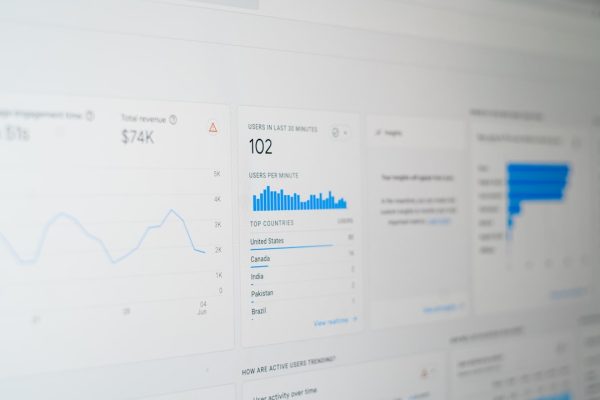
YouTube Studio provides detailed analytics about how viewers discover your videos. The Traffic Sources report shows what percentage of views come from YouTube search, suggested videos, external sources, and browse features. Monitor YouTube search traffic specifically — this represents your YouTube SEO success. Analyse which search terms drive the most views and identify opportunities to create new content targeting high-volume queries where you lack content.
The Impressions and Click-Through Rate report reveals how often your thumbnails appear in YouTube search and suggested results and what percentage of impressions convert to views. Low CTR despite high impressions indicates thumbnail or title issues. Track CTR trends over time and correlate them with thumbnail or title changes to identify what resonates with your audience.
Google Search Console Video Data
Google Search Console’s Video pages report shows which of your web pages appear in video search results. Monitor impressions, clicks, and average position for video appearances separately from standard web results. This data helps you understand which pages and videos perform best in Google’s video results and identify opportunities for improvement.
Compare your video search performance with your standard web search performance for the same pages. If a page ranks well in web search but poorly in video search (or vice versa), this indicates specific optimisation opportunities for the underperforming channel.
Cross-Platform Attribution
Track the full journey from video discovery to business outcome. A viewer might find your video on YouTube, visit your website, and convert days or weeks later. Use UTM parameters on links in your YouTube descriptions and end screens to track website visits that originate from YouTube. In your analytics platform, create attribution models that credit video touchpoints appropriately in the conversion path.
Competitive Benchmarking
Monitor competitor video performance using tools like vidIQ, TubeBuddy, or Social Blade. Track their publishing frequency, average view counts, subscriber growth, and which of their videos rank in Google search results. Identify content gaps — topics your competitors haven’t covered in video that have search demand. These gaps represent the highest-value opportunities for new video content with a strong chance of ranking quickly through effective search visibility strategies.
Frequently Asked Questions
What is video SEO?
Video SEO is the practice of optimising video content to rank in search engines — primarily Google Search and YouTube. It encompasses YouTube-specific optimisation (titles, descriptions, tags, thumbnails, engagement), website optimisation (video schema markup, sitemaps, embedding), and content strategy (creating videos that match search intent). Effective video SEO ensures your videos are discoverable through search, generating organic views and traffic without relying solely on paid promotion.
How do I get my videos to appear in Google search results?
To appear in Google search results, publish your video on YouTube with optimised titles, descriptions, and tags. On your website, embed the video with VideoObject schema markup and include it in your video sitemap. Ensure the page content surrounding the video is relevant and comprehensive. Google considers both YouTube signals and on-page signals when selecting videos for search results. Target queries where Google already displays video results to maximise your chances.
What is video schema markup and why is it important?
Video schema markup (VideoObject structured data) is code added to your web pages that explicitly tells Google about your video content — including title, description, thumbnail, duration, and upload date. It is important because it helps Google discover, understand, and display your videos in search results with rich features like video thumbnails, key moments, and video carousels. Without schema markup, Google may not fully understand the video content on your pages.
How long should SEO-optimised videos be?
Optimal video length depends on the topic and platform. For YouTube SEO, videos between 8 and 15 minutes tend to perform best for educational and how-to content, as they provide sufficient depth for engagement while maintaining viewer attention. Shorter videos (2 to 5 minutes) work better for simple explanations or news updates. The key metric is audience retention — a well-structured 15-minute video that maintains viewer attention will outrank a 5-minute video with high abandonment.
Do closed captions and transcripts affect video SEO?
Yes. Closed captions on YouTube serve as additional text content that YouTube indexes for search ranking. Accurate manual captions outperform auto-generated ones for SEO purposes. On your website, full text transcripts alongside embedded videos provide Google with indexable text content that reinforces the video’s topical relevance. Both captions and transcripts also improve accessibility, which aligns with best practices for user experience.
Should I host videos on my own website or use YouTube?
A hybrid approach works best for most businesses. Publish videos on YouTube to access its massive audience and built-in search engine, then embed the YouTube videos on your website with proper schema markup and surrounding content. This way, your YouTube channel captures YouTube search traffic while your web pages compete for Google video results. Self-hosting makes sense only if you have specific requirements that YouTube cannot accommodate.
How important are thumbnails for video SEO?
Thumbnails are critically important — they are the single most impactful element for video click-through rates. YouTube reports that 90% of top-performing videos use custom thumbnails. Since both YouTube and Google use engagement signals (including CTR) as ranking factors, a compelling thumbnail indirectly improves rankings by driving more clicks. Design thumbnails at 1280 by 720 pixels with high contrast, minimal text, and a clear focal point that remains legible at small display sizes.
What are key moments in Google search results?
Key moments are specific video segments that Google displays in search results, allowing users to jump directly to relevant portions of a video. They appear as labelled timestamps beneath a video result. Key moments can be generated automatically by Google (when you implement SeekToAction markup) or manually defined by you (using Clip markup). YouTube chapters also feed into key moments. This feature allows a single video to rank for multiple search queries.
How do I track video SEO performance?
Track video SEO performance across multiple platforms. Use YouTube Studio Analytics for YouTube search traffic, impressions, CTR, and audience retention. Use Google Search Console’s Video pages report for Google search visibility. Monitor rankings with tools that track video SERP features. Connect video traffic to business outcomes using UTM parameters and analytics attribution models. Review performance at least monthly to identify trends and optimisation opportunities.
Does video content help my website’s overall SEO?
Yes. Pages with relevant video content tend to have higher engagement metrics — longer time on page, lower bounce rates — which can indirectly support rankings. Video content can earn featured snippets and video carousels that text content alone cannot access. Additionally, video content provides link-building opportunities, as other sites frequently link to valuable video resources. However, video must be properly optimised and relevant — simply embedding an unrelated video provides no SEO benefit.