Marketing to Tourists in Singapore: Attract Visitors Before and During Their Trip
Singapore welcomed over 13 million international visitors in 2023, with tourism contributing billions to the economy. For businesses across retail, hospitality, food and beverage, attractions and services, tourists represent a substantial revenue stream — but only if you can reach them at the right moment with the right message. Tourist marketing in Singapore is a discipline unto itself, requiring strategies that span the entire traveller journey from initial trip planning through to post-visit engagement.
The challenge is multifaceted. Tourists arrive from dozens of source markets with different languages, cultural expectations and digital habits. Their time in Singapore is limited, making every marketing impression count. They discover businesses through a complex mix of search engines, social media, travel platforms, review sites, in-hotel recommendations and spontaneous street-level discovery. Capturing their attention — and their spending — demands a coordinated multi-channel approach.
This guide covers how to market to tourists visiting Singapore across every stage of their journey, from pre-arrival targeting and in-destination engagement to post-visit retention and advocacy.
Singapore’s Tourist Landscape: Key Markets and Trends
Understanding who visits Singapore, when they visit and what they seek is the foundation of effective tourist marketing in Singapore.
Top Source Markets
Indonesia, China, India, Malaysia and Australia consistently rank among Singapore’s top visitor source markets. Each market has distinct travel motivations, spending patterns, digital habits and language requirements. Chinese tourists may prioritise luxury shopping and iconic attractions. Indonesian visitors often combine medical tourism with leisure. Indian tourists frequently travel as families seeking both cultural and modern entertainment. Understanding these source-market differences enables targeted marketing strategies.
Tourist Segments and Motivations
Tourists visiting Singapore can be segmented by purpose: leisure travellers seeking entertainment and cultural experiences, business travellers attending conferences and meetings (with leisure extensions), medical tourists accessing Singapore’s healthcare system, transit passengers on stopovers, and visiting friends and relatives (VFR). Each segment has different information needs, spending propensities and marketing receptivity.
Seasonal Patterns
Singapore’s tourism flows follow predictable seasonal patterns. Chinese New Year and the year-end holiday season drive peak arrivals from many markets. School holidays in source countries create secondary peaks. Major events — Formula 1 Singapore Grand Prix, Singapore Food Festival, Artweek, New Year countdown — attract event-driven visitors. Aligning your marketing calendar with these patterns ensures maximum impact.
Evolving Tourist Expectations
Modern tourists expect seamless digital experiences, personalised recommendations and instant information access. They research extensively before travelling, curate experiences based on social media inspiration and share their experiences in real time. Meeting these expectations requires a digitally sophisticated marketing approach that spans multiple touchpoints.
Pre-Arrival Marketing: Reach Tourists Before They Land
The most effective tourist marketing in Singapore begins weeks or months before visitors arrive. Pre-arrival marketing captures high-intent travellers during their planning phase, when they are actively making spending decisions.

Targeting Tourists During Trip Planning
Use Google Ads to target search queries like “things to do in Singapore,” “best restaurants Singapore,” “Singapore shopping guide” and similar planning-phase keywords in multiple languages. Display and video advertising on travel-related websites and YouTube channels can build awareness among travellers who have not yet decided on specific activities or venues.
Content Marketing for Trip Planners
Create comprehensive content that serves tourist information needs: neighbourhood guides, itinerary suggestions, seasonal event previews, dining guides and practical tips. This content should be optimised for search engines in English and in the languages of your key source markets (Mandarin, Bahasa Indonesia, Japanese, Korean, Hindi). Content that genuinely helps trip planning earns organic traffic and positions your brand as a trusted local authority.
Multilingual Advertising Campaigns
For your highest-value source markets, create advertising campaigns in the local language. Chinese-language campaigns on Baidu, Xiaohongshu and WeChat reach Chinese tourists during planning. Japanese-language Google Ads target Japanese travellers. Korean-language Naver campaigns reach Korean tourists. Each language campaign should feature culturally relevant creative and messaging that addresses the specific motivations and concerns of that market. Our full walkthrough of Naver SEO for the Korean market covers the blog, cafe and SmartStore tactics that matter there.
Travel Influencer Partnerships
Partner with travel influencers from your key source markets. Invite them to experience your business and create content for their audience. A Chinese travel vlogger’s Xiaohongshu post about your restaurant, a Japanese travel blogger’s review of your attraction or an Australian travel influencer’s Instagram Story about your hotel can drive significant pre-arrival awareness and booking intent.
Search and Discovery: Be Found When Tourists Plan
When tourists search for information about Singapore, your business needs to appear. Search engine optimisation for tourist-relevant queries is critical.
Google Search Optimisation for Tourists
Optimise your website content for tourist-intent keywords. These differ from local search terms — tourists search “best hawker centre Singapore” while locals search “hawker centre near me.” Create dedicated landing pages targeting tourist search queries, with content that addresses tourists’ specific information needs (location, pricing, opening hours, how to get there, what to expect).
Google Business Profile Optimisation
Your Google Business Profile is often the first touchpoint with tourists using Google Maps to explore Singapore. Ensure your profile is complete with accurate hours, photos, description, categories and attributes. Encourage reviews from international visitors — reviews in multiple languages signal to tourists from different markets that your business welcomes international customers. Respond to reviews promptly and professionally.
TripAdvisor and Review Platform Presence
TripAdvisor remains a significant influence on tourist decisions, particularly for restaurants, attractions and tours. Maintain an active, optimised TripAdvisor listing with current photos, accurate information and responsive management replies to reviews. Similar attention should be given to Klook, GetYourGuide, Viator and other experience platforms that tourists use for booking.
Map and Navigation Visibility
Tourists rely heavily on Google Maps, Apple Maps and local mapping apps. Ensure your business appears accurately on all major mapping platforms with correct pin locations, operating hours and contact information. For Chinese tourists, visibility on Baidu Maps and Amap (Gaode) is valuable. For Korean tourists, Naver Map listings improve discoverability.
Social Media Influence on Tourist Decisions
Social media plays a massive role in tourist decision-making — from inspiration and planning through to real-time experience sharing. A strong social media marketing presence is essential for capturing tourist attention.
Instagram and Visual Discovery
Instagram is a primary discovery platform for tourists. Location tags, hashtags like #VisitSingapore, #SGFood and #SingaporeTravel, and visually stunning content help tourists find your business. Create Instagrammable moments — visually distinctive elements of your business that tourists want to photograph and share. User-generated content from tourists serves as powerful social proof for future visitors.
TikTok and Short-Form Video
TikTok has become a significant travel discovery platform, with “TikTok travel” searches growing rapidly. Short, engaging videos showcasing unique experiences, hidden gems and must-try items in Singapore can reach millions of potential visitors. TikTok’s algorithm-driven discovery means even accounts without large followings can achieve viral reach with compelling content.
Chinese Social Platforms
For the Chinese tourist market, Xiaohongshu (Little Red Book) is the dominant travel planning platform. Chinese tourists meticulously research destinations on Xiaohongshu before travelling, reading reviews, viewing photos and saving recommendations. WeChat Official Accounts and Douyin (Chinese TikTok) also influence Chinese tourist decisions. Brands targeting Chinese tourists should maintain active Chinese-language social media presences on these platforms.
Real-Time Social Engagement
Monitor social media mentions from tourists in real time. When tourists post about your business, engage promptly — thank them, offer additional recommendations and encourage further sharing. This real-time engagement delights the individual tourist and signals to their followers that your business is responsive and welcoming. Geotargeted social media advertising can also reach tourists who are already in Singapore.
In-Destination Engagement Strategies
Once tourists arrive in Singapore, your marketing must shift from digital awareness to immediate action. In-destination engagement converts awareness into visits and spending.

Location-Based Mobile Marketing
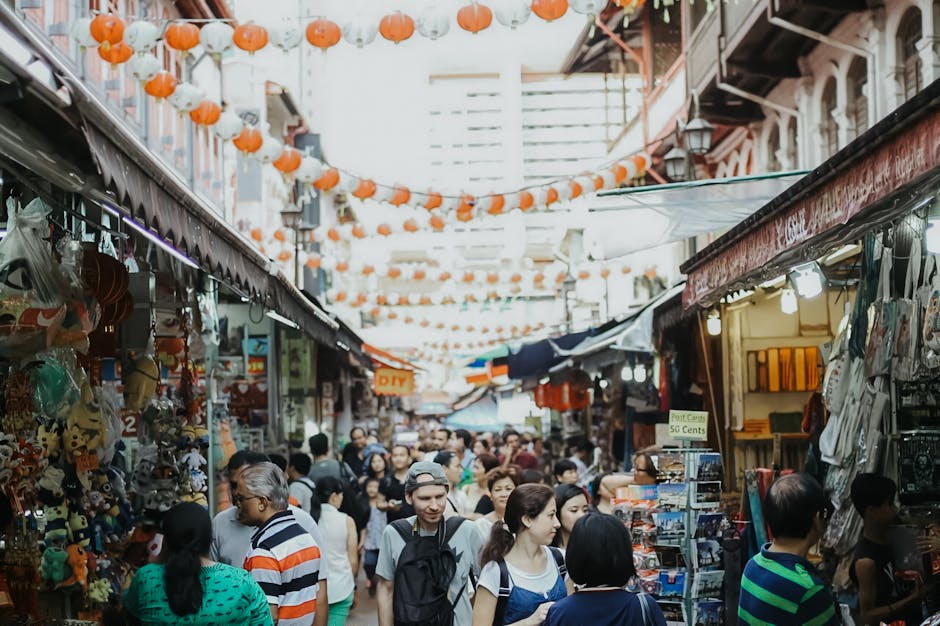
Geofenced advertising targets tourists’ mobile devices when they are near your business or in relevant tourist areas. Push notifications through travel apps, location-triggered display ads and proximity-based social media ads can capture tourists’ attention at the moment of decision. Orchard Road, Marina Bay, Sentosa, Chinatown, Little India and Kampong Glam are high-traffic tourist zones ideal for location-based targeting.
Hotel and Accommodation Partnerships
Partner with hotels, hostels and serviced apartments to place your business in front of guests. This can include concierge recommendations, in-room promotional materials, digital displays in lobbies and partnerships with hotel booking platforms that offer experience packages. Hotels are trusted information sources for tourists, making hotel partnerships highly effective.
On-Site Digital Experience
When tourists visit your business, the digital experience should be seamless. Free Wi-Fi (with a branded login page that captures email addresses), multilingual digital menus or information displays, QR codes linking to detailed information in multiple languages and easy mobile payment options (including Chinese payment systems like Alipay and WeChat Pay) all enhance the tourist experience and create data capture opportunities.
Tourist-Specific Promotions
Create promotions specifically targeting tourists — tourist discount cards, “show your boarding pass” offers, special packages for hotel guests and transit passenger deals. These promotions incentivise visits while making tourists feel welcomed and valued. Promote these offers through tourist information channels, hotel partnerships and digital advertising.
Travel Platform and Partnership Strategies
Travel platforms and strategic partnerships extend your reach to tourists through trusted third-party channels.
Online Travel Agencies and Experience Platforms
List your experiences, tours, dining or services on platforms like Klook, GetYourGuide, Viator, Traveloka and Trip.com. These platforms have massive tourist audiences and sophisticated marketing capabilities. While commission fees apply, the exposure to high-intent travellers often justifies the cost. Optimise your listings with compelling descriptions, high-quality photos and competitive pricing.
Singapore Tourism Board Partnerships
The Singapore Tourism Board (STB) runs extensive international marketing campaigns promoting Singapore as a destination. Participate in STB programmes, co-operative marketing initiatives and destination marketing campaigns where available. STB’s Passion Made Possible branding and marketing channels provide access to international tourist audiences at scale.
Airline and Transport Partnerships
Partner with airlines serving Singapore to reach passengers before and during their journey. In-flight magazines, entertainment system advertising, boarding pass promotions and airline loyalty programme partnerships can introduce your business to tourists at the pre-arrival stage. Similarly, partnerships with Changi Airport’s advertising and retail platforms capture tourists immediately upon arrival.
Cross-Business Tourist Packages
Collaborate with complementary businesses to create tourist packages that offer greater value than individual bookings. A restaurant might partner with a nearby attraction; a spa might bundle with a hotel; a shopping destination might offer combined transport and dining packages. These packages simplify tourist decision-making and increase per-visitor spending across participating businesses.
Post-Visit Retention and Advocacy
Tourist marketing does not end when visitors leave Singapore. Post-visit engagement converts one-time visitors into repeat customers and brand advocates.
Email and CRM Follow-Up
Capture tourist email addresses through Wi-Fi logins, booking systems, loyalty programme sign-ups and receipt-based opt-ins. Send post-visit thank-you emails with requests for reviews, exclusive offers for return visits and content that extends the Singapore experience. Build tourist segments in your CRM for targeted digital marketing campaigns around future travel seasons.
Encouraging Reviews and User-Generated Content
Reviews from tourists are marketing gold. They influence future visitors across the same source market and improve your visibility on review platforms. Send timely, polite review requests after visits. Make the process easy by providing direct links to your Google, TripAdvisor or platform-specific review pages. Feature the best tourist reviews and user-generated content in your marketing materials.
Social Media Retargeting
Retarget tourists who engaged with your business on social media or visited your website. Serve them content and ads that keep your brand top of mind for return visits or referrals. Seasonal retargeting — reminding past visitors about upcoming events or new offerings — can trigger repeat visits, particularly from nearby source markets like Indonesia, Malaysia and Australia.
Referral and Advocacy Programmes
Encourage satisfied tourists to recommend your business to friends and family planning Singapore trips. Referral incentives, shareable content and easy recommendation mechanisms can turn happy tourists into your most effective marketing channel. Word-of-mouth from a trusted friend who has visited Singapore carries far more weight than any advertisement.
Measuring Tourist Marketing Effectiveness
Tourist marketing measurement presents unique challenges due to cross-border customer journeys, multi-platform attribution and the difficulty of tracking offline tourist behaviour.

Key Performance Indicators for Tourist Marketing
Track tourist-specific KPIs: international website traffic by country, foreign-language content performance, travel platform booking volumes, review platform ratings and review velocity, international social media engagement, tourist-attributed revenue and cost per tourist acquisition by source market. These metrics provide visibility into which markets and channels deliver the strongest tourist marketing returns.
Attribution Across the Tourist Journey
Tourist customer journeys typically span weeks and multiple touchpoints — from an initial Instagram discovery to a Google search, TripAdvisor review reading, Klook booking and finally an in-person visit. Multi-touch attribution models help you understand how different channels contribute to the tourist conversion journey. Use UTM parameters, platform-specific tracking and booking source analysis to build a comprehensive attribution picture.
Seasonal Performance Analysis
Analyse marketing performance by tourism season, major events and source-market travel periods. Identify which periods deliver the highest tourist marketing ROI and allocate budget accordingly. Pre-event and pre-season ramp-up periods are particularly important — tourist marketing investment should peak during the planning phase, not the travel phase.
Competitive Benchmarking
Monitor how competing businesses in your category perform with tourists. Track competitor review ratings, social media presence, travel platform rankings and visibility in tourist search results. Competitive intelligence informs your strategy and helps you identify opportunities to differentiate your tourist marketing approach.
Frequently Asked Questions
Which tourist source markets should I prioritise for marketing?
Prioritise based on your business type and customer data. Generally, China, Indonesia, India, Malaysia and Australia are Singapore’s highest-volume tourist markets. However, the best market for your business depends on your product — luxury brands may prioritise Chinese and Middle Eastern tourists, while adventure experiences may target Australian and European visitors. Analyse your existing international customer data to identify your highest-value source markets.
How far in advance should I start marketing to tourists planning Singapore trips?
Most tourists begin active trip planning four to eight weeks before travel, with initial inspiration happening even earlier. Start pre-arrival marketing at least two to three months before peak tourism periods. Always-on content marketing and SEO efforts should run continuously, as tourists plan trips year-round.
Is it worth advertising on Chinese platforms like Xiaohongshu for tourist marketing?
If Chinese tourists are a significant segment for your business, absolutely. Xiaohongshu is the primary travel research platform for Chinese travellers, and a strong presence there can drive substantial visitor traffic. The investment in Chinese-language content creation and platform management is typically justified by the spending power and volume of Chinese tourists in Singapore.
How do I handle multilingual customer service for tourists?
At minimum, provide English-language customer service with a welcoming, clear communication style for non-native speakers. For high-value source markets, invest in staff who speak Mandarin, Japanese, Korean, Bahasa Indonesia or other relevant languages. Multilingual signage, digital menus and translated information materials reduce language barriers. Translation apps can assist in pinch situations.
What payment methods should I offer to accommodate tourists?
Accept major international credit cards (Visa, Mastercard, Amex), contactless payments (Apple Pay, Google Pay) and Chinese payment systems (Alipay, WeChat Pay, UnionPay). For specific source markets, consider GrabPay (popular among Southeast Asian tourists), Paypay (Japanese tourists) and other market-specific payment options. The easier you make payment, the more tourists will spend.
How important are TripAdvisor and Google reviews for tourist marketing?
Extremely important. Reviews are one of the top three factors influencing tourist venue selection. A strong review profile — high ratings, recent reviews, management responses and reviews in multiple languages — significantly increases tourist foot traffic. Actively manage your review presence on TripAdvisor, Google, Klook and other tourist-relevant platforms.
Can I use geofencing to target tourists near my business?
Yes. Geofenced advertising through Google Ads, Meta Ads and programmatic display networks can target mobile devices within defined geographic areas. Target tourist hotspots, nearby hotels, transport hubs and competing attractions to reach tourists when they are nearby and ready to make spontaneous decisions. Combine geofencing with language targeting for maximum precision.
How do I market to transit passengers on short Singapore stopovers?
Transit passengers have limited time but often want a brief Singapore experience. Partner with Changi Airport’s marketing channels to reach transit passengers. Create “two-hour Singapore experience” content and promotions. Advertise on airport Wi-Fi login pages and in-terminal displays. Offer easy booking and transport options that minimise time wasted on logistics.
What role does the Singapore Tourism Board play in tourist marketing?
STB drives international destination marketing for Singapore through campaigns, trade shows, media partnerships and digital platforms. Businesses can participate in STB co-operative advertising programmes, be featured in STB’s destination content and leverage STB’s research on tourist trends and preferences. STB’s VisitSingapore.com platform is a major information source for tourists and offers listing opportunities for qualifying businesses.
How do I measure whether my marketing is actually attracting tourists versus locals?
Use multiple signals: track international website traffic through analytics (geographic data), monitor foreign-language search query performance, analyse booking or POS data for international payment cards, track travel platform bookings separately from direct bookings and ask customers how they discovered your business. Cross-referencing these data points provides a reliable estimate of tourist-attributed marketing performance.