
Topical Authority: How to Become the Definitive Source on Any Topic
What Is Topical Authority in SEO?
Topical authority refers to the degree to which a website is recognised — by both search engines and users — as a comprehensive, trustworthy source on a particular subject area. Unlike domain authority, which measures a site’s overall link-based strength, topical authority is earned by demonstrating exhaustive knowledge across every facet of a given topic.
Consider two competing websites in the Singapore market. Site A publishes a single 3,000-word article about digital marketing. Site B publishes 50 interconnected articles covering every dimension of digital marketing — from strategy and channels to measurement and optimisation. When Google must decide which site deserves to rank for a competitive head term like “digital marketing Singapore,” Site B holds a decisive advantage. It has demonstrated topical authority.
The concept has its roots in Google’s evolving understanding of entities and topics. Since the introduction of the Knowledge Graph in 2012, and accelerated by the Hummingbird update in 2013 and the BERT update in 2019, Google has shifted from matching individual keywords to understanding topics holistically. This means ranking algorithms now evaluate whether a website has covered a topic comprehensively enough to be considered an authoritative source.
Topical Authority vs Domain Authority
Domain authority is a third-party metric that estimates a site’s ranking potential based on its backlink profile. Topical authority is an intrinsic quality signal based on content coverage and depth. A site with moderate domain authority can outrank sites with far stronger backlink profiles if it possesses genuine topical authority on the subject in question. This is particularly relevant for Singapore businesses competing against international brands with larger link portfolios.
Topical Authority vs Page Authority
Page authority focuses on the ranking potential of a single URL. Topical authority operates at the site level — it is the cumulative effect of having multiple authoritative pages that collectively cover a topic. Individual page strength matters, but the network effect of comprehensive topic coverage is what establishes true authority.
Why Topical Authority Matters More Than Ever
The importance of topical authority has intensified significantly in recent years, driven by several converging factors that make it indispensable for any serious SEO strategy.
Google’s Shift to Semantic Understanding
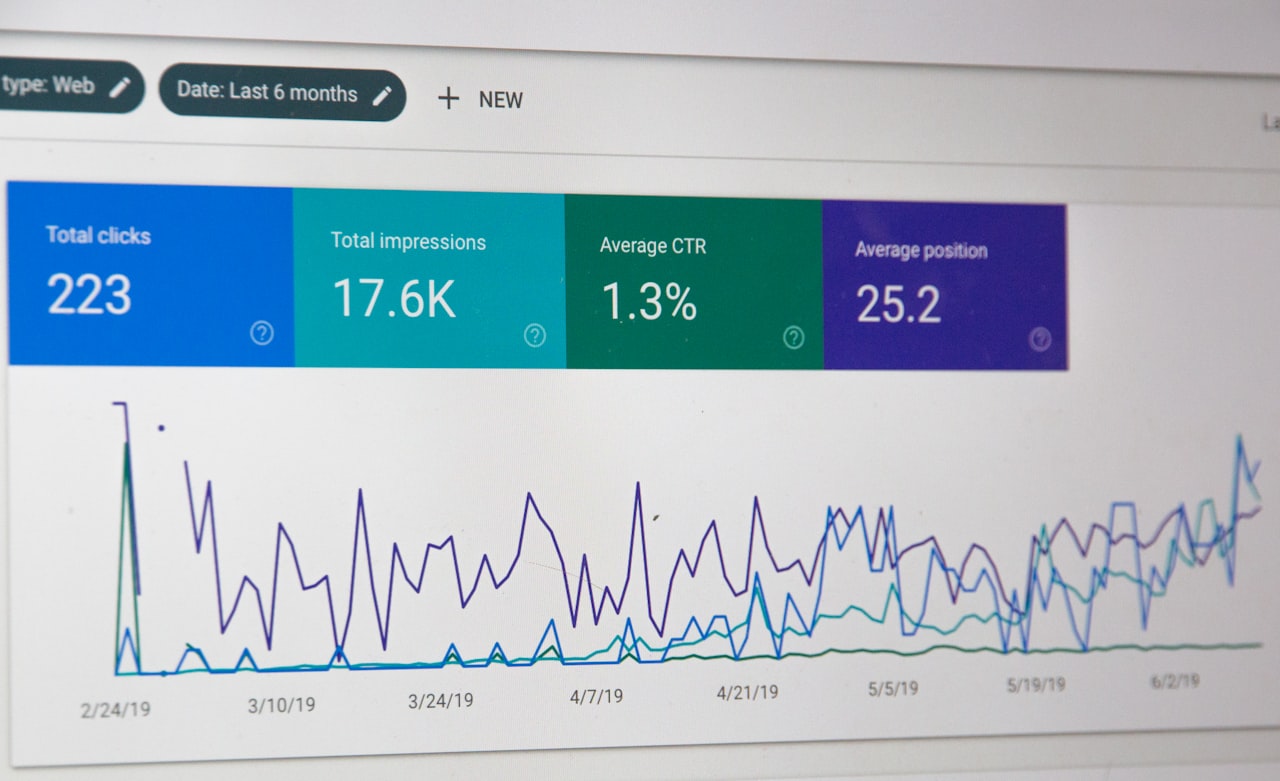
Google’s language models — from RankBrain to MUM — have become remarkably proficient at understanding the relationships between topics, subtopics, and entities. This means Google can now evaluate not just whether your page mentions a keyword, but whether your entire site demonstrates genuine understanding of the subject matter. Sites that cover topics superficially are increasingly disadvantaged against those that demonstrate depth.
E-E-A-T and the Quality Rater Guidelines
Google’s Quality Rater Guidelines explicitly instruct human evaluators to assess Experience, Expertise, Authoritativeness, and Trustworthiness. Topical authority directly maps to the “Expertise” and “Authoritativeness” dimensions. A site that covers every aspect of a topic — including edge cases, nuances, and practical applications — signals genuine expertise far more convincingly than one that publishes isolated, surface-level content.
The Helpful Content System
Google’s Helpful Content system, which operates as a site-wide signal, evaluates whether a site’s content is created primarily for people rather than search engines. Sites that build genuine topical authority — covering topics because they have real expertise, not merely to capture search traffic — naturally align with what this system rewards. Conversely, sites that publish thin content across dozens of unrelated topics risk triggering a negative site-wide signal.
Competitive Necessity in Singapore’s Digital Market
Singapore’s digital market is intensely competitive. With a highly connected population and businesses that understand the value of online visibility, standing out in search results requires more than basic on-page optimisation. Building topical authority in your specific vertical — whether that is financial services, technology, healthcare, or education — is increasingly the differentiating factor between page one visibility and obscurity.
How Google Evaluates Topical Authority
While Google does not publish its exact algorithm, patent filings, research papers, and observable ranking patterns reveal several mechanisms through which topical authority is likely assessed.
Topic Coverage Completeness
Google maintains sophisticated knowledge graphs that map the relationships between topics and subtopics. When evaluating a site’s authority on a subject, the algorithm likely checks how many of the expected subtopics and related entities the site covers. If a site claims to be an authority on content marketing but has no content on content strategy, editorial calendars, or content measurement, that claim rings hollow.
Content Depth and Information Gain
Google’s Information Gain patent describes a system that evaluates whether a piece of content provides unique information not found in other ranking results. Sites that consistently produce content offering genuine information gain — original insights, proprietary data, novel frameworks — build stronger topical authority than those that merely repackage existing information.
Internal Linking Topology
The way a site’s pages link to one another creates a semantic map that Google can interpret. A well-structured internal linking topology — where topic clusters are clearly defined and logically interconnected — signals to Google that the site has organised its knowledge in a coherent, authoritative manner. Random or sparse internal linking suggests disorganised content that lacks genuine topical depth.
Entity Association and Co-occurrence
Google tracks which entities (people, organisations, concepts) are associated with which topics. When your site consistently publishes expert content on a topic, and that content is referenced, cited, or linked to by other authoritative sources, Google builds a stronger association between your brand entity and that topic.
User Engagement Patterns
While Google has been cagey about the role of user engagement signals, patents and leaked documents suggest that patterns like search refinement behaviour (do users return to search results after visiting your page?), time on site, and pages per session contribute to quality assessments. Sites with genuine topical authority tend to satisfy user queries more completely, producing engagement patterns that reinforce their authority signals.
Topic Mapping: The Foundation of Authority
Building topical authority begins with comprehensive topic mapping — the process of identifying every subtopic, question, and angle that falls within your chosen topic domain.
Step 1: Define Your Core Topics
Start by identifying 3-7 core topics that align with your business expertise and target audience’s needs. For a Singapore digital marketing agency, core topics might include SEO, paid advertising, content marketing, social media marketing, and web analytics. Each core topic becomes the centre of a topic cluster.
Step 2: Map Subtopics Exhaustively
For each core topic, identify every meaningful subtopic. Use multiple research methods in combination:
- Keyword research tools: Use Ahrefs, SEMrush, or similar tools to identify all keywords and questions related to your core topic. Group these by subtopic theme rather than individual keywords.
- SERP analysis: Examine the top-ranking pages for your core topic’s head terms. Note which subtopics they cover and which related topics appear in “People Also Ask” and “Related Searches.”
- Competitor content audits: Catalogue every page your top 5 competitors have published on the topic. Identify subtopics they cover that you do not.
- Expert knowledge: Draw on your own subject matter expertise to identify subtopics that keyword tools might miss — particularly advanced or niche aspects that demonstrate genuine depth.
- Community research: Examine forums, Reddit threads, Quora questions, and industry communities to discover what real people ask about the topic.
Step 3: Organise Into a Topic Hierarchy
Arrange your subtopics into a logical hierarchy. Each core topic should have 5-10 main subtopics, and each subtopic may have further sub-subtopics. This hierarchy directly informs your content architecture and internal linking strategy. Document this hierarchy in a topic map — a visual or tabular representation of your entire topic domain.
Step 4: Identify Content Types for Each Node
Not every subtopic requires the same content format. Some are best served by comprehensive guides, others by comparison articles, how-to tutorials, case studies, or data-driven analyses. Assign the most appropriate content type to each node in your topic map based on search intent analysis.
Content Depth Strategy
Topical authority is not simply about publishing a high volume of content — it demands genuine depth at every level of your topic hierarchy.

The Depth Spectrum
Content depth operates on a spectrum from introductory overviews to advanced technical analysis. A truly authoritative site covers the full spectrum:
- Pillar content (2,500-5,000+ words): Comprehensive overviews of core topics that link out to more specific articles. These target competitive head terms.
- Cluster content (1,500-3,000 words): Detailed articles on specific subtopics that link back to pillar content and to related cluster articles.
- Supporting content (800-1,500 words): Focused pieces answering specific questions, covering niche angles, or providing practical tutorials.
Information Gain: The Differentiator
The most impactful content depth strategy focuses on information gain — providing insights, data, or perspectives that readers cannot find elsewhere. In the Singapore context, this might include:
- Original research or surveys of Singapore businesses
- Case studies featuring local companies (with permission)
- Singapore-specific regulatory or market data
- Practical frameworks developed from local consulting experience
- Benchmarking data relevant to the Southeast Asian market
Avoiding the Thin Content Trap
A common mistake when building topical authority is prioritising coverage breadth over depth. Publishing 50 thin, 500-word articles on subtopics does not build authority — it signals the opposite. Every article should provide genuine value and depth appropriate to its subtopic. If a subtopic does not warrant a full article, consolidate it into a broader piece rather than publishing something superficial.
Updating and Expanding Existing Content
Topical authority is not a set-and-forget endeavour. Authoritative sources keep their content current. Establish a content refresh cycle — quarterly reviews of key articles, annual comprehensive updates, and immediate updates when significant industry changes occur. This ongoing maintenance signals to Google that your content reflects current expertise, not outdated knowledge.
Internal Linking Architecture for Authority
Internal linking is the structural mechanism through which you communicate your topical organisation to search engines. A deliberate internal linking architecture is essential for establishing topical authority.
Hub-and-Spoke Model
The most effective internal linking model for topical authority is the hub-and-spoke (or pillar-cluster) model. Each core topic has a pillar page (the hub) that links to all cluster articles (the spokes). Each cluster article links back to the pillar page and to related cluster articles. This creates a tightly interconnected network that clearly defines your topic boundaries.
Contextual Linking Principles
Internal links should be contextually relevant and placed naturally within content. Key principles include:
- Descriptive anchor text: Use anchor text that accurately describes the linked page’s content, incorporating relevant keywords naturally.
- Bidirectional linking: Ensure links flow in both directions between related pages, not just from cluster to pillar.
- Cross-cluster linking: Where topics overlap, link between clusters to reinforce thematic relationships.
- Hierarchical consistency: Link depth should reflect your topic hierarchy — pillar pages link to subtopic pages, subtopic pages link to supporting content.
Link Equity Distribution
Internal linking distributes link equity (PageRank) throughout your site. For topical authority, you want to concentrate link equity on your most important pages while ensuring that deeper content receives enough equity to be crawled and indexed. Your pillar pages should receive the most internal links, followed by key cluster articles, with supporting content receiving links from its parent cluster articles.
Technical Implementation
Implement your internal linking strategy systematically. Maintain a linking matrix that tracks which pages link to which, identify orphan pages (pages with no internal links pointing to them), and audit your internal link structure quarterly. Tools like Screaming Frog can visualise your internal linking topology and identify structural weaknesses.
Building Authority Signals Beyond Content
While content is the foundation of topical authority, external signals reinforce and validate your expertise.
Strategic Link Building Within Your Topic
Backlinks from authoritative sources within your topic domain are powerful authority signals. Focus your link-building efforts on earning links from sites that are themselves recognised authorities on your topic. A single link from a respected industry publication is worth more than dozens of links from unrelated sites.
Author Expertise and E-E-A-T
Associate your content with real experts who have demonstrable credentials in the topic domain. Implement author pages with detailed biographies, link to authors’ professional profiles and publications, and ensure that content is genuinely informed by subject matter expertise. For Singapore businesses, highlighting local qualifications, industry memberships, and regional experience is particularly valuable.
Brand Mentions and Entity Signals
Google tracks brand mentions even without links. Being cited as a source in industry discussions, mentioned in news articles, or referenced in academic or professional publications all contribute to your entity’s association with your topic domain. Actively participate in industry events, contribute to publications, and engage in professional communities relevant to your topic.
Structured Data and Knowledge Panel Optimisation
Implement comprehensive structured data (Schema.org markup) to help Google understand your content’s topic classification and your organisation’s expertise. For businesses, Organisation schema with relevant industry and expertise markers can reinforce topical associations. Article schema with author information supports E-E-A-T signals.
Building Authority on a Well-Designed Website
Technical excellence reinforces authority signals. A fast, well-structured, accessible website signals professionalism and investment in quality. Conversely, a poorly performing site can undermine even excellent content. Ensure your site’s technical foundation — from Core Web Vitals to crawlability — supports rather than hinders your authority-building efforts.
Measuring Topical Authority
Topical authority is not a single metric — it must be assessed through multiple indicators.

Topic Coverage Score
Calculate your topic coverage by mapping every relevant subtopic in your domain and tracking what percentage you have covered with quality content. Compare this against your top competitors. A topic coverage score of 80%+ typically correlates with strong topical authority.
Keyword Visibility Across the Topic
Track your organic visibility not just for individual keywords, but across the entire keyword set related to your topic. Tools like SEMrush’s Position Tracking or Ahrefs’ Rank Tracker allow you to group keywords by topic and monitor your aggregate visibility. Increasing visibility across the topic — particularly for keywords you have not specifically targeted — is a strong indicator of growing topical authority.
SERP Feature Presence
Sites with strong topical authority tend to appear in SERP features — Featured Snippets, People Also Ask, Knowledge Panels — more frequently. Track your SERP feature appearances across your topic domain as an indicator of Google’s recognition of your expertise.
Branded Search Volume
As your topical authority grows, you should observe increasing branded search volume that includes your topic terms — for example, “MarketingAgency.sg SEO” or “[your brand] content marketing.” This indicates that users associate your brand with the topic, a powerful authority signal.
Content Performance Benchmarks
Establish benchmarks for new content performance within your topic domain. Authoritative sites typically see new content indexing faster, ranking higher upon initial indexing, and reaching competitive positions more quickly. Track how quickly new content within your topic domain achieves target rankings compared to content outside your core topic areas.
Referral and Citation Tracking
Monitor how often your content is cited by other publications, referenced in industry discussions, or linked to as a resource. Growing citation frequency is a qualitative indicator that your topical authority is being recognised beyond search algorithms — by the human experts and publishers in your field.
Frequently Asked Questions
How long does it take to build topical authority?
Building meaningful topical authority typically takes 6-18 months of consistent, high-quality content publication and optimisation. The timeline depends on your starting point, the competitiveness of your topic domain, and the volume and quality of content you can produce. Smaller, less competitive topic domains can see results in as little as 3-6 months, while broad, highly competitive topics like “digital marketing” may require 12-24 months of sustained effort.
Can a small website build topical authority against large competitors?
Yes — and this is precisely why topical authority is so valuable for smaller businesses. By focusing on a narrow topic domain and covering it more comprehensively than larger competitors who spread their content across many topics, a smaller site can establish superior authority within its niche. A Singapore SME that publishes 40 deeply expert articles on a specific aspect of its industry can outrank multinational competitors for those topics.
How many articles do I need to establish topical authority?
There is no universal number. The required volume depends on the breadth and depth of your topic domain. A narrow topic like “HDB renovation financing” might require 15-25 articles for comprehensive coverage. A broad topic like “digital marketing” could require 100+ articles. Focus on covering every meaningful subtopic with genuine depth rather than hitting an arbitrary article count.
Does topical authority help with competitive head terms?
Absolutely. This is one of the primary benefits. Sites with strong topical authority frequently rank for competitive head terms even when individual pages have fewer backlinks than competing pages. The cumulative authority signal from comprehensive topic coverage lifts the entire site’s ability to compete for the most valuable keywords in the domain.
Should I focus on one topic or build authority across multiple topics?
Start with one core topic and build comprehensive authority before expanding. Attempting to build authority across multiple topics simultaneously dilutes your efforts and delays results. Once you have established strong authority in your primary topic domain, expand to closely related topics where your existing authority provides a foundation.
How does topical authority relate to E-E-A-T?
Topical authority is the practical manifestation of the Expertise and Authoritativeness dimensions of E-E-A-T. Building topical authority through comprehensive, expert content is the most effective way to demonstrate E-E-A-T to both Google’s algorithms and human quality raters. The Experience dimension is reinforced by including first-hand insights, case studies, and practical knowledge that can only come from genuine expertise.
Can I lose topical authority once I have built it?
Yes. Topical authority is not permanent. If you stop publishing new content, allow existing content to become outdated, or if competitors surpass your coverage depth, your authority will erode. Google expects authoritative sources to maintain currency. Establish a content maintenance schedule and continue expanding your coverage to defend your authority position.
Does publishing low-quality content on my topic hurt topical authority?
Yes, significantly. Google’s Helpful Content system operates as a site-wide signal. Publishing thin, unhelpful, or AI-generated content that lacks genuine expertise can trigger a negative site-wide classifier that undermines all of your content — including your high-quality pages. Every article you publish within your topic domain should meet a high quality bar.
How important is internal linking for topical authority?
Internal linking is critically important — it is the structural mechanism through which you communicate your topic organisation to search engines. Without deliberate internal linking, even comprehensive content coverage may fail to establish topical authority because Google cannot identify the topical relationships between your pages. Invest as much effort in your internal linking architecture as you do in content creation.
What role does paid advertising play in building topical authority?
Paid advertising does not directly influence organic topical authority. However, it can indirectly support authority-building by driving initial traffic to new content, increasing brand awareness within your topic domain, and generating the user engagement signals that reinforce quality assessments. Consider paid promotion as an accelerant for your organic topical authority strategy, not a substitute for it.