Part of our SEO Guides guide →
Table of Contents
What Is Topical Authority in SEO?
Topical authority SEO refers to a website’s perceived expertise and comprehensive coverage of a particular subject area. When a site consistently publishes high-quality, in-depth content across all facets of a topic, search engines begin to treat it as an authoritative source for that subject. This translates into higher rankings not just for individual pages, but across the entire topic cluster.
Think of it this way: a website that has one article about email marketing is a casual commentator. A website with 30 interconnected articles covering email strategy, list building, automation, deliverability, A/B testing and analytics is a genuine authority. Google’s systems can recognise this depth and reward it with more prominent placement in search results.
For Singapore businesses, topical authority SEO is especially relevant because the local search market is smaller and less crowded than global markets. Building deep coverage of a niche topic can establish your site as the go-to resource in the Singapore SERP, where fewer competitors are investing in comprehensive content strategies.
Why Topical Authority Matters for Rankings
Google’s ranking systems have evolved significantly since the days of keyword matching. The introduction of systems like BERT, MUM and the Helpful Content system means Google now evaluates content at a site level, not just a page level. A site with demonstrated expertise in a topic will outrank a site with a single, isolated page on the same keyword, even if that page has more backlinks.
Topical authority also improves how quickly new content ranks. When you publish a new page on a topic where your site already has authority, Google indexes and ranks it faster because it already trusts your site for that subject. This creates a compounding advantage: the more you publish on a topic, the easier it becomes to rank for new keywords within that topic.
From a user perspective, topical authority translates into better engagement metrics. Visitors who find one useful article are more likely to explore related content on your site, increasing pages per session, reducing bounce rates and sending positive behavioural signals to search engines. This creates a virtuous cycle that benefits both your SEO performance and your business outcomes.
How Google Evaluates Topical Authority
Google uses a combination of signals to assess topical authority. Content coverage is the most important: how many subtopics within a broader theme does your site address? If your competitors cover 50 aspects of a topic and you cover 10, they will generally be treated as more authoritative regardless of individual page quality.
Content quality matters alongside quantity. Publishing 100 thin, AI-generated articles on a topic will not build authority if those articles lack depth, originality and practical value. Google’s Helpful Content system specifically targets sites that produce large volumes of low-quality content designed to capture search traffic rather than genuinely help users.
Entity associations play a role. Google’s Knowledge Graph understands relationships between topics, and it expects authoritative sites to cover related entities. A site about digital marketing that covers SEO, content marketing, social media, email marketing and analytics demonstrates natural topical breadth. A site that covers digital marketing and cooking recipes sends mixed signals about its expertise.
Backlinks from other authoritative sites in the same niche reinforce topical authority. When industry publications, educational institutions and respected blogs link to your content on a specific topic, Google interprets this as peer validation of your expertise. Quality and relevance of linking domains matter more than raw quantity.
Building Content Clusters for Topical Authority
Start by identifying your core topics. For most businesses, these align with your primary services or product categories. A digital marketing agency might have core topics like SEO, paid advertising, social media, content marketing and web design. Each core topic becomes the foundation for a content cluster.

Create a pillar page for each core topic. This is a comprehensive, long-form page (2,000-4,000 words) that covers the topic broadly and links out to more specific supporting articles. The pillar page serves as the hub of the cluster, and it should target your broadest, most competitive keyword for that topic.
Identify 10-30 subtopics for each cluster. Use keyword research to find specific questions, how-to topics and niche angles within your core topic. Each subtopic becomes a supporting article that covers one aspect in depth. For an SEO cluster, supporting articles might cover technical audits, link building, local SEO, schema markup, keyword research and content optimisation.
Map the relationships between pages before you start writing. Create a visual diagram or spreadsheet showing which pillar page each supporting article links to and how supporting articles link to each other. This planning ensures your cluster is coherent and that no important subtopics are missed.
Internal Linking Strategy for Topic Clusters
Every supporting article must link to its parent pillar page. This concentrates link equity on your most important page and signals to Google that the pillar page is the primary resource for the broader topic. Use descriptive anchor text that includes the pillar page’s target keyword.
Supporting articles should also link to each other where relevant. If you have a post about keyword research and a post about content strategy, they naturally relate and should cross-link. These lateral links strengthen the overall cluster and help users navigate between related content.
The pillar page should link down to every supporting article. This creates a clear hierarchy: the pillar page is the parent, and supporting articles are the children. Google follows these internal links to discover and understand the relationship between your pages, which reinforces your topical coverage.
Review and update internal links whenever you publish new content. A new article about schema markup should be linked from existing articles about technical SEO and on-page optimisation. Many sites miss this step, leaving new content orphaned without internal links. Set a process to audit internal links monthly as part of your content maintenance routine.
Measuring Topical Authority
There is no single metric that directly measures topical authority, but several proxies give you a clear picture. Track the number of keywords you rank for within a specific topic. If you rank for 50 SEO-related keywords today and 150 in six months, your topical authority in SEO is growing.
Monitor organic search visibility segmented by topic. Use your rank tracking tool to group keywords by topic cluster and track visibility scores for each group separately. This reveals which topics you are strongest in and where you need to invest more content.
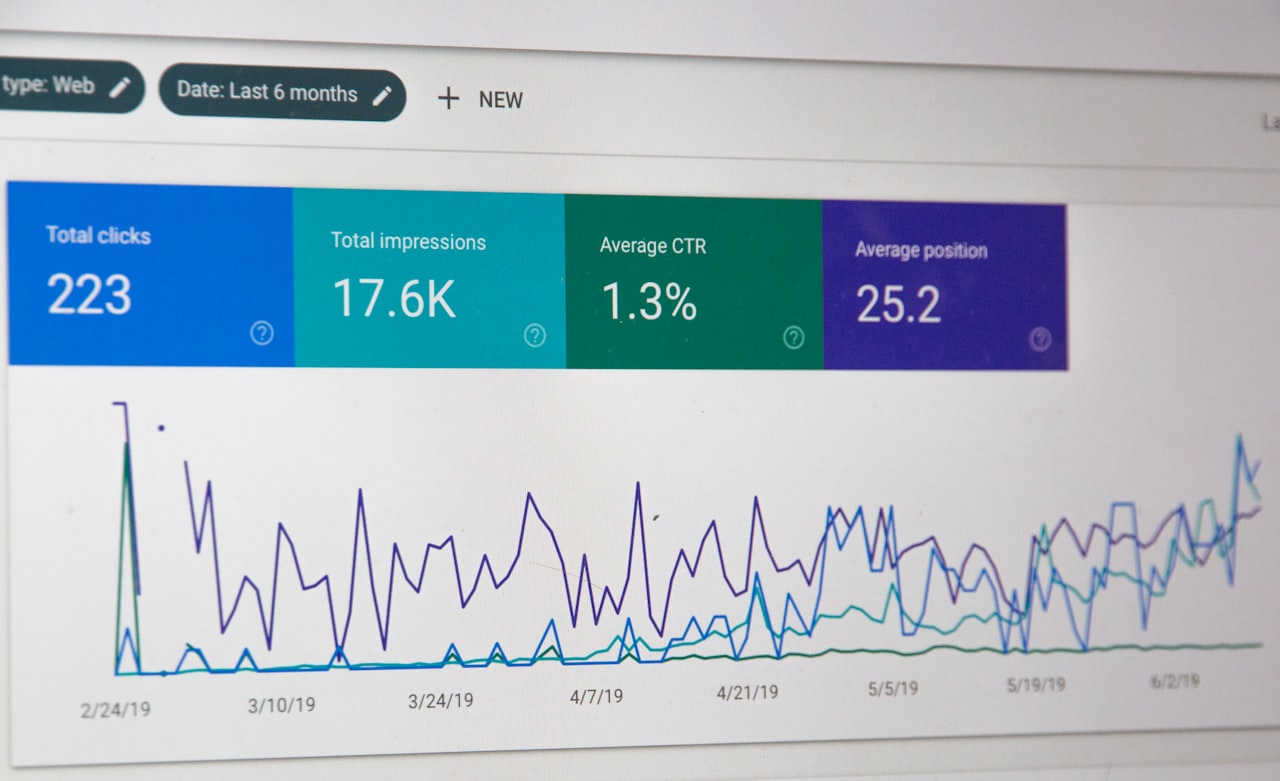
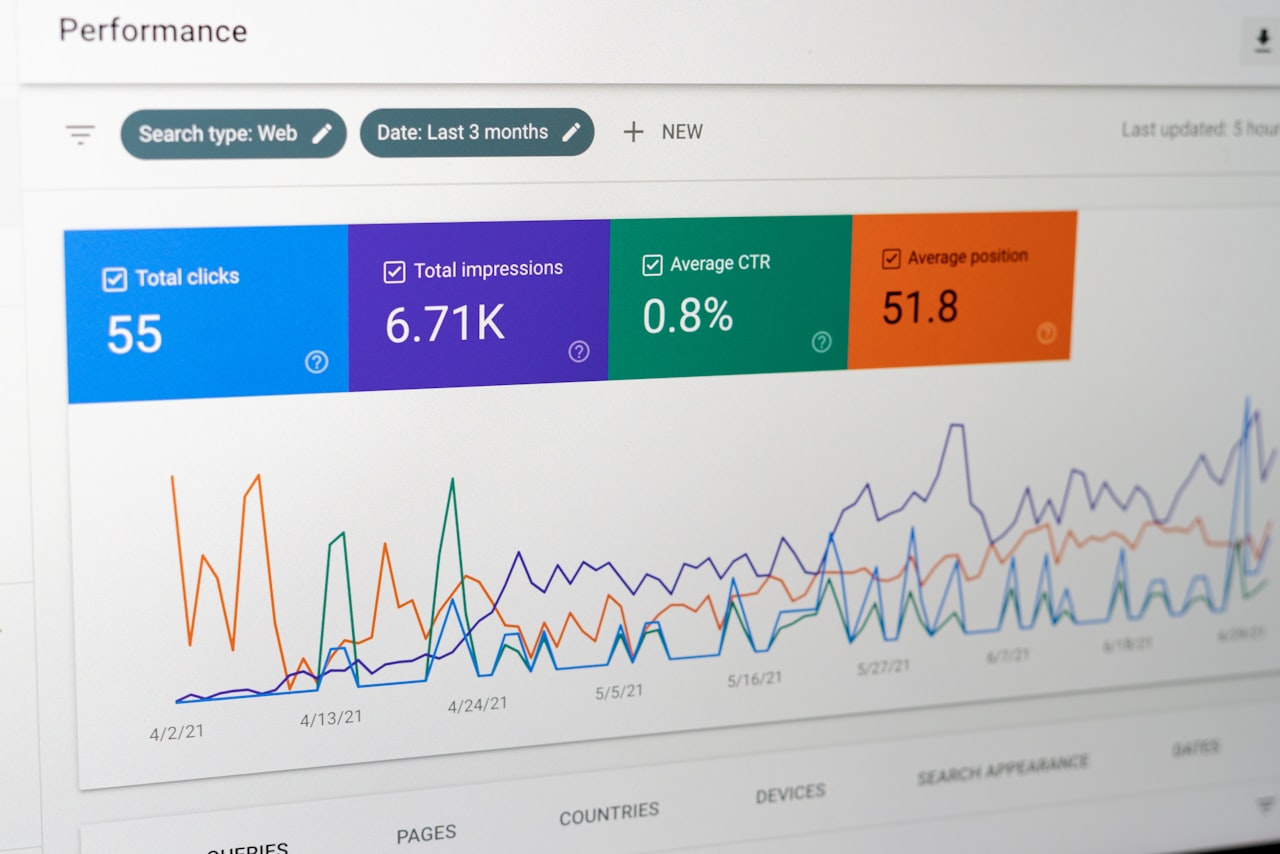
Check Google Search Console for the number of pages receiving impressions and clicks for queries within each topic. As your topical authority grows, you should see more pages appearing for more queries. A site with topical authority SEO strength will show impressions spreading across many pages rather than concentrating on just one or two.
Compare your coverage against competitors. Use Ahrefs’ Content Gap tool to identify subtopics your competitors cover that you do not. The smaller this gap becomes over time, the stronger your relative topical authority. Aim to have the broadest and deepest coverage in your niche within the Singapore search market.
Common Mistakes to Avoid
Publishing volume without quality is the biggest mistake. Some sites attempt to build topical authority by mass-producing thin articles that barely scratch the surface of each subtopic. Google’s systems penalise this approach. Every article in your cluster must provide genuine value and demonstrate expertise that a reader cannot easily find elsewhere.
Ignoring content updates erodes topical authority over time. Topics evolve, and content that was comprehensive two years ago may now be missing important developments. Schedule regular reviews of your cluster content to ensure it remains current, accurate and competitive.
Failing to interlink properly wastes the structural benefits of a content cluster. If your supporting articles do not link to the pillar page or to each other, Google cannot fully understand the relationships between your pages. Internal linking is not optional; it is the mechanism that turns a collection of articles into a coherent topic cluster.
Covering too many topics at once dilutes your authority across all of them. It is better to build deep authority in three to five core topics than to publish shallow content across twenty. Prioritise the topics most relevant to your business and systematically build each cluster before expanding to new subjects. Work with your SEO team to develop a phased roadmap that balances ambition with focus.
Frequently Asked Questions
How many articles do I need to build topical authority?
There is no fixed number. It depends on the breadth of your topic and how thoroughly your competitors cover it. As a general guide, a basic content cluster might have 8-15 supporting articles, while a mature cluster in a competitive niche might have 30 or more. Quality matters as much as quantity.
How long does it take to build topical authority?
Most sites see measurable improvements in rankings and visibility within six to twelve months of consistent cluster-building. The timeline depends on your publishing cadence, content quality, existing domain authority and the competitiveness of your topic. Publishing two to four articles per month is a realistic pace for most SMEs.
Can a small website build topical authority?
Absolutely. Small websites can build authority faster in narrow niches because they can focus all their resources on a single topic. A small site with 30 exceptional articles about email marketing will outperform a large site with two generic articles on the same subject.
Does topical authority replace the need for backlinks?
No. Backlinks remain an important ranking signal. However, topical authority reduces your dependence on backlinks for individual pages. Once your site is recognised as authoritative on a topic, new pages within that topic can rank with fewer backlinks than they would need on a site without topical authority.
How is topical authority different from domain authority?
Domain authority is a third-party metric (from Moz or Ahrefs) based primarily on your backlink profile. Topical authority is a concept related to your content coverage and expertise in specific subjects. A site can have high domain authority but weak topical authority if its content is spread thinly across unrelated topics.
Should I delete old content that does not fit my topic clusters?
Not necessarily. If old content receives traffic or backlinks, keep it but do not prioritise it in your internal linking strategy. If it receives no traffic, no backlinks and does not align with any of your core topics, consider consolidating it into a relevant page or redirecting the URL to a more appropriate page.
How does E-E-A-T relate to topical authority?
E-E-A-T (Experience, Expertise, Authoritativeness, Trustworthiness) is Google’s quality framework, and topical authority is a practical manifestation of it. Building comprehensive, expert content on a subject demonstrates expertise and authoritativeness. Adding author bios, citing sources and including first-hand experience strengthens E-E-A-T signals.
Can I build topical authority with AI-generated content?
AI can assist with content creation, but topical authority requires genuine expertise, original insights and practical advice that AI alone cannot reliably provide. Use AI as a drafting tool, then add human expertise, real-world examples and original analysis. Google does not penalise AI content per se, but it does penalise unhelpful content regardless of how it was created.
What topics should I build authority in first?
Start with topics that are most directly tied to your revenue. If your primary service is SEO, build authority in SEO first before expanding to paid media or social media. This ensures your content investment drives business outcomes while you build the foundation for broader coverage.
Does topical authority apply to ecommerce sites?
Yes. Ecommerce sites build topical authority through product guides, buying guides, comparison articles and educational content related to their product categories. A site selling running shoes that also publishes expert content about training, injury prevention and shoe technology builds topical authority that strengthens product page rankings.