Topic Cluster Model: Organise Content for Maximum SEO Impact
Understanding the Topic Cluster Model
The topic cluster model is a content organisation framework that groups related content into tightly interconnected clusters, each centred on a core topic. Instead of treating every page as an independent entity competing in search on its own merits, the cluster model leverages the collective strength of multiple related pages to build topical authority and compete for both competitive head terms and long-tail keywords simultaneously.
The model was formalised by HubSpot’s research team in 2017, though the underlying principles draw on established information architecture and SEO practices. What the topic cluster framework provides is a systematic, repeatable approach to content organisation that aligns with how modern search engines — particularly Google — evaluate topical expertise.
At its core, the topic cluster model addresses a fundamental shift in search. Google no longer ranks pages in isolation. Its algorithms evaluate the broader context of a page — what other content exists on the same site, how that content is interlinked, and whether the site demonstrates comprehensive knowledge of the subject. The topic cluster model is designed specifically to send these contextual signals with maximum clarity.
The Evolution from Keywords to Topics
Traditional SEO strategy centred on individual keywords: identify a target keyword, create a page optimised for it, build links to that page, and measure its ranking. This keyword-centric approach worked when search engines matched queries to pages primarily through keyword matching. But as Google evolved through Hummingbird, RankBrain, BERT, and MUM, its understanding shifted from individual keywords to topics and entities.
This shift has profound implications. A page about “digital marketing strategy” is no longer evaluated solely on its own keyword optimisation and backlinks. Google now considers whether the site also covers digital marketing channels, measurement, tools, budgeting, and industry-specific applications. Sites that cover the full topic earn a ranking advantage that no amount of single-page optimisation can replicate.
Topic Clusters as an SEO Architecture
Think of topic clusters as an architectural blueprint for your content. Just as a building’s structural design determines its stability and functionality, your content architecture determines your site’s ability to build and communicate topical authority. The topic cluster model provides that structural blueprint — defining which pages to create, how they relate to each other, and how to connect them for maximum search impact.
Why Topic Clusters Outperform Isolated Content
The performance advantage of topic clusters over isolated content is well-documented through both industry research and observable ranking patterns. Understanding why clusters outperform isolated content helps you invest in the model with confidence.

Compounding Authority Signals
When you publish a cluster of 15-20 interlinked articles on a topic, each article reinforces the authority signals of every other article in the cluster. An external backlink earned by any single cluster article distributes equity through internal links to the entire cluster. User engagement on any cluster page — time on site, pages per session, return visits — contributes to the site’s overall quality signals for that topic. This compounding effect means the cluster’s collective ranking power far exceeds the sum of its individual pages’ strength.
Semantic Relevance Reinforcement
Google’s language models evaluate the semantic context surrounding a page. When a page about “email marketing automation” links to and from pages about “email marketing strategy,” “marketing automation tools,” and “lead nurturing workflows,” Google receives strong contextual signals about the page’s meaning and relevance. This semantic reinforcement is impossible for isolated content that lacks topical context on its own site.
Crawl and Indexing Efficiency
Topic clusters create efficient crawl paths. When Googlebot discovers your pillar page, it follows internal links to discover every cluster article. This ensures comprehensive indexing of your topic content and communicates the thematic relationships between pages. Isolated content, especially on large sites, risks being poorly crawled or having its topical relationships misunderstood.
Reduced Keyword Cannibalisation
One of the most common SEO problems on content-heavy sites is keyword cannibalisation — multiple pages competing for the same keyword, diluting ranking potential. The topic cluster model explicitly assigns keywords to pages within a clear hierarchy. The pillar page targets the head term, while cluster articles each target distinct long-tail variations. This deliberate keyword mapping eliminates cannibalisation and focuses ranking signals on the appropriate pages.
Evidence from the Singapore Market
In Singapore’s competitive digital landscape, we observe that businesses implementing topic cluster strategies consistently outperform those relying on isolated content publication. This is particularly evident in professional services, technology, and financial services sectors where topical depth signals credibility to both search engines and discerning Singapore audiences.
Anatomy of a Topic Cluster
A topic cluster consists of three essential components, each serving a specific function within the model.
The Pillar Page
The pillar page is the cluster’s centrepiece — a comprehensive, long-form page (typically 3,000-6,000 words) that covers the core topic broadly. It targets the most competitive head term associated with the topic and serves as the central hub through which all cluster content connects.
Effective pillar pages provide:
- Comprehensive coverage of every major aspect of the topic
- Contextual links to every cluster article for deeper exploration
- Clear structure with navigable sections and a table of contents
- Evergreen content that maintains relevance with periodic updates
Cluster Content (Spoke Articles)
Cluster articles are focused pieces that explore specific subtopics in depth. Each cluster article targets a long-tail keyword related to the pillar topic and provides more detailed coverage than the pillar page offers on that subtopic. Cluster articles typically range from 1,500 to 3,000 words.
A well-designed cluster article:
- Focuses tightly on one subtopic without drifting into territory covered by other cluster articles
- Links back to the pillar page, reinforcing the hierarchical relationship
- Links to 2-5 related cluster articles, creating lateral connections
- Provides unique depth that justifies its existence as a standalone page
The Internal Linking Structure
Internal links are the connective tissue that transforms independent pages into a coherent cluster. Without deliberate internal linking, you have a collection of articles, not a topic cluster. The linking structure communicates three things to search engines:
- Hierarchy: The pillar page is the primary authority on the topic (most internal links point to it).
- Relationships: Cluster articles are semantically related to the pillar topic and to each other.
- Completeness: The cluster covers the topic comprehensively (every subtopic is linked from the pillar).
Supporting Elements
Beyond the three core components, effective topic clusters may include:
- Glossary pages: Definitional content that cluster articles link to for technical terms.
- Case studies: Practical examples that demonstrate the topic’s real-world application.
- Tool and template pages: Practical resources that attract links and engagement.
- FAQ content: Targeted question-answer content that captures featured snippets and voice search queries.
Mapping Your Topic Clusters
Cluster mapping is the strategic process of defining your clusters’ scope, subtopics, and content requirements before any writing begins.
Step 1: Identify Core Topics
Start by listing the 3-7 core topics most central to your business and audience. For a Singapore digital marketing services provider, core topics might include search engine optimisation, content marketing, paid advertising, social media marketing, and web analytics. Each core topic becomes the centre of a separate cluster.
Step 2: Keyword Universe Mapping
For each core topic, build a comprehensive keyword universe using multiple data sources:
- Keyword research tools: Export all keywords related to your core topic from tools like Ahrefs, SEMrush, or Google Keyword Planner. Include questions, modifiers, and long-tail variations.
- SERP feature mining: Extract questions from People Also Ask boxes, related searches, and autocomplete suggestions for your head term and major subtopics.
- Competitor keyword analysis: Identify all keywords for which your top 5 competitors rank within your topic domain. These reveal subtopics and angles you may have missed.
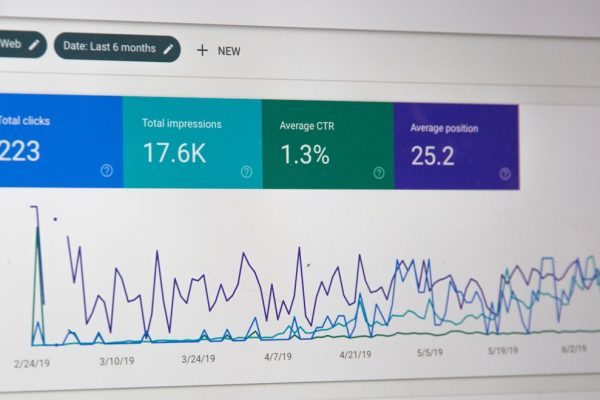
- Search Console data: If you have existing content on the topic, review Search Console queries to identify terms driving impressions but not clicks — these represent untapped opportunities.
Step 3: Group Keywords Into Subtopics
Cluster your keyword universe into thematic groups, with each group representing a potential cluster article. Group based on search intent and semantic similarity, not just keyword overlap. For example, “content marketing ROI” and “measuring content marketing success” belong to the same subtopic group, even though they share few keywords.
Step 4: Validate and Prioritise
Not every subtopic merits a dedicated cluster article. Validate each potential article against these criteria:
- Search demand: Does the subtopic have meaningful search volume (collectively across its keyword group)?
- Content depth: Can you produce 1,500+ words of genuinely valuable content on this subtopic?
- Business relevance: Does the subtopic attract your target audience and support your business objectives?
- Distinctiveness: Is this subtopic sufficiently distinct from other cluster articles to avoid cannibalisation?
Step 5: Document Your Cluster Map
Create a visual cluster map showing the pillar page at the centre, cluster articles surrounding it, and planned internal links connecting them. Include for each article: target keywords, search intent, content format, estimated word count, and priority level. This document becomes your content production roadmap and should be maintained throughout the cluster’s lifecycle.
Building the Pillar-Spoke Architecture
With your cluster map defined, the next phase is building the actual content architecture — beginning with the pillar page and extending through each spoke article.

Pillar Page Development
Develop your pillar page first. This establishes the topical framework that all cluster articles will reference and support. Key development principles:
- Breadth over depth: The pillar page should cover every major subtopic at a useful level of detail, while clearly deferring deep dives to linked cluster articles.
- Natural link integration: Write the pillar page with cluster article links in mind. Each section should naturally reference deeper content that will become cluster articles.
- Keyword balance: Include the primary head term and secondary keywords naturally throughout the content. Avoid over-optimisation — the pillar page’s authority will come from the cluster structure, not from keyword density.
Spoke Article Development
Develop spoke articles in priority order, starting with the subtopics most critical to your cluster’s completeness and business objectives. Each spoke article should:
- Open by establishing its relationship to the broader topic (naturally linking to the pillar page)
- Deliver comprehensive coverage of its specific subtopic
- Reference related subtopics covered by other cluster articles (with contextual links)
- Conclude with practical application or next steps that guide the reader’s journey through the cluster
Content Quality Standards
Maintain consistent quality standards across all cluster content. A single weak article can undermine the cluster’s authority signals — Google’s Helpful Content system evaluates content quality at the site level, not just the page level. Establish minimum standards for research depth, originality, and practical utility. Every article in the cluster should meet the bar of “Would a subject matter expert endorse this content?”
Publication Sequencing
Launch your cluster with a minimum viable set of content — the pillar page plus 5-7 core spoke articles — to establish the cluster’s topical footprint from day one. Then add 2-3 spoke articles per week or fortnight until the cluster is complete. This phased approach balances the need for a meaningful initial launch with the practical realities of content production capacity.
The Internal Linking Framework
Internal linking is the mechanism that transforms a collection of related articles into a functioning topic cluster. A deliberate linking framework is essential — haphazard linking undermines the model’s effectiveness.
Vertical Links: Pillar to Spoke and Back
Vertical links establish the cluster’s hierarchy. The pillar page links down to each spoke article, and each spoke article links up to the pillar page. These bidirectional links communicate to search engines that the pillar page is the primary authority on the topic, supported by detailed cluster content.
Implementation guidelines:
- The pillar page should contain contextual links to every spoke article within the body content.
- Each spoke article should include at least one link to the pillar page, placed where the broader topic is referenced.
- Anchor text for pillar-to-spoke links should include the spoke article’s primary keyword.
- Anchor text for spoke-to-pillar links should include the pillar’s primary keyword or a close variation.
Horizontal Links: Spoke to Spoke
Horizontal links connect related spoke articles to each other, creating a web of topical associations within the cluster. These links reinforce semantic relationships and encourage deeper user engagement with the cluster.
Not every spoke article needs to link to every other spoke article — link only where topical relevance exists. A spoke article about “email marketing segmentation” should link to “email marketing automation” and “email marketing personalisation,” but probably not to “email marketing legal compliance” unless the content naturally bridges those topics.
Cross-Cluster Links
Where topics overlap between clusters, include carefully placed cross-cluster links. A spoke article in your “content marketing” cluster about “SEO content writing” should link to relevant content in your “SEO” cluster. These cross-cluster links prevent silos from becoming too rigid and reflect the natural interconnectedness of related topics.
Use cross-cluster links judiciously. A few well-placed cross-cluster links per article strengthen topical associations. Excessive cross-cluster linking dilutes the topical focus of each cluster. Link to service pages like your content marketing services where naturally relevant as well.
Link Audit and Maintenance
Maintain your internal linking framework actively. When new spoke articles are published, update existing cluster content to include links to the new pages. Conduct quarterly link audits using tools like Screaming Frog to identify:
- Orphan pages (cluster articles with no internal links pointing to them)
- Missing bidirectional links (spoke articles not linking back to the pillar, or pillar not linking to all spokes)
- Broken links within the cluster
- Anchor text patterns that may be over-optimised
Identifying and Filling Content Gaps
Content gaps within your topic cluster represent missed opportunities for both search visibility and topical authority. Systematic gap identification ensures your cluster achieves comprehensive coverage.
Competitor Coverage Analysis
Analyse the content clusters of your top 5 competitors for each topic. Document every subtopic they cover that your cluster does not. These gaps represent potential opportunities, though not every competitor-covered subtopic will be relevant to your audience or business. Prioritise gaps based on search demand, business relevance, and competitive difficulty.
SERP Feature Analysis
Monitor SERP features (People Also Ask, Featured Snippets, Related Searches) for your cluster’s keywords. Questions appearing in PAA that your cluster does not answer represent content gaps. Featured Snippet opportunities for which you have no targeted content represent ranking opportunities. Track these features monthly and incorporate findings into your content expansion roadmap.
Search Console Query Analysis
Review Google Search Console data for impressions on queries related to your cluster topic where you have no matching content. These queries reveal what users are searching for within your topic domain — and what Google considers relevant enough to show your site for — but where you have no content to satisfy the query. These are high-probability content gap opportunities.
User Behaviour Analysis
Analyse user behaviour within your cluster using analytics data. Common patterns that indicate content gaps include:
- High exit rates from specific cluster articles (users may be looking for related content that does not exist)
- Site search queries from cluster page visitors (users are searching for related content they cannot find through navigation)
- Customer questions and support enquiries that relate to your topic but are not addressed by existing content
Systematic Gap Filling
Maintain a prioritised content gap backlog and address gaps systematically. When filling a gap, do not simply create the missing article — also update the pillar page and related cluster articles to link to the new content. A gap filled without proper integration into the cluster structure provides only partial value.
Implementation Roadmap
Implementing the topic cluster model across an existing site requires a phased approach that balances ambition with practical execution capacity.

Phase 1: Audit and Strategy (Weeks 1-2)
Begin with a comprehensive content audit. Catalogue all existing content, categorise it by topic, and assess quality. Identify content that can be repurposed into cluster articles, content that needs significant revision, and gaps requiring entirely new content. Define your cluster topics, map subtopics, and create your cluster architecture document.
Phase 2: First Cluster Build (Weeks 3-8)
Build your first topic cluster completely before starting others. Create the pillar page, publish core spoke articles, implement the internal linking framework, and verify technical implementation (URL structure, schema markup, sitemap). This first cluster serves as your template and proof of concept.
Phase 3: Measurement and Refinement (Weeks 9-12)
Monitor the first cluster’s performance. Track indexing speed, initial rankings, traffic growth, and engagement metrics. Identify what is working and what needs refinement. Use these learnings to optimise your approach before scaling to additional clusters.
Phase 4: Scale (Weeks 13+)
Roll out additional topic clusters using the refined process from your first build. Prioritise clusters based on business impact and competitive opportunity. Maintain quality standards even as production volume increases — a poorly executed cluster is worse than no cluster at all.
Resource Requirements
Realistic resource planning is essential. Building a single topic cluster with 15-20 articles requires approximately 30,000-50,000 words of content, plus planning, editing, and technical implementation time. For Singapore SMEs with limited internal content resources, consider partnering with a professional agency to ensure consistent quality and strategic execution.
Common Implementation Mistakes
- Starting too broad: Attempting to build clusters across all topics simultaneously rather than focusing on one at a time.
- Neglecting internal linking: Publishing cluster content without implementing the linking framework. Without links, you have articles, not clusters.
- Inconsistent quality: Rushing spoke articles to fill gaps at the expense of content quality. Every weak article undermines the cluster.
- Ignoring maintenance: Treating clusters as a one-time project rather than an ongoing asset requiring regular updates and expansion.
- Over-optimising anchor text: Using exact-match keyword anchor text for every internal link rather than natural, varied anchor text.
Frequently Asked Questions
What is the difference between a topic cluster and a content silo?
A content silo strictly separates topics with minimal cross-linking between silos. The topic cluster model encourages cross-cluster linking where topics naturally overlap, reflecting the interconnected nature of most knowledge domains. Topic clusters are generally more user-friendly and produce more natural link architectures than rigid silos.
How many topic clusters should my site have?
Start with 1-3 clusters aligned with your core business offerings and expand from there. The right number depends on your business scope, content production capacity, and topic breadth. A focused Singapore consultancy might need 3-5 clusters. A full-service digital agency might need 8-12. Quality and completeness of each cluster matter more than the number of clusters.
Can I implement topic clusters on a WordPress site?
Yes. WordPress supports topic clusters natively through its page and post architecture, custom taxonomies, and URL structure. Use categories or custom post types to organise cluster content, implement manual internal linking within content, and use SEO plugins (like Yoast or Rank Math) to manage technical elements. The key is deliberate implementation — WordPress does not create cluster architecture automatically.
How long until topic clusters produce ranking improvements?
Most sites see initial ranking improvements within 4-8 weeks of launching a complete cluster. Significant traffic gains typically materialise at the 3-6 month mark as the cluster’s compounding authority effect takes hold. Competitive head terms targeted by the pillar page may take 6-12 months to reach page one. Patience and consistent execution are essential.
Do topic clusters work for e-commerce sites?
Absolutely. E-commerce sites benefit enormously from topic clusters built around product categories, buying guides, and industry knowledge. A Singapore electronics retailer might build clusters around “home audio systems,” “laptop buying guide,” and “smart home technology.” These clusters drive informational traffic that introduces potential customers to the brand before they reach a purchase decision.
Should I restructure my existing URLs when implementing topic clusters?
If possible, adopt a URL structure that reflects your cluster hierarchy (e.g., /topic/subtopic/). However, restructuring URLs on an established site requires careful redirect mapping. If your existing URLs have strong backlink profiles and ranking positions, the risk of migration may outweigh the benefit of cleaner URL structure. You can implement effective topic clusters through internal linking alone, without URL restructuring.
How do I prevent keyword cannibalisation within a topic cluster?
Explicit keyword mapping is the solution. Assign a primary keyword to each page within the cluster and ensure no two pages target the same primary keyword. Use your cluster map document to track keyword assignments. When subtopics overlap, consolidate them into a single article rather than creating competing pages. Regular monitoring of Search Console data helps identify emerging cannibalisation issues.
Can topic clusters help with Google Ads quality scores?
Indirectly, yes. Google Ads quality scores consider landing page experience, which includes content relevance and site quality. A well-structured topic cluster creates landing pages with strong topical relevance, comprehensive content, and excellent user experience — all factors that contribute to higher quality scores. Using cluster pages as ad landing pages can improve quality scores and reduce cost-per-click.
What metrics indicate a topic cluster is working?
Key indicators include: growing aggregate organic traffic across all cluster pages, improving keyword rankings for both head terms and long-tail keywords, increasing pages per session for visitors entering through cluster content, faster indexing and initial ranking for new cluster articles, and growing backlink acquisition to cluster pages. Track these metrics monthly at the cluster level, not just the individual page level.
Is the topic cluster model still effective with AI-generated search results?
Yes — arguably more so. AI-generated search features like Google’s AI Overviews draw on authoritative, comprehensive sources. Sites with strong topical authority established through topic clusters are more likely to be cited in AI-generated responses. The fundamental principle — demonstrating comprehensive expertise through interconnected, high-quality content — aligns with what AI systems need to generate accurate, well-sourced answers.