
Part of our SEO Guides guide →
Why SEO Matters for Tech Companies
Tech companies in Singapore operate in one of the most competitive digital markets in Southeast Asia. Whether you sell enterprise software, developer tools, or consumer hardware, your buyers start their research on Google. If your product does not appear in search results for the problems it solves, you lose deals to competitors who do show up.
The challenge is that most tech companies default to paid channels — Google Ads, LinkedIn, sponsorships — and neglect organic search. Paid campaigns stop generating leads the moment budgets are cut. SEO compounds over time. A single well-optimised product page or technical guide can drive qualified traffic for years without additional spend.
For tech companies working with a specialist marketing agency, SEO is typically the highest-ROI channel over a 12-month horizon. The cost per acquisition drops as content matures, and the leads tend to be higher intent because the buyer actively searched for a solution.
Singapore-based tech firms also benefit from geographic authority. A .sg domain or Singapore-hosted site with locally relevant content can dominate regional queries that global competitors overlook. Terms like “API gateway Singapore” or “cloud hosting Southeast Asia” have real commercial value and less competition than their global equivalents.
SEO for tech companies differs from SEO in other industries. The audience is technically literate, the buying cycle is longer, and the content needs to be precise. Vague marketing copy does not convert developers or CTOs. You need substance, and that substance — when structured correctly — is exactly what Google rewards.
Product-Led SEO Strategy
Product-led SEO means building pages and content around the specific use cases, features, and workflows your product enables. Instead of targeting broad industry terms, you target the queries that describe the exact problems your product solves.
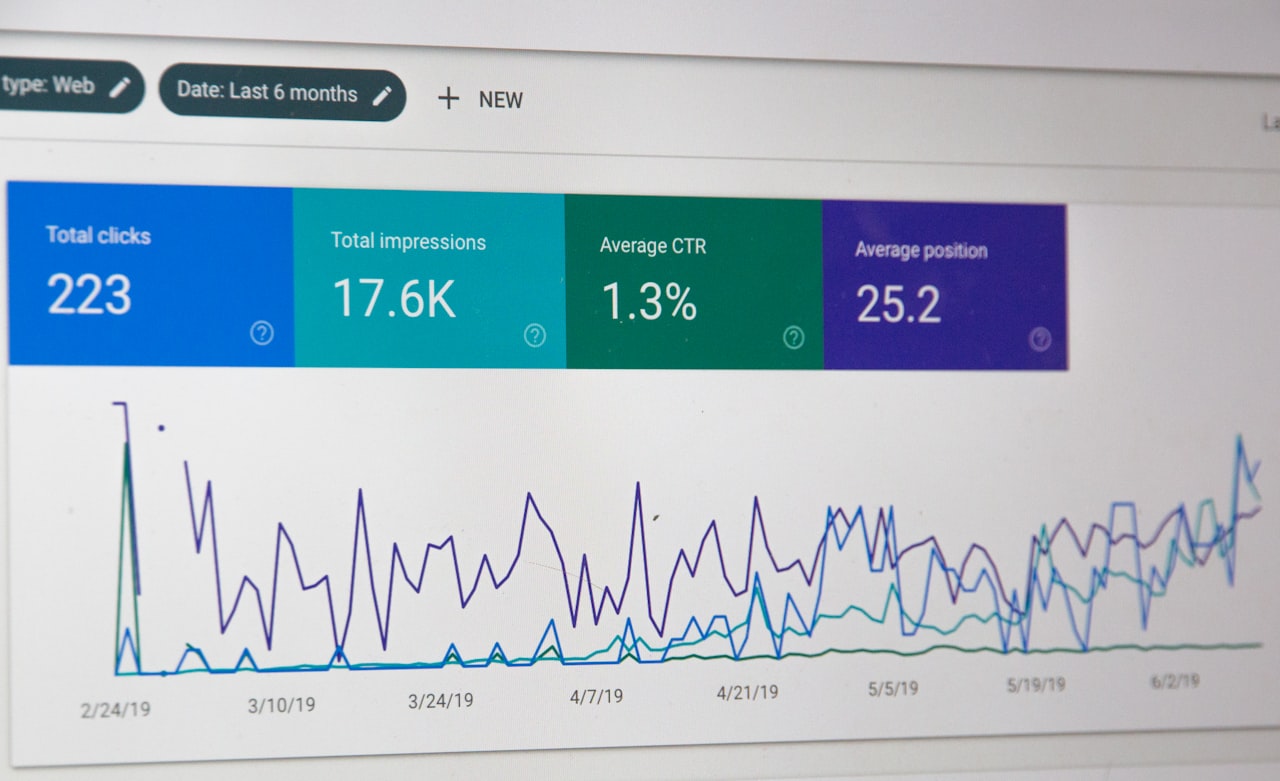
Start by mapping every feature of your product to a search query. If your platform offers automated invoice processing, there are people searching for “automate invoice processing,” “invoice automation software,” and “OCR invoice tool.” Each of these deserves a dedicated landing page.
The structure of a product-led SEO page typically follows this format:
- Problem statement — describe the pain point in the buyer’s language
- Solution overview — explain how your product addresses it
- Feature details — technical specifications that matter to evaluators
- Use case examples — real scenarios, ideally with Singapore or regional context
- Integration information — how it connects to existing tools and workflows
- Call to action — free trial, demo request, or documentation link
For SaaS companies specifically, product-led SEO also includes building free tools or calculators that rank for high-volume queries. A cybersecurity firm might build a free password strength checker. A project management tool might create a free Gantt chart template. These assets attract top-of-funnel traffic that you convert through in-product experiences.
Comparison pages are another product-led SEO tactic that works well for tech companies. Pages like “Your Product vs Competitor A” or “Best [category] tools 2026” capture buyers in the evaluation stage. These pages convert at high rates because the searcher is ready to make a decision.
The key is to be honest in comparisons. Developers and technical buyers can spot biased content immediately. Present genuine differences, acknowledge where competitors excel, and let your product’s strengths speak for themselves.
Technical SEO for Tech Websites
Tech company websites often have unique technical SEO challenges. Single-page applications built with React or Angular can be difficult for search engines to crawl. API documentation platforms may generate thousands of pages with thin or duplicate content. Product dashboards behind login walls create crawl traps.
A solid SEO services programme for a tech company begins with a thorough technical audit. Here are the most common issues and their fixes:
JavaScript rendering. If your site is built as a single-page application, Google must render JavaScript to see your content. While Googlebot can render JavaScript, it is slower and less reliable than server-side rendering. Implement server-side rendering (SSR) or static site generation (SSG) for all pages you want indexed. Use Next.js, Nuxt, or similar frameworks that handle this natively.
Crawl budget management. Tech sites with large documentation sets, changelogs, and API reference pages can waste crawl budget on low-value URLs. Use robots.txt to block staging environments, internal search results, and user-generated demo pages. Prioritise crawling of product pages, blog content, and documentation through internal linking.
Site speed. Tech audiences have zero tolerance for slow websites. A page that takes four seconds to load signals that your product might be equally sluggish. Target sub-two-second load times. Compress assets, implement lazy loading, use a CDN with Singapore edge nodes, and minimise third-party scripts.
Structured data. Implement schema markup for software applications, FAQs, how-to guides, and organisation details. SoftwareApplication schema can help your product appear in rich results with ratings, pricing, and feature highlights.
Canonical tags and pagination. Documentation sites frequently have versioned content (v1, v2, v3). Without proper canonical tags, Google sees these as duplicate pages. Set canonical URLs to the latest version unless users specifically need older documentation.
International targeting. Singapore tech companies often serve multiple markets. Use hreflang tags to signal language and regional targeting. If you have separate pages for Singapore, Malaysia, and Indonesia, hreflang prevents Google from showing the wrong version to each audience.
Developer Documentation as an SEO Asset
Most tech companies treat documentation as a support resource. They park it on a subdomain, restrict indexing, and never think about it from an SEO perspective. This is a missed opportunity.

Developer documentation is one of the most powerful SEO assets a tech company can have. Developers search for solutions constantly — “how to authenticate API requests,” “webhook payload format,” “rate limiting best practices.” If your documentation answers these queries comprehensively, you attract developers who may become users or advocates.
To turn documentation into an SEO asset, follow these principles:
- Host documentation on your main domain. Use yoursite.com/docs rather than docs.yoursite.com. This consolidates domain authority and passes link equity to your commercial pages.
- Write for humans first. Documentation that reads like auto-generated reference material ranks poorly. Add context, explain why certain approaches are recommended, and include practical code examples.
- Optimise page titles and descriptions. Each documentation page should have a unique, descriptive title tag that includes the query a developer would use to find it.
- Include getting-started guides. These rank for broad terms like “how to use [technology]” and serve as entry points into your documentation ecosystem.
- Link from documentation to product pages. A developer reading your API authentication guide should see a natural link to your product’s security features page.
Companies like Stripe, Twilio, and Algolia have built enormous organic traffic channels through documentation. Singapore tech companies can replicate this approach at a smaller scale, especially for regional queries where global competitors have not optimised their documentation.
For a broader perspective on aligning documentation with your marketing goals, our content strategy guide covers how to plan content across different funnel stages.
Content Marketing for Tech Brands
Content marketing for tech companies requires a different approach than for consumer brands. Your audience reads technical blogs, follows industry analysts, and evaluates content based on depth and accuracy. Surface-level articles do not earn trust or links.
The most effective content types for tech company SEO include:
Technical tutorials and how-to guides. These target specific developer queries and demonstrate your team’s expertise. A data analytics company might publish “How to Build a Real-Time Dashboard with Python and Kafka.” This content attracts developers who may need a managed solution — your product.
Industry benchmark reports. Original research ranks well and earns backlinks. Survey your customers, analyse anonymised usage data, or benchmark industry performance. A report like “Singapore SaaS Benchmark Report 2026” positions your brand as an authority and attracts links from industry publications.
Architecture and design pattern articles. Senior engineers search for system design guidance. Content about microservices architecture, event-driven systems, or data pipeline design attracts decision-makers who influence purchasing.
Integration guides. Pages explaining how your product integrates with popular tools (Salesforce, Slack, Shopify, etc.) capture high-intent searches from users actively looking to connect systems. These pages also rank for partner brand queries, expanding your reach.
A strong B2B content marketing programme for tech companies publishes consistently — at least two to four pieces per month — and promotes content through developer communities, LinkedIn, Hacker News, and relevant subreddits.
Content should be technically accurate. Have engineers review or co-author articles. Nothing damages a tech brand’s credibility faster than publishing code that does not work or making incorrect technical claims.
For Singapore-specific content opportunities, consider writing about local regulations that affect technology adoption (PDPA compliance, MAS fintech guidelines), regional infrastructure (AWS and GCP Singapore regions), and local industry challenges that your product addresses.
Link Building for Tech Companies
Backlinks remain a critical ranking factor, and tech companies have natural advantages in earning them. Technical content attracts links from developers, bloggers, and publications. Open-source projects generate links from GitHub profiles, package managers, and community forums.
Effective link building strategies for tech companies include:
Open-source contributions. Publishing open-source tools, libraries, or plugins earns links from package registries (npm, PyPI, Maven), GitHub, and developer blogs that reference your work. Even small utilities can generate dozens of quality backlinks.
Guest posts on tech publications. Sites like TechInAsia, e27, and The Ken cover Singapore’s tech ecosystem. Contributing thought leadership or data-driven articles earns links from high-authority domains.
Developer community participation. Active participation in Stack Overflow, Dev.to, and Hashnode builds brand visibility and earns profile links. Answering questions that relate to your product’s domain establishes expertise.
Partnership and integration pages. When you integrate with another product, both companies typically link to each other’s integration pages. Actively pursue integrations with popular tools in your ecosystem and ensure both parties link to the relevant pages.
Speaking at events and conferences. Singapore hosts numerous tech events (SFF, SWITCH, DevFest). Conference talks generate links from event websites, attendee blogs, and media coverage. Publish your slides on your own site to capture the link equity.
Research and data citations. When you publish original data or benchmarks, journalists and bloggers cite and link to your research. Make data easy to reference by providing clear charts, methodology explanations, and embeddable assets.
Avoid buying links or participating in link schemes. Google is particularly aggressive in penalising tech companies that use manipulative link building, and the reputational damage in a tight-knit tech community can be severe.
Measuring SEO Success in Tech
Tech companies have an advantage in measurement because they typically have strong analytics infrastructure. Use this to go beyond basic traffic metrics and tie SEO directly to revenue.

Key metrics to track:
- Organic traffic to product pages. Not all organic traffic is equal. A thousand visits to your blog is less valuable than a hundred visits to your pricing page. Segment traffic by page type and intent.
- Keyword rankings by funnel stage. Track awareness keywords (educational queries), consideration keywords (comparison queries), and decision keywords (product-specific queries) separately.
- Organic-assisted conversions. Many B2B tech sales involve multiple touchpoints. A prospect might find your blog through organic search, return via a retargeting ad, and convert after a sales call. Attribution modelling helps you understand SEO’s role in the full journey.
- Documentation engagement. Monitor which documentation pages attract the most organic traffic, how long visitors spend, and whether they progress to sign-up or trial activation.
- Cost per organic lead. Calculate total SEO investment (agency fees, content production, tools) divided by organic leads generated. Compare this to your cost per lead from paid channels.
- Backlink velocity. Track new referring domains per month. A healthy tech company SEO programme should see steady growth in quality backlinks.
Set realistic timelines. SEO for tech companies typically takes four to six months to show meaningful results and 12 months to reach full potential. Product-led pages may rank faster if you have existing domain authority, but competitive terms in crowded categories require sustained effort.
Review rankings and traffic monthly, but make strategic decisions quarterly. SEO fluctuates week to week, and reacting to short-term changes leads to poor decisions.
Frequently Asked Questions
How long does SEO take to work for a tech company?
Most tech companies see initial ranking improvements within three to four months and meaningful traffic growth by month six. Competitive categories like cybersecurity, cloud computing, or fintech may take longer. The timeline depends on your existing domain authority, content quality, and the competitiveness of your target keywords. Companies with established domains and strong technical infrastructure tend to see faster results.
Should tech companies host documentation on a subdomain or subdirectory?
Subdirectory (yoursite.com/docs) is almost always better for SEO. Subdomains are treated as separate entities by Google, which means your documentation’s link equity and authority do not benefit your main site. The exception is if your documentation runs on a completely different technology stack that cannot be served from the same domain, but even then, most modern setups can handle subdirectory hosting.
Is SEO worth it for early-stage tech startups?
Yes, but with adjusted expectations. Early-stage startups should focus on long-tail keywords with lower competition rather than trying to rank for broad, high-volume terms. Product-led content, comparison pages, and technical tutorials are the best starting points. The content you create now builds domain authority that pays dividends as your company grows. Start with a focused keyword strategy and scale content production as revenue allows.
How do tech companies balance SEO with product development priorities?
The most effective approach is to integrate SEO into the product development workflow rather than treating it as a separate marketing task. Engineers can contribute to documentation and technical blog posts as part of their sprint work. Product managers can provide input on use-case pages. The marketing team handles keyword research, optimisation, and content strategy. This collaborative approach ensures content is technically accurate without overburdening the engineering team.
What SEO tools are most useful for tech companies?
Beyond standard tools like Ahrefs, SEMrush, and Google Search Console, tech companies benefit from Screaming Frog for technical audits of JavaScript-heavy sites, Google’s Lighthouse for performance monitoring, and schema validation tools for structured data testing. If your site has a large documentation set, a custom internal linking analysis using your own analytics data can reveal opportunities that standard tools miss.