
SEO for Private Schools in Singapore: A Complete Guide to Enrolment Rankings
Why Private School SEO Matters
Singapore hosts over 70 international and private schools, all competing for the attention of expatriate families, locally based parents, and corporate relocators. When a family begins exploring schooling options, their first step is almost always a Google search. If your school does not appear in those results, you are invisible to a significant segment of prospective families.
Private school SEO is the practice of optimising your school’s website so it ranks prominently for queries parents actually use — from curriculum-specific searches to location-based comparisons. Unlike paid advertising, which stops generating visibility the moment you pause spend, strong organic rankings deliver a steady stream of enquiries throughout the admissions cycle.
The stakes are particularly high in Singapore’s education landscape. A single enrolment can represent tens of thousands of dollars in annual fees. Schools that rank on page one for high-intent queries such as “IB school Singapore” or “private primary school Bukit Timah” capture disproportionate enquiry volumes compared to those buried on page two or beyond.
Working with an education marketing agency that understands both SEO mechanics and the nuances of the Singapore schooling market gives you a significant advantage. Generic SEO tactics rarely address the unique challenges schools face — seasonal admissions cycles, multi-language families, and programme-specific decision criteria.
How Parents Search for Schools in Singapore
Understanding parent search behaviour is foundational to any private school SEO strategy. Parents do not search the way consumers shop for products. Their journey is longer, more research-intensive, and often involves multiple decision-makers within the household.

The typical parent search journey follows several stages:
- Awareness stage: Broad queries such as “best international schools Singapore” or “private schools near me.” Parents are building a shortlist and comparing options.
- Consideration stage: More specific queries such as “IB Diploma results Singapore schools” or “British curriculum primary school East Coast.” Parents are evaluating curriculum fit and outcomes.
- Decision stage: High-intent queries such as “school name admissions 2026” or “school name fees.” Parents are close to applying and need practical details.
Expatriate families relocating to Singapore often begin searching months before arrival. Their queries tend to include location modifiers (“international school Orchard Road”), language provisions (“bilingual school Singapore Mandarin English”), or employer-related terms (“international school for expat families Singapore”).
Local Singaporean parents searching for private school alternatives to the MOE system often use comparison-based queries — “MOE vs international school Singapore” or “private school advantages Singapore.” These parents require content that directly addresses their specific concerns about curriculum differences, university pathways, and recognition of qualifications.
One pattern frequently overlooked is the role of forums and community platforms. Parents often search for reviews and discussions, which means queries like “school name review” or “school name parent experience” are valuable. Schools that create transparent, informative content addressing common concerns can capture traffic that might otherwise go to third-party forums.
Keyword Strategy for Private Schools
A robust keyword strategy for private school SEO must account for curriculum types, age groups, locations, and parent intent. Simply targeting “private school Singapore” is insufficient — the competition for that single term is fierce, and the intent is too broad to convert effectively.
Start by mapping keywords to your specific programmes and differentiators:
- Curriculum-based keywords: “IB school Singapore,” “British curriculum school Singapore,” “Montessori preschool Singapore,” “Cambridge IGCSE school.”
- Age-group keywords: “international primary school Singapore,” “private secondary school,” “kindergarten international school.”
- Location-based keywords: “international school Tanglin,” “private school Holland Village,” “school near Sentosa Cove.”
- Feature-based keywords: “bilingual international school Singapore,” “school with boarding Singapore,” “small class size school Singapore.”
- Outcome-based keywords: “IB results Singapore 2025,” “university placement international school Singapore.”
Long-tail keywords are particularly valuable in the education sector because parents search with high specificity. A term like “French international school Singapore primary” has lower volume but extremely high conversion potential because the searcher knows precisely what they want.
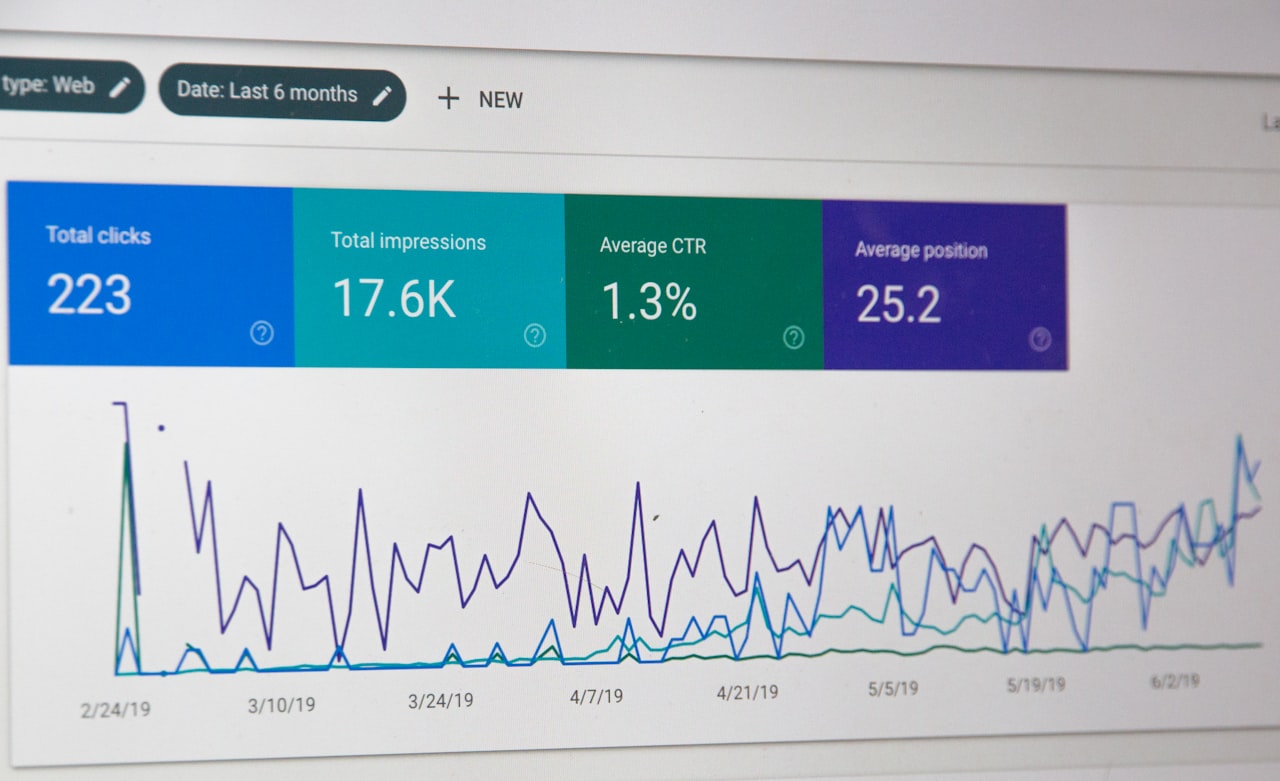
Investing in proper search engine optimisation services ensures your keyword research goes beyond surface-level tools and incorporates actual search console data, competitor gap analysis, and seasonal demand patterns aligned with Singapore’s admissions calendar.
Seasonal keyword trends are worth noting. Search volume for school-related queries typically peaks between January and March (for August/September intake) and again between June and August (for January intake). Plan your content calendar to have fresh, optimised pages live before these peaks.
Programme-Specific Content That Ranks
Every curriculum your school offers deserves its own dedicated, comprehensive page. A single “Academics” page that briefly mentions IB, IGCSE, and other programmes will not rank for any of them. Google rewards depth and specificity.
For each programme, create a page that covers:
- Programme overview: What the curriculum entails, its philosophy, and how your school implements it. Avoid copying descriptions from the IB Organisation or Cambridge — write original content that reflects your school’s approach.
- Age range and progression: Which year groups follow the programme and how students transition between stages (e.g., PYP to MYP to DP).
- Results and outcomes: Average scores, university placement data, and notable achievements. Parents want evidence, not just promises.
- Subject options: List available subjects, especially for programmes like IGCSE and IB Diploma where subject choice matters significantly.
- Differentiators: What makes your delivery of this programme distinctive — enrichment activities, specialist teachers, facilities, or partnerships.
Schools offering specialised tracks, such as a strong arts programme, competitive sports academies, or STEM focus areas, should create dedicated pages for these as well. A page targeting “STEM programme international school Singapore” can capture a niche but highly motivated audience.
Comprehensive SEO for education involves building topical authority around your school’s strengths. If your school is known for exceptional IB results, create supporting content — blog articles about IB preparation tips, extended essay guidance, and CAS project ideas — that collectively signal expertise on the topic.
Each programme page should include a clear call to action directing visitors to book a school tour or start an application. The content should answer parent questions thoroughly enough to move them from research to action.
Local SEO for Schools
Local SEO is critical for private schools because families often prioritise proximity. A school in Bukit Timah competes primarily with other schools in that corridor, not with schools in Changi. Appearing in Google’s local pack (the map results) for neighbourhood-specific queries can drive significant tour bookings.

Key local SEO actions for schools include:
- Google Business Profile optimisation: Claim and fully complete your profile with accurate address, phone number, website, operating hours, and school category. Add photos of your campus, facilities, and events regularly. Refer to our Google Business Profile guide for detailed setup instructions.
- Consistent NAP information: Ensure your school’s name, address, and phone number are identical across your website, Google Business Profile, school directories, and social media profiles.
- Location pages: If your school has multiple campuses, each needs its own page with unique content, embedded map, and campus-specific details.
- Local citations: List your school on Singapore-specific directories — Ministry of Education’s school finder, expatriate community platforms, and school comparison websites.
- Reviews management: Encourage satisfied parents to leave Google reviews. Respond professionally to all reviews. Schools with higher review counts and ratings tend to rank better in local results.
Parent reviews carry particular weight in the education sector. A school with 50 Google reviews averaging 4.5 stars sends stronger trust signals than a competitor with five reviews. Develop a systematic approach to requesting reviews from current families, particularly after positive experiences such as successful university placements or award ceremonies.
For schools located in areas with high expatriate populations — Holland Village, Tanglin, East Coast, Sentosa Cove — optimising for these specific neighbourhood names alongside “international school” can capture highly targeted traffic.
Technical SEO Considerations
Many school websites suffer from technical issues that undermine their SEO potential. Common problems include outdated content management systems, slow page load times due to heavy image galleries, and mobile-unfriendly designs that frustrate parents browsing on their phones.
Prioritise these technical elements:
- Mobile responsiveness: Over 60 percent of parent searches happen on mobile devices. Your site must render perfectly on smartphones and tablets. Test every page, not just the homepage.
- Page speed: Large campus photo galleries and embedded videos can slow pages considerably. Compress images, use lazy loading, and consider serving videos from YouTube or Vimeo rather than self-hosting.
- Site structure: Organise content logically — programmes, admissions, campus life, about us. Use breadcrumb navigation so both users and search engines can follow your site hierarchy.
- Schema markup: Implement EducationalOrganisation schema to help Google understand your school type, location, and offerings. Add FAQ schema to programme pages where you answer common parent questions.
- Internal linking: Connect related pages — link from your IB programme page to your IB results page, to relevant blog articles, and to the admissions page. Strong internal linking distributes authority and guides parents through your content.
- SSL certificate: This is non-negotiable. Parents are sharing personal information during enquiries and applications. A secure site builds trust and is a confirmed ranking factor.
Multilingual considerations also matter. If your school serves families who speak Mandarin, Japanese, Korean, or other languages, consider creating key pages in those languages with proper hreflang tags. A Japanese family relocating to Singapore may begin their school search in Japanese.
Admissions Page Optimisation
Your admissions page is arguably the most commercially important page on your school’s website. It is where research converts into action — yet many schools treat it as a simple form page with minimal content.
An optimised admissions page should include:
- Clear admissions timeline: Key dates for application windows, assessment days, and offer rounds. Update this annually — outdated dates damage credibility.
- Fee information: Parents overwhelmingly want to see fees before applying. Schools that hide fees lose trust. At minimum, provide fee ranges or a downloadable fee schedule.
- Entry requirements: What assessments or documentation are needed for each year group. Be specific about English language requirements for non-native speakers.
- Application process: Step-by-step explanation of what happens after submitting an enquiry. Reduce uncertainty to reduce drop-off.
- Virtual tour option: For overseas families who cannot visit in person, a virtual tour or video walkthrough can be decisive.
From an SEO perspective, target keywords like “school name admissions,” “school name fees 2026,” and “how to apply school name.” These branded queries indicate high intent and should land on a page that immediately provides the information sought.
A broader education marketing strategy integrates your admissions page with email nurture sequences, retargeting campaigns, and open day registrations. SEO brings families to the page; conversion optimisation ensures they take the next step.
Content Marketing for Schools
Blog content and resource pages serve two purposes for school SEO — they capture long-tail search traffic and they build topical authority that strengthens your programme pages’ rankings.
Effective content topics for private schools include:
- Comparison guides: “IB vs A-Levels: Which is better for university?” or “Montessori vs traditional learning.” These high-volume queries bring parents early in their decision journey.
- Relocation guides: “Moving to Singapore with children: A school guide” targets expatriate families at the start of their search.
- Curriculum explainers: “What is the PYP?” or “How does the IGCSE grading system work?” Educational content positions your school as an authority.
- Parent advice: “How to prepare your child for an international school transition” or “Supporting bilingual learning at home.”
- Results and achievements: Annual IB results analysis, university acceptance highlights, and student success stories (with appropriate permissions).
Each piece of content should link naturally to relevant programme pages and the admissions page. A blog post about IB Diploma preparation should link to your IB programme page. A relocation guide should link to your admissions page with information about mid-year entry.
Consistency matters. Schools that publish one blog post per term see minimal SEO benefit. Aim for at least two to four pieces of quality content per month during peak admissions research periods. Quality always trumps quantity — a thorough 2,000-word guide on choosing the right curriculum will outperform ten shallow 300-word posts.
Video content is increasingly important but should complement, not replace, written content. Embed school tour videos, teacher interviews, and student testimonials on relevant pages, but always accompany them with substantial text that search engines can index.
Social proof within content is powerful. Including anonymised testimonials from current parents, data on student outcomes, and case studies of successful alumni adds credibility and keeps readers engaged longer — both of which positively influence rankings.
Frequently Asked Questions
How long does it take for private school SEO to show results?
Most schools begin seeing measurable improvements in rankings and organic traffic within three to six months of implementing a structured SEO strategy. However, the education sector is competitive, and reaching page one for high-volume terms like “international school Singapore” can take six to twelve months. Lower-competition, programme-specific terms tend to rank faster. The key is consistent effort — publishing optimised content, building local citations, and maintaining technical health over time rather than expecting immediate results from a single round of changes.
Should our school target branded or non-branded keywords?
Both, but for different reasons. Branded keywords (your school name plus terms like “fees,” “reviews,” or “admissions”) capture parents who already know about you and are in the decision phase. Non-branded keywords (“IB school Singapore,” “private primary school East Coast”) capture parents in the research phase who may not yet be aware of your school. A balanced strategy ensures you are visible at every stage of the parent journey. Non-branded keywords typically drive new enquiries, while branded keywords support conversion of existing awareness.
Is it worth creating separate pages for each year group?
Yes, particularly if different year groups follow different curricula or have distinct entry points. A dedicated page for “Year 7 admissions” or “Reception class entry” allows you to target age-specific queries and provide tailored information. Parents searching for primary school options have fundamentally different concerns compared to those seeking sixth-form provision. Separate pages let you address each audience directly. At minimum, create distinct pages for early years, primary, secondary, and sixth form or pre-university.
How important are Google reviews for school SEO?
Google reviews significantly influence local search rankings and parent trust. Schools appearing in the local pack (map results) with higher review counts and ratings attract more clicks than those with few or no reviews. Beyond rankings, reviews serve as social proof. A prospective parent reading positive reviews from current families gains confidence in their decision. Develop a systematic process for requesting reviews — after successful events, positive parent-teacher conferences, or milestone achievements. Always respond to reviews professionally, including negative ones, as this demonstrates accountability and care.
Can SEO replace school advertising entirely?
SEO should complement, not replace, paid advertising for most schools. SEO builds long-term, sustainable visibility and typically delivers lower cost-per-enquiry over time. However, it takes months to gain momentum. Paid channels like Google Ads and social media advertising provide immediate visibility, which is essential during tight admissions windows or when launching new programmes. The most effective approach combines both — use paid advertising for immediate reach and specific campaigns while investing in SEO for compounding organic growth that reduces your dependence on ad spend over time.