
SEO for Nonprofits: How to Increase Visibility and Impact on a Budget
Nonprofits in Singapore face a unique challenge. You have a vital mission, dedicated volunteers, and a cause worth supporting — but rarely the marketing budget to match. Every dollar spent on advertising is a dollar that could have gone directly to the communities you serve.
That is precisely why SEO for nonprofits is so valuable. Unlike paid advertising, organic search traffic compounds over time. A well-optimised page can drive donations, volunteer sign-ups, and awareness for months or even years without ongoing ad spend. For resource-constrained organisations, that kind of return is difficult to ignore.
Whether you run a registered charity, a social enterprise, or an Institution of a Public Character (IPC) in Singapore, this guide covers everything you need to build a sustainable SEO strategy that supports your mission.
Why SEO Matters for Nonprofits
Most people discover nonprofits through search. They search for causes they care about, look up volunteer opportunities, or research organisations before making a donation. If your nonprofit does not appear in those search results, you are invisible to a significant portion of your potential supporters.
Consider the typical donor journey in Singapore. Someone reads a news article about environmental conservation, feels moved to act, and searches for “environmental charity Singapore” or “how to volunteer for ocean cleanup.” If your organisation does not rank for those queries, that potential supporter finds a competitor instead.
SEO for nonprofits delivers several distinct advantages over other marketing channels:
- Cost efficiency — Organic traffic does not require ongoing ad spend, making it ideal for tight budgets
- Trust signals — Ranking highly in Google builds credibility with potential donors and partners
- Compounding returns — Content published today continues driving traffic for years
- Intent-driven traffic — People searching for your cause are already interested in supporting it
- Multiple conversion paths — SEO can drive donations, volunteer sign-ups, event attendance, and awareness simultaneously
For nonprofits working with a nonprofit marketing agency, SEO is often the foundation upon which all other digital efforts are built. It is the most sustainable channel for long-term growth.
Keyword Research for Nonprofit Organisations
Keyword research for nonprofits differs from commercial businesses in one critical way: you are not just targeting transactional queries. You need to capture people at every stage of awareness — from those learning about the issue to those ready to donate or volunteer.
Start by mapping your keywords into four categories:
- Cause-awareness keywords — Terms people use when learning about the issue (e.g., “food insecurity in Singapore,” “elderly isolation causes”)
- Organisation-discovery keywords — Terms used to find nonprofits (e.g., “animal rescue Singapore,” “children’s charity near me”)
- Action-intent keywords — Terms from people ready to act (e.g., “donate to education charity Singapore,” “volunteer weekends Singapore”)
- Informational keywords — Terms related to your expertise (e.g., “how to reduce food waste at home,” “signs of elder abuse”)
Free tools like Google Keyword Planner, Google Trends, and AnswerThePublic are excellent starting points. Pay particular attention to Singapore-specific modifiers. “Charity Singapore,” “volunteer Singapore,” and “donate Singapore” are high-value terms that signal local intent.
Long-tail keywords are particularly valuable for nonprofits. While “charity Singapore” is extremely competitive, “animal rescue volunteer opportunities Jurong” is far more achievable and attracts highly motivated supporters.
Do not overlook seasonal keyword opportunities either. Giving season in December, International Volunteer Day, and cause-specific awareness months all create temporary spikes in search volume that you can capitalise on with timely content.
On-Page SEO for Nonprofit Websites
Many nonprofit websites suffer from the same technical issues: outdated content management systems, slow loading speeds, poor mobile experiences, and missing meta data. Fixing these fundamentals can deliver significant ranking improvements without any content creation.
Here are the on-page essentials every nonprofit website needs:
Title tags and meta descriptions. Every page should have a unique, keyword-rich title tag under 60 characters and a compelling meta description under 155 characters. Your donation page, volunteer page, and programme pages are priorities.
Header structure. Use H1 tags for page titles and H2/H3 tags to organise content logically. This helps both search engines and visitors navigate your content.
URL structure. Clean, descriptive URLs perform better than random strings. Use formats like /volunteer-opportunities/ rather than /page?id=347.
Internal linking. Connect related pages throughout your site. Link your blog posts about your cause to your donation page. Link your programme pages to volunteer sign-up forms. This distributes page authority and guides visitors toward conversion.
Mobile optimisation. In Singapore, more than 90% of internet users access the web via mobile. If your donation form is difficult to complete on a phone, you are losing supporters. Test every conversion path on mobile devices.
Page speed. Nonprofit websites often run on shared hosting with heavy plugins. Compress images, enable caching, and consider upgrading your hosting if pages take more than three seconds to load.
A professional SEO service can audit your site and prioritise the fixes that will have the greatest impact on your rankings and conversions.
Content Strategy for Nonprofits
Content is the engine of nonprofit SEO. Unlike commercial businesses that can compete on product features and pricing, nonprofits compete on storytelling, expertise, and emotional connection. That is actually an advantage — Google increasingly rewards content that demonstrates genuine experience and authority.
Build your content strategy around these pillars:
Impact stories. Share detailed accounts of how your organisation has made a difference. Case studies, beneficiary testimonials, and project updates demonstrate real-world impact and build trust with potential donors. These pages also naturally attract backlinks from media outlets and partner organisations.
Educational content. Position your organisation as the authority on your cause. If you work in environmental conservation, publish comprehensive guides on topics like waste reduction, sustainable living, and biodiversity. This content attracts top-of-funnel traffic from people who may later become supporters.
Resource pages. Create definitive resources that other organisations and individuals will reference and link to. A nonprofit focused on mental health might create a comprehensive directory of crisis helplines in Singapore, for example. These pages earn backlinks naturally and serve a genuine public need.
Programme and service pages. Each programme your organisation runs should have its own optimised page with clear descriptions, eligibility criteria, and calls to action. These pages target people searching specifically for the services you provide.
Volunteer and career pages. Optimise these for search terms like “volunteer opportunities Singapore” and related queries. Many nonprofits neglect these pages, yet they are among the most searched-for content related to the sector.
Consistency matters more than volume. Publishing one well-researched, thoroughly optimised article per month will outperform sporadic bursts of thin content. If your team is small, focus on quality over quantity.
For more guidance on building a marketing strategy that supports your mission, see our nonprofit marketing guide.
Local SEO for Singapore Nonprofits
If your nonprofit serves a specific community in Singapore, local SEO is essential. Local search optimisation ensures your organisation appears when people search for causes and services in your area.

Google Business Profile. Claim and fully optimise your Google Business Profile. Add your address, operating hours, photos of your premises and events, and a detailed description that includes your cause and service area. Encourage supporters to leave reviews — social proof is powerful for nonprofits.
Local keywords. Include neighbourhood and district references in your content where appropriate. “Food bank Tampines,” “elderly care services Bedok,” and “youth mentoring programme Woodlands” are examples of localised terms that attract highly relevant traffic.
Community directories. Get listed on Singapore-specific directories such as Giving.sg, the National Volunteer and Philanthropy Centre (NVPC) directory, and relevant community portals. These listings provide both visibility and valuable backlinks.
Event listings. If you host fundraising events, workshops, or volunteer drives, create optimised event pages on your website and list them on platforms like Eventbrite and Facebook Events. Include structured data markup to help Google display your events in search results.
NAP consistency. Ensure your organisation’s name, address, and phone number are identical across every online listing. Inconsistencies confuse search engines and reduce your local ranking potential.
Local SEO is particularly effective for nonprofits because supporters often prefer to give locally. Someone searching for “volunteer near me” in Toa Payoh is far more likely to act than someone who discovers your organisation through a generic national search.
Google Ad Grants for Nonprofits
Google Ad Grants is one of the most underutilised resources available to nonprofits. Eligible organisations receive up to USD 10,000 per month in free Google Search advertising. For Singapore nonprofits, this programme can dramatically increase visibility while complementing your organic SEO efforts.
Eligibility requirements. To qualify, your organisation must hold valid charity status (in Singapore, this typically means registration with the Commissioner of Charities), have a functioning website with substantial content, and comply with Google’s programme policies. Government entities and hospitals are not eligible.
How to maximise your grant. Many nonprofits receive the grant but fail to use it effectively. The most common mistakes include targeting overly broad keywords, writing generic ad copy, and sending traffic to the homepage rather than specific landing pages. Here is how to get better results:
- Target specific, high-intent keywords — Focus on terms where the searcher is likely to take action, such as “donate to children’s education Singapore” rather than just “education”
- Create dedicated landing pages — Build specific pages for each campaign with clear calls to action, whether that is a donation form, volunteer sign-up, or event registration
- Use ad extensions — Add sitelinks, callouts, and structured snippets to increase your ad’s visibility and click-through rate
- Track conversions — Set up conversion tracking for donations, sign-ups, and other key actions so you can measure ROI and optimise campaigns
- Maintain compliance — Google requires a minimum 5% click-through rate, valid conversion tracking, and at least two active ad groups per campaign
Complementing organic SEO. Use your Ad Grant data to inform your organic strategy. Keywords that perform well in paid campaigns are worth targeting with organic content. Conversely, pages that already rank well organically do not need paid support — redirect that budget to terms where you lack organic visibility.
The combination of Google Ad Grants and organic SEO gives nonprofits a significant advantage. You are essentially getting both paid and organic search coverage at minimal cost.
Link Building and Digital PR
Backlinks remain one of the most important ranking factors, and nonprofits actually have a natural advantage in this area. Media outlets, government agencies, educational institutions, and partner organisations are often willing to link to nonprofit websites — you just need to make it easy for them.
Partner and sponsor links. Every corporate sponsor, government partner, and collaborating organisation should link to your website. This is a reasonable request that most partners will happily fulfil. Ensure these links point to relevant pages, not just your homepage.
Media coverage. Proactively pitch stories to Singapore media outlets. Share your impact data, upcoming events, and human-interest stories with journalists who cover social issues. Every media mention that includes a link to your site strengthens your domain authority.
Guest contributions. Offer your expertise to relevant publications. If your nonprofit works in environmental policy, contribute articles to sustainability blogs and news sites. These contributions establish thought leadership and generate valuable backlinks.
Resource link building. Create genuinely useful resources that other websites will want to reference. Research reports, infographics with original data, and comprehensive guides on your cause area are all linkable assets. A well-researched report on the state of homelessness in Singapore, for instance, would naturally attract links from researchers, journalists, and policy organisations.
Community partnerships. Collaborate with other nonprofits, community centres, and educational institutions on joint initiatives. These partnerships naturally generate cross-links and expand your reach to new audiences.
The approach to link building for nonprofits mirrors what works for other resource-constrained organisations. Our guide on SEO for startups covers additional strategies that translate well to the nonprofit sector.
Measuring SEO Success for Nonprofits
Nonprofits need to measure SEO differently from commercial businesses. While traffic and rankings matter, they are means to an end. The metrics that truly matter are tied to your mission.

Donation conversions. Track how many donations originate from organic search traffic. Set up Google Analytics goals or events for completed donation forms. Measure both the number of donations and the average donation value from organic visitors.
Volunteer sign-ups. Monitor how many volunteer applications come through organic search. If your volunteer page ranks well but generates few sign-ups, the problem is likely the page itself rather than the SEO.
Email list growth. Organic traffic is an excellent source of email subscribers. Track newsletter sign-ups from organic visitors and segment them by the content that brought them to your site.
Awareness metrics. For cause-awareness content, track engagement metrics like time on page, scroll depth, and social shares. These indicate whether your content is genuinely educating and engaging visitors.
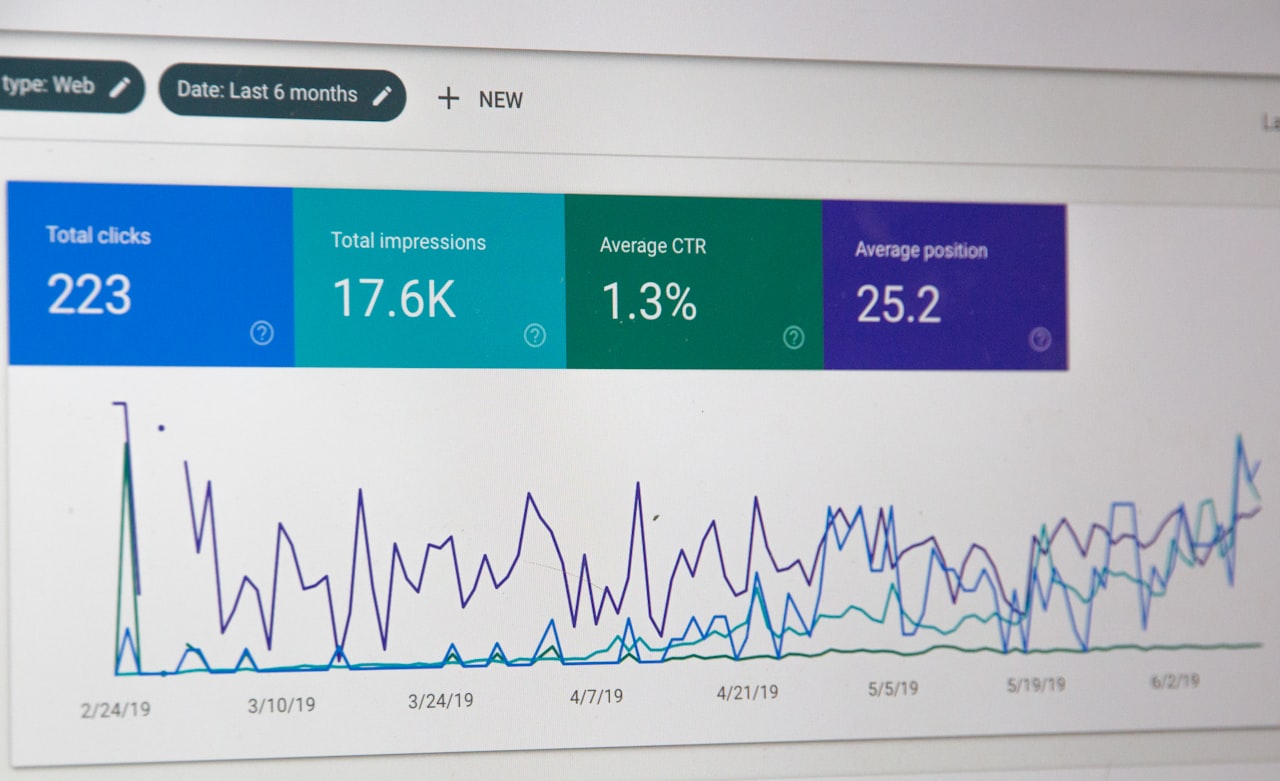
Keyword rankings. Monitor your rankings for priority keywords, particularly those related to donations and volunteer recruitment. Use Google Search Console to track impressions, clicks, and average position over time.
Backlink growth. A growing backlink profile indicates increasing authority and awareness. Track new referring domains monthly and note which content earns the most links.
Set up a simple monthly reporting dashboard that covers these metrics. Share the results with your board and stakeholders to demonstrate the value of your SEO investment. Concrete data — “organic search drove 47 donations worth $12,300 this quarter” — is far more persuasive than vague references to increased traffic.
For nonprofits with limited analytics experience, Google Analytics and Google Search Console are both free and provide more than enough data to measure SEO performance effectively.
Frequently Asked Questions
How much should a nonprofit budget for SEO?
Most Singapore nonprofits can achieve meaningful SEO results with a modest investment. If you have a team member who can dedicate five to ten hours per week to content creation and basic optimisation, you can make significant progress with minimal financial outlay. For organisations that want faster results or lack in-house capacity, working with an agency experienced in nonprofit marketing typically costs less than equivalent commercial engagements, and many agencies offer discounted rates for registered charities.
How long does it take for nonprofit SEO to show results?
Expect to see initial improvements in three to six months, with more significant results at the six to twelve month mark. Technical fixes and on-page optimisation often produce quicker wins, while content-driven strategies take longer to compound. The good news is that once you establish strong rankings, they tend to be relatively stable — especially for nonprofits that consistently publish quality content.
Can small nonprofits compete with larger organisations in search?
Yes, particularly for localised and long-tail keywords. A small nonprofit serving a specific community in Singapore can absolutely outrank larger national organisations for geographically targeted searches. Focus on your niche, demonstrate deep expertise in your specific cause area, and build strong local signals through Google Business Profile and community directory listings.
Is Google Ad Grants worth the effort to set up and maintain?
Absolutely. While it does require ongoing management to maintain compliance, USD 10,000 per month in free advertising is a substantial resource. The key is treating it as a serious marketing channel rather than an afterthought. Dedicate time to keyword research, create proper landing pages, and monitor performance regularly. Many nonprofits find that their Google Ad Grant drives more conversions than their entire organic search presence in the first year, while their organic strategy builds momentum.
What are the most common SEO mistakes nonprofits make?
The most frequent mistakes include neglecting mobile optimisation, failing to track conversions, publishing thin content without keyword research, ignoring Google Business Profile, and treating the website as a static brochure rather than a dynamic marketing tool. Many nonprofits also miss the opportunity to optimise their donation and volunteer pages — the two most commercially valuable pages on any nonprofit website. Fixing these basics before pursuing advanced strategies will yield the best return on your limited resources.