
Part of our SEO Guides guide →
Table of Contents
What Is a Content Hub
A content hub SEO strategy organises your website’s content into structured clusters built around central topics. At the core sits a pillar page, a comprehensive overview of the topic, surrounded by spoke pages that cover specific subtopics in greater depth. Every spoke links back to the pillar, and the pillar links out to every spoke, creating a tightly connected architecture that signals topical authority to search engines.
Think of it as a hub-and-spoke model similar to how airport networks operate. The pillar page is the central hub, and the spoke pages are routes connecting to it. Together they form a comprehensive network that covers a topic from every angle. For example, a digital marketing agency might build a content hub around “SEO” with a pillar page covering the topic comprehensively and spoke pages addressing keyword research, technical SEO, link building, local SEO, and content optimisation.
Content hubs have become increasingly important as Google’s algorithms evolved to prioritise topical authority over individual page optimisation. A single well-optimised page can still rank, but a comprehensive content hub SEO approach covering an entire topic signals to Google that your site is a genuine authority on the subject, which lifts rankings across the entire cluster.
Why Content Hubs Work for SEO
Google’s algorithms assess whether a website covers a topic comprehensively or superficially. A site with one article about SEO competes against sites with hundreds of interlinked SEO articles. The content hub model lets you systematically build the depth and breadth of coverage that signals topical authority, giving you a structural advantage over competitors who publish disconnected blog posts.
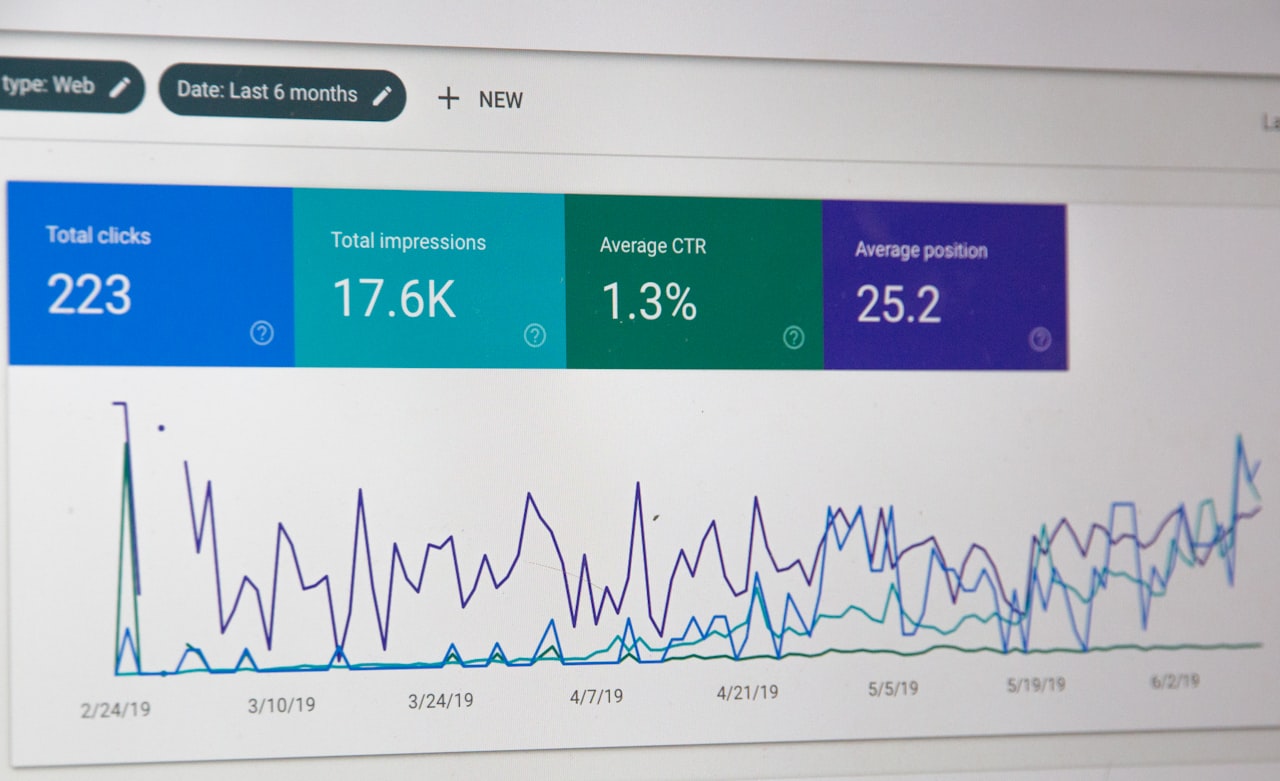
Internal link equity distribution is a key mechanism. Every internal link passes authority between pages. In a content hub, the dense interlinking creates a strong network where any external backlink earned by a single page flows authority to every other page in the cluster. This rising-tide effect means the entire hub benefits from links earned by any individual spoke page.
Content hubs encourage users to explore related content rather than bouncing back to search results. A reader arriving on your spoke page about keyword research might click through to your pillar page, then to another spoke on technical SEO. This increases time on site and pages per session, engagement signals that correlate with higher rankings. Over time, a full hub with 15 to 20 spoke pages can target hundreds of keywords across a topic area, capturing an increasing share of search traffic.
Sites that invest in content hub SEO consistently outperform sites with the same volume of disconnected content. The structure and interlinking make the difference. It is not just about publishing more content but about organising it intelligently. For Singapore businesses competing in dense verticals, this organised approach can provide the competitive edge needed to outrank established competitors with larger content libraries. Integrating hubs into your broader content marketing strategy amplifies the effect.
Planning Your Content Hub Architecture
Choose a hub topic that meets three criteria: it must be broad enough to support at least 10 to 15 spoke pages, it must be relevant to your business and the services you offer, and there must be sufficient search demand across the topic to justify the investment. Use keyword research to validate demand by looking for a cluster of related keywords with meaningful volume rather than a single high-volume head term.
Map every subtopic that falls under your hub topic exhaustively, then group related subtopics and identify overlaps that could cause keyword cannibalisation. For each subtopic, identify the primary keyword, estimated search volume, current ranking position if you have existing content, and the content format that best addresses user intent such as a guide, tutorial, comparison, or list.
Audit your existing content against your subtopic map. You may already have pieces covering some subtopics that can be updated and incorporated into the hub. Identify gaps where new content is needed. Define your pillar page scope to be comprehensive but not exhaustive: deep enough to be valuable on its own while naturally pointing readers to spoke pages for detailed coverage. Pillar pages typically range from 3,000 to 5,000 words.
Before creating any content, map the linking relationships. Every spoke links to the pillar, the pillar links to every spoke, and related spokes link to each other. Document these relationships so nothing is missed during creation. Prioritise spoke pages based on search volume, commercial intent, and competitive position. Aim to have the core hub published within 8 to 12 weeks, starting with the pillar page followed by high-priority spokes. Coordinate with your SEO team to align hub planning with your broader keyword strategy.
Building Effective Pillar Pages
The pillar page is the most important page in your content hub. It serves as both the primary ranking target for your head term and the central node distributing link equity across the entire cluster. It should address every major subtopic within the hub, even if only briefly, functioning as a comprehensive table of contents for the topic.

Use a logical hierarchy with H2 sections for each major subtopic and include a table of contents at the top with anchor links. Every section should contain a contextual link to the corresponding spoke page that feels natural and genuinely helps the reader access more detailed information. Use descriptive anchor text reflecting each spoke’s topic rather than generic phrases.
The pillar page should be your most maintained page. As you add new spoke pages, update the pillar with references and links. As industry trends shift, update the content to remain current. Set a quarterly review cadence at minimum. Optimise the pillar fully for its head term in the title tag, meta description, H1, URL slug, and natural keyword usage throughout.
A common mistake is making the pillar page too detailed. If it covers every subtopic exhaustively, there is no reason for spoke pages to exist. The pillar should be deep enough to rank on its own but concise enough that readers want to click through for more detail. Think of it as an expert overview that establishes authority while creating clear pathways to deeper content.
Creating Spoke Content That Supports the Cluster
Each spoke page should target a distinct keyword or keyword group with no overlap between spokes. If two spoke pages target similar keywords, they cannibalise each other and undermine the hub’s effectiveness. Use your keyword map from the planning phase to ensure clear differentiation and prevent competition between your own pages.
Spoke pages should go significantly deeper than the corresponding section on the pillar page. If your pillar dedicates 200 words to keyword research, your spoke on that subtopic should be 1,500 to 2,500 words of detailed, practical guidance. Analyse the current search results for each spoke’s target keyword and match the format that top-ranking pages use, whether that is a how-to guide, comparison list, or step-by-step tutorial.
Every spoke must link back to the pillar page at least once in a natural, contextual way. This bidirectional linking creates the hub structure that search engines recognise. Additionally, link to related spoke pages within the same hub where it makes sense. Maintain consistent quality across every spoke because a single weak page can undermine the quality signal of the entire cluster.
When working with writers, create detailed briefs specifying the target keyword, search intent, required subtopics, word count range, and internal linking requirements. This ensures consistency across the cluster even when multiple people contribute content. For Singapore-focused hubs, ensure each spoke addresses local market conditions, regulations, or examples where relevant to strengthen E-E-A-T signals and serve your digital marketing objectives.
Internal Linking Architecture for Content Hubs
The internal linking strategy transforms a collection of related articles into a true content hub. Without deliberate linking, you just have a blog with similar topics. The foundational model has three components: the pillar links to every spoke within relevant content sections, every spoke links back to the pillar at least once (ideally early in the content), and related spoke pages link to each other where contextually appropriate.
Use descriptive, keyword-relevant anchor text for internal links. Avoid generic phrases like “click here” or “read more.” Instead, use natural phrases that include the target page’s keywords, such as linking to your keyword research spoke with anchor text like “keyword research process.” Vary anchor text slightly across different links to the same page because repeated exact-match anchors can appear manipulative even for internal links.
If you have multiple content hubs on your site, link between them where topics overlap. A spoke in your SEO hub about content optimisation might link to a spoke in your content strategy hub about editorial calendars. This cross-hub linking extends the authority network across your entire site and helps Google understand the breadth of your expertise.
As your hub grows, links can break, pages can move, and new content can make old links less relevant. Audit internal links quarterly, check for broken links, identify new linking opportunities as you publish additional spokes, and update anchor text if your keyword strategy evolves. Maintaining link integrity is as important as building it initially. Your web design team can help automate broken link detection as part of regular site maintenance.
Measuring Cluster Performance
Measuring a content hub requires evaluating both page-level and cluster-level metrics. At the cluster level, track total organic traffic across all pages in the hub month-over-month, total keywords ranking in the top 10 and top 20, cluster conversion rate compared to your site-wide average, and internal navigation rate showing how often visitors move between hub pages.

At the page level, monitor each spoke’s organic traffic independently to identify underperformers needing content improvements or better internal linking. Track keyword rankings per page and watch for cannibalisation where a spoke is not ranking for its intended keywords but the pillar is capturing those queries instead. Monitor backlink distribution to see which pages earn the most external links and actively promote content that naturally attracts them.
Diagnostic metrics include crawl frequency in Google Search Console, which reveals whether all hub pages are being discovered regularly, and index coverage ensuring every page is indexed. Pages that are rarely crawled may have poor internal linking or low perceived value. Build a dedicated reporting dashboard for each content hub, review performance monthly, and conduct deeper strategic reviews quarterly to prioritise updates and identify new spoke opportunities.
Common mistakes to avoid include keyword cannibalisation between spokes, publishing thin spoke pages that merely restate the pillar’s content, neglecting the linking structure, publishing and forgetting without ongoing maintenance, and trying to build too many hubs simultaneously. Focus on one hub at a time, build it methodically, measure results, and use those learnings to plan your next hub. Over time, your network of interconnected content hubs becomes a formidable competitive advantage in organic search.
Frequently Asked Questions
How many spoke pages does a content hub need?
Most effective hubs have between 10 and 25 spoke pages. The right number depends on the topic’s breadth. Start with 10 to 15 covering the most important subtopics, then expand based on performance data and keyword research. Quality and completeness matter more than quantity: 12 excellent spokes will outperform 25 mediocre ones.
Should I restructure my existing blog into content hubs?
If you have a substantial content library, restructuring into hubs is often the highest-ROI SEO activity available. Group existing articles by topic, identify which topics have enough content to form a hub, consolidate overlapping articles, and implement the internal linking architecture. Many sites see significant ranking improvements from reorganising existing content without publishing anything new.
How long does it take for a content hub to start ranking?
Expect meaningful results within three to six months, with full maturation taking 12 to 18 months. Individual spoke pages targeting less competitive keywords may rank within weeks, while the pillar page targeting the head term may take six months or longer. Early-ranking spokes build authority for the entire cluster, creating a compounding effect over time.
Can a content hub target multiple languages for the Singapore market?
Yes. Create parallel hubs in English and Mandarin or other relevant languages using hreflang tags. Each language version should be a complete hub with its own pillar and spoke pages rather than partial translations. Building multilingual hubs doubles the content investment, so prioritise the language with the highest business impact first.
How do content hubs differ from a regular blog?
A regular blog publishes content chronologically with minimal structural organisation. A content hub is architecturally planned with every piece having a defined role, a specific keyword target, and deliberate internal links connecting it to the cluster. Search engines can understand a hub as a cohesive body of expertise rather than a collection of independent articles.
What is the ideal length for a pillar page?
Pillar pages typically range from 3,000 to 5,000 words. They should be comprehensive enough to demonstrate authority and rank independently but not so exhaustive that they eliminate the need for spoke pages. The pillar’s job is to provide a thorough overview while creating clear pathways to deeper content on each subtopic.
How do I prevent keyword cannibalisation within a content hub?
Define the primary keyword for each page during the planning phase and ensure no overlap. If two pages could target similar keywords, differentiate them by intent: one might cover “how to” while the other covers “best tools for.” Use Google Search Console to monitor which pages rank for which queries and consolidate pages that are competing with each other.
Can I build a content hub around a commercial topic rather than informational?
Yes, and many of the most valuable hubs target commercial topics. A hub around “e-commerce marketing” could include spokes on Shopify marketing, e-commerce SEO, Shopping ads, and conversion optimisation, with each spoke targeting a commercial keyword cluster. The pillar and spokes serve different stages of the buyer journey, from research to decision.
How often should I update content hub pages?
Review the pillar page quarterly and update it whenever you add new spokes or when industry changes make existing content outdated. Review spoke pages every six months for accuracy and relevance. Prioritise updates for pages showing declining traffic or rankings, as staleness is a common cause of gradual ranking loss in competitive Singapore verticals.
What tools help manage content hub planning and tracking?
Use Ahrefs or Semrush for keyword research and gap analysis, Screaming Frog for internal link auditing, Google Search Console for ranking and indexation monitoring, and a spreadsheet or project management tool like Notion for hub planning and tracking. Google Looker Studio works well for building dedicated hub performance dashboards that aggregate data across all cluster pages.