Seasonal Marketing in Singapore: A Month-by-Month Campaign Planner
Table of Contents
- Why Seasonal Marketing Matters in Singapore
- Q1: Chinese New Year, Valentine’s Day and March Holidays
- Q2: Hari Raya, Mother’s Day and Great Singapore Sale
- Q3: National Day and Mid-Autumn Festival
- Q4: Deepavali, 11.11, Black Friday and Christmas
- Budget Allocation Across the Year
- Planning and Execution Tips
- Frequently Asked Questions
Why Seasonal Marketing Matters in Singapore
Seasonal marketing Singapore businesses must master is uniquely dense and diverse. The city-state’s multicultural fabric, combined with its position as a global retail and e-commerce hub, creates a year-round cycle of festivals, sales events, school holidays, and cultural moments that savvy marketers can leverage for sustained growth. Missing even one major seasonal opportunity means handing revenue to competitors who planned ahead.
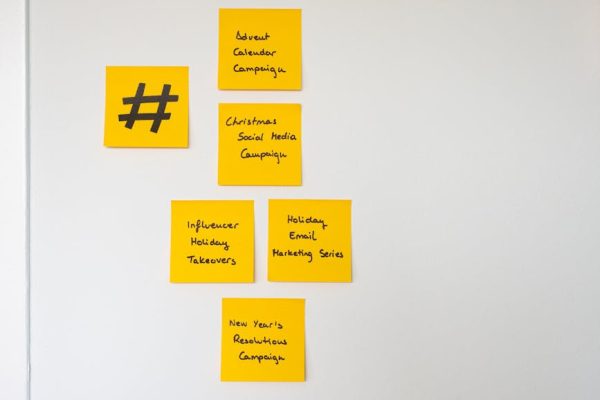
The challenge is not a lack of opportunities but the sheer number of them. From Chinese New Year and Hari Raya to the Great Singapore Sale, National Day, 11.11, and Christmas, there is rarely a month without a significant campaign window. Without a structured plan, businesses end up scrambling at the last minute, producing rushed campaigns that underperform. The most successful brands plan their seasonal marketing twelve months in advance, with creative, media buying, and inventory decisions made well before each event.
Seasonal campaigns should layer on top of your always-on digital marketing activity rather than replace it. Most Singapore businesses allocate sixty to seventy per cent of their marketing budget to always-on activity (ongoing SEO, regular social posting, email nurture, brand campaigns) and thirty to forty per cent to seasonal campaigns. The exact split depends on your industry: retail and e-commerce businesses weight more toward seasonal, while B2B service providers lean toward always-on.
Planning lead times matter enormously. Seasonal campaigns require four to eight weeks for creative development, media booking, and inventory planning. Ideally, your seasonal marketing calendar for the entire year should be drafted in the preceding November or December, with detailed planning for each campaign beginning at least two months before the event.
Q1: Chinese New Year, Valentine’s Day and March Holidays
Q1 is one of the most commercially intense quarters for seasonal marketing Singapore businesses face, driven primarily by Chinese New Year, which is the single most significant spending event in the calendar year.
January sets the tone with New Year resolution campaigns and the build-up to CNY. The first week suits campaigns around fresh starts, goal-setting, and self-improvement across fitness, education, financial planning, and home improvement. By mid-January, CNY preparation begins in earnest. Consumers shop for new clothes, home decorations, reunion dinner ingredients, and gifts for family and business associates. Retailers should launch CNY collections and early-bird promotions. Service businesses can offer pre-CNY scheduling for beauty treatments, home cleaning, and catering.
February brings the CNY peak and Valentine’s Day. CNY spending intensifies in the two weeks before the festival, with campaign messaging centred on reunion, prosperity, and family. Red and gold colour schemes dominate creative assets. Key product categories include fashion, jewellery, beauty, food and beverages, electronics, and home goods. Post-CNY campaigns targeting ang pow money and return-to-work offers can extend the commercial window. Valentine’s Day (14 February) drives spending on dining, flowers, gifts, and experiences. Launch Valentine’s campaigns by late January and maintain them through 13 February to capture last-minute buyers.
March is a transitional month with the one-week school holiday providing a campaign window for family-oriented businesses. After the spending intensity of January and February, many consumers are in recovery mode. This is a good time for value-oriented messaging and educational content. International Women’s Day (8 March) is increasingly significant for brand campaigns in beauty, fashion, wellness, and professional development. Advertising costs typically drop in March, making it efficient for always-on campaigns and content marketing efforts.
Advertising costs in Q1: Google Ads and social media costs rise sharply in the second half of January through mid-February as CNY campaigns compete for inventory. Book media placements early and consider front-loading spend to capture early-bird shoppers at lower CPCs before the peak bidding war begins.
Q2: Hari Raya, Mother’s Day and Great Singapore Sale
Q2 features a diverse mix of cultural and commercial events that require thoughtful planning and cultural sensitivity in your marketing approach.
April centres on Hari Raya Aidilfitri, marking the end of Ramadan. The Ramadan period itself is a campaign opportunity with bazaars, iftar dining promotions, and charitable initiatives. Fashion and beauty brands target Hari Raya outfit preparation during Ramadan, as many consumers shop well in advance. Hari Raya campaign themes centre on homecoming, forgiveness, family, and celebration, with green and gold colour schemes. Cultural sensitivity is paramount: avoid stereotypes, ensure cultural references are accurate, and collaborate with team members who understand the traditions deeply.
May brings Mother’s Day (second Sunday) and the Labour Day holiday. Mother’s Day is a major gifting event driving demand for flowers, spa treatments, dining experiences, jewellery, and personalised gifts. Launch campaigns by mid-April to capture planners, and maintain advertising through the day before for last-minute shoppers. The Labour Day long weekend drives demand for short getaways, dining, entertainment, and retail. Campaign messaging should emphasise gratitude and appreciation rather than aggressive hard-sell promotions.
June is one of Singapore’s most commercially active months, with the Great Singapore Sale and the four-week school holidays creating sustained consumer spending. The GSS remains a powerful marketing hook for retailers across online and offline channels. E-commerce platforms can create GSS landing pages, bundle deals, and exclusive offers. The June school break drives demand for family activities, travel, enrichment programmes, and entertainment. Father’s Day (third Sunday of June) offers additional campaign opportunities, particularly for electronics, grooming products, and dining experiences.
Tie your Q2 seasonal campaigns to your broader social media marketing strategy, as visual platforms like Instagram and TikTok perform exceptionally well during festive periods when shareable, emotionally resonant content drives organic amplification.
Q3: National Day and Mid-Autumn Festival
Q3 is anchored by National Day, one of Singapore’s most emotionally charged marketing windows, and the Mid-Autumn Festival.
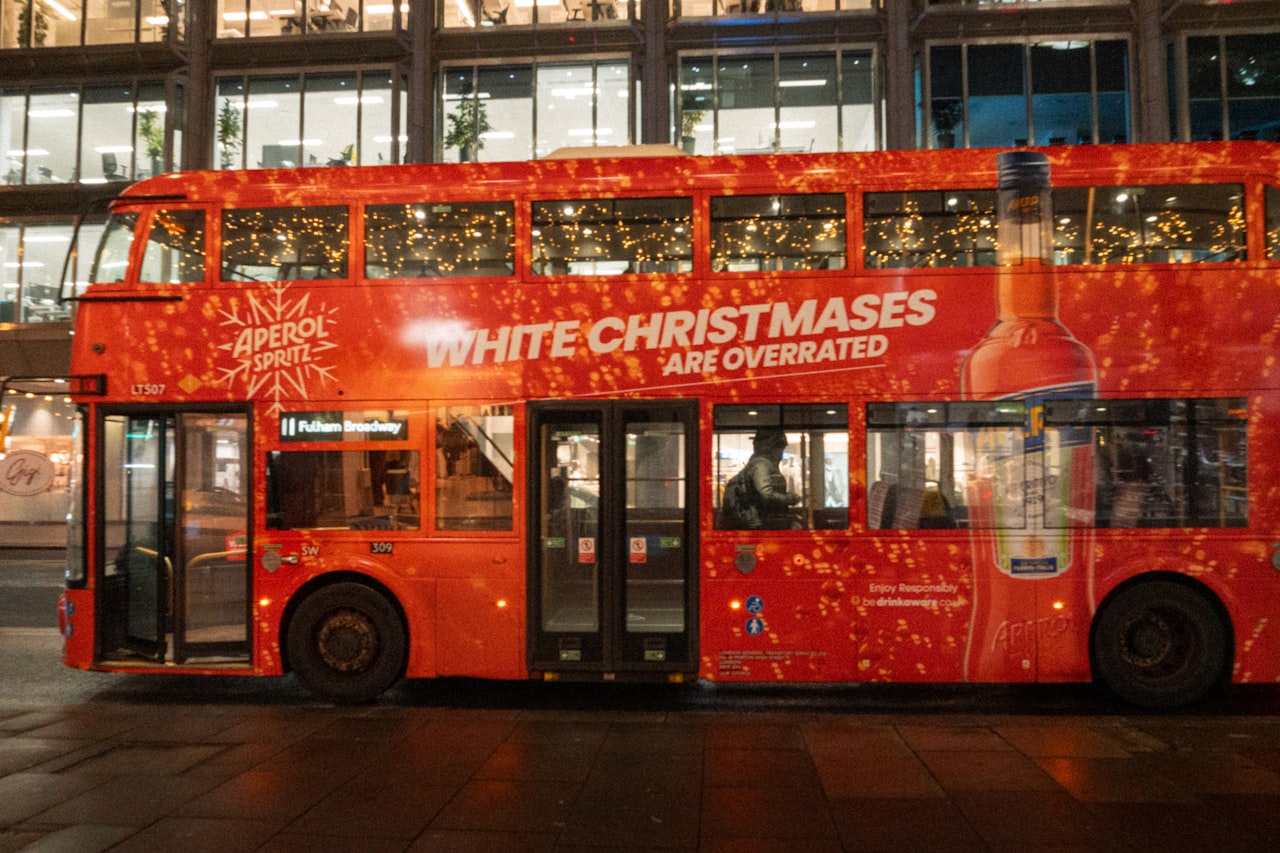
July and August revolve around National Day (9 August). Patriotic sentiment begins building in July as NDP rehearsals, community events, and media coverage increase. Brands incorporate red and white into their creative, launch Singapore-themed products, and promote National Day sales. Campaign themes should celebrate Singapore’s identity, achievements, and community spirit. Limited-edition products, National Day bundles, and patriotic promotions perform well when they feel authentic rather than exploitative. Locally owned businesses have a natural advantage during this period with “Proudly Singaporean” messaging and support-local campaigns.
September features the Mid-Autumn Festival, a cultural event with significant commercial implications for the food and gifting sectors. Mooncake sales represent a major revenue category for bakeries, hotels, and food brands. Corporate gifting of mooncakes to clients and partners is a widespread business practice in Singapore. Mooncake marketing typically begins six to eight weeks before the festival, with early-bird promotions, pre-order discounts, and limited-edition flavours driving advance sales. Beyond mooncakes, the festival also presents opportunities for lantern sales, family dining promotions, and cultural event ticketing.
Q3 is typically the lightest quarter for advertising spend, which means lower costs and less competition for attention. Smart marketers use this window to test new creative approaches, build remarketing audiences, and invest in SEO efforts that compound over time. National Day-themed social media content consistently generates high engagement, making it an efficient period for organic reach.
Q4: Deepavali, 11.11, Black Friday and Christmas
Q4 is the most intense quarter for consumer spending and advertising competition, with back-to-back events creating a sustained commercial frenzy from October through December.
October brings Deepavali and Halloween. Deepavali, the Hindu Festival of Lights, is a significant cultural and commercial event with the Little India precinct coming alive with decorations and bazaars. Key product categories include traditional attire, jewellery, home decor, sweets, and gifts. Launch campaigns three to four weeks before the festival with culturally sensitive, respectful messaging. Halloween has grown significantly as a commercial event among younger demographics, driving spending on themed events, costumes, and limited-edition products with strong Instagram and TikTok potential.
November is the most intense month for e-commerce and retail promotions. 11.11 (Singles’ Day) has become a massive shopping event in Singapore through platforms like Shopee and Lazada. Build anticipation with teaser campaigns starting in late October, offer early access to loyalty members, and structure deals across the day with flash sales and hourly specials. Black Friday and Cyber Monday extend the promotional window later in the month. With 11.11 and Black Friday falling in the same month, differentiate your campaigns through unique value propositions and bundled offerings rather than competing purely on discount depth.
December closes the year with 12.12, Christmas, and New Year’s Eve. The 12.12 shopping event serves as the final major e-commerce event, with many consumers using it for last-minute Christmas shopping. Christmas retail spending peaks in the first three weeks of December across gifts, fashion, electronics, food, and experiences. NYE drives spending on dining, nightlife, and entertainment. December is also the time for year-in-review content and annual planning for the following year’s seasonal calendar.
Q4 advertising costs are among the highest of the year. Plan media buying well in advance, ensure campaigns are highly targeted to maximise efficiency, and consider front-loading some spend to capture audiences before peak competition windows.
Budget Allocation Across the Year
Effective seasonal marketing requires a budget allocation strategy that matches spending to opportunity rather than distributing it evenly across months.
For most Singapore businesses, budget weighting follows this pattern: Q1 receives twenty-five to thirty per cent, driven by CNY. Q2 receives twenty to twenty-five per cent, supported by Hari Raya, Mother’s Day, and GSS. Q3 receives fifteen to twenty per cent, with National Day as the primary peak. Q4 receives thirty to thirty-five per cent, the largest share, driven by the concentration of major shopping events from October through December.
Set aside five to ten per cent of the annual budget as a flexible reserve for unexpected opportunities: trending moments, viral content opportunities, competitor responses, or underperformance in planned campaigns. This reserve provides agility without disrupting your planned seasonal activity.
During seasonal peaks, shift budget toward high-intent channels like Google Ads search campaigns and retargeting. During quieter periods, invest more in awareness and content channels that build long-term equity. Social media advertising should increase during visually rich seasonal periods such as CNY, National Day, and Christmas when festive creative drives high engagement and sharing.
After each seasonal campaign, conduct a thorough performance review. Compare actual results against targets, calculate ROI, and document key learnings. Use this data to refine budget allocation for the following year. Seasonal marketing performance typically improves year over year as your understanding of consumer behaviour and optimal timing deepens.
Planning and Execution Tips
Create a master seasonal calendar in the preceding November or December that maps every event, campaign window, creative deadline, and media booking date for the year ahead. Share this calendar with all stakeholders including your marketing team, creative agency, media buyers, and inventory managers. Alignment across functions prevents the last-minute scrambles that undermine campaign quality.

Develop creative templates and brand guidelines for each major seasonal period. Having a pre-approved colour palette, messaging framework, and asset library for CNY, National Day, and Christmas allows faster execution when campaign development begins. Invest in a well-produced video advertisement for at least one major seasonal period per year, as festive video content in Singapore can generate millions of views and exceptional brand affinity.
Build seasonal landing pages on your website at least two weeks before each campaign launches. These pages should be optimised for seasonal keywords and serve as the destination for your paid and organic campaigns. A dedicated landing page for “Chinese New Year gifts Singapore” or “11.11 deals” performs significantly better than sending seasonal traffic to your homepage. Ensure your web design supports fast page loads during high-traffic seasonal periods.
Leverage user-generated content during cultural festivals. Campaigns inviting customers to share their CNY traditions, National Day memories, or Deepavali celebrations drive organic engagement at minimal cost while building authentic community connections. Repost and feature the best submissions across your social channels and marketing materials.
Frequently Asked Questions
How far in advance should I plan seasonal campaigns in Singapore?
Plan your annual seasonal calendar twelve months in advance with high-level themes, budgets, and key dates mapped out. Detailed campaign planning including creative development, media booking, and content production should begin six to eight weeks before each event. For major events like CNY, 11.11, and Christmas, start detailed planning three months ahead.
Should I participate in every seasonal event?
Not necessarily. Participate in events relevant to your target audience where you can add genuine value. A B2B software company does not need a Halloween campaign but might benefit from National Day or year-end budget planning content. Focus on events where your audience is most active and your products have the strongest seasonal fit.
How do I handle cultural sensitivity across multiple festivals?
Research each festival thoroughly, involve team members from the relevant cultural background, and consult external cultural advisors when needed. Avoid stereotypes, use accurate imagery and language, and focus on universal themes like family, celebration, and gratitude. Authentic participation builds genuine brand affinity while tokenistic campaigns backfire.
What is the best channel for seasonal marketing in Singapore?
The best channel depends on the event and your audience. Social media excels for visually rich festivals like CNY, Deepavali, and Christmas. Google Ads captures high-intent seasonal searches. Email marketing is effective for existing customers, especially for early-bird promotions and gift guides. A multi-channel approach delivers the best results.
How do I measure the ROI of seasonal campaigns?
Compare incremental revenue generated during the campaign period against total campaign cost including media spend, creative production, discounts, and labour. Use attribution modelling to connect conversions to specific campaign touchpoints. Compare performance against the same period in previous years, accounting for market growth and other variables.
What percentage of my budget should go to seasonal versus always-on marketing?
Most Singapore businesses should allocate sixty to seventy per cent to always-on activity and thirty to forty per cent to seasonal campaigns. Retail and e-commerce businesses may weight more toward seasonal (up to fifty per cent), while B2B service providers typically allocate eighty per cent or more to always-on activity.
How do I stand out during high-competition periods like 11.11?
Differentiate through unique value propositions, bundled offerings, experiential incentives, or charitable tie-ins rather than competing purely on discount depth. Build anticipation with teaser campaigns starting two to three weeks before the event. Offer early access to loyalty members and use urgency-driven creative with countdown timers and limited-quantity messaging.
Are there any quiet periods in the Singapore marketing calendar?
March and September are typically the quietest months with fewer major events and lower advertising competition. Use these periods for brand-building activity, content development, audience testing, and SEO investment. Lower CPCs during these months make them efficient for testing new creative approaches and expanding your remarketing audiences.
How do I adapt seasonal campaigns for both online and offline channels?
Create a unified campaign theme that works across channels, then adapt creative and messaging for each touchpoint. Online channels drive awareness and consideration, while in-store experiences can close the sale with exclusive in-person offers. Use QR codes, location-based targeting, and click-and-collect options to bridge the online-offline gap during seasonal peaks.
What common mistakes should I avoid with seasonal marketing in Singapore?
The biggest mistakes are starting too late, spreading budget too thin across too many events, using culturally insensitive messaging, and failing to document learnings for next year. Also avoid going dark after a seasonal peak. Maintain always-on activity between events to keep your brand visible and your remarketing audiences warm for the next campaign.