Overview
Made Good Designs (madegooddesigns.com) is a design-resource publication serving graphic designers, content creators and small-business owners — font pairings, Canva resources, typography guides and design-tool reviews. We ran the launch SEO engagement from a cold start, in one of the densest content verticals on the open web, where Canva’s own help content, Google Fonts documentation and a decade of established design blogs had already claimed the obvious ground.
Project Snapshot
- Sector: Digital publishing — design resources
- Engagement: Launch SEO in a saturated content vertical
- Timeline: First 30 days from cold start
- 4,900+ active users from a zero baseline
- 2,100 organic search sessions in the first month of a brand-new domain
The Challenge
A new publication with no topical authority cannot win generic categories like “best fonts” against Adobe and twenty incumbent blogs. The lever in this vertical is queries where commercial intent hides behind informational framing — “best Canva fonts and free alternatives” is a user one step from a subscription or font licence; “Montserrat font pairings” is a user mid-project who will click the first result that actually answers. The brief: measurable launch traction inside 30 days, in a niche where volume-chasing does not work.
Our Approach
- Topic selection over topic volume — prioritised queries with real commercial intent and thinner-than-they-look competitive sets, over high-volume generic categories.
- On-page fundamentals done properly — title patterns matched to query patterns, clean H-hierarchy for scanning readers, and lateral internal linking between related font guides so a single-page visit becomes a session and ranking signal compounds across the library.
- Link-building inside the vertical — placements in design and creator-tools publications and communities, where topical relevance is the signal that matters, not raw domain rating.
The Results
Across the first 30 days from launch:
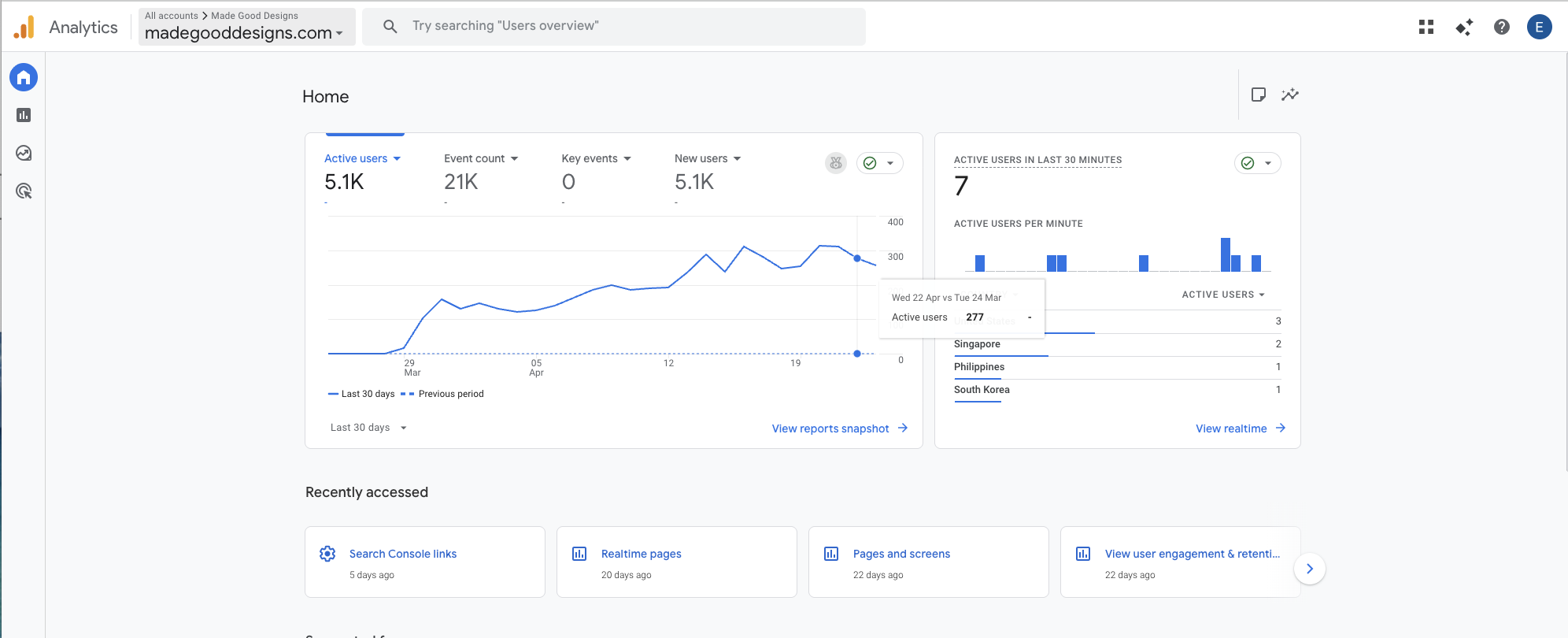
- 4,900+ active users from a zero baseline
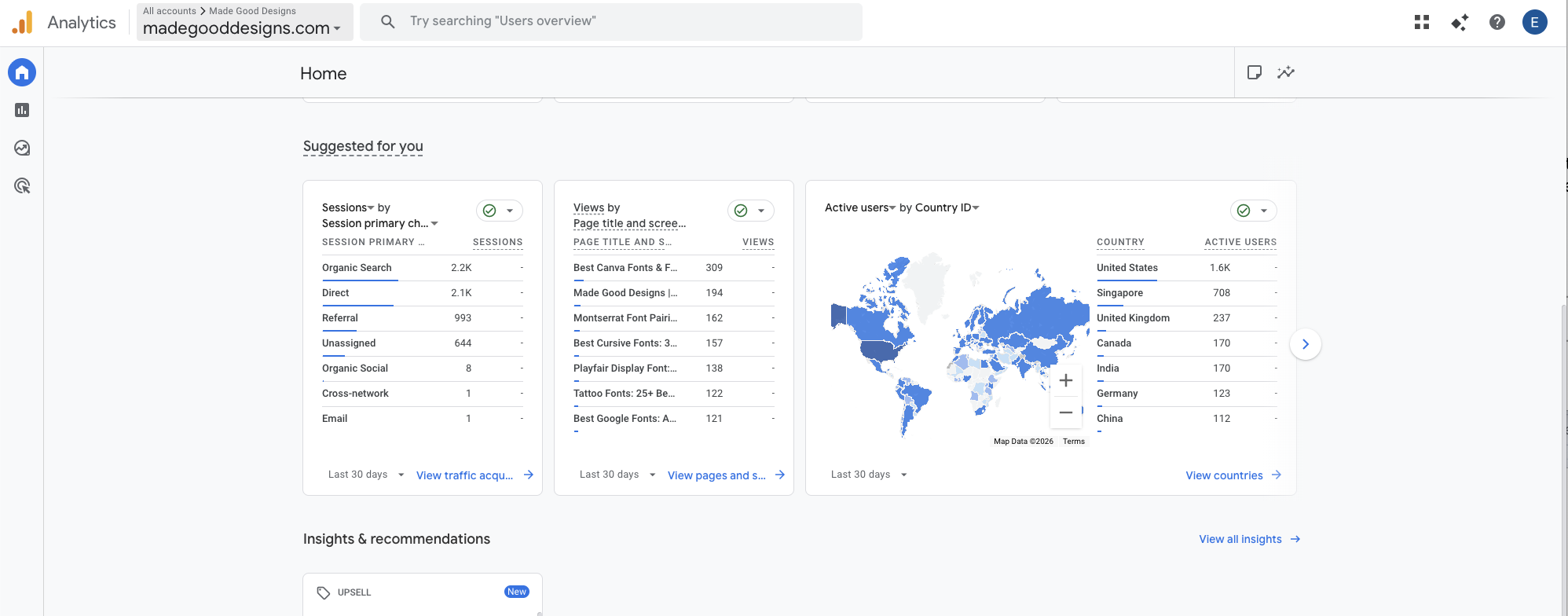
- 2,100 organic search sessions in the first month of a brand-new domain
- 300+ daily active users by the end of the window
- The commercial-intent topic bias means the traffic carries a monetisation path — affiliate, referral and template revenue — rather than being a pure traffic play
Why This Worked
Design resources may be the single most saturated content vertical on the open web — Canva’s own help centre, Google Fonts documentation and a decade of established blogs already own the generic ground. A new publication chasing “graphic design tips” would have burned its launch budget ranking nowhere. The engagement worked because topic selection did the strategic heavy lifting: queries were chosen where commercial intent hides behind informational framing and where the competitive set is thinner than it looks.
“Best Canva fonts and free alternatives” reads like a tutorial; the searcher behind it is one step from a Canva Pro subscription or a font licence. “Montserrat font pairings” reads like browsing; the searcher is mid-project and will click whatever genuinely answers. Prioritising that layer of demand gave a zero-authority domain queries it could actually win in month one — and gave the publisher a monetisation path through affiliate and referral revenue rather than a pile of unmonetisable traffic.
Structure carried the rest: title patterns matched to query patterns, clean heading hierarchy for scanning readers, and lateral linking between related font guides so one visit becomes a session and ranking signal compounds across the library. Link-building stayed strictly inside the design and creator-tools vertical, where topical relevance outweighs raw domain-rating numbers.
Key Takeaways
- In saturated verticals, topic selection is the strategy — pick queries where intent is real and competition is thinner than it looks.
- Commercial intent often wears informational clothing; learn to see through the framing.
- Lateral internal linking turns a resource library into a session machine, compounding signal across every page.
- A topically-relevant link from a niche publication beats a generic high-DR link for category rankings.
Frequently Asked Questions
How does a brand-new site rank against established design blogs at all?
By competing where they aren’t: long-tail pairing and comparison queries that incumbents treat as beneath their content calendars, answered better and structured tighter. Authority on the long tail accumulates into eligibility for progressively bigger queries.
What made the first 30 days measurable rather than anecdotal?
Analytics from day one: 4,900+ active users, 2,100 organic search sessions and a ramp past 300 daily active users, all attributable by source and landing page. Launch claims without that instrumentation are guesses.
Is design-resource content monetisable beyond ads?
Yes — that was the point of the topic bias. Font-marketplace affiliations, tool referrals and template products all sit one click from the queries chosen, which is what separates a media asset from a traffic trophy.
Would this launch playbook transfer to other content publishers?
Directly. Any new publication entering a crowded vertical — recipes, personal finance, travel — faces the same choice between chasing saturated head terms and mining intent-rich long-tail seams. The seams win.
What does ‘commercial intent behind informational framing’ mean?
Queries that read like tutorials but precede purchases: someone searching free alternatives to Canva Pro fonts is comparing a subscription against free options; someone searching best cursive fonts is choosing one for a wedding invitation or product label they’re about to order.
Why does lateral linking matter for a font library?
Readers scanning Montserrat pairings are one decision from needing Playfair Display pairings or the Best Google Fonts overview. Lateral links turn a single answer into a session — and the session behaviour feeds ranking signal across the whole library.
What link building suits a new design publication?
Placements inside the design and creator-tools vertical — niche publications, round-ups and communities — where topical alignment carries the ranking weight. A generic high-DR link from outside the vertical impresses dashboards, not the design-content SERP.
What would the second quarter of this programme look like?
Compounding the launch seams: deepening the font-pairing library where session data shows appetite, expanding into the adjacent tool-comparison queries as topical authority matures, and converting the strongest-performing pages into revenue surfaces with affiliate placements — the sequence the first 30 days’ data was designed to inform.