Product Listing Optimisation: How to Write Titles and Descriptions That Convert
Table of Contents
Why Product Listing Optimisation Matters
Product listing optimisation is the process of refining your product titles, descriptions, images, and backend keywords to maximise visibility in search results and convert browsers into buyers. Whether you sell on Shopee, Lazada, Amazon, or your own e-commerce site, the quality of your product listings directly determines how much traffic you receive and what percentage of that traffic converts into sales.
On marketplace platforms, product listings serve dual functions. They must contain the right keywords to appear in search results, and they must persuade the consumer to click through and buy once they find your product. A listing that ranks well but fails to convert wastes advertising spend. A beautifully written listing that nobody can find generates zero revenue. Effective optimisation balances both discoverability and conversion.
The impact is measurable and significant. Sellers who invest time in optimising their listings consistently outperform those who do not, even when selling identical products. In competitive categories, the difference between a well-optimised listing and a mediocre one can mean a three to five times difference in sales volume. For businesses investing in paid advertising or SEO, listing optimisation ensures that the traffic you drive actually converts into revenue.
Writing Titles That Rank and Convert
Product titles are the single most important element of your listing. They determine both search visibility and click-through rate. A strong title includes the brand name, primary keyword, key product attributes (size, colour, material), and a differentiating feature. Structure titles to front-load the most important information, as many platforms truncate titles in search results.

Follow platform-specific title formats. On Shopee and Lazada, effective titles typically follow the pattern: Brand + Product Type + Key Feature + Specification. For example, “Samsung Galaxy Buds3 Pro Wireless Earbuds Noise Cancelling Bluetooth 5.4 Silver” includes brand, product type, key features, and colour. This format satisfies both search algorithms and consumer scanning behaviour.
Avoid keyword stuffing in titles. While including relevant keywords is essential, cramming every possible variation into a title makes it unreadable and can actually reduce click-through rates. Focus on the two to three most important keywords and ensure the title reads naturally. A consumer must be able to glance at your title and immediately understand what you are selling.
Research competitor titles in your category. Identify common patterns in top-performing listings and incorporate those elements into your own titles. Note which keywords competitors use, how they structure their titles, and which attributes they highlight. This competitive analysis provides a practical blueprint for effective title construction in your specific product category.
Crafting Descriptions That Sell
Product descriptions serve two audiences: the search algorithm and the human buyer. Begin your description with a compelling opening paragraph that includes your primary keyword and summarises the key benefits of your product. Follow with detailed feature descriptions, specifications, and use cases that address common buyer questions and concerns.
Structure descriptions using short paragraphs, bullet points, and clear headings. Wall-of-text descriptions are not read. Bullet points highlighting key features, dimensions, materials, and included accessories allow consumers to scan quickly and find the information they need. On mobile devices, where most marketplace shopping occurs, scannable formatting is especially important.
Focus on benefits rather than just features. Instead of “Made from 304 stainless steel,” write “Made from 304 stainless steel that resists rust and stays looking new even with daily use.” Connect every feature to a real-world benefit that matters to your target buyer. This benefit-oriented approach converts at higher rates than purely technical descriptions.
Address common objections and questions proactively. If consumers frequently ask about sizing, include a detailed size guide. If durability is a concern in your category, describe materials and construction quality. If compatibility matters, list all compatible devices or systems. Every question you answer in the description is one fewer reason for a consumer to leave your listing without purchasing. This principle applies whether you are optimising for a marketplace or your own e-commerce website.
Keyword Research for Product Listings
Effective product listing optimisation starts with understanding what consumers actually search for. Platform search bars are your best keyword research tool. Type the beginning of a product query into Shopee, Lazada, or Amazon and note the auto-complete suggestions. These suggestions represent high-volume search terms that real consumers use on that specific platform.
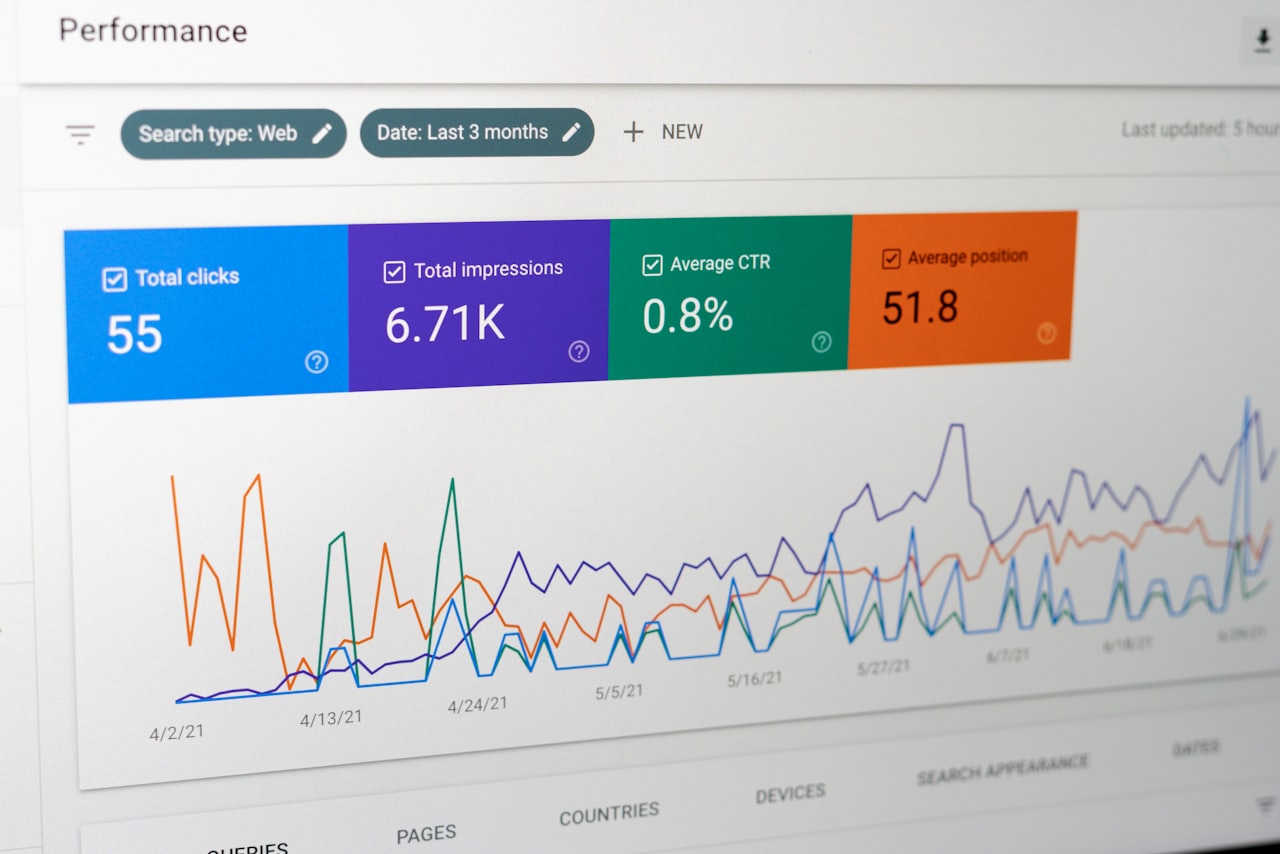
Expand your keyword list using dedicated tools. Ahrefs, Semrush, and Google Keyword Planner provide search volume data that helps prioritise keywords. For marketplace-specific keywords, tools like Helium 10 and Jungle Scout offer Amazon keyword data, while marketplace-specific analytics reveal trending search terms on Shopee and Lazada.
Categorise keywords by intent. High-purchase-intent keywords include brand names, specific product models, and queries with modifiers like “buy,” “price,” and “best.” Informational keywords like “how to choose” and “vs” indicate earlier-stage research. Prioritise high-intent keywords in your title and early description, and incorporate informational keywords throughout the description body.
Include local language keywords if you sell in non-English markets. Bahasa Indonesia, Thai, and Vietnamese keywords are essential for marketplace listings in those countries. Do not rely on translation alone — research what actual consumers search for in each language and market. Search terms and product naming conventions vary significantly across languages and cultures.
Product Image Best Practices
Product images are the first thing consumers see and the primary driver of click-through rate. Your main image should show the product clearly on a clean white or light background, filling at least 80 percent of the frame. Additional images should show the product from multiple angles, in use, alongside size reference objects, and highlighting key features.
Invest in high-quality photography. Professional-looking product images dramatically outperform amateur photos taken with poor lighting. You do not need a professional photographer — a smartphone, a lightbox, and basic editing can produce excellent results. Ensure images are sharp, well-lit, and accurately represent the product’s colour and proportions.
Include informational images that communicate key details visually. Size comparison images, feature callout images with text overlays, and lifestyle images showing the product in context help consumers evaluate your product without reading the description. On mobile devices, consumers often make purchase decisions based primarily on images.
Follow platform-specific image requirements. Most marketplaces specify minimum resolution (usually 800×800 pixels or higher), aspect ratio (typically square), and restrictions on watermarks and promotional text. Non-compliant images may be rejected or suppressed in search results. Check each platform’s image guidelines before uploading.
Platform-Specific Optimisation
Shopee optimisation focuses on title keyword relevance, competitive pricing, and strong visual presentation. Shopee’s search algorithm weighs title keywords heavily, so front-load your most important keywords. Product rating and sales velocity also influence search ranking — build your review base through excellent service and post-purchase follow-ups.
Lazada optimisation requires attention to product data quality. Fill in all available product attributes (colour, size, material, brand) in the structured data fields. Lazada’s search and filtering system uses these attributes to surface products in filtered search results. Products with complete attribute data appear in more search contexts than those with incomplete information.
Amazon optimisation centres on A+ Content, backend search terms, and the Buy Box. Backend search terms are hidden keywords that influence search visibility without appearing in the listing. A+ Content allows rich media descriptions that improve conversion rates. The Buy Box algorithm considers price, fulfilment method, and seller performance metrics.
For your own e-commerce site, optimise product pages for Google search using traditional SEO techniques. Include focus keywords in the page title, meta description, H1 heading, and product description. Add structured data markup (Product schema) to enable rich snippets in Google search results. Page load speed and mobile responsiveness also affect Google ranking.
Testing and Iterating Your Listings
Treat listing optimisation as an ongoing process, not a one-time task. Monitor key metrics including impressions, click-through rate (CTR), conversion rate, and average order value. Identify listings with high impressions but low CTR (title and image issues) and listings with high CTR but low conversion (description, pricing, or review issues).

Test changes systematically. Modify one element at a time — title, main image, or price — and measure the impact over a minimum of seven days. Changing multiple elements simultaneously makes it impossible to determine which change drove the result. Keep a record of changes and their impacts to build institutional knowledge about what works for your products and categories.
Benchmark against competitors regularly. Search for your primary keywords and compare your listing against the top results. Note differences in titles, images, pricing, and review counts. If competitors consistently outperform you, analyse their listings for techniques and approaches you can adapt. Competitive monitoring should be a monthly practice.
Seasonal optimisation is important for products with seasonal demand. Update titles and descriptions to include seasonal keywords during relevant periods. Adjust imagery to reflect seasonal contexts. Products that remain static while consumer search behaviour shifts seasonally miss opportunities for increased visibility and sales. Apply the same iterative mindset that drives effective content marketing.
Frequently Asked Questions
How long should a product title be?
Most marketplace platforms allow 100-200 characters for titles. Use as much of the allowed length as needed to include your key keywords and product attributes, but ensure the title remains readable. On Shopee and Lazada, titles of 80-120 characters tend to perform well, balancing keyword inclusion with readability.
How many keywords should I include in a product listing?
Include your primary keyword in the title and early in the description. Incorporate five to ten secondary keywords naturally throughout the description. Backend keyword fields (where available) can hold additional terms. Avoid keyword stuffing — readability and user experience should not be sacrificed for keyword density.
How often should I update my product listings?
Review and optimise underperforming listings monthly. Update all listings seasonally to reflect changing search trends and consumer preferences. Top-performing listings can be left stable but should still be monitored for changes in competition, pricing, or search behaviour.
Does product listing optimisation affect ad performance?
Significantly. On marketplace platforms, ads drive traffic to your product listing. A well-optimised listing converts a higher percentage of that traffic into sales, improving your ROAS. Investing in listing optimisation before scaling ad spend is one of the most cost-effective actions a seller can take.
What is the most important element of a product listing?
The main product image has the greatest impact on click-through rate, while the title determines search visibility. Together, these two elements account for the majority of a listing’s performance. Invest most heavily in image quality and title optimisation before refining other elements.
Should I use the same listing across all marketplace platforms?
No. Each platform has different search algorithms, character limits, image requirements, and audience expectations. Adapt your listings for each platform while maintaining consistent brand messaging and product information. Platform-specific optimisation consistently outperforms copy-paste listings.
How do reviews affect my listing’s performance?
Reviews significantly impact both search ranking and conversion rate. Products with higher ratings and more reviews rank better in marketplace search results and convert at higher rates. Actively manage your review strategy through excellent service, follow-up requests, and prompt resolution of negative feedback.
What is backend keyword optimisation?
Backend keywords are hidden terms that you enter in marketplace seller tools to improve search visibility without cluttering your visible listing. They are particularly important on Amazon. Include synonyms, alternate spellings, and related terms that consumers might search for but that do not fit naturally in your title or description.
How do I optimise listings for mobile shoppers?
Use short, front-loaded titles that display fully on mobile screens. Prioritise your first product image, as it appears in search results. Structure descriptions with bullet points and short paragraphs for easy scrolling. Test your listings on mobile devices to ensure they appear correctly and are easy to read.
Can I hire someone to optimise my product listings?
Yes. E-commerce copywriters, marketplace optimisation specialists, and digital marketing agencies offer listing optimisation services. For sellers with large catalogues, outsourcing optimisation is often more efficient than doing it in-house. Ensure any partner understands your specific marketplace platforms and product categories.