
PPC Keyword Analytics: How to Analyse Search Terms and Optimise Ad Spend
Table of Contents
What Is PPC Keyword Analytics and Why It Matters
PPC keyword analytics is the process of analysing keyword and search term performance data to improve the efficiency and profitability of pay-per-click advertising campaigns. Every click in a PPC campaign costs money, and keyword analytics determines whether that money is being spent on search terms that generate revenue or wasted on irrelevant queries that never convert. Without rigorous keyword analysis, even well-structured campaigns bleed budget on underperforming terms.
The distinction between keywords and search terms is fundamental. Keywords are the terms you bid on in your Google Ads account. Search terms are the actual queries people type into Google that trigger your ads. Because of match type expansion, your ads can show for search terms that differ significantly from your keywords. PPC keyword analytics bridges this gap by revealing exactly what people searched for, how those searches performed, and whether your keywords are attracting the right traffic.
Regular keyword analysis is not optional — it is the core ongoing activity that separates profitable PPC campaigns from wasteful ones. Businesses that review and act on keyword analytics weekly consistently achieve 20-40 per cent better return on ad spend than those who set keywords and forget them. In Singapore’s competitive advertising market, this efficiency advantage can be the difference between profitable growth and unsustainable acquisition costs.
Search Term Report Analysis
The search term report in Google Ads is the most important data source for PPC keyword analytics. It shows every search query that triggered your ads, along with the clicks, impressions, cost, and conversions each query generated. Access it through the Insights and Reports section or the Keywords tab in your campaign. Review this report at least weekly for active campaigns.

Start by sorting the report by cost (highest to lowest) to identify where most of your budget is going. Evaluate each high-cost search term against two criteria: relevance (is this term related to what you sell?) and performance (is it generating conversions at an acceptable cost?). Terms that are irrelevant should be added to negative keyword lists immediately. Terms that are relevant but underperforming may need ad copy or landing page adjustments rather than exclusion.
Next, sort by conversions to identify your highest-performing search terms. These are the queries that generate actual business results. If a high-converting search term does not have a direct keyword match in your account, add it as an exact or phrase match keyword to give it dedicated bids and ad copy. This ensures your best-performing queries receive optimal treatment rather than being lumped under a broad match keyword with less precise targeting.
Keyword Performance Metrics That Matter
Cost per conversion (also called cost per acquisition or CPA) is the primary metric for evaluating keyword performance. It tells you how much each conversion costs, allowing you to compare keyword profitability directly. In Singapore, acceptable CPAs vary widely by industry: S$10-30 for e-commerce transactions, S$30-100 for B2B leads, and S$100-500 for high-value services like legal consultations or property enquiries.
Click-through rate (CTR) indicates how relevant your ad is to the search query. A CTR below 2 per cent for search ads suggests a mismatch between the keyword, ad copy, and user intent. High CTR with low conversion rate suggests your ads are attracting clicks but your landing page is not closing the deal. Low CTR with high conversion rate means your ads are selective but effective — consider increasing bids to get more of this valuable traffic.
Quality Score combines CTR, ad relevance, and landing page experience into a single metric on a 1-10 scale. Keywords with Quality Scores of 7 or above receive lower costs per click and better ad positions. Track Quality Score trends monthly and prioritise improvements for high-volume keywords with scores below 6. Impression share tells you what percentage of eligible impressions your ads actually received. Low impression share on high-performing keywords means you are missing profitable traffic — increase bids or budget to capture more of this demand.
Negative Keyword Strategy
Negative keywords prevent your ads from showing for irrelevant search terms, directly reducing wasted spend. A comprehensive negative keyword strategy is one of the highest-ROI activities in PPC management. Most accounts waste 15-30 per cent of their budget on irrelevant clicks before negative keywords are properly implemented.

Build negative keyword lists at three levels. Account-level negatives apply across all campaigns and should include universally irrelevant terms: job-related queries (“salary,” “career,” “hiring”), educational queries (“definition,” “what is,” “tutorial”) unless you sell educational content, and competitors’ brand names if you do not want to bid on them. Campaign-level negatives prevent cross-campaign cannibalisation — for example, preventing your “web design” campaign from triggering on “SEO” searches that should go to a different campaign.
Ad group-level negatives provide the finest targeting control. Use them to ensure each ad group only triggers for its intended queries. Maintain shared negative keyword lists that can be applied across campaigns efficiently. Review your search term report weekly and add new negatives for any irrelevant terms that appear. A mature Google Ads account typically has 200-500 negative keywords that have accumulated through ongoing analysis. This ongoing refinement is a core part of effective ppc keyword analytics practice.
Match Type Optimisation
Google Ads offers three keyword match types — broad match, phrase match, and exact match — each controlling how closely a search term must match your keyword before triggering your ad. Match type strategy directly affects reach, relevance, and cost efficiency. Getting it right is a key element of keyword analytics.
Exact match keywords trigger only for searches that match the keyword’s meaning closely. They provide the highest relevance and typically the best conversion rates, but limited reach. Phrase match keywords trigger for searches that include the meaning of your keyword, allowing for additional words before or after. They balance reach and relevance. Broad match keywords trigger for searches related to the keyword’s meaning, providing maximum reach but requiring strong negative keyword lists to maintain relevance.
A proven approach is to start with phrase and exact match keywords to build conversion data, then selectively add broad match keywords with Smart Bidding enabled for controlled expansion. Monitor broad match performance closely through search term reports, as it can generate impressions for surprisingly tangential queries. Analyse conversion rate and CPA by match type regularly. If broad match keywords show a CPA more than 30 per cent above your phrase and exact match terms, tighten your negatives or pause the broad match keywords until performance improves.
Competitive Keyword Analysis
Understanding which keywords your competitors bid on provides strategic intelligence for your own campaigns. Google Ads’ Auction Insights report shows which competitors appear alongside your ads and their impression share, overlap rate, and position above rate. This data reveals where you are winning and losing the competitive battle for specific keywords.
Third-party tools like SEMrush, SpyFu, and Ahrefs provide deeper competitive keyword intelligence, showing estimated keyword lists, ad copy, and spending patterns for any domain. Use these tools to identify keywords your competitors bid on that you do not — these may represent opportunities you have overlooked. Conversely, identify keywords where competitors have retreated, which may indicate poor performance or market shifts.
Competitive analysis should inform strategy, not dictate it. Just because a competitor bids on a keyword does not mean you should too. Evaluate each competitive keyword through the lens of your own business objectives, margin structure, and conversion data. In Singapore’s market, where a few well-funded competitors can dominate certain keyword auctions, finding less contested but still profitable keywords often delivers better returns than competing head-to-head on the most expensive terms. Combine competitive PPC insights with your SEO strategy to identify terms where organic coverage can complement or replace paid investment.
Reporting and Ongoing Optimisation
Build a keyword analytics reporting cadence that matches your campaign activity and budget. For campaigns spending over S$5,000 per month, weekly reporting is essential. For smaller campaigns, fortnightly reviews are sufficient. Monthly strategic reviews should examine longer-term trends, seasonal patterns, and competitive shifts.
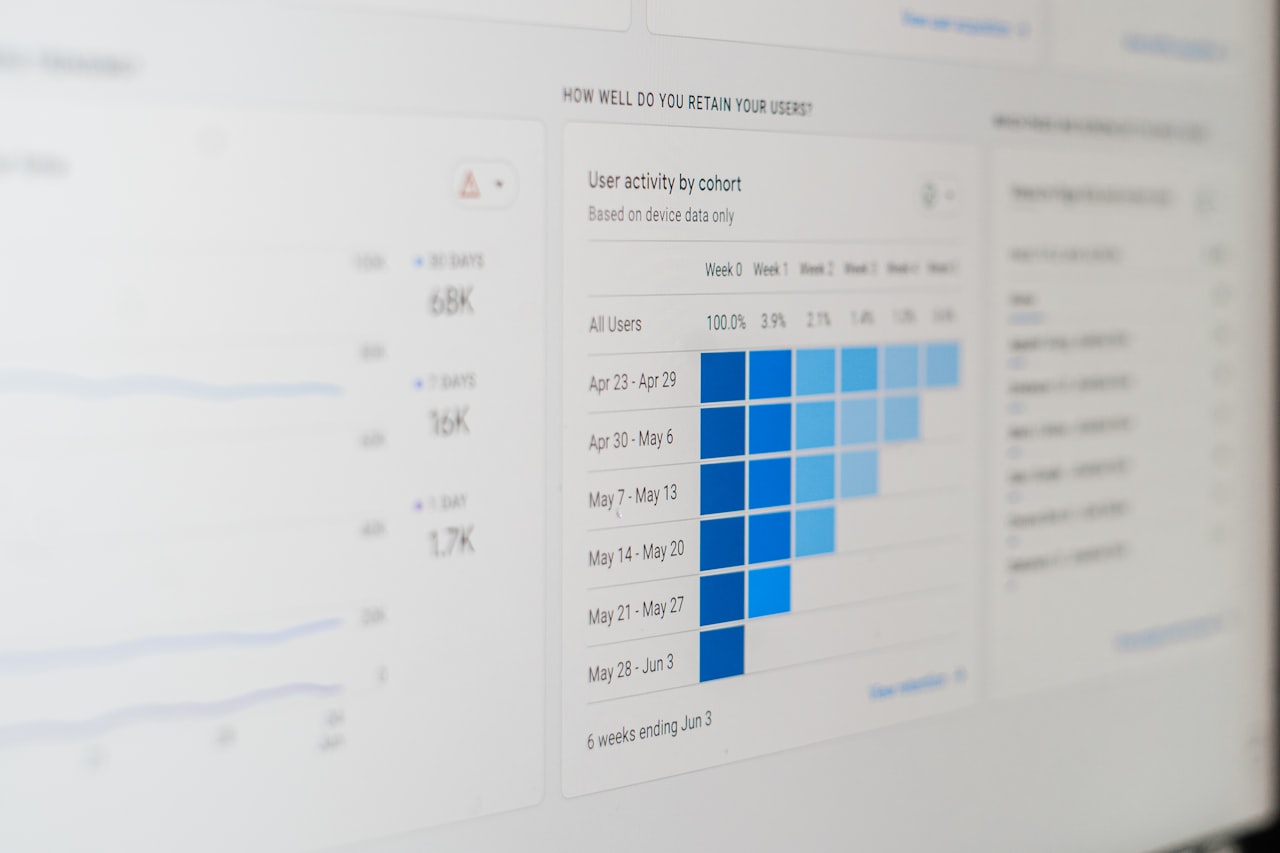
Your keyword report should track: total keywords active, new keywords added, keywords paused, negative keywords added, top converting keywords, highest cost keywords, Quality Score distribution, and key performance metrics (CPA, ROAS, CTR) trended over time. Use Google Ads’ built-in reports or export data to Google Sheets or a dashboard tool for more flexible analysis.
Ongoing optimisation follows a consistent cycle. Each week: review the search term report and add negatives, identify new keyword opportunities, adjust bids on underperforming or overperforming keywords, and test ad copy variations for top keywords. Each month: review match type performance, analyse Quality Score trends, evaluate competitive positioning, and assess budget allocation across keyword groups. Each quarter: conduct a full keyword audit, reassess your keyword strategy against business objectives, and plan keyword expansion or contraction based on seasonal trends. This disciplined approach to Google Ads management ensures your campaigns improve continuously rather than stagnating.
Frequently Asked Questions
How often should I review PPC keyword performance?
Review search term reports and keyword performance weekly for active campaigns. More frequent reviews are warranted during campaign launches, seasonal peaks, or when making significant changes. Monthly and quarterly reviews should focus on strategic trends and longer-term patterns rather than day-to-day fluctuations.
What is a good click-through rate for PPC keywords in Singapore?
Average search ad CTR in Singapore is 3-5 per cent across industries. Top-performing keywords in your account should achieve 5-10 per cent CTR. Branded keywords often exceed 10 per cent. If your CTR is consistently below 2 per cent, review your ad copy relevance, keyword-to-ad-group mapping, and whether your targeting is reaching the right audience.
How many negative keywords should a Google Ads account have?
There is no fixed number, but mature accounts typically have 200-500 negative keywords across account, campaign, and ad group levels. The number grows over time as you review search term reports and identify new irrelevant queries. Quality matters more than quantity — a few well-chosen negatives can save more budget than hundreds of rarely triggered ones.
Should I use broad match keywords?
Broad match can be effective when used with Smart Bidding strategies and robust negative keyword lists. It works best for discovery — finding new search terms you had not considered. However, it requires more monitoring and a higher tolerance for wasted spend during the learning period. Start with phrase and exact match, then test broad match selectively for your highest-value campaigns.
What tools are best for PPC keyword analytics?
Google Ads’ built-in reports are the primary data source. Supplement with Google Analytics 4 for post-click behaviour analysis, Google Keyword Planner for volume and competition data, and third-party tools like SEMrush or Ahrefs for competitive intelligence. Google Looker Studio (formerly Data Studio) is excellent for building custom keyword performance dashboards.
How do I identify keyword cannibalisation in Google Ads?
Keyword cannibalisation occurs when multiple keywords in your account compete for the same search queries. Check for it by reviewing which keywords trigger the same search terms in your search term report. If multiple keywords from different ad groups serve the same queries, consolidate them into a single ad group or use negative keywords to direct traffic to the intended ad group.
What is a good Quality Score and how do I improve it?
Aim for Quality Scores of 7 or above for your most important keywords. Improve Quality Score by tightening keyword-to-ad-group relevance (smaller, more themed ad groups), writing ad copy that closely matches the keyword intent, and optimising landing pages for relevance, speed, and user experience. Quality Score improvements typically take two to four weeks to materialise after changes are made.
How do I decide which keywords to pause versus optimise?
Pause keywords that are fundamentally irrelevant to your business or have consistently failed to generate conversions despite sufficient data (at least 100 clicks). Optimise keywords that are relevant but underperforming — try new ad copy, test different landing pages, or adjust bids before abandoning them. Keywords with fewer than 50 clicks may not have enough data for reliable conclusions.
Can AI tools replace manual keyword analytics?
AI tools like Google’s automated bidding and Performance Max automate many aspects of keyword optimisation, but they cannot replace strategic keyword analysis entirely. Automated systems optimise for metrics you define, but they cannot assess business relevance, brand appropriateness, or competitive strategy. Use AI tools for tactical optimisation and human analysis for strategic direction.