
Part of our Marketing by Industry & Audience guide →
Pet Business Marketing in Singapore: The Complete Guide
Table of Contents
- Why Pet Business Marketing Matters in Singapore
- Instagram Content That Converts Pet Parents
- Google Ads for Pet Businesses
- Local SEO for Pet Businesses
- Building a Pet Parent Community
- Review Management and Trust Building
- NParks Regulations and Marketing Compliance
- Email Marketing and Loyalty Programmes
- Frequently Asked Questions
Why Pet Business Marketing Matters in Singapore
Singapore’s pet industry has grown into a multi-million-dollar market. With roughly one in three households now owning a pet, demand for grooming, boarding, veterinary care, retail and training services continues to rise each year. Pet parents here treat their animals as family members and are willing to invest in premium products, spa-quality grooming and comfortable boarding facilities.
The challenge is that the market has become increasingly crowded. New groomers, pet shops and boarding operators open regularly, and consumers have more choices than ever. Effective pet business marketing Singapore is what separates thriving businesses from those that struggle to fill appointment slots. Standing out requires more than excellent service — it demands a strategy that builds trust, showcases expertise and taps into the deeply emotional bond between pet parents and their animals.
Whether you run a grooming salon in Bukit Timah, a boarding facility in Pasir Ris or a pet retail store with both online and offline channels, the strategies in this guide will help you attract new clients and keep existing ones coming back. From social media marketing to regulatory compliance, here is everything you need to know about marketing a pet business in Singapore.
Instagram Content That Converts Pet Parents
Pet content is among the most engaging on Instagram. Adorable animals naturally attract likes, comments and shares. For pet businesses, this organic engagement potential is a gift, but converting cute photos into paying customers requires strategic content planning rather than posting random pictures.
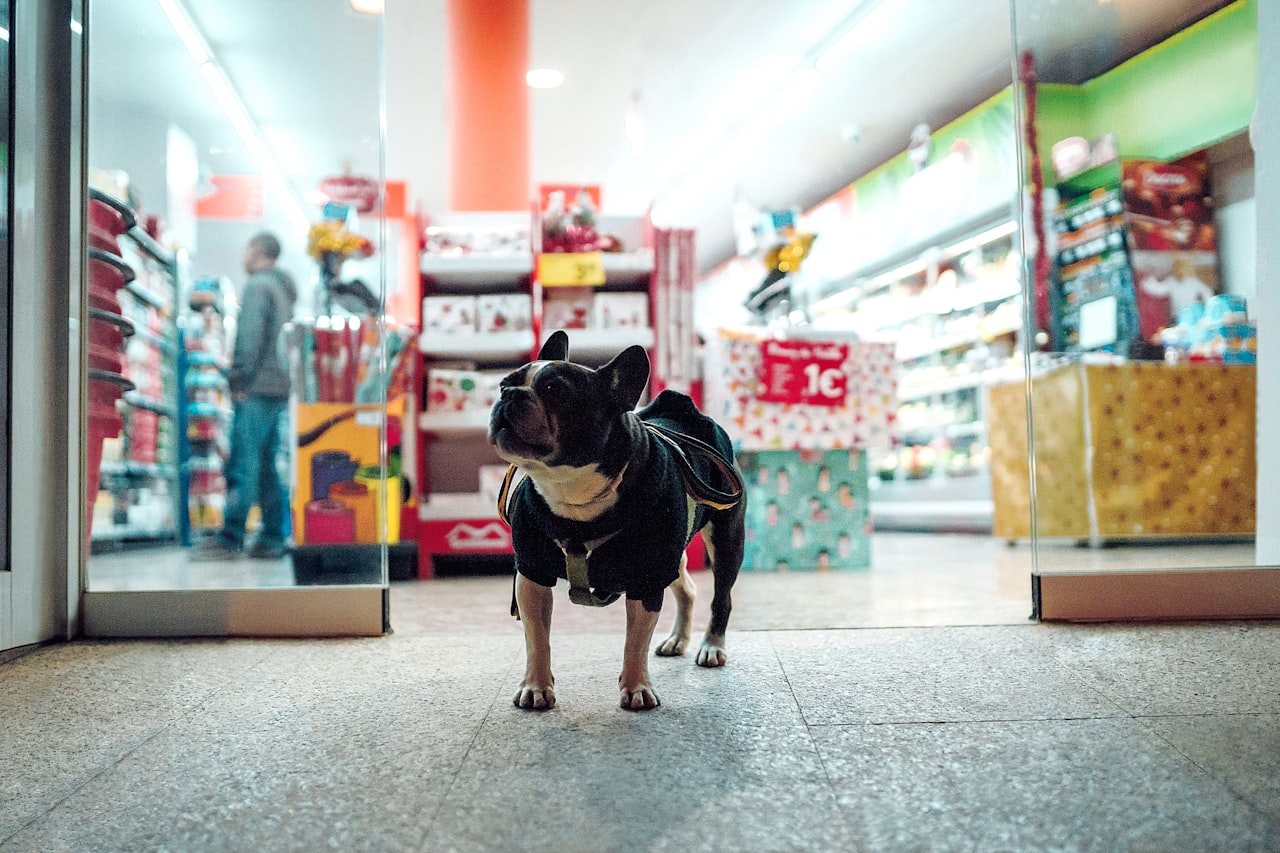
Structure your content around three pillars: showcase your work, educate pet parents and build emotional connection. For groomers, before-and-after transformation photos are the highest-converting content type. A scruffy dog transformed into a pristine pooch is inherently shareable and demonstrates your skill. Film short grooming Reels showing bath time, scissoring techniques and the final reveal. For boarding facilities, show pets happily playing, enjoying spacious rooms and receiving attentive care — this directly addresses separation anxiety.
Educational content positions your business as a trusted authority. Share grooming tips between appointments, seasonal care advice (heatstroke prevention during Singapore’s hottest months, tick prevention during monsoon season), breed-specific care guides and product recommendations. User-generated content is equally powerful — encourage pet parents to tag your business and repost the best ones. A well-planned content marketing strategy turns your Instagram following into a reliable client pipeline.
Google Ads for Pet Businesses
When a pet parent searches “pet groomer near Bishan” or “dog boarding Singapore,” they have immediate intent to book. Google Ads allows your pet business to appear at the top of these high-intent searches, capturing clients at the exact moment they need your services.
Structure campaigns around your service categories. If you offer grooming, boarding and retail, create separate campaigns for each with tailored keywords and ad copy. For grooming, target breed-specific terms like “poodle grooming Singapore” and “golden retriever grooming near me,” as these indicate a pet parent with specific needs who is likely to pay premium prices. For boarding, target occasion-based terms such as “dog boarding Chinese New Year” and “pet hotel December” alongside general location-based searches.
Use location targeting to reach pet parents within a practical travel radius — typically five to eight kilometres for grooming and ten to fifteen kilometres for boarding, since pet parents will travel further for quality boarding. Include ad extensions for phone calls, WhatsApp and your booking page. Track conversions carefully — most successful pet business marketing Singapore campaigns on Google achieve a cost per new client of $12 to $30, which is highly profitable given the recurring nature of pet services.
Local SEO for Pet Businesses
Local search is the primary discovery channel for pet businesses in Singapore. Most pet parents choose services close to their home, making “near me” and neighbourhood-specific searches incredibly valuable. A strong local SEO presence ensures your business appears when nearby pet parents search for exactly what you offer.
Start with your Google Business Profile. Select the most specific primary category — “Pet Groomer,” “Pet Boarding Service” or “Pet Store” — and add relevant secondary categories. Complete every field, including services offered, pricing ranges and business hours (including public holiday schedules). Upload at least 30 high-quality photos showing your facilities, team and happy pets. Post weekly updates with grooming transformations, boarding highlights or new product arrivals.
Build local citations by listing your business on Singapore-specific directories like SgPetShop, The Woof Agency, PetBacker, SgLocale and Yellow Pages Singapore. Ensure your NAP (name, address, phone number) is consistent across all listings. Create location-specific content on your website — pages like “Dog Grooming in Bukit Timah” and “Pet Boarding Near Changi” — to capture neighbourhood-specific searches. Investing in professional SEO services can accelerate your visibility in local search results significantly.
Building a Pet Parent Community
Pet parents are among the most community-oriented consumer groups in Singapore. They love sharing stories about their pets, seeking advice from fellow owners and connecting with businesses that genuinely care about animal welfare. Building a community around your brand creates powerful emotional loyalty that transcends transactional relationships.
Create a Facebook Group or Telegram channel for your clients and the broader pet community. Share exclusive content, host Q&A sessions with veterinarians or pet nutritionists and facilitate discussions between members. Groups like “Dog Parents of [Your Neighbourhood]” attract organic members who become aware of your business through community participation. Moderate the group actively to maintain quality and prevent spam.
Host in-person events that bring your community together. Pet socials at dog-friendly cafes, puppy playdates at open spaces, educational workshops on pet first aid or nutrition and charity events supporting animal shelters all strengthen community bonds and generate positive publicity. Partner with complementary pet businesses — veterinary clinics, pet food brands, dog trainers — for co-hosted events that expand your reach. Document everything on social media and your website to show that your business is about more than transactions.
Review Management and Trust Building
For pet businesses, reviews carry extraordinary weight. Pet parents are entrusting you with a beloved family member, and they research extensively before choosing a groomer, boarder or vet. Your online review profile is often the single most influential factor in their decision.
Actively collect reviews across Google, Facebook and pet-specific platforms. The best moment to ask is at pickup — when pet parents see their freshly groomed dog or are reunited with their pet after boarding, they are at peak emotional satisfaction. Train your staff to mention reviews naturally: “We are so glad Buddy enjoyed his stay! If you have a moment, a Google review would really help other pet parents find us.” Follow up with a WhatsApp message containing a direct review link within a few hours.
For boarding businesses especially, photo and video updates during a pet’s stay serve a dual purpose — they reassure the pet parent and create shareable content that often leads to organic recommendations. When a parent shares a video of their dog playing happily at your facility, their friends and family take notice. Respond to every review with genuine warmth, mentioning the pet by name. For negative reviews, respond with empathy and a clear commitment to resolution.
NParks Regulations and Marketing Compliance
Pet businesses in Singapore must comply with regulations administered by the National Parks Board (NParks) and the Animal and Veterinary Service (AVS). These regulations affect not just operations but also marketing — making certain claims or offering services without proper licensing can result in fines and reputational damage.
All pet boarding facilities require a licence from AVS. Ensure your licence is current and prominently displayed — both on your physical premises and across your website and marketing materials. Mentioning your AVS licence in marketing builds trust and differentiates you from unlicensed operators. Similarly, pet shops selling animals must hold valid licences, and any marketing of animals for sale must comply with AVS advertising guidelines.
Be mindful of regulations around pet breeds. Singapore has restrictions on certain dog breeds, and your marketing should never promote or facilitate ownership of banned breeds. For businesses involved in pet food retail, claims about health benefits must be substantiated — avoid making medical or therapeutic claims about pet food products. Staying compliant positions your business as responsible and trustworthy, which is powerful marketing in itself. Ensure your digital marketing strategy incorporates compliance from the outset.
Email Marketing and Loyalty Programmes
Pet services are inherently recurring — dogs need grooming every four to eight weeks, boarding during every holiday and a constant supply of food and treats. This recurring nature makes email marketing and loyalty programmes exceptionally effective for pet businesses in Singapore.
Segment your email list by pet type (dogs, cats, small animals), service history (grooming clients, boarding clients, retail customers) and engagement level. Send personalised rebooking reminders based on typical service intervals — a grooming reminder at the five-week mark, a boarding promotion six weeks before major holidays. Pet parents respond well to emails that mention their pet by name and reference their specific breed or service history.
Design a loyalty programme that rewards repeat visits. A points-based system where every dollar spent earns points redeemable for services, products or upgrades works well. For grooming businesses, a stamp card — “every eighth groom free” — is simple and effective. Add birthday rewards for pets (yes, Singapore pet parents celebrate their fur babies’ birthdays) and annual membership tiers that unlock benefits like priority holiday boarding, complimentary nail trims or exclusive product discounts. Promote your loyalty programme across all touchpoints — in-store signage, email, social media and during checkout conversations.
Frequently Asked Questions
How much should a pet business in Singapore spend on marketing?
Allocate eight to twelve per cent of your revenue to marketing. For a pet grooming business generating $15,000 per month, this means $1,200 to $1,800. Start with Google Business Profile optimisation and Instagram content (low cost, high impact), then add Google Ads once your review profile and online presence are established.
Which social media platform is best for pet businesses in Singapore?
Instagram is the primary platform, as pet content performs exceptionally well there. TikTok is increasingly effective, particularly for grooming transformation videos and entertaining pet content. Facebook Groups are valuable for community building. Focus on Instagram first, then expand to other platforms as resources allow.
How do I market pet boarding during peak holiday periods?
Start promoting holiday boarding eight to ten weeks in advance. Chinese New Year, June school holidays and December are peak periods in Singapore. Send email reminders to past boarding clients first, then run Google Ads targeting “pet boarding [holiday]” keywords. Offer early-bird pricing for bookings made six or more weeks ahead to secure capacity early.
Do I need an AVS licence to run a pet business in Singapore?
Yes, most pet businesses require licensing from the Animal and Veterinary Service under NParks. Pet boarding, pet shops, dog training and veterinary services all require specific licences. Operating without a licence carries significant fines and can result in closure. Display your licence details in your marketing to build trust with pet parents.
How do I compete with freelance pet groomers working from HDB flats?
Freelance groomers operating from residential premises may not hold proper licences and lack commercial-grade hygiene and safety standards. Differentiate by highlighting your licensed status, professional facilities, trained staff and insurance coverage. Focus on the peace of mind that comes with a legitimate, well-equipped grooming facility rather than competing on price.
What is the best way to collect reviews for a pet business?
Ask at the moment of highest satisfaction — pet pickup after grooming or boarding. Send a follow-up WhatsApp message with a direct Google review link within two hours. Make it personal by mentioning the pet by name. Photo updates during boarding stays naturally prompt positive reviews, as grateful parents want to express their appreciation publicly.
How important is local SEO for pet businesses in Singapore?
Local SEO is arguably the most important marketing channel for pet businesses. The majority of pet parents search for services near their home or workplace, and appearing in Google’s local pack (the map results) can drive a steady stream of new clients. Optimising your Google Business Profile, building local citations and generating reviews with location-specific mentions are the foundations of effective local SEO for pet businesses.
Should I invest in professional photography for my pet business?
Yes. High-quality photos of your facilities, team and happy pets significantly improve your Google Business Profile, social media engagement and website conversion rates. A quarterly photo shoot costing $500 to $1,500 can produce enough images for months of marketing content. Before-and-after grooming photos taken on a good smartphone can also work well for day-to-day social media content.
What marketing channels work best for pet businesses on a tight budget?
Start with three free or low-cost channels: optimise your Google Business Profile thoroughly, post consistently on Instagram with quality photos and Reels, and encourage every satisfied client to leave a Google review. These three activities alone can generate a steady stream of new clients without significant advertising spend. Once you have a solid online presence, consider adding Google Ads to capture high-intent searches in your area.
How can I use WhatsApp for pet business marketing in Singapore?
WhatsApp is the preferred communication channel for many Singapore consumers. Use it for appointment reminders, rebooking prompts, photo and video updates during boarding stays, review requests and promotional messages to opted-in clients. WhatsApp Business allows you to set up automated greeting messages, quick replies for common questions and broadcast lists for promotions. Keep messages personal and relevant to avoid being seen as spam.