
Marketing for Tuas Industrial Businesses in 2026
Table of Contents
- Understanding the Tuas Business Landscape
- B2B SEO Strategies for Industrial Firms
- Google Ads for Manufacturing and Logistics
- LinkedIn and B2B Social Media Marketing
- Content Marketing and Thought Leadership
- Email Marketing for Lead Nurturing
- Building a Professional Web Presence
- Frequently Asked Questions
Understanding the Tuas Business Landscape
Tuas sits at Singapore’s far western tip and stands as the nation’s largest industrial zone. Effective marketing for Tuas businesses requires understanding that this district is home to hundreds of manufacturing plants, logistics warehouses, petrochemical facilities and heavy engineering firms. The marketing challenge is distinct from consumer-facing businesses — there is virtually no consumer footfall, and the audience is almost entirely B2B, comprising procurement managers, supply chain directors and fellow industrial tenants.
The B2B-dominated environment means marketing must target specific roles within organisations. Unlike consumer marketing where volume drives sales, Tuas businesses typically pursue fewer but higher-value contracts. A single well-qualified lead can translate into a six-figure annual contract, making every marketing investment potentially high-return when executed correctly.
With the Tuas Mega Port development progressing and new JTC industrial clusters drawing international firms to Singapore, competition is intensifying. Businesses relying solely on word-of-mouth and trade show networking risk losing ground to competitors who have embraced digital marketing channels for lead generation and brand positioning. The industrial firms that invest in digital visibility now will capture opportunities that traditional-only marketers miss entirely.
B2B SEO Strategies for Industrial Firms
SEO remains one of the most cost-effective channels for marketing for Tuas businesses. When a procurement manager searches “CNC machining services Singapore” or “chemical storage warehouse Tuas,” your business needs to appear prominently. Professional SEO services tailored to industrial keywords deliver a steady pipeline of inbound enquiries from qualified buyers.

Keyword strategy should focus on industry-specific terms combined with location and capability modifiers: “precision engineering Tuas,” “contract manufacturing Singapore West,” “bonded warehouse Jurong” and long-tail terms reflecting specific capabilities like “ISO 9001 certified metal fabrication Singapore.” These queries may have lower search volumes than consumer keywords, but each click represents a potential high-value business relationship.
Technical SEO is equally important. Ensure your site loads quickly, is mobile-responsive and has clear service pages for each capability. Create dedicated landing pages complete with specifications, certifications and case studies that procurement teams need during their evaluation process. Google Business Profile optimisation helps even B2B firms appear in local map results when Singapore procurement teams search for nearby suppliers.
Build topical authority by creating comprehensive content covering your industry sector. A precision engineering firm might publish detailed guides on material selection, tolerance specifications and quality management processes. This content attracts organic traffic from procurement professionals researching solutions and positions your firm as a knowledgeable partner rather than just another vendor.
Google Ads for Manufacturing and Logistics
While SEO builds long-term visibility, Google Ads generates immediate enquiries from businesses actively searching for industrial services. B2B industrial keywords in Singapore often have lower competition and CPC compared to consumer-facing sectors, making paid search particularly cost-effective for Tuas businesses.
Structure campaigns around service categories. A logistics company might run separate ad groups for warehousing, freight forwarding and customs clearance. An engineering firm could separate campaigns for CNC machining, precision grinding and surface treatment. Use ad extensions highlighting certifications, years of experience and notable client relationships. Call extensions are especially valuable as industrial procurement professionals often prefer discussing complex requirements over the phone.
Remarketing campaigns are highly effective in B2B contexts. Industrial purchasing decisions involve multiple stakeholders and extended evaluation periods — often weeks or months. Display ads to previous website visitors keep your brand visible throughout the procurement cycle. Set up conversion tracking for enquiry forms, phone calls and quote requests to measure true cost per lead and optimise campaign performance over time.
LinkedIn and B2B Social Media Marketing
For Tuas industrial businesses, LinkedIn is the most relevant social media platform. It provides direct access to decision-makers and allows you to build credibility through professional content that demonstrates your capabilities and expertise.

Develop a company page that clearly communicates capabilities, certifications and specialisations. Post regularly about project completions, equipment upgrades, certifications achieved, team milestones and industry developments. Video content showcasing your Tuas facilities, production lines and quality control processes performs exceptionally well on LinkedIn — procurement professionals want to see your operations before engaging.
LinkedIn advertising offers precise B2B targeting by job title, industry, company size and even specific companies. A Tuas engineering firm targeting aerospace manufacturers could reach procurement managers at ST Engineering, Rolls-Royce and Pratt & Whitney — all of which operate in Singapore. This targeting precision ensures advertising budgets reach genuine decision-makers rather than being wasted on irrelevant audiences.
Encourage your senior engineers and sales team to maintain active LinkedIn profiles. Individual thought leadership — sharing project insights, commenting on industry developments and publishing technical articles — builds personal credibility that reflects positively on the company. In B2B industrial marketing, people buy from people they trust, and LinkedIn facilitates that trust-building at scale.
Content Marketing and Thought Leadership
Industrial businesses investing in marketing for Tuas businesses through content marketing position themselves as authorities in their sector. Content for industrial audiences should demonstrate deep technical expertise rather than chase viral social media trends.
Produce technical white papers, detailed case studies and industry guides that procurement professionals find genuinely valuable. A precision engineering firm might publish “Material Selection for Marine Applications in Tropical Climates.” A logistics provider could create “Navigating Singapore’s Free Trade Agreements for ASEAN Distribution.” These resources attract qualified traffic and serve as lead magnets when gated behind enquiry forms.
Video content is increasingly important for industrial marketing. Factory tour videos, process demonstrations and expert interviews build trust with potential clients who are assessing your capabilities before making contact. Content addressing Industry 4.0, smart manufacturing and sustainable production resonates with forward-thinking industrial buyers evaluating suppliers for long-term partnerships in Singapore.
Case studies are particularly powerful in industrial marketing. Document specific projects with measurable outcomes — tolerances achieved, delivery timelines met, cost savings delivered. Anonymise client details where required but include enough technical specificity to demonstrate your capabilities to knowledgeable procurement audiences.
Email Marketing for Lead Nurturing
B2B sales cycles in the industrial sector span weeks or months. Email marketing is essential for nurturing leads through extended decision-making processes and maintaining relationships between active purchasing periods.
Build segmented lists based on industry, company size and buying journey stage. Automated drip campaigns systematically move leads through your funnel from initial awareness to active evaluation to decision. Newsletter content might include new machinery acquisitions, certifications achieved, regulatory changes affecting your industry and completed project highlights.
Keep the tone professional with clear calls-to-action for facility visits, quotation requests or technical discussions. Industrial decision-makers value substance over style — avoid flashy marketing language and focus on technical credibility, reliability and specific capabilities. Ensure all email marketing complies with Singapore’s PDPA requirements, particularly when communicating with contacts at multinational companies operating across multiple jurisdictions.
Building a Professional Web Presence
Your website is often the first impression a potential B2B client has of your business. Professional web design communicates reliability and capability — two qualities that industrial buyers prioritise above almost everything else.
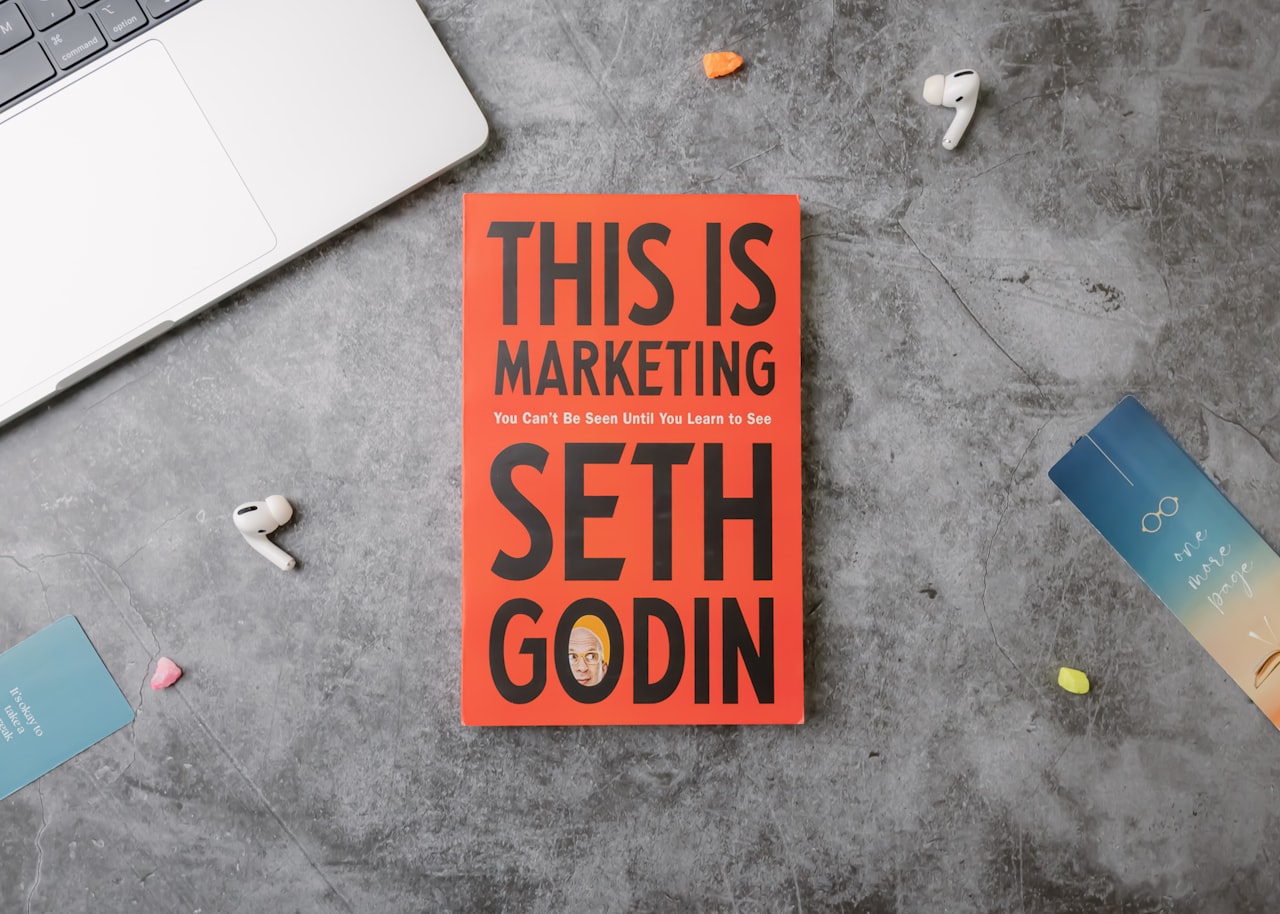
Industrial websites should prioritise clarity over visual flair. Create detailed service pages with technical specifications, comprehensive company history, facility galleries with equipment lists and easy-to-find contact information. Feature client logos, industry certifications (ISO, BizSAFE, OHSAS), and case studies with measurable outcomes prominently throughout the site.
For Tuas businesses serving international clients, multilingual capabilities and clear export information add significant value. CRM integration ensures leads generated through your website are tracked and managed systematically. Online enquiry forms should capture enough information — industry, project type, volume requirements — to allow your sales team to qualify leads before the first conversation, saving time for both parties.
Frequently Asked Questions
Is digital marketing relevant for Tuas industrial businesses?
Absolutely. Decision-makers at procurement level use search engines, LinkedIn and industry websites to find and evaluate suppliers. A strong digital presence ensures your business is discoverable when Singapore procurement teams and international buyers are sourcing services in your sector.
What marketing budget should a Tuas manufacturing firm allocate?
B2B industrial firms typically allocate 2 to 5 per cent of annual revenue to marketing. For a manufacturer with SGD 5 million revenue, this translates to SGD 100,000 to SGD 250,000 per year across digital channels, trade shows and sales collateral. Focus investment on channels that generate qualified leads rather than broad brand awareness.
How can Tuas businesses generate leads without consumer footfall?
Focus on SEO-optimised website content targeting industrial keywords, Google Ads for high-intent search queries, LinkedIn advertising and outreach targeting specific job titles and companies, email campaigns nurturing existing contacts, and participation in online industry directories and trade platforms.
Should Tuas businesses invest in social media?
LinkedIn should be the primary focus for B2B lead generation and thought leadership. Facebook and Instagram may be useful for employer branding and recruitment, which is particularly important given Singapore’s tight industrial labour market. TikTok can showcase manufacturing processes to attract both clients and potential employees.
How long does it take to see results from B2B digital marketing?
Google Ads can produce enquiries within days of campaign launch. SEO campaigns require four to six months for consistent traffic growth. LinkedIn needs two to three months of consistent activity to build meaningful engagement. Maintain a multi-channel approach and measure against clear KPIs aligned to your sales cycle.
Can small Tuas workshops benefit from digital marketing?
Yes. A well-optimised Google Business Profile, professional website and targeted Google Ads campaigns deliver results even for small SMEs. Singapore government grants like the Enterprise Development Grant can subsidise digital marketing investments for qualifying businesses.
What content works best for industrial marketing?
Technical case studies with measurable outcomes, capability demonstrations through video, white papers addressing industry challenges, process documentation showing quality standards and expert commentary on industry developments. Content should help procurement teams evaluate your capabilities and build confidence in your reliability.
How do I measure ROI from B2B digital marketing?
Track enquiry volume, quote requests, enquiry-to-contract conversion rate and average contract value from each marketing channel. B2B cycles are longer, so measure ROI over 6 to 12-month periods rather than monthly. Connect your CRM to marketing analytics to attribute revenue to specific channels and campaigns.
How important is a professional website for an industrial business?
Critical. Procurement professionals research potential suppliers online before making contact. A dated, poorly designed website signals a business that may not invest in quality or stay current with industry standards. Your website is your digital facility tour — it should demonstrate the same professionalism and attention to detail that clients expect from your operations.
Should Tuas businesses attend trade shows or focus on digital marketing?
Both. Trade shows remain valuable for relationship building and product demonstrations in industrial sectors. Digital marketing extends your reach between events, nurtures leads generated at shows and captures demand from buyers who research online rather than attending exhibitions. The most effective approach integrates trade show participation with digital follow-up campaigns.