Marketing for Yoga Studios: How to Attract and Retain Students in Singapore in 2026
The Yoga Market in Singapore
Singapore’s yoga market is mature and competitive. Studios range from boutique hot yoga spaces in Tiong Bahru to large multi-location chains in the CBD. ClassPass and similar aggregator platforms have made it easier for students to try different studios, which is a double-edged sword — it brings new faces through your door but makes loyalty harder to build.
Post-pandemic, the industry has stabilised. In-person classes are back to pre-2020 levels, but student expectations have shifted. Many now expect hybrid options, with on-demand or live-streamed classes alongside in-studio sessions. Studios that adapted their yoga studio marketing to reflect this reality have gained a competitive edge.
The key challenge for most yoga studios is not awareness — it is differentiation. When a potential student searches “yoga class near me,” they find dozens of options. Your marketing must communicate what makes your studio different: your teaching philosophy, class styles, community culture, or location convenience.
Understanding your ideal student is the starting point. Are you targeting corporate professionals seeking stress relief? New mothers looking for postnatal yoga? Serious practitioners training for teacher certification? Each segment responds to different messages, channels, and offers. Effective yoga studio marketing starts with this clarity.
Local SEO for Yoga Studios
For a location-based business like a yoga studio, local SEO is the most impactful marketing channel. When someone searches “yoga studio near me” or “yoga classes [neighbourhood],” Google serves local pack results — the map listing with three businesses. Appearing in that pack puts your studio in front of people who are ready to book.
Google Business Profile optimisation:
Your Google Business Profile is the foundation of your local presence. Optimise every element:
- Select “Yoga Studio” as your primary category
- Add secondary categories such as “Pilates Studio” or “Meditation Centre” if applicable
- Write a detailed description mentioning your location, class types, and teaching philosophy
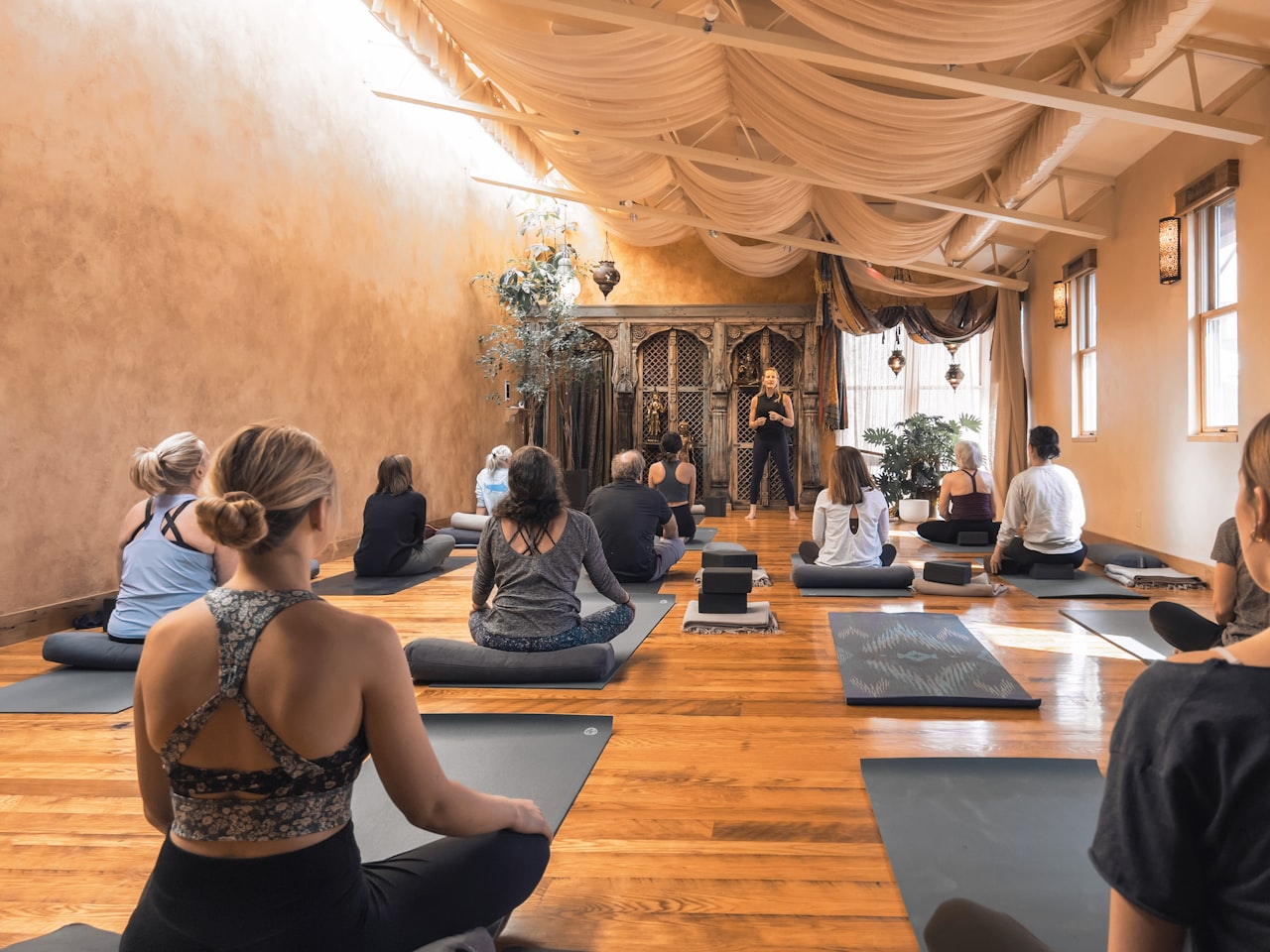
- Upload high-quality photos of your studio space, classes in progress, and instructor team
- List all class types as services with descriptions and pricing
- Post weekly updates — new class schedules, workshops, student achievements
- Keep your hours accurate, especially during public holidays and special closures
Reviews drive local rankings. Google considers review quantity, quality, and recency when ranking local results. Studios with fifty or more reviews and a 4.5+ star rating consistently outperform those with fewer reviews. Develop a systematic review collection process:
- Send an automated email or WhatsApp message after a new student’s first class with a direct review link
- Ask long-time students personally — they are your strongest advocates
- Respond to every review, thanking positive reviewers and addressing concerns professionally
- Never purchase fake reviews — Google detects and penalises this, and it damages trust
Website SEO for yoga studios:
Create dedicated pages targeting location-based keywords. If your studio is in Tanjong Pagar, create a page optimised for “yoga classes Tanjong Pagar” with relevant local context — nearby MRT stations, parking options, and the neighbourhood’s appeal. For studios with a fitness-focused positioning, SEO efforts should also target health and wellness keywords.
Build individual pages for each class type you offer — vinyasa, hatha, yin, hot yoga, prenatal yoga, aerial yoga. Each page should explain the class format, who it suits, what to expect, the schedule, and pricing. These pages rank for specific queries like “hot yoga Singapore” or “prenatal yoga class near me.”
Social Media Marketing Strategies
Yoga is inherently visual, making social media a natural marketing channel. But posting random class photos will not grow your following or attract new students. You need a deliberate content strategy.
Instagram is your primary platform. The yoga community on Instagram is active and engaged. Focus on these content pillars:
- Class experience content: Short video clips showing the energy, movement, and atmosphere of your classes. Show real students, not just advanced practitioners. Potential students want to see people who look like them.
- Instructor spotlights: Introduce your teachers. Share their training background, teaching philosophy, and personality. Students often choose a studio based on the instructor, so making your team visible builds connection before someone even visits.
- Educational content: Quick tips on alignment, breathing techniques, or modifications for common poses. This positions your studio as knowledgeable and helpful, building trust with prospective students.
- Student stories: Feature members who have achieved milestones — their first headstand, completing a challenge, or simply showing up consistently. This social proof is powerful because it shows transformation rather than just telling people about it.
- Behind the scenes: Studio setup, team meetings, new props arriving, or post-class conversations. Authenticity resonates more than polished perfection in the yoga space.
Reels and short-form video dominate. Instagram’s algorithm favours Reels, and short video content generates significantly more reach than static posts. Aim for two to three Reels per week showing class clips, quick tutorials, or day-in-the-life content from your instructors.
TikTok for reaching a younger audience. If your target demographic includes students under thirty-five, TikTok is worth exploring. Yoga challenge videos, myth-busting content, and humorous takes on yoga culture perform well. Keep the tone casual and authentic.
Community engagement on social media:
- Respond to every comment and direct message promptly
- Engage with local businesses and complementary brands in your area
- Use location tags and relevant hashtags (#yogasingapore, #sgfitness, #[neighbourhood]yoga)
- Create a branded hashtag for your studio and encourage students to use it
- Share user-generated content from students who tag your studio
Class Booking and Website Optimisation
Your website exists to do one thing: convert visitors into booked students. Every design decision, piece of content, and navigation element should support this goal.
The booking process must be frictionless. The number of clicks between landing on your website and completing a booking should be as few as possible. If your booking system requires account creation before viewing the schedule, you are losing potential students at the first step.
Essential website elements:
- Prominent class schedule: Make your timetable visible from the homepage. Allow filtering by class type, instructor, and time. Display available spots so students feel urgency.
- Clear pricing: Display all pricing options — drop-in rates, class packages, monthly memberships, introductory offers. Hidden pricing is one of the top reasons potential students leave a yoga studio website without booking.
- Trial offer visibility: Your introductory offer — whether it is a free trial class, a discounted first month, or a starter package — should be impossible to miss. Feature it on the homepage, in the navigation, and on every class page.
- Mobile-first design: Over seventy per cent of yoga studio website visits come from mobile devices. Your schedule, booking system, and payment process must work flawlessly on smartphones.
- Instructor profiles: Dedicate a page to each instructor with their photo, bio, qualifications, teaching style, and current schedule. Students often book based on the teacher.
Booking platform integration: Use a booking platform like Mindbody, Momoyoga, or Glofox that integrates with your website and provides a seamless experience. Ensure the booking widget loads quickly and does not redirect students to a separate domain, which creates a jarring experience and can reduce conversions.
Class descriptions matter. Do not assume potential students know what “vinyasa flow” or “yin yoga” means. Write clear, jargon-free descriptions that explain the experience, intensity level, who the class suits, and what to bring. This reduces anxiety for newcomers and improves conversion rates.
Community Building and Events
Yoga studios thrive on community. The studios that succeed long-term are not just selling exercise classes — they are building a belonging experience that students cannot get from a YouTube video or a gym membership.

Events that build community and attract new students:
- Free community classes: Host a monthly free outdoor yoga session at a nearby park — East Coast Park, the Botanic Gardens, or Marina Barrage. These events introduce new people to your teaching style in a low-pressure setting.
- Workshops and masterclasses: Offer deep-dive workshops on specific topics — handstands, yoga philosophy, breathwork, or yoga for runners. Workshops attract both existing students and new visitors seeking specialised instruction.
- Social events: Organise post-class brunches, movie nights, or wellness talks. These non-yoga gatherings strengthen bonds between students and create the social fabric that keeps people coming back.
- Seasonal challenges: Run a “30 Days of Yoga” challenge, a Chinese New Year practice series, or a summer solstice event. Challenges create momentum, encourage consistency, and generate social media content from participants.
- Teacher training programmes: If your studio offers yoga teacher training (YTT), market it as both a professional qualification and a transformative personal experience. YTT programmes generate significant revenue and create your most loyal ambassadors.
Corporate yoga partnerships: Approach offices in your area to offer corporate yoga sessions. This introduces your studio to professionals who might not have discovered you otherwise. Provide attendees with a special introductory offer to visit your studio for a regular class.
Promote all events through your email list, social media channels, and Google Business Profile posts. Create event pages on your website optimised for search terms like “yoga workshop Singapore” or “free yoga class [neighbourhood].”
Student Retention Campaigns
Acquiring a new yoga student costs significantly more than retaining an existing one. Yet most yoga studio marketing focuses almost exclusively on attraction rather than retention. Shifting attention to keeping current students engaged delivers a higher return on investment.
Email marketing for retention:
- Welcome sequence: When a new student signs up, trigger a three to five email sequence introducing your studio, instructors, class recommendations, and community events. Make them feel welcomed before their second visit.
- Re-engagement campaigns: Identify students who have not attended a class in two to four weeks and send a personalised message. Acknowledge their absence without guilt-tripping, remind them of new classes or schedule changes, and offer an incentive to return.
- Milestone celebrations: Track student milestones — their tenth class, one-year anniversary, completing a challenge — and celebrate with a personalised email. This recognition reinforces their commitment.
- Class recommendations: Based on attendance patterns, suggest classes a student has not tried. If someone attends vinyasa regularly, recommend a complementary yin class for recovery.
Membership and pricing structures that encourage retention:
- Monthly autopay memberships with a loyalty discount for long-term commitment
- Class package expiry periods long enough to be flexible but short enough to encourage regular attendance
- Referral credits that reward students for bringing friends
- Exclusive member benefits such as early workshop registration or discounts on retail products
Feedback loops: Send a brief survey after a student’s third and tenth class. Ask what they enjoy, what could improve, and what additional classes or services they would like. Act on the feedback visibly — when a student suggests a Sunday evening class and you introduce one, tell them. This closes the loop and makes students feel heard.
Paid Advertising for Yoga Studios
Organic marketing takes time to build momentum. Paid advertising can fill classes quickly while your SEO and social media presence grow.
Google Ads for yoga studios:
Search ads targeting “yoga studio [neighbourhood]” and “yoga classes near me” capture high-intent traffic. These keywords are relatively affordable compared to other industries, with CPCs typically ranging from $1 to $4 in Singapore. Run campaigns targeting a radius around your studio location and direct traffic to a landing page with your trial offer and class schedule.
Facebook and Instagram Ads:
Social media ads work particularly well for yoga studios because you can target by interest (yoga, wellness, meditation, fitness), location, age, and behaviour. Effective ad formats include:
- Video ads: A thirty-second clip showing a real class in progress with a voiceover from the instructor
- Testimonial ads: A student sharing their experience in their own words
- Offer ads: Your introductory offer prominently displayed with a clear call to action
- Retargeting ads: Show ads to people who visited your website but did not book, reminding them of your trial offer
For new student acquisition, lead with your introductory offer. An ad promoting “First Week Unlimited for $30” or “Free Trial Class” removes the financial risk and gives hesitant prospects a reason to try your studio. Track cost per trial sign-up and, more importantly, the conversion rate from trial to paying member.
Working with a fitness marketing agency can help you manage ad spend efficiently and test creative variations systematically.
Partnerships and Collaborations
Strategic partnerships extend your reach into communities you cannot access through your own channels alone.
Complementary business partnerships:
- Health food cafes and juice bars: Cross-promote — their customers are your potential students, and your students are their potential customers. Offer mutual discounts or co-host events.
- Physiotherapy and chiropractic clinics: Therapists often recommend yoga to patients recovering from injuries. Build referral relationships with clinics near your studio.
- Activewear brands: Partner with local or international yoga wear brands for pop-up shops, sponsored events, or ambassador programmes.
- Wellness platforms: List your studio on ClassPass, GuavaPass, and similar platforms to gain exposure to new students. Be strategic about allocation — offer enough slots to attract new faces without cannibalising your direct bookings.
Influencer and ambassador collaborations:
Identify local fitness and wellness influencers who genuinely practise yoga. Micro-influencers with five thousand to thirty thousand followers often deliver better engagement than larger accounts. Invite them for a complimentary class and, if they enjoy the experience, discuss a longer-term collaboration.
Build a student ambassador programme where loyal members receive benefits (free classes, merchandise, event access) in exchange for sharing their studio experience on social media. Authentic advocacy from real students is more persuasive than any paid advertising.
Community organisations: Partner with community centres, residents’ committees, and corporate wellness programmes to offer introductory sessions. These partnerships generate goodwill and bring in students who may not have found you through digital channels.
Frequently Asked Questions
How much should a yoga studio spend on marketing?
A general guideline is to allocate eight to twelve per cent of your revenue to marketing. For a studio generating $15,000 per month, that translates to $1,200 to $1,800 monthly. Allocate the budget across channels based on what drives the best results — typically a combination of Google Ads for immediate leads, social media content and ads for brand building, and email marketing for retention. New studios may need to invest a higher percentage initially to build awareness.
What social media platform works best for yoga studios?
Instagram is the most effective platform for most yoga studios in Singapore. The visual nature of yoga aligns perfectly with Instagram’s format, and the platform’s audience skews towards health-conscious adults aged twenty-five to forty-five — the core demographic for most studios. TikTok is growing in importance for reaching a younger audience. Facebook remains useful for community groups and event promotion, particularly for reaching adults over thirty-five.
How do I compete with ClassPass and large chain studios?
Compete on community, not price. Large chains and ClassPass offer convenience and variety, but they struggle to replicate the personal connection and sense of belonging that a boutique studio provides. Focus your marketing on what makes your studio unique — your instructors, your teaching philosophy, your community culture. Use ClassPass strategically to attract new students, but convert them to direct memberships through the quality of experience and personal attention.
Should yoga studios offer online classes as part of their marketing?
Yes, but strategically. On-demand or live-streamed classes serve several marketing purposes: they give potential students a risk-free way to experience your teaching, they retain existing students who travel or have scheduling conflicts, and they extend your reach beyond your immediate neighbourhood. However, online classes should complement your in-studio experience, not replace it. Use free online content as a top-of-funnel marketing tool and reserve the full experience for in-studio members.
How important are Google reviews for a yoga studio?
Very important. Google reviews directly influence your local search ranking and significantly affect whether a potential student clicks on your listing or a competitor’s. Studios with more than fifty reviews and a rating above 4.5 stars consistently attract more click-throughs and bookings. Beyond rankings, reviews serve as social proof — prospective students read them to gauge the quality of instruction, studio atmosphere, and overall experience before committing to a trial class.