
Marketing for Subscription Boxes: Grow Your Subscriber Base in 2026
The Subscription Box Market in Singapore
Subscription box marketing is no longer a novelty in Singapore. What began with beauty sample boxes has expanded into snacks, coffee, pet supplies, wellness products, stationery, and even local artisan goods. The model works because it solves a genuine problem — curation. Consumers are overwhelmed by choice, and a well-curated box saves them time while introducing them to products they would not have discovered otherwise.
Singapore’s compact geography and efficient logistics infrastructure make it an ideal market for subscription boxes. Same-day or next-day delivery is feasible across the island, and the small land area means shipping costs remain low. These structural advantages reduce the operational friction that hampers subscription box businesses in larger countries.
However, the market is maturing. Early movers enjoyed novelty-driven sign-ups, but today’s consumers are more discerning. They subscribe with higher expectations and cancel faster if those expectations are not met. This means subscription box marketing must go beyond acquisition — it must prioritise retention, perceived value, and community building.
The most successful subscription box brands in Singapore share common traits: a clearly defined niche, consistent product quality, strong visual branding, and a marketing strategy that treats every touchpoint — from the first Instagram ad to the unboxing experience — as an opportunity to reinforce the value proposition.
Building Your Brand Story
Every subscription box needs a compelling “why.” Not why customers should subscribe, but why you started the brand and what you stand for. This narrative is the thread that connects all your marketing efforts.
Define your positioning clearly. Are you the affordable option that introduces Singaporeans to global snacks? The premium, sustainably-sourced coffee subscription? The locally-focused box that supports Singaporean makers? Your positioning determines your pricing, your visual identity, your messaging, and ultimately, who subscribes.
Craft a founder story. Subscription boxes are personal. Customers want to know who curates the products, how selections are made, and what expertise or passion drives the curation. A founder who is visibly involved in the brand — sharing behind-the-scenes content, explaining product choices, responding to feedback — creates trust that faceless e-commerce cannot replicate.
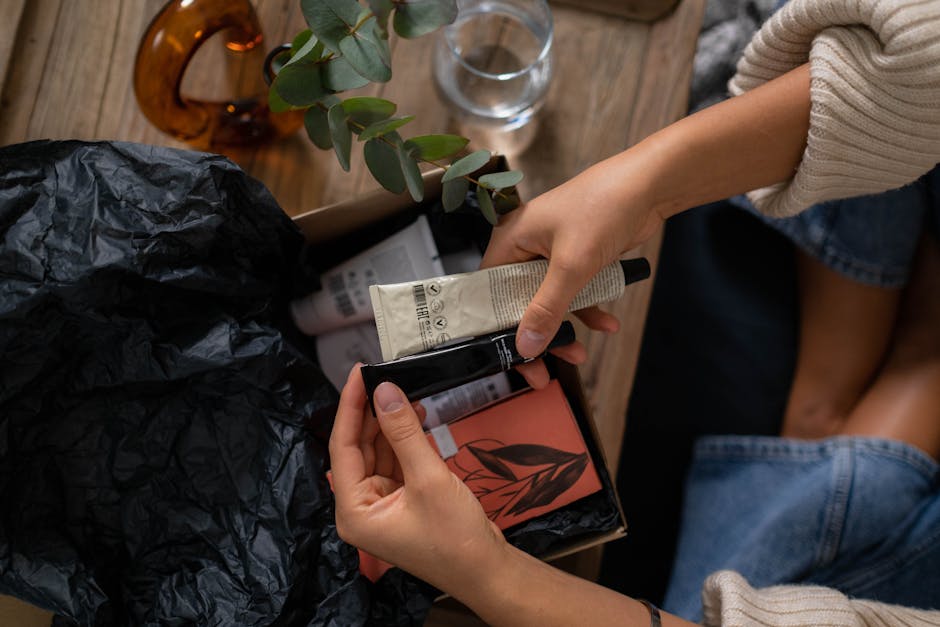
Visual identity matters more than most categories. Your box is a physical product that customers photograph and share. The packaging, the tissue paper, the product arrangement, the printed materials inside — every visual element is marketing. Invest in packaging design that photographs well under natural light and looks share-worthy on social media.
Your brand story should be consistently reflected across every channel — your website, social media profiles, email communications, and the physical box itself. Inconsistency confuses customers and weakens the emotional connection that keeps them subscribed.
Unboxing Content Strategy
Unboxing content is the single most powerful marketing asset for subscription box brands. It serves dual purposes: it acts as social proof for potential subscribers and it generates excitement for existing ones.
Create your own unboxing content first. Do not rely entirely on customers or influencers to create it for you. Produce high-quality unboxing videos and photo series each month that showcase the products, explain the curation theme, and highlight the total retail value versus the subscription price. Publish these across YouTube, Instagram Reels, TikTok, and your website.
Make your box easy to unbox on camera. This sounds trivial, but it matters. Products should be arranged in a visually appealing order. Include a card that lists every item with a brief description. Use tissue paper or filler that creates a satisfying reveal moment. Small details — a handwritten note, a bonus sample, a seasonal touch — create content-worthy surprises that people want to share.
Encourage subscriber-generated unboxing content. Include a branded hashtag card in every box. Run monthly competitions where the best unboxing post wins a free box or a bonus item. Feature subscriber content on your own channels. This creates a virtuous cycle: subscribers create content, which attracts new subscribers, who create more content.
Repurpose unboxing content across channels:
- Full unboxing video on YouTube for long-form engagement
- 60-second edit for Instagram Reels and TikTok
- Product flat-lay photos for Instagram feed and Pinterest
- Individual product highlights for Instagram Stories
- GIF or short clip for email marketing campaigns
- Product review write-ups for your blog and e-commerce marketing pages
Time your content releases strategically. Publish teaser content before boxes ship, unboxing content the day boxes arrive, and review content one to two weeks later. This cadence keeps your brand visible throughout the month, not just on delivery day.
Influencer Partnerships
For subscription box brands, influencer marketing is not optional — it is one of the most efficient acquisition channels available. The format lends itself naturally to content creation: an influencer opening a curated box of products is inherently more interesting than a standard product review.
Choose influencers based on audience fit, not follower count. A micro-influencer with 5,000 engaged followers in your exact niche will outperform a mega-influencer with 500,000 followers and low engagement. For a Singapore-focused snack subscription box, a local food blogger with a loyal following is more valuable than a generic lifestyle influencer.
Structure partnerships for measurable results. Give each influencer a unique discount code or tracking link. This lets you calculate the exact cost per acquisition from each partnership. A typical structure in Singapore:
- Send the influencer three months of free boxes so they can genuinely experience the subscription
- Agree on deliverables — one YouTube video, two Instagram Reels, and three Stories per box
- Provide a unique discount code offering 10 to 20 per cent off the first box
- Pay a flat fee or commission per sign-up, depending on the influencer’s preference
Long-term partnerships outperform one-offs. An influencer who mentions your box once creates a small spike. An influencer who features your box monthly builds familiarity and trust with their audience. The second and third mentions typically convert better than the first because the audience has seen the influencer genuinely use and enjoy the product.
Diversify across platforms. YouTube unboxing videos have the longest shelf life — they continue generating views and sign-ups for months. TikTok and Instagram Reels drive spiky, high-volume traffic. Blogs and newsletters offer detailed reviews that rank in search results. A balanced mix across platforms reduces your dependence on any single channel.
Referral Programmes That Work
Referral programmes are the highest-converting acquisition channel for subscription boxes because they leverage existing subscriber trust. When a friend recommends a subscription, the conversion rate is dramatically higher than any ad or influencer post.
Design a double-sided incentive. Reward both the referrer and the referee. Common structures include:
- Referrer gets a free bonus item in their next box; referee gets 15 per cent off their first box
- Referrer earns credit towards a free box for every three successful referrals
- Both referrer and referee receive a surprise gift when the referral subscribes for two or more months
Make referring effortless. Generate a unique referral link for every subscriber, accessible from their account dashboard and included in post-purchase emails. The fewer steps required to share and redeem a referral, the more referrals you will receive.
Promote the referral programme at high-excitement moments. The best time to ask for a referral is immediately after the subscriber receives and opens their box — when excitement and satisfaction are at their peak. Include a referral card inside the box, send a referral reminder email on delivery day, and display a referral prompt on the order tracking page.
Track referral programme performance rigorously. Measure not just the number of referrals generated, but the retention rate of referred subscribers versus non-referred ones. Referred customers typically have 15 to 25 per cent higher retention rates because they entered the subscription with a trusted recommendation.
Gamification can boost participation. Create referral tiers — one referral earns a bonus item, three earns a free box, five earns a limited-edition box. Display a leaderboard or progress tracker in the subscriber’s account to motivate continued referral activity.
Email Marketing for Retention
For subscription box brands, email marketing is primarily a retention tool. Acquiring a subscriber is expensive; keeping them is where profitability lives. A structured email programme can reduce churn by 20 to 30 per cent.
The welcome sequence sets expectations and builds anticipation:
- Email 1 (immediate): Order confirmation with expected delivery date and what to expect
- Email 2 (day 2): Founder welcome message with the brand story and community invitation
- Email 3 (day 5): “Getting ready” email with a teaser of one item in the upcoming box
- Email 4 (shipping day): Tracking notification with unboxing tips
- Email 5 (delivery + 2 days): Check-in asking about the box, linking to the referral programme
Monthly engagement emails keep subscribers connected between deliveries:
- Box reveal email with the theme and product highlights
- Product deep-dive emails featuring one item from the box with usage tips
- Community content round-up featuring subscriber unboxing posts
- Upcoming box teaser to build anticipation for the next delivery
Churn prevention emails target at-risk subscribers. Monitor engagement signals — someone who has not opened emails in two months or who has not visited the site since their last box is at risk. Send re-engagement campaigns with exclusive offers, sneak peeks of upcoming boxes, or a survey asking how the box could better meet their needs.
When a subscriber cancels, trigger a win-back sequence. Offer a discounted return rate, a skip-a-month option, or a different subscription tier. Many cancellations are driven by temporary factors — budget tightness, travel, or product fatigue — and a well-timed win-back email can recover 10 to 15 per cent of churned subscribers.
Paid Acquisition Channels
Organic growth is important but rarely sufficient to scale a subscription box business. Paid acquisition channels provide the volume needed to grow your subscriber base quickly.
Facebook and Instagram Ads remain the primary paid channel for most subscription box brands. The visual format suits unboxing content perfectly. Use video ads showing the box being opened, carousel ads featuring individual products, and testimonial ads from real subscribers. Target lookalike audiences based on your existing subscriber list for the most efficient acquisition.
Google Ads capture high-intent searchers. Someone searching “snack subscription box Singapore” or “monthly coffee delivery” has clear intent to subscribe. E-commerce marketing through search campaigns should target these specific category keywords and competitor brand names.
TikTok Ads work exceptionally well for subscription boxes targeting younger demographics. Spark Ads — which boost organic creator content as paid ads — blend into the feed and feel less like advertising. Partner with creators to produce TikTok-native content, then amplify the best-performing posts through Spark Ads.
Marketplace presence on platforms like Shopee and Lazada can introduce your brand to new audiences. While the margins are tighter due to platform fees, marketplaces provide discovery that your standalone website cannot. Use customer retention strategies to convert marketplace buyers into direct subscribers.
Track cost per acquisition (CPA) across all channels and compare it against subscriber lifetime value (LTV). A healthy subscription box business maintains an LTV-to-CPA ratio of at least 3:1. If your average subscriber stays for eight months at $39 per month (LTV of $312), your target CPA should be under $104.
Reducing Churn
Churn is the single biggest threat to subscription box profitability. Reducing monthly churn by even one or two percentage points has a dramatic compounding effect on your subscriber base and revenue over time.
Understand why subscribers cancel. Implement a cancellation survey that captures the reason for every churn event. Common reasons include:
- Product fatigue — receiving items they do not use or enjoy
- Budget constraints — the subscription feels like a non-essential expense
- Accumulated backlog — products piling up faster than they are used
- Unmet expectations — the perceived value does not match the price
Address each churn driver systematically:
For product fatigue, introduce customisation. Let subscribers set preferences, choose between box variants, or swap items they do not want. Even simple choice — picking between two themes — increases perceived control and satisfaction.
For budget constraints, offer flexible plans. A bimonthly option, a smaller box at a lower price point, or a seasonal (quarterly) subscription gives price-sensitive subscribers alternatives to outright cancellation.
For accumulated backlog, offer a skip function. Letting subscribers skip a month without cancelling preserves the relationship and reduces the guilt of unused products piling up. Most subscribers who skip return the following month.
For unmet expectations, improve onboarding. Set clear expectations during sign-up about what each box contains, the retail value, and how products are curated. Misaligned expectations are often set at the acquisition stage, not the delivery stage.
Measure churn cohorts, not just overall churn rate. Track retention by sign-up month to identify whether recent cohorts are retaining better or worse than earlier ones. This reveals whether your product and marketing improvements are actually working. A brand with improving cohort retention is in a strong position even if overall churn appears stable.
Frequently Asked Questions
How much should a subscription box brand spend on marketing in Singapore?
Most subscription box brands allocate 25 to 40 per cent of revenue to marketing during the growth phase. This is higher than many other e-commerce categories because subscription businesses need to invest heavily in acquisition upfront, with profitability coming from ongoing retention. As your subscriber base matures and organic channels (referrals, word-of-mouth, SEO) contribute a larger share of sign-ups, marketing spend as a percentage of revenue typically drops to 15 to 25 per cent.
Which social media platform is most effective for subscription box marketing?
Instagram and TikTok are the most effective platforms for subscription box brands in Singapore. Instagram provides the broadest reach across demographics and supports multiple content formats — Reels, Stories, carousels, and feed posts. TikTok drives the highest engagement for unboxing content and reaches younger audiences. YouTube is best for long-form unboxing videos that rank in search and convert over time. Most brands should prioritise two platforms rather than spread thinly across all of them.
How do I price my subscription box for profitability?
Price your box so that the perceived retail value of the contents is at least two to three times the subscription price. This creates a compelling value proposition for the customer while maintaining your margins. Factor in product cost (aim for 30 to 40 per cent of subscription price), packaging (5 to 10 per cent), shipping (10 to 15 per cent), and marketing (25 to 35 per cent). The remaining margin covers operations and profit. Test pricing with annual versus monthly plans — annual subscribers who pay upfront provide cash flow and have significantly lower churn.
What is a good churn rate for a subscription box business?
Monthly churn rates of 8 to 12 per cent are typical for subscription box businesses in Singapore. Best-in-class brands achieve 5 to 7 per cent monthly churn. Anything above 15 per cent indicates a fundamental problem with product-market fit, pricing, or the subscriber experience. Track churn by cohort, not just as an overall metric, and benchmark against your own historical performance rather than industry averages, as churn rates vary significantly by category and price point.
Should I sell on marketplaces like Shopee in addition to my own website?
Marketplaces can be an effective discovery channel, but treat them as a top-of-funnel tool rather than your primary sales platform. Sell one-off boxes or trial boxes on marketplaces to introduce your brand to new audiences, then include inserts that encourage them to subscribe directly through your website. Direct subscribers are more profitable because you avoid marketplace commission fees and have full control over the customer relationship, email communication, and retention strategies.



 English
  Chinese
  Malay
Malay  Korean