Marketing for Home Decor Brands: How to Grow Your Brand in Singapore
The home decor market in Singapore is shaped by a unique combination of factors — a high rate of homeownership, a constant pipeline of BTO flat completions, a design-savvy population, and the influence of global trends filtered through a distinctly Singaporean lens. For home decor brands, this translates to consistent demand but fierce competition from both local retailers and international e-commerce platforms.
Effective home decor marketing in Singapore requires a strategy that combines visual storytelling, strategic platform selection, and an understanding of how Singaporeans shop for their homes. This guide covers the marketing channels and tactics that work best for home decor brands in Singapore’s market.
Singapore’s Home Decor Market Landscape
Before diving into specific tactics, it is worth understanding the dynamics that shape home decor marketing in Singapore:
- BTO pipeline: Thousands of BTO flats are completed each year, creating a predictable wave of new homeowners who need to furnish and decorate their homes from scratch. These buyers are typically in their late twenties to early thirties, digitally native, and heavily influenced by social media.
- Resale and renovation cycle: Beyond new builds, a significant portion of demand comes from homeowners renovating resale flats or upgrading their existing decor. These buyers tend to be older, more established, and willing to invest in quality pieces.
- Compact living: Singapore’s relatively small living spaces drive demand for space-efficient, multi-functional, and minimal design. Marketing that acknowledges space constraints resonates strongly.
- Design trends: Singaporean homeowners are heavily influenced by Scandinavian minimalism, Japanese wabi-sabi, mid-century modern, and industrial aesthetics. Understanding which trends your products align with helps you target the right audience.
- Price sensitivity with aspiration: While Singaporeans are practical about pricing, there is a growing willingness to invest in statement pieces and quality craftsmanship. The market supports both mass-market and premium positioning.
For a comprehensive digital approach to reaching home decor buyers, our e-commerce marketing services cover the full funnel from awareness to purchase.
Pinterest Marketing for Home Decor
Pinterest is arguably the most underutilised marketing platform for home decor brands in Singapore. While Instagram dominates social media budgets, Pinterest offers unique advantages that make it ideal for home decor marketing.
 Pinterest Marketing for Home Decor — Marketing for Home Decor Brands: How to Grow Your Brand in Singapore” loading=”lazy” class=”wp-image-16482″>
Why Pinterest Works for Home Decor
- Purchase intent: Pinterest users are planners, not just browsers. When someone creates a board called “BTO Living Room Ideas,” they are actively planning a purchase. This intent-driven behaviour is similar to search engine marketing.
- Long content lifespan: An Instagram post reaches peak visibility within 24-48 hours. A Pinterest Pin can drive traffic for months or even years. This compounding effect makes Pinterest exceptionally cost-effective.
- Visual discovery: Home decor is inherently visual. Pinterest’s grid layout, similar image suggestions, and zoom functionality are purpose-built for browsing decor products.
- Direct product linking: Every Pin can link directly to a product page, shortening the path from inspiration to purchase.
Pinterest Strategy for Home Decor Brands
Build your Pinterest marketing strategy around these pillars:
- Product Pins: Pin every product with a high-quality styled photo, a clear description including dimensions and price, and a direct link to the product page on your website.
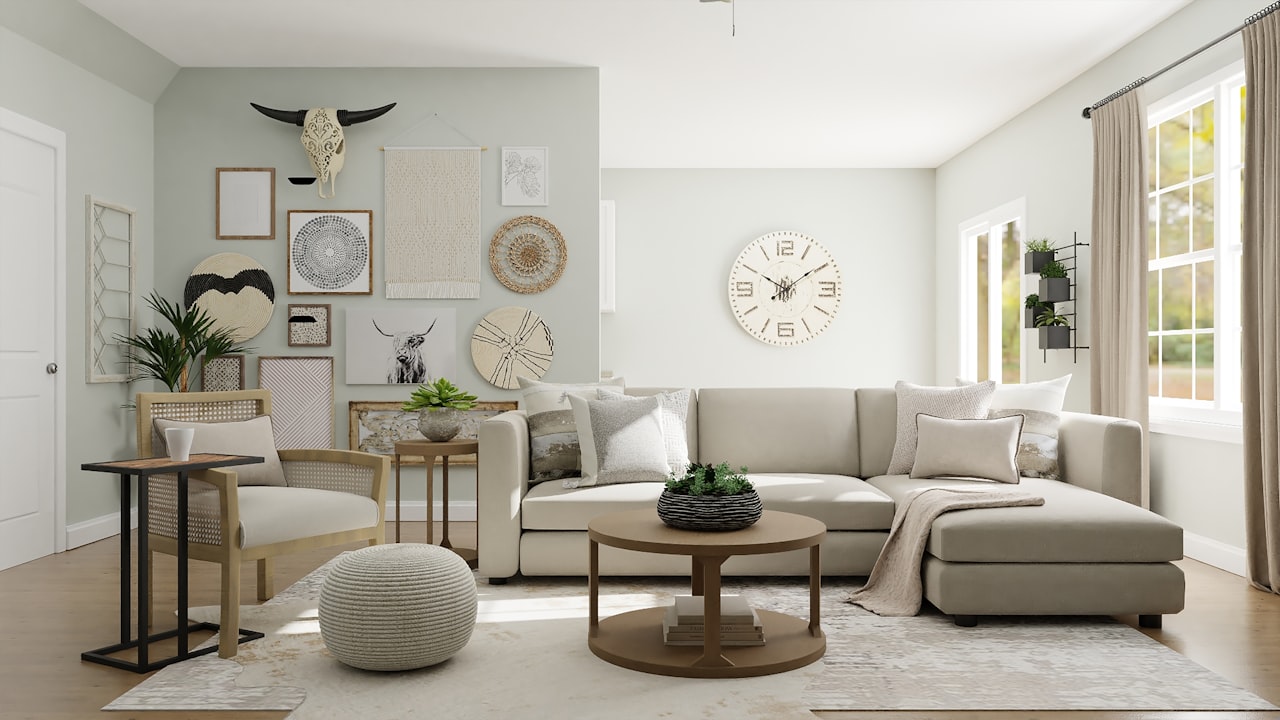
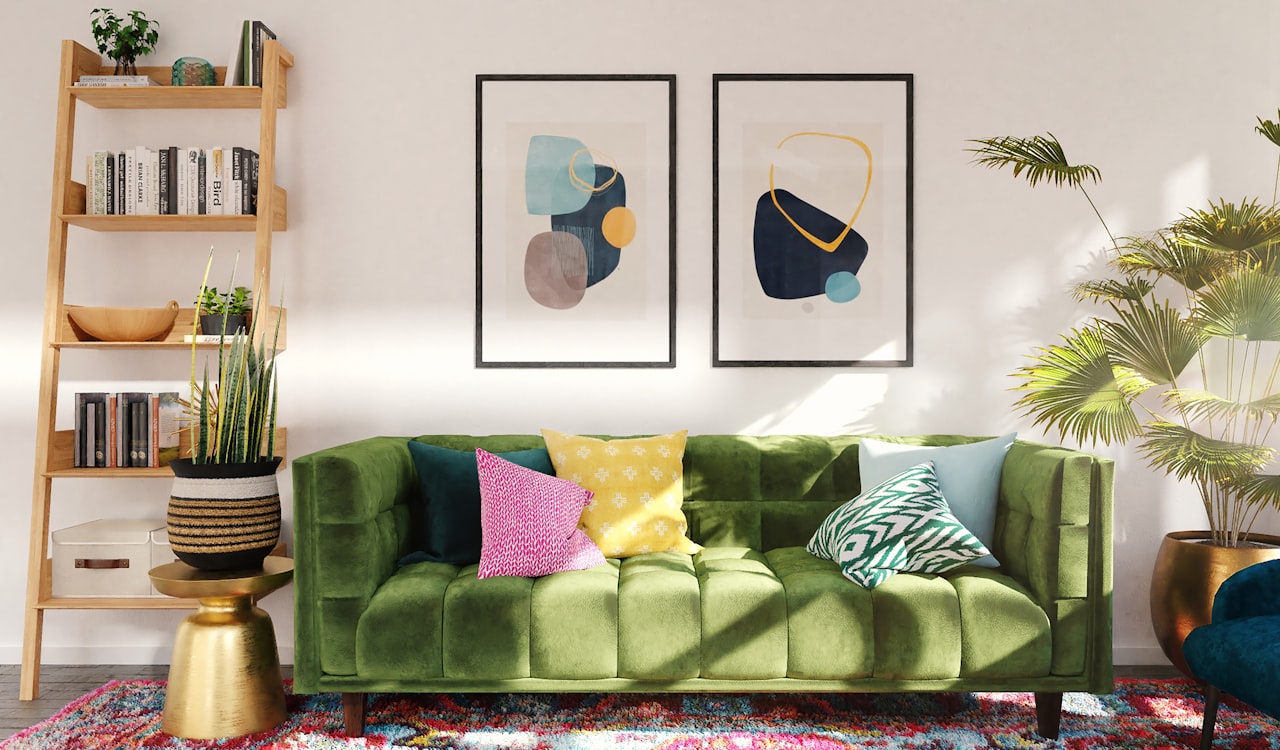
- Lifestyle Pins: Create styled room shots showing your products in context — a cushion on a sofa, a lamp on a bedside table, a vase on a shelf. These inspire buyers and demonstrate how your products fit into real homes.
- Idea Pins: Multi-image Pins that walk through styling tips, room makeovers, or seasonal decor ideas. These build engagement and follower growth.
- Board strategy: Create boards organised by room (Living Room, Bedroom, Kitchen), style (Minimalist, Scandinavian, Industrial), and occasion (BTO Furnishing, Festive Decor, Small Space Solutions).
Pinterest SEO
Pinterest functions as a visual search engine. Optimise your Pins for discovery:
- Use keyword-rich Pin titles: “Minimalist Rattan Coffee Table for Small HDB Living Rooms”
- Write detailed descriptions with relevant keywords: Include room types, styles, colours, and Singapore-specific terms
- Use relevant hashtags sparingly — 3-5 per Pin
- Pin consistently — aim for 5-15 Pins per day, mixing product Pins with curated content
Instagram Strategy for Home Decor Brands
Instagram remains the primary social platform for home decor marketing in Singapore. Its visual nature, Stories functionality, and shopping features make it a natural fit for decor brands.
Content Pillars for Instagram
Structure your Instagram marketing around consistent content pillars:
- Styled product photography: High-quality, aspirational images of your products in beautiful settings. These form the visual identity of your brand on the grid.
- Customer home features: Repost or feature how real customers have styled your products in their Singapore homes. This user-generated content is authentic and relatable.
- Behind the scenes: Show your sourcing trips, design process, quality checks, or warehouse operations. This humanises your brand and builds connection.
- Styling tips and education: Short-form content teaching followers how to style a bookshelf, choose curtain lengths, or mix and match cushion covers.
- Reels: Short videos showing room transformations, product unboxings, or styling time-lapses. Reels consistently achieve higher reach than static posts.
Instagram Shopping
Set up Instagram Shopping to tag products directly in your posts and Stories. This allows followers to browse and buy without leaving the app. For home decor brands, shoppable posts significantly reduce friction between inspiration and purchase.
Stories and Engagement
Use Instagram Stories for daily engagement:
- New arrivals: Announce new products with swipe-up links (or link stickers)
- Polls and quizzes: “Which colour suits this space better?” or “Guess the price of this lamp” drive interaction
- Customer Q&A: Answer common questions about materials, sizing, delivery, and styling
- Countdown stickers: Build anticipation for product launches or sales events
For a deeper exploration of Instagram tactics, our Instagram marketing in Singapore guide covers platform-specific strategies.
E-Commerce SEO for Home Decor
Organic search is a powerful channel for home decor brands. Singaporeans frequently search for specific products, styles, and solutions on Google, and ranking for these searches drives high-intent traffic to your website.
Product Page SEO
Optimise every product page for search:
- Title tags: Include the product name, key attribute, and “Singapore” — for example, “Solid Oak Dining Table 160cm | Free Delivery Singapore”
- Meta descriptions: Compelling summaries that include product dimensions, material, and a call to action
- Product descriptions: Detailed, unique descriptions (at least 200 words) covering material, dimensions, care instructions, and styling suggestions. Avoid copying manufacturer descriptions.
- Alt text: Descriptive alt text for every product image, incorporating relevant keywords naturally
Category Page SEO
Category pages are often your highest-traffic pages. Optimise them by:
- Writing unique introductory text (150-300 words) for each category
- Using descriptive category names that match search queries: “Rattan Furniture” not just “Natural Collection”
- Implementing breadcrumb navigation and schema markup
- Including filters for price, material, colour, and room type
Content Marketing for Home Decor SEO
Create blog content targeting informational keywords:
- “How to style a small HDB living room”
- “Best sofa size for 4-room BTO flat”
- “Scandinavian decor ideas for Singapore homes”
- “Where to buy rattan furniture in Singapore”
- “How to choose curtains for HDB BTO”
This content attracts visitors early in their buying journey and introduces them to your brand. Include internal links to relevant product pages within each article to guide readers towards purchase.
Influencer and Interior Designer Collaborations
Influencer marketing drives significant results for home decor brands because the category is aspirational and visual. Seeing a product in someone’s beautifully styled home is far more persuasive than any product photo on a white background.
Types of Influencer Partnerships
- Home and lifestyle influencers: Creators who share their home styling, renovation journey, or daily life at home. Their followers are actively interested in decor and interior design.
- Interior designers: Professional IDs who feature products in their projects. While more expensive, their endorsement carries significant professional credibility.
- BTO journey influencers: A uniquely Singaporean category — influencers documenting their BTO flat journey from key collection to renovation to styling. Their audience is precisely your target market.
- Mummy bloggers: For family-oriented decor (kids’ room furniture, storage solutions, family dining), parent influencers reach an engaged audience with purchasing power.
Structuring Partnerships
Effective home decor influencer partnerships go beyond a single post:
- Product seeding: Send products to influencers in exchange for honest reviews. This works well for smaller items like cushion covers, candles, or small decor pieces.
- Room makeover collaborations: Partner with an influencer to restyle a room using your products. This creates substantial content — multiple posts, Stories, and possibly a YouTube video.
- Affiliate programmes: Provide influencers with unique discount codes and pay a commission on sales they generate. This aligns incentives and makes ROI directly measurable.
For brands exploring the interior design marketing space, we cover how decor and design businesses can build digital presence effectively.
BTO and New Homeowner Targeting
BTO flat completions represent the most concentrated home decor marketing opportunity in Singapore. Thousands of new homeowners simultaneously need everything — furniture, lighting, textiles, kitchenware, and decorative accessories.
Understanding the BTO Buyer Journey
The BTO buyer journey typically follows this timeline:
- 12-18 months before key collection: Research phase — browsing Pinterest, Instagram, and renovation forums for inspiration. They create mood boards and shortlist styles.
- 6-12 months before: Planning phase — selecting renovation contractors, finalising floor plans, and starting to compare furniture options.
- 3-6 months before: Purchasing phase — actively buying furniture and major decor items, especially those with long lead times.
- 0-3 months after key collection: Furnishing phase — buying remaining items, accessories, and decor to complete their homes.
Targeting BTO Homeowners
Reach BTO homeowners through these channels:
- Facebook and Instagram ads: Target users interested in “BTO renovation,” “HDB interior design,” and “new home furnishing.” Facebook’s detailed targeting allows you to reach people in specific life events and interest categories.
- Google Ads: Bid on keywords like “BTO furniture Singapore,” “HDB living room furniture,” and “new home decor Singapore.”
- Content marketing: Create BTO-specific content — “Complete BTO Furnishing Checklist,” “Budget Guide for 4-Room BTO Decor,” or “Best Furniture Stores for BTO Homeowners.”
- Forum and community engagement: BTO homeowners are active on HardwareZone forums and Facebook groups dedicated to specific estates. Engaging authentically in these communities builds awareness.
BTO-Specific Campaigns
Create campaigns tailored to BTO homeowners:
- Room packages: Offer curated packages — “4-Room BTO Living Room Package” with a sofa, coffee table, TV console, and rug at a bundled price. This simplifies decision-making for overwhelmed new homeowners.
- Staged styling guides: Show how your products look in actual HDB flat dimensions. Generic lifestyle photos from overseas homes do not resonate because the room proportions are different.
- Delivery and assembly guarantees: BTO homeowners coordinate multiple deliveries during a narrow window. Offering guaranteed delivery dates and professional assembly removes friction.
Social Commerce and Marketplace Strategy
Beyond your own website, home decor brands in Singapore can leverage social commerce platforms and marketplaces to expand their reach.
Shopee and Lazada
These marketplaces dominate e-commerce in Singapore. For home decor brands, they offer volume but present challenges:
- Price competition: Marketplaces encourage price comparison, which can erode margins. Counter this by offering marketplace-exclusive bundles or entry-level products while reserving premium items for your own website.
- Brand presentation: Marketplace storefronts offer limited branding compared to your own website. Invest in quality product photos and detailed descriptions.
- Fulfilment: Marketplace customers expect fast delivery. Ensure your logistics can handle order volumes without compromising the direct website experience.
TikTok Shop
TikTok Shop is growing rapidly in Singapore for home decor. Short-form video content showing product styling, unboxings, and room transformations drives impulse purchases. The platform particularly suits smaller, lower-price-point decor items — candles, cushion covers, wall art, and organisers.
Building a Direct-to-Consumer Channel
While marketplaces and social commerce drive volume, your own website should remain the centrepiece of your home decor marketing strategy. It offers the highest margins, full brand control, and direct customer relationships. Use marketplaces as acquisition channels, then nurture customers towards your website for repeat purchases through email marketing and loyalty programmes.
Frequently Asked Questions
Which social media platform works best for home decor marketing in Singapore?
Instagram is the primary platform for brand building and engagement, with its visual grid and Shopping features. Pinterest drives the highest purchase intent and longest content lifespan. TikTok is growing rapidly for product discovery, particularly through short-form video content. The best approach uses all three with content tailored to each — Instagram for brand identity, Pinterest for search and inspiration, and TikTok for reach.
How can home decor brands target BTO homeowners effectively?
Target BTO homeowners through a combination of Facebook and Instagram ads with interest-based targeting, Google Ads bidding on BTO-specific keywords, and content marketing addressing BTO-specific concerns like space planning and budget management. Create product packages designed for common HDB flat types (3-room, 4-room, 5-room) and show your products styled in realistic HDB dimensions rather than oversized showroom settings.
Should home decor brands sell on Shopee and Lazada?
Marketplaces can drive volume and brand discovery, but margins are lower due to platform fees and price competition. Use marketplaces strategically — list entry-level products or marketplace-exclusive bundles to attract new customers, then convert them to your own website for repeat purchases. Protect your premium product range for your direct channel where you control pricing, branding, and the customer relationship.
How much should a home decor brand spend on marketing in Singapore?
Most home decor brands allocate 12-20% of revenue to marketing. For a brand generating $80,000 per month, this means $9,600-$16,000 in marketing spend. Allocate across channels based on ROI — typically 30-40% to paid ads (Google and social), 20-25% to content and SEO, 15-20% to influencer partnerships, and the remainder to email, marketplaces, and retention initiatives. New brands may need to invest more heavily (20-25% of revenue) to build initial awareness.
What type of content performs best for home decor brands?
Styled room photography consistently outperforms product-only images across all platforms. Content that shows products in real Singapore homes — particularly HDB flats — resonates strongly because buyers can visualise the products in their own spaces. Educational content like styling guides, space planning tips, and trend roundups drives search traffic and positions your brand as an authority. Video content, especially room transformation Reels and TikToks, achieves the highest organic reach and engagement.