
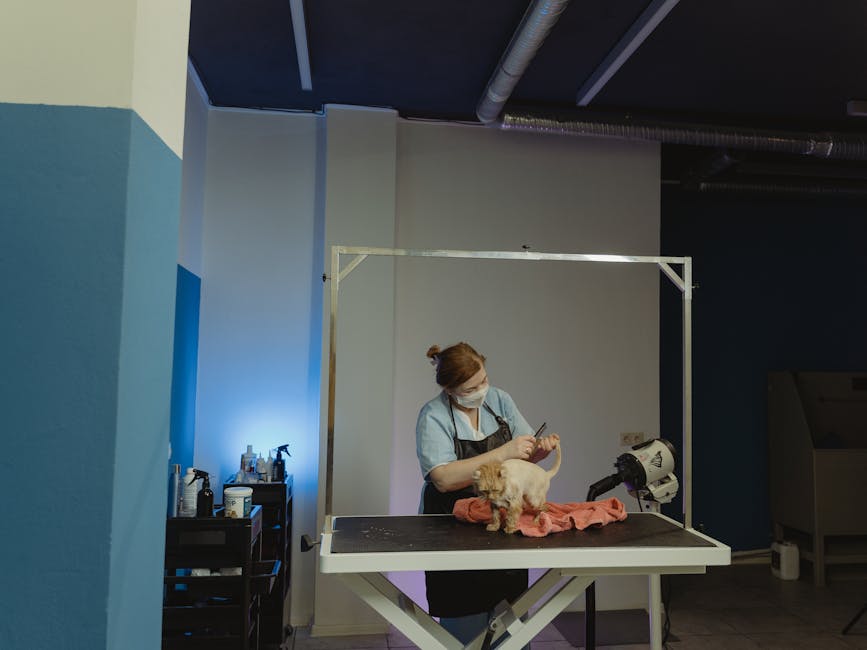
Marketing for Pet Businesses: How to Grow Your Brand in Singapore
Singapore Pet Industry Overview
Singapore’s pet industry has grown substantially over the past decade. With more than 300,000 pet-owning households and rising spending on premium pet products and services, the market offers significant opportunities for businesses that market themselves effectively.
The industry spans pet shops, grooming salons, veterinary clinics, boarding facilities, pet food brands, pet training services, and pet-friendly cafes. Each segment has unique marketing challenges, but they share common ground: pet owners are emotionally invested, highly engaged on social media, and willing to spend on quality.
Competition is intensifying. New pet businesses open regularly, and online retailers undercut brick-and-mortar shops on price. A solid digital marketing strategy is no longer optional — it is the difference between a thriving pet business and one that struggles to attract new customers.
Pet owners in Singapore are predominantly millennials and Gen Z, demographics that discover businesses through Google, Instagram, and TikTok rather than traditional advertising. They read reviews before booking grooming appointments, compare prices online before visiting pet shops, and follow pet influencers for product recommendations.
Understanding these behaviours is the foundation of effective pet business marketing. You need to be visible where your customers search, engaging where they scroll, and trustworthy where they evaluate.
Local SEO for Pet Businesses
For most pet businesses, customers come from within a 5-to-10-kilometre radius. A pet groomer in Toa Payoh is not competing with one in Jurong — they are competing with other groomers nearby. This makes local SEO the single most important marketing channel for pet businesses.
Local SEO determines whether your business appears in Google’s map pack when someone searches “pet grooming near me,” “vet clinic Tampines,” or “pet shop Bukit Timah.” These searches have extremely high purchase intent. The person is ready to book or buy — they just need to find you.
Start with your Google Business Profile. This is the foundation of local SEO and the single most impactful action you can take. Follow these steps:
- Claim and verify your profile. If you have not already, claim your listing on Google Business Profile. Complete every field — business name, address, phone number, website, hours, and services offered.
- Choose accurate categories. Select the most specific primary category (e.g., “Pet Groomer” rather than “Pet Service”). Add relevant secondary categories for additional services you offer.
- Add high-quality photos. Upload photos of your shop, staff, grooming results, and happy pets. Businesses with photos receive 42 per cent more direction requests and 35 per cent more website clicks.
- Collect and respond to reviews. Reviews are the strongest local ranking factor after proximity. Ask satisfied customers to leave Google reviews. Respond to every review — positive and negative — professionally and promptly.
- Post regular updates. Use Google Business Profile posts to share promotions, new products, seasonal services, and pet care tips. This signals to Google that your listing is active and relevant.
For detailed guidance on optimising your profile, our Google Business Profile guide covers the full process step by step.
Beyond your Google Business Profile, build local citations on directories like Yelp Singapore, SgPetShop, and Yellow Pages Singapore. Ensure your business name, address, and phone number are consistent across all platforms. Inconsistent NAP data confuses Google and hurts your local rankings.
On your website, create location-specific pages if you have multiple outlets. A page targeting “pet grooming Bishan” with locally relevant content will rank better than a generic services page for searches in that area.
Social Media Marketing for Pet Brands
Pet businesses have a natural advantage on social media: pets are inherently engaging content. A well-shot grooming transformation video or a playful puppy in your shop can outperform content from brands spending thousands on production. The key is consistency and strategy.
For most pet businesses in Singapore, Instagram and TikTok are the primary platforms. Facebook remains relevant for community groups and local advertising but has lower organic reach for business pages.
Instagram strategy. Post three to five times per week with a mix of content types. Before-and-after grooming photos perform consistently well. Behind-the-scenes content showing your staff caring for animals builds trust. Product spotlights with honest reviews generate saves and shares. Use Instagram Reels for short-form video content — the algorithm currently favours Reels over static posts. For deeper Instagram tactics, see our guide on Instagram marketing in Singapore.
TikTok strategy. TikTok’s algorithm is discovery-based, meaning even accounts with few followers can reach large audiences with the right content. Pet content trends on TikTok include grooming ASMR videos, pet reaction clips, day-in-the-life of a pet shop, and pet care tips. Post daily if possible — TikTok rewards volume and consistency.
A dedicated social media marketing service can help maintain posting consistency while you focus on running your business. The biggest mistake pet businesses make on social media is posting sporadically — three posts in one week, then nothing for a month. Algorithms penalise inconsistency.
Engage with your community actively. Reply to every comment, answer DMs promptly, and participate in local pet community hashtags. Engagement signals tell algorithms to show your content to more people.
User-generated content is a goldmine for pet businesses. Encourage customers to tag your business in posts featuring their pets. Repost this content (with permission) to build social proof and community loyalty. Create a branded hashtag and promote it in-store and on receipts.
Influencer and Community Marketing
Singapore has a thriving pet influencer community. Accounts like popular local pet Instagram and TikTok profiles command engaged audiences of pet owners — your exact target market. Partnering with pet influencers is one of the most effective marketing channels for pet businesses.
A strategic influencer marketing programme for pet businesses should consider the following:
Micro-influencers over macro-influencers. A local pet account with 5,000 highly engaged followers in Singapore delivers more value than a generic lifestyle influencer with 100,000 followers. Micro-influencers have higher engagement rates, more trusted recommendations, and lower costs.
Gifting and service exchanges. Many pet influencers are happy to create content in exchange for free grooming sessions, product samples, or store credit. This keeps costs low while generating authentic content. A grooming salon can invite pet influencers for a complimentary session and receive multiple posts and stories in return.
Long-term partnerships over one-off posts. A single sponsored post has limited impact. Building ongoing relationships with three to five pet influencers creates sustained visibility. Their followers see your brand repeatedly, building familiarity and trust over time.
Event collaborations. Host pet meetups, adoption drives, or product launch events and invite influencers to attend and cover the event. These gatherings generate content from multiple creators simultaneously and build community around your brand.
Beyond influencer marketing, community involvement is powerful for pet businesses. Sponsor local pet adoption events, partner with animal welfare organisations like SPCA Singapore, and participate in HDB pet-related community initiatives. These activities generate goodwill, local press coverage, and word-of-mouth referrals.
Pet owner Facebook groups and Telegram channels are active in Singapore. Do not spam these groups with promotions — instead, contribute genuine advice, answer questions, and become a trusted voice. When group members need a pet service, they will remember the business that helped without asking for anything in return.
Google Ads and Paid Campaigns
While SEO builds long-term visibility, Google Ads delivers immediate results. For pet businesses, paid search campaigns are particularly effective because search intent is clear and conversion paths are short.
The most effective Google Ads campaigns for pet businesses target:
- Emergency queries. “24-hour vet Singapore” or “emergency pet clinic near me.” These searchers need help immediately and will book with the first credible result they find.
- Service-specific queries. “Dog grooming [neighbourhood],” “cat boarding Singapore,” or “puppy training classes.” These are high-intent searches where the person has decided they need a service and is choosing a provider.
- Product queries. “Buy [brand] dog food Singapore” or “pet supplements online Singapore.” These capture ready-to-purchase customers.
Structure your campaigns around service categories. Create separate ad groups for grooming, boarding, veterinary services, and retail products. This allows you to write highly specific ad copy and direct clicks to relevant landing pages.
Use location targeting to restrict your ads to a realistic service radius. A pet grooming salon does not need to show ads to people 30 kilometres away. Set a 5-to-15-kilometre radius depending on your location and the competitive landscape.
Implement call tracking and conversion tracking from day one. Many pet business customers call rather than book online. Without call tracking, you cannot measure the true return on your ad spend.
For social media advertising, Facebook and Instagram ads work well for pet businesses because the targeting options include pet ownership interests. You can target people in specific neighbourhoods who are interested in dogs, cats, or specific pet breeds. Carousel ads showcasing grooming transformations or product collections perform particularly well.
Retargeting campaigns are cost-effective for pet businesses. Someone who visited your grooming page but did not book is a warm lead. Show them a retargeting ad with a first-visit discount to bring them back.
Email and Loyalty Marketing
Pet businesses have a significant advantage for retention marketing: pets need regular care. Dogs need grooming every four to eight weeks. Cats need annual vaccinations. Pet food runs out monthly. Once you acquire a customer, there are natural triggers for repeat business.
Build your email list from day one. Collect email addresses at checkout, during online bookings, and through your website. Offer a first-visit discount or a free pet care guide in exchange for sign-ups.
Effective email campaigns for pet businesses include:
- Appointment reminders. Automated emails reminding customers that their pet is due for grooming, vaccinations, or check-ups. These are service-oriented and appreciated rather than salesy.
- Birthday and adoption anniversary emails. Collect pet birthdays and adoption dates. Send a personalised email with a small discount or freebie. Pet owners love celebrating their pets, and these emails have exceptionally high open rates.
- New product announcements. When you stock a new food brand, toy line, or supplement, email customers who have purchased similar products.
- Seasonal campaigns. National Day pet safety tips, Chinese New Year pet care advice, or rainy season health reminders. These provide value while keeping your brand top of mind.
Loyalty programmes work exceptionally well for pet businesses. A simple stamp card — every tenth grooming session free — encourages repeat visits and reduces price comparison. Digital loyalty programmes through apps like Square Loyalty or custom solutions track purchases automatically and send rewards notifications.
WhatsApp is increasingly important for pet business communication in Singapore. Many customers prefer WhatsApp over email for booking confirmations, appointment reminders, and quick questions. Set up WhatsApp Business with automated greeting messages and quick replies for common questions about pricing, hours, and services.
Content Marketing for Pet Businesses
Content marketing for pet businesses serves two purposes: improving SEO rankings and establishing your brand as a trusted authority. Pet owners have endless questions about nutrition, behaviour, health, and care. If your website answers those questions, you attract organic traffic and build trust before the customer ever walks through your door.
Blog topics that perform well for pet businesses in Singapore include:
- Breed-specific care guides (e.g., “How to Care for a Shih Tzu in Singapore’s Climate”)
- Nutrition comparisons (e.g., “Raw Diet vs Kibble: What Singapore Vets Recommend”)
- Local guides (e.g., “Dog-Friendly Parks and Cafes in Singapore”)
- Seasonal content (e.g., “Keeping Your Pet Cool During Singapore’s Hottest Months”)
- Health topics (e.g., “Common Tick-Borne Diseases in Singapore and How to Prevent Them”)
- HDB pet regulations and updates
Each blog post should target a specific keyword phrase and link to your relevant services. A post about grooming frequency should link to your grooming services page. A post about pet nutrition should link to your product categories.
Video content multiplies the impact of your written content. Record a grooming tutorial, film a vet explaining a common health concern, or create a shop tour video. Publish these on YouTube (for SEO) and repurpose clips for Instagram Reels and TikTok.
Customer testimonials and case studies are powerful content for pet businesses. A story about how your grooming team handled a nervous rescue dog, or how your vet diagnosed a rare condition, demonstrates expertise and empathy. These stories resonate deeply with pet owners who want the best care for their animals.
Consistency matters more than volume. Publishing one high-quality blog post per week is better than publishing five mediocre ones. Each post should be genuinely useful, well-researched, and specific to the Singapore context.
Frequently Asked Questions
What is the most effective marketing channel for a new pet business?
For a new pet business in Singapore, local SEO and Google Business Profile optimisation should be the first priority. It is free, targets high-intent customers in your area, and delivers results relatively quickly. Once your local SEO foundation is set, add social media marketing for brand building and Google Ads for immediate lead generation. This combination covers both short-term and long-term customer acquisition.
How much should a pet business spend on marketing?
Most successful pet businesses in Singapore allocate between 8 and 15 per cent of revenue to marketing. A new business may need to spend on the higher end to build initial awareness, while an established business with strong word-of-mouth can invest less. Start with a minimum of $1,500 to $3,000 per month, split between Google Ads, social media content creation, and local SEO optimisation.
Which social media platform works best for pet businesses?
Instagram and TikTok are the strongest platforms for pet businesses in Singapore. Instagram works best for grooming salons and premium pet product brands due to its visual, aspirational nature. TikTok works well for all pet businesses because pet content naturally performs well on the platform. Facebook remains useful for community engagement and local advertising, particularly for reaching older pet owners.
How can pet businesses compete with online retailers?
Focus on services and experiences that cannot be replicated online. Expert advice, personalised product recommendations, grooming services, and community events create value beyond price. For product sales, offer subscription delivery for recurring purchases, bundle products with services, and emphasise the convenience of local pickup. Build a loyalty programme that rewards repeat purchases and makes switching to an online retailer feel like a loss.
Should pet businesses invest in influencer marketing?
Yes, but focus on local micro-influencers rather than large accounts. A pet grooming salon in Singapore can achieve significant results by partnering with five to ten local pet accounts with 2,000 to 10,000 followers each. These partnerships can often be structured as service exchanges rather than cash payments, making them cost-effective. The key is choosing influencers whose audience is geographically relevant to your business.



 English
  Chinese
  Malay
Malay  Korean