Local Link Building: How to Earn Backlinks from Singapore Businesses and Publications
Table of Contents
- Why Local Links Matter for Singapore SEO
- Singapore-Specific Link Opportunities
- Earning Links from Business Associations and Chambers
- Getting Featured in Local Media and Publications
- Community and Event-Based Link Building
- Supplier and Partner Link Strategies
- Measuring Local Link Quality
- Frequently Asked Questions
Why Local Links Matter for Singapore SEO
A local link building guide is essential for any Singapore business that wants to improve its search visibility for location-based queries. Backlinks from other Singapore websites send a strong geo-relevance signal to Google, telling the search engine that your business is established and trusted within the local market. While any quality backlink helps, links from websites with a Singapore focus carry extra weight for local search rankings.
Local links are also easier to earn than links from international authority sites. You have natural relationships with suppliers, partners, clients and community organisations in Singapore that can translate into genuine link opportunities. These relationships make your outreach warmer and more likely to succeed than cold-emailing international publishers.
The compounding effect of local links is significant. Each link from a Singapore business or publication reinforces your local authority, which improves your rankings in the map pack and local organic results. Over time, a strong local link profile creates a competitive advantage that is difficult for newcomers to replicate. When paired with consistent local citation building and a well-optimised Google Business Profile, local links complete the three pillars of local search dominance.
Singapore-Specific Link Opportunities
Singapore’s business ecosystem offers several unique link building opportunities. Government and statutory board websites like Enterprise Singapore, IMDA and various industry-specific agencies maintain business directories, resource pages and event listings that accept submissions. A link from a .gov.sg domain carries exceptional authority and trust.

Local directories such as SgLocate, Yellow Pages SG and Singapore Business Directory provide both citation signals and backlinks. While these links are typically less powerful than editorial links, they establish a baseline of local relevance that supports your overall SEO strategy. Ensure your listings on these platforms include a link to your website.
Singapore’s active media landscape provides opportunities through online publications like The Business Times, Marketing Interactive, e27 and Vulcan Post. These publications accept contributed articles, expert commentary and company news. A feature or quote in any of these publications earns you a high-authority link and genuine visibility among your target audience.
Industry associations in Singapore maintain member directories with links. The Singapore Business Federation, Association of Small and Medium Enterprises (ASME), various trade associations and professional bodies all offer member listings that include website links. The membership fee is often worth the link alone, not counting the networking and credibility benefits.
Earning Links from Business Associations and Chambers
Join relevant business associations and chambers of commerce. The Singapore Business Federation, ASME, Singapore Chinese Chamber of Commerce and Industry, and international chambers like the British Chamber of Commerce and American Chamber of Commerce all maintain online directories with member listings. These directories provide authoritative backlinks from well-established domains.
Go beyond simply joining. Volunteer for committees, speak at events, contribute to newsletters and participate in working groups. Active members get more visibility on association websites, including featured profiles, event speaker pages and news mentions that generate additional links beyond the standard directory listing.
Industry-specific associations offer even more targeted opportunities. A renovation company should join the Singapore Renovation Contractors and Material Suppliers Association. A tech company should join the Singapore Computer Society. These niche associations have smaller but highly relevant audiences, and their links carry strong topical authority.
Getting Featured in Local Media and Publications
Earning media coverage is one of the most effective local link building strategies because media links carry high authority and drive referral traffic. Start by identifying journalists and editors at Singapore publications who cover your industry. Build relationships before you need them by engaging with their content on social media and offering genuine insights.

Position yourself as an expert source by creating a media kit that includes your bio, high-resolution photos, key expertise areas and past media appearances. When a journalist needs a quote about your industry, you want to be the first person they think of. Respond to media queries quickly, provide clear and quotable answers, and always follow up with additional information if requested.
Contributed articles and guest posts in local business publications are another strong link source. Pitch practical, data-driven articles that provide genuine value to the publication’s readers rather than thinly veiled promotional pieces. Publications like Marketing Interactive, e27 and The Business Times regularly accept contributed content from industry practitioners.
Create newsworthy content that local media wants to cover. Original research, survey results, industry reports and data analyses specific to Singapore attract journalist attention because they provide unique local data that no one else has. Even a simple survey of your customer base can produce findings that a journalist would cite and link to in their coverage.
Community and Event-Based Link Building
Sponsoring local events, charity initiatives and community programmes generates backlinks from event websites, news coverage and social media mentions. Singapore has a vibrant events calendar with industry conferences, community festivals, charity runs and networking events that accept sponsors and partners.
Host your own events, workshops or webinars and promote them through local event listing platforms. Sites like Eventbrite, Peatix and Meetup all provide links to organiser profiles and event pages. The content you create around these events, such as recaps, speaker profiles and presentation materials, creates additional linkable assets.
Partner with educational institutions for guest lectures, mentorship programmes or research projects. Singapore’s universities, polytechnics and industry training organisations often link to collaborating businesses from their programme pages. These .edu.sg links carry strong authority and demonstrate genuine community engagement.
Support local causes that align with your brand values. Sponsoring a neighbourhood initiative, participating in a charity drive or supporting a local sports team generates links from organisers’ websites and social media pages. These links may not carry the highest domain authority individually, but they build a diverse and natural link profile that search engines trust.
Supplier and Partner Link Strategies
Your existing business relationships are an underutilised source of quality backlinks. Suppliers, vendors, distributors and business partners often maintain lists of their clients or partners on their websites. A simple request to be featured on their “Our Clients” or “Partners” page can earn you a relevant, high-quality link with minimal effort.
Provide testimonials to your suppliers and service providers. Most businesses display testimonials on their websites with a link back to the testimonial giver’s company. This is a genuine win-win: your supplier gets social proof, and you get a contextual backlink from a relevant business website.
Create co-branded content with complementary businesses. A web design agency might collaborate with a photographer on a guide to product photography for e-commerce. A restaurant might partner with a local brewery on a food-and-drink pairing guide. These collaborative pieces get published on both partners’ websites and naturally attract links from each other and from third-party sites that find the content useful.
If you are a content marketing practitioner, develop resources that your industry partners find genuinely useful. Calculators, templates, benchmark reports and how-to guides that address real problems in your industry attract links naturally over time. When the content is Singapore-specific, it fills a gap that international resources cannot, making it the default reference for local professionals.
Measuring Local Link Quality
Not all local links are equal. Evaluate link quality based on domain authority, relevance, traffic and placement. A link from a high-traffic Singapore business publication that is editorially placed within a relevant article is far more valuable than a link from an obscure directory that no one visits.
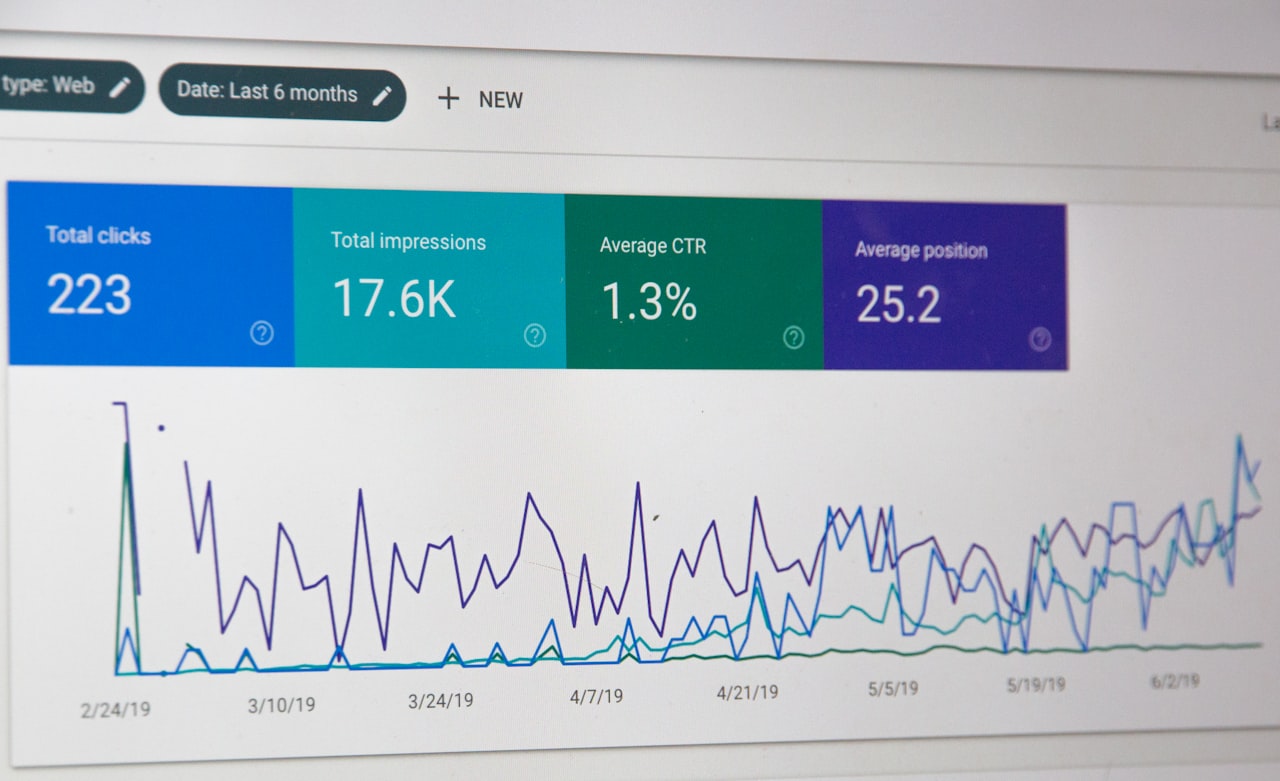
Use tools like Ahrefs, Moz or SEMrush to assess the domain authority and traffic of potential link targets before investing time in outreach. A website with a Domain Rating of 40 or above and genuine organic traffic is generally worth pursuing. Sites below DR 20 with no traffic may not be worth the effort unless they are highly relevant to your industry.
Track your local link acquisition monthly. Monitor new links earned, links lost and the overall composition of your backlink profile. A healthy link profile for a Singapore business should include a mix of directory links, media links, association links, partner links and editorial links. If any single category dominates, diversify your efforts to build a more natural profile.
Measure the impact of your link building on local rankings. Track your map pack positions and local organic rankings for your most important keywords. Correlate ranking improvements with your link building activities to understand which strategies deliver the best return on investment. This data-driven approach ensures your digital marketing budget is allocated to the activities that move the needle.
Frequently Asked Questions
How many local links does a Singapore business need?
There is no fixed number, but most businesses that rank well locally have 50-200 quality backlinks from a mix of local and relevant sources. Focus on earning five to ten quality local links per month through consistent outreach. Quality matters far more than quantity; ten links from authoritative Singapore websites outweigh hundreds from low-quality directories.
Are directory links still valuable for local SEO?
Yes, but they should not be your only link building strategy. Links from established Singapore directories like Yellow Pages SG and SgLocate contribute to your citation profile and local authority. They form a solid foundation that should be supplemented with higher-value editorial and partnership links.
How do I get links from Singapore news publications?
Build relationships with journalists, offer expert commentary on industry topics and pitch contributed articles with genuine editorial value. Create original research or data that journalists can reference. Respond quickly when media opportunities arise and always provide clear, quotable insights rather than promotional content.
Should I buy links from Singapore websites?
No. Buying links violates Google’s guidelines and carries a real risk of manual penalties. Google’s spam detection has become sophisticated enough to identify paid link patterns, and the penalties can devastate your local rankings. Invest the same budget in creating linkable content and building genuine relationships instead.
How long does it take for local links to improve rankings?
Individual links typically take four to eight weeks to be fully indexed and influence rankings. However, local link building is a cumulative strategy. You will see the most significant ranking improvements after three to six months of consistent effort, as the combined authority of multiple new links compounds over time.
Can I build local links for a new business with no connections?
Yes. Start with directory listings, join relevant business associations, attend networking events and offer to write guest articles for industry publications. New businesses can also create linkable resources, conduct original research and sponsor local events. It takes more effort without existing relationships, but every established business started in the same position.
What is the best way to approach other businesses for links?
Lead with value, not with a request for a link. Offer to write a testimonial, create collaborative content, share their content with your audience, or refer customers their way. When you provide genuine value first, the link request becomes a natural extension of a mutually beneficial relationship rather than a cold ask.
Do social media links count for local SEO?
Social media links are typically no-follow and do not pass direct SEO value. However, they contribute to your overall online presence, drive traffic that can lead to natural links, and serve as citation signals that reinforce your business identity. A strong social media presence supports your link building efforts indirectly.
How do I know if a local link is hurting my SEO?
Links from spammy, irrelevant or penalised websites can potentially harm your rankings. Use Google Search Console to monitor your link profile and look for links from low-quality sites. If you discover harmful links, use Google’s disavow tool as a last resort after attempting to have them removed directly.
Should I focus on local links or general authority links?
Both matter, but prioritise based on your goals. If you primarily serve local customers, local links should dominate your strategy because they carry stronger geo-relevance signals. If you serve a national or international audience, balance local links with broader authority-building efforts. Most Singapore businesses benefit from a mix weighted toward local sources.