Live Commerce Guide: How to Sell Products Through Livestream in Singapore
Table of Contents
What Is Live Commerce and Why It Matters
Live commerce combines live video streaming with real-time product purchasing, creating an interactive shopping experience that bridges the gap between in-store and online retail. Live commerce Singapore has grown significantly as consumers seek more engaging ways to discover and buy products. The format originated in China, where live-streaming sales generate hundreds of billions of dollars annually, and it has now taken hold across Southeast Asia.
The appeal of live commerce lies in its interactivity. Viewers can ask questions about products in real time, see demonstrations from multiple angles, and make purchase decisions with the confidence that comes from seeing a product in action rather than relying on static images. This real-time engagement creates urgency and excitement that standard e-commerce cannot replicate.
For Singapore businesses, live commerce offers a cost-effective channel for driving sales, building community, and differentiating from competitors who rely solely on traditional e-commerce. The format works across product categories but is particularly effective for beauty, fashion, food, electronics, and home goods — categories where visual demonstration and personal recommendation influence purchasing decisions. Integrating live commerce into your broader digital marketing strategy provides a competitive edge in an increasingly crowded online retail environment.
Live Commerce Platforms in Singapore
TikTok Shop Live is the fastest-growing live commerce channel in Singapore. TikTok’s algorithm distributes live streams to relevant audiences beyond your existing followers, providing organic reach that other platforms cannot match. The integrated checkout allows viewers to purchase without leaving the stream. For consumer products targeting younger demographics, TikTok Live is the most effective starting point.
Shopee Live is integrated into Singapore’s leading e-commerce marketplace. Live streams appear within the Shopee app, reaching an audience that is already in shopping mode. Shopee Live offers features like in-stream vouchers, flash deals, and product pinning that facilitate real-time sales. For sellers already on Shopee, adding live streaming to your selling toolkit is straightforward.
Facebook Live and Instagram Live reach broad audiences and support product tagging for in-stream purchases. While the shopping integration is less seamless than TikTok Shop or Shopee Live, the massive user base and strong engagement tools make these platforms valuable for live commerce, particularly for businesses with established social media followings.
Lazada Live provides live-streaming capabilities within the Lazada marketplace. Similar to Shopee Live, it reaches consumers with purchase intent within the e-commerce platform. YouTube Live offers excellent video quality and reach but lacks integrated shopping features, making it better suited for product demonstrations and brand building than direct live commerce sales.
Planning Your Livestream
Define clear objectives for each live stream. Are you launching a new product, clearing excess inventory, building brand awareness, or driving sales volume? Your objective determines the stream format, product selection, promotional offers, and success metrics. Trying to achieve everything in a single stream dilutes focus and reduces effectiveness.
Product selection and sequencing matter. Open with an attention-grabbing product or deal to hook viewers early. Alternate between higher-priced and lower-priced items to maintain energy. Save your best deal or most anticipated product for a specific time to keep viewers watching. Plan to showcase 10-20 products in a one-hour stream, spending three to five minutes on each.
Promote your upcoming live stream at least 48 hours in advance across all your channels. Post reminders on social media, send email and messaging notifications, and use platform-specific tools like Shopee’s live stream scheduling feature. Pre-stream promotion directly impacts your opening viewer count, which influences the platform’s algorithm in distributing your stream to additional viewers.
Prepare a script outline, not a word-for-word script. Livestreams should feel natural and conversational, not rehearsed. Outline key talking points for each product, transition cues, and promotional offer details. Practise your delivery to build confidence, but leave room for spontaneous interaction with viewers. Authenticity is what makes live commerce compelling.
Production Setup and Equipment
You do not need a professional studio to start live commerce. A clean, well-lit space with a neutral background is sufficient. Ensure the background is uncluttered and does not distract from the products being showcased. As your live commerce operation matures, invest in branded backdrop elements and a dedicated streaming space.

Lighting is the single most important production element. Ring lights or softbox lights eliminate harsh shadows and make products look their best. Position lights in front of the presenter, not behind. Test lighting with your camera before going live to ensure products appear true to colour. Poor lighting makes products look unappealing and undermines viewer confidence.
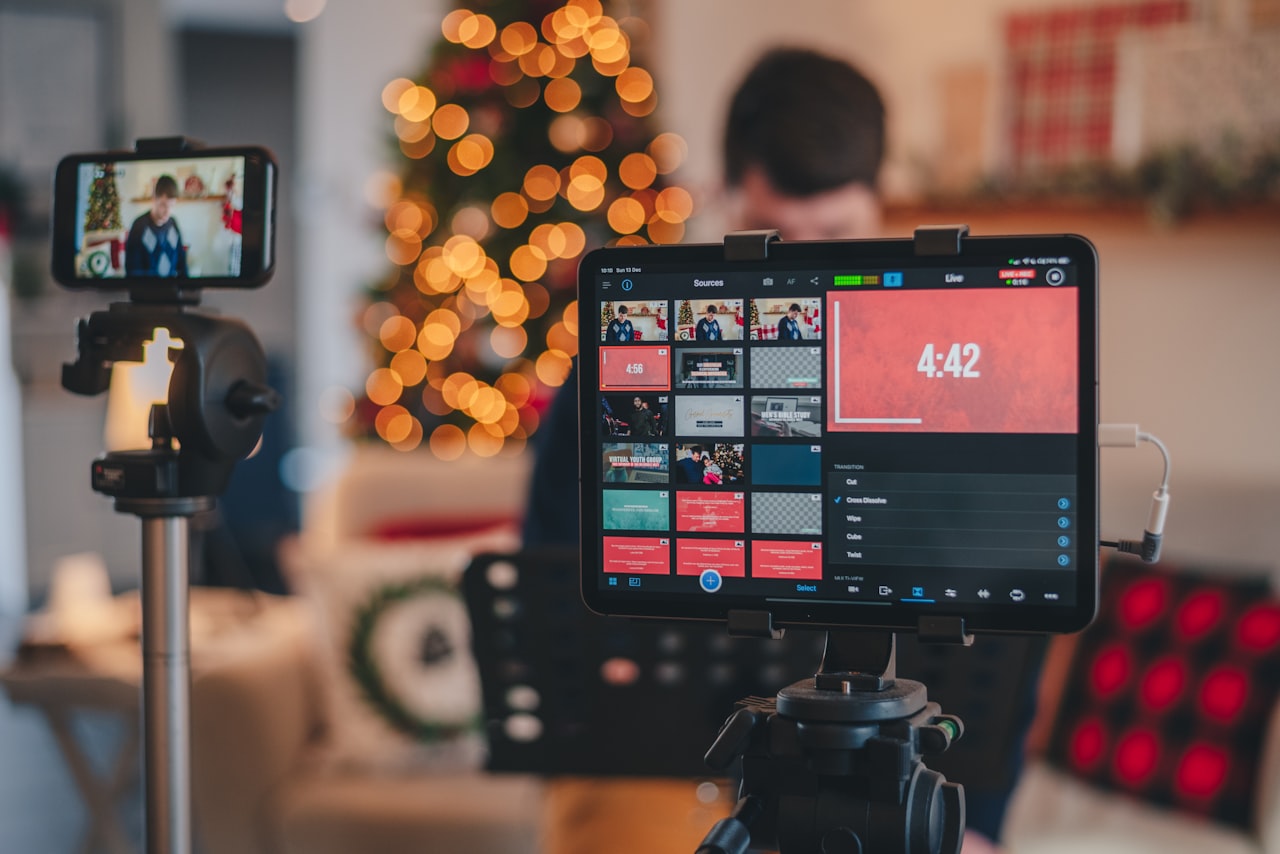
Use a smartphone with a good camera for most live commerce Singapore streams. Modern smartphones produce excellent video quality for live streaming. Mount the phone on a stable tripod at eye level. Ensure your internet connection is fast and stable — a wired connection or strong WiFi signal prevents buffering that causes viewer drop-off. Lavalier microphones improve audio quality significantly over built-in phone microphones.
Have all products organised and accessible within arm’s reach. Pre-open packaging, prepare demonstration setups, and arrange products in the order you plan to present them. Nothing kills stream momentum like fumbling with packaging or searching for the next product. Preparation behind the scenes enables smooth, professional-looking delivery on camera.
Engagement Strategies That Drive Sales
Interact with viewers by name throughout the stream. Acknowledge comments, answer questions in real time, and thank viewers who make purchases. This personal interaction builds relationship and trust, which are the primary conversion drivers in live commerce. Viewers who feel seen and acknowledged are significantly more likely to purchase.
Create urgency through limited-time offers and exclusive deals. Flash deals available only during the live stream, limited-quantity promotions, and countdown timers drive immediate purchasing decisions. The fear of missing out is a powerful motivator in live commerce, and time-limited offers convert viewers into buyers at higher rates than standard promotions.
Demonstrate products thoroughly. Show products from multiple angles, demonstrate functionality, compare sizes to everyday objects, and share personal experience with the product. Honest, detailed demonstrations build trust and address common purchase objections. When viewers see a product in action and hear genuine endorsement, their confidence in purchasing increases significantly.
Use interactive features provided by each platform. Polls, quizzes, lucky draws, and chat games keep viewers engaged and increase watch time. Longer watch times improve the platform’s algorithm ranking of your stream, which drives more viewers. A viewer who stays for 20 minutes and participates in interactions is far more likely to purchase than one who drops off after two minutes. Strong engagement on your live streams also strengthens your overall social media marketing presence.
Measuring Livestream Performance
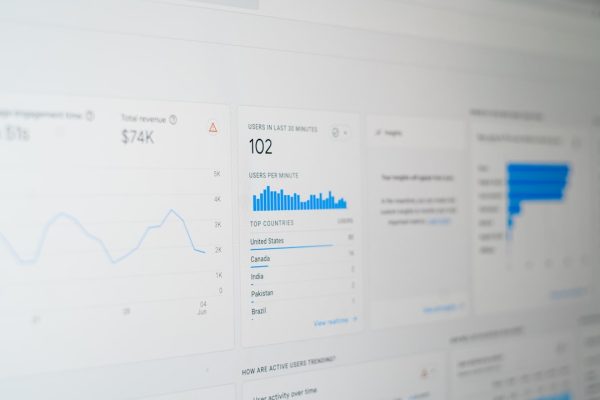
Track core metrics for every live stream: total viewers, peak concurrent viewers, average watch time, engagement rate (comments and reactions), products sold, total revenue, and conversion rate (viewers to buyers). These metrics reveal what is working and what needs improvement across streams.
Compare performance across different time slots, product categories, and promotional offers to identify patterns. You may find that evening streams outperform midday streams, or that flash deals on specific product categories generate the highest revenue. Data-driven iteration is the path to improving live commerce results over time.
Calculate your cost per acquisition (CPA) for live commerce by factoring in product costs, promotional discounts, platform fees, and production time. Compare this CPA against your other sales channels. For many Singapore businesses, live commerce delivers lower CPA than traditional paid advertising once the stream reaches a consistent viewer base.
Viewer retention curves show when viewers drop off during your stream. If there is a significant drop-off in the first five minutes, your opening needs to be more compelling. If viewers leave during certain product segments, those products or presentations need improvement. Use retention data to continuously refine your stream structure and content.
Scaling Your Live Commerce Operation
Establish a regular streaming schedule. Consistency builds habit and audience loyalty. Viewers who know you stream every Wednesday and Saturday at 8pm will plan to tune in. Platform algorithms also favour creators with regular streaming schedules, providing better distribution to new potential viewers.

Develop a roster of hosts and presenters. Relying on a single person is a scaling bottleneck and a risk. Train multiple team members to host live streams, each bringing their own personality and expertise. Different hosts can specialise in different product categories, improving product knowledge and authenticity during demonstrations.
Expand to multiple platforms. Once you have refined your live commerce approach on one platform, replicate it on others. Each platform reaches different audience segments, and multi-platform streaming maximises your total addressable audience. Tools like Streamyard or Restream enable simultaneous broadcasting to multiple platforms from a single production setup.
Integrate live commerce with your broader e-commerce strategy. Use live streams to launch new products, clear seasonal inventory, and drive traffic to your online store. Clip highlights from streams for social media content, repurposing live commerce production into ongoing marketing assets. The content created during live streams has value far beyond the live event itself.
Frequently Asked Questions
What products sell best through live commerce?
Products that benefit from visual demonstration perform best: beauty, skincare, fashion, food, electronics accessories, and home goods. Products with visual appeal, multiple features to demonstrate, or a story to tell are ideal for live-streaming. Commodity products with no differentiation are less suited to the format.
How often should I go live?
Start with one to two streams per week to develop your skills and build an audience. Increase frequency to three to five times per week as your operation matures. Consistency matters more than frequency — regular scheduling builds viewer habit and algorithmic favour.
What is the best time to livestream in Singapore?
Evening sessions between 7pm and 10pm generally attract the most viewers. Lunchtime streams between 12pm and 2pm can also perform well, particularly for lower-consideration products. Test different time slots and analyse your viewer data to identify your optimal streaming windows.
Do I need a professional presenter?
Not necessarily. Authenticity matters more than polish in live commerce. Business owners and staff who genuinely know and use the products often outperform professional presenters. What matters is product knowledge, energy, and willingness to engage with viewers in real time.
How much revenue can live commerce generate?
Revenue varies enormously depending on product category, audience size, and promotional offers. Established Singapore live-sellers generate SGD 5,000-50,000 per stream. New sellers should set realistic expectations — initial streams may generate SGD 500-2,000 while building an audience base.
Which platform should I start on?
Start on the platform where your target audience is most active. For younger consumers, TikTok Shop Live. For existing marketplace sellers, Shopee Live. For businesses with established social media followings, Facebook or Instagram Live. Starting on one platform and mastering it before expanding is more effective than spreading across multiple platforms immediately.
How do I handle returns from live commerce sales?
Apply the same return policy as your standard e-commerce operations. Thorough product demonstrations during streams actually reduce return rates by setting accurate expectations. Be transparent about product details, sizing, and limitations during the stream to minimise post-purchase disappointment.
What equipment do I need to start?
A smartphone with a good camera, a tripod, a ring light, and a lavalier microphone are sufficient to start. Total equipment cost is SGD 200-500. Upgrade to professional lighting, dedicated cameras, and multi-camera setups as your live commerce revenue justifies the investment.
Can live commerce work for B2B products?
Live commerce is primarily a B2C format, but webinar-style live demonstrations can work for B2B products, particularly software, equipment, and professional supplies. The interactive format allows real-time Q&A with prospective buyers, which can be more effective than static product pages for complex B2B offerings.
How do I grow my live commerce audience?
Promote streams across all your marketing channels, offer exclusive deals only available during live streams, collaborate with influencers or complementary brands, and maintain a consistent schedule. Platform algorithms reward streams with high engagement, so focus on viewer interaction to earn algorithmic distribution to new audiences.