Interior Design Marketing in Singapore: How to Attract Homeowners and Win Projects
Table of Contents
- Building a High-Converting Portfolio Website
- Social Media Strategy for Interior Designers
- Google Ads for Interior Design Firms
- HDB and Condo Renovation Content Strategy
- Before-and-After Showcases That Convert
- Lead Generation and Conversion Optimisation
- Leveraging Renovation Platforms and Directories
- Frequently Asked Questions
Building a High-Converting Portfolio Website
Singapore’s interior design industry is fiercely competitive, with over 3,000 registered firms competing for homeowner attention. Effective interior design marketing Singapore begins with your website — the digital portfolio that serves as your credibility builder and primary lead generation platform. In 2026, the vast majority of homeowners begin their renovation journey online, scrolling through portfolios on Instagram, comparing reviews and requesting quotes through design firm websites.
Your professionally designed website must prioritise visual impact above all else. Display your strongest design work with full-width, high-resolution images. Avoid cluttered layouts, excessive text blocks or generic stock imagery. Navigation should be intuitive, with clear pathways to your portfolio, services, about page and contact information. Every additional click between a visitor and your enquiry form is a potential drop-off point.
Organise your portfolio by property type (HDB, condo, landed), design style (Scandinavian, industrial, contemporary, minimalist) and room type (living room, kitchen, bedroom, bathroom). Each project page should include multiple high-quality photographs, a brief design narrative, property type and size, approximate renovation scope and any design challenges you overcame. Including floor plans adds significant value for Singapore homeowners planning their own renovation.
Every portfolio page needs a clear call to action — a “Get a Free Consultation” button or an enquiry form capturing name, contact number, property type and estimated budget. Place trust signals near your forms: client testimonials, industry awards, RCMA membership and CaseTrust accreditation. These credentials carry real weight with homeowners who are entrusting a firm with a five-figure renovation budget.
Social Media Strategy for Interior Designers
Instagram, Pinterest and TikTok are the most important social media platforms for interior design marketing Singapore because they are inherently visual and widely used by homeowners seeking renovation inspiration. Each platform serves a different purpose in your marketing funnel.
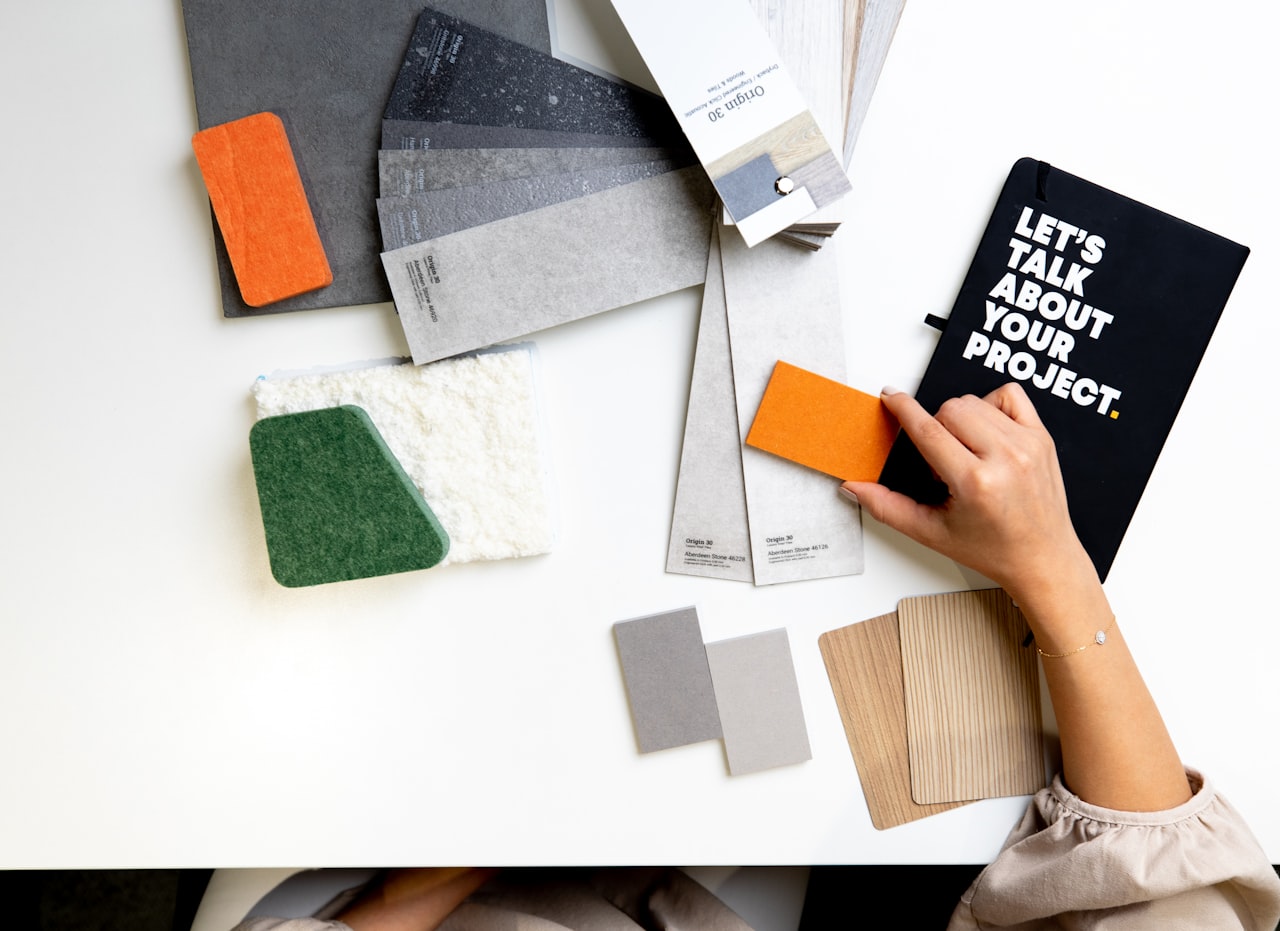
On Instagram, maintain a curated feed that reflects your design aesthetic consistently. Post high-quality images of completed projects, construction progress shots and material selection close-ups. Use Instagram Reels for quick project reveals using the popular before-and-after transition format — these regularly achieve five to ten times more reach than static posts. Stories provide space for casual content including site visits, material shopping trips and client testimonials. Aim for four to five feed posts per week and daily Stories, using hashtags like #SingaporeInteriorDesign, #HDBRenovation, #CondoDesignSG and #BTORenovation.
Pinterest functions as a search engine where content has a much longer lifespan than Instagram. Create boards organised by room type, design style and property type. Pin your best project images with keyword-rich descriptions including terms like “small HDB kitchen design ideas” or “modern condo living room Singapore.” Each pin should link back to the relevant project page on your website, driving qualified traffic and leads for months after the initial pin.
TikTok is growing rapidly for renovation content in Singapore. Short transformation videos, quick design tips and project reveal compilations perform well with homeowners aged 25 to 40. The platform rewards consistency and authenticity over polished production, making it accessible even for smaller firms without a dedicated content team.
Google Ads for Interior Design Firms
Google Ads captures homeowners at the critical moment when they are actively searching for an interior designer or renovation firm in Singapore. Structure your campaigns around distinct market segments: HDB renovation, condo interior design, landed property renovation and commercial design.
Within each campaign, build ad groups around specific keywords such as “HDB BTO renovation package Singapore,” “condo interior designer Orchard,” “4-room HDB renovation cost” and “luxury condo renovation Singapore.” Write ad copy that addresses segment-specific concerns. HDB ads should mention package pricing and space-optimisation expertise. Condo ads can emphasise premium finishes and developer defect rectification experience. Landed property ads should highlight your experience with multi-storey renovations and A&A works.
Direct traffic to dedicated landing pages rather than your homepage. A landing page for “HDB BTO renovation” should feature BTO-specific portfolio examples, typical timelines, package options, testimonials from BTO homeowners and a simple enquiry form. This relevance improves Quality Score, reduces cost-per-click and increases conversion rates. Track form submissions and phone calls as conversions to measure your actual cost per lead.
Budget allocation matters. Most Singapore interior design firms find that allocating SGD 2,000 to SGD 5,000 monthly on Google Ads generates a steady flow of qualified enquiries, provided campaigns are well-optimised and landing pages convert effectively. Monitor your cost per lead weekly and adjust bids based on which segments deliver the highest-quality prospects.
HDB and Condo Renovation Content Strategy
Content marketing is a powerful long-term strategy because homeowners in Singapore research extensively before committing to a design firm. Create comprehensive content answering their most common questions, and you position your firm as the trusted expert they turn to when they are ready to engage.
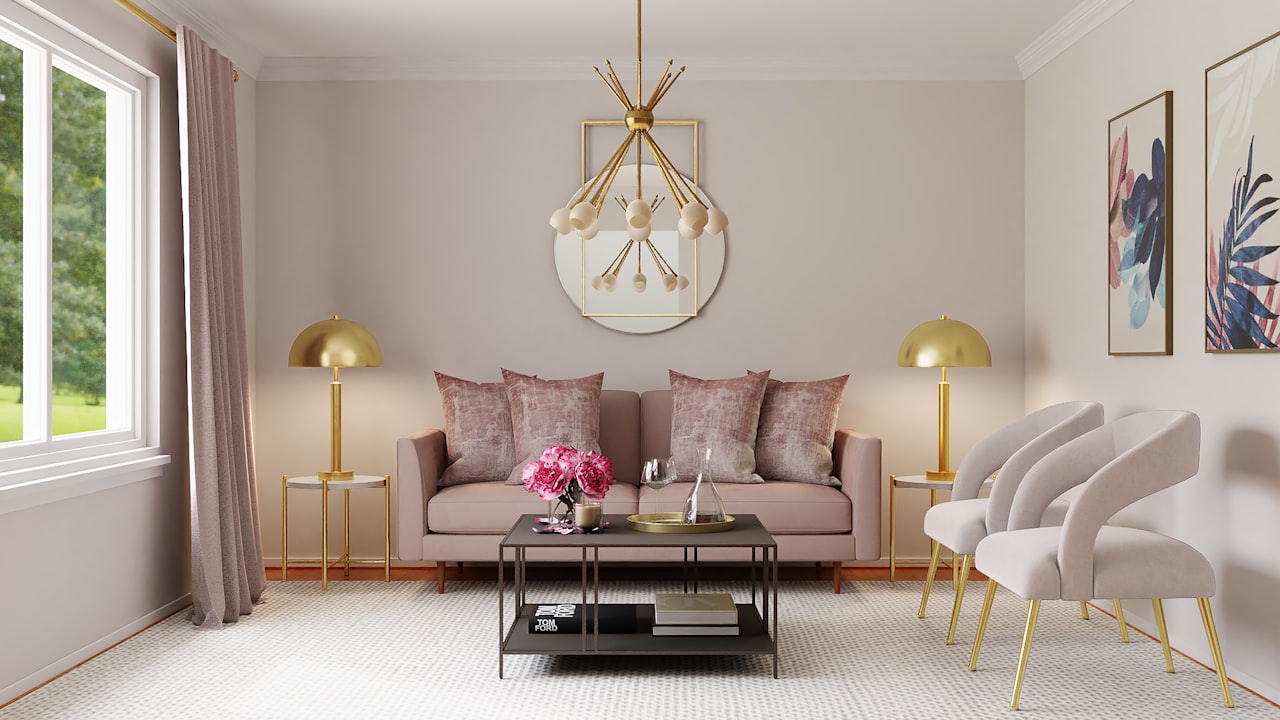
For HDB homeowners, produce renovation cost guides for different flat types, BTO renovation timelines and checklists, HDB renovation permit guidelines, best kitchen layouts for compact flats and storage solutions for small bedrooms. For condo homeowners, cover MCST approval processes, space maximisation tips for shoebox units, developer defect rectification checklists and renovation restrictions in different developments.
Include real examples from your Singapore projects. Detailed narratives like “In this 4-room BTO in Punggol, we solved the narrow kitchen issue by installing a sliding partition that doubled as a breakfast counter” serve dual purposes — providing practical advice while demonstrating your problem-solving capabilities. This type of content resonates with homeowners because it addresses their specific concerns with concrete solutions.
Optimise every article for search engines targeting specific keywords with meaningful search volume. “4-room BTO renovation cost 2026” and “condo renovation timeline Singapore” are examples of queries that attract homeowners with genuine renovation intent. Publish two to four articles per month to build compounding organic traffic that reduces your dependence on paid advertising over time.
Before-and-After Showcases That Convert
Before-and-after showcases are the most compelling content format for interior designers in Singapore because they visually demonstrate transformative impact. This is particularly effective for compact spaces where the contrast between a bare flat and a beautifully designed home can be genuinely remarkable.
Develop a systematic approach to documentation. Photograph every project extensively before renovation begins, using the same angles and lighting conditions you will recreate in the final shoot. After completion, hire a professional photographer — this is not optional for marketing-quality content. Budget SGD 500 to SGD 1,500 per project shoot and consider it a mandatory cost of project completion rather than a discretionary marketing expense.
Present before-and-after content in multiple formats: interactive slider galleries on your website, Reels transitions on Instagram, side-by-side comparison pins on Pinterest, TikTok transformation videos and detailed blog posts combining images with design narratives. Each format reaches a different audience segment through a different discovery channel, maximising the return on your photography investment.
Include practical details that help prospects relate to the project: property type, floor area, approximate budget range, timeline and specific design challenges addressed. When a homeowner sees a before-and-after of a flat similar to theirs with a comparable budget, the emotional impact is far stronger than a generic portfolio image. Always obtain written permission from homeowners before publishing any project images.
Lead Generation and Conversion Optimisation
Generating qualified leads is the ultimate objective of your interior design marketing Singapore efforts. Homeowners in Singapore typically contact three to five firms before choosing one, so your lead capture and follow-up process determines whether you make the shortlist and ultimately win the project.
Offer valuable lead magnets that provide genuine utility: a “Renovation Budget Calculator” tool, a “Complete HDB Renovation Checklist” PDF, a “Condo Renovation Timeline Planner” or a “2026 Design Trends Lookbook.” Promote these through your website, social media channels and Google Ads. Each download captures contact details from homeowners who are actively planning their renovation.
Implement a multi-touch follow-up system. Respond to every enquiry within one hour — speed of response strongly predicts conversion in a market where homeowners are simultaneously contacting multiple firms. Send a personalised email with relevant portfolio examples matched to the prospect’s property type and stated preferences. Follow up with a phone call within 24 hours. For leads that do not convert immediately, add them to an email nurturing sequence with design inspiration, renovation tips and recent project showcases.
Track cost per lead from each channel, lead-to-consultation conversion rate and average project value to optimise your marketing investment. Understanding which channels deliver the highest-value projects — not just the most enquiries — enables smarter budget allocation that directly improves your return on marketing spend.
Leveraging Renovation Platforms and Directories
Singapore-specific renovation platforms such as Qanvast, Renodots and Hometrust have become significant discovery channels for homeowners researching interior design firms. These platforms aggregate portfolios, reviews and pricing information, making them a natural starting point for homeowners who want to compare multiple firms quickly.
Evaluate each platform’s cost structure and lead quality before committing significant budget. Some platforms charge listing fees, others operate on a cost-per-lead model, and some offer featured placement for premium fees. Track your conversion rates and cost per acquired client from each platform to determine which deliver genuine value for your firm.
Houzz remains relevant for Singapore interior designers, particularly those targeting the mid-to-premium market. Create a comprehensive Houzz profile with your firm’s story, design philosophy and service areas. Upload your full portfolio with detailed descriptions and tags. Firms with more than 20 reviews and ratings above 4.5 stars receive substantially more enquiries through the platform. The Houzz Pro subscription offers enhanced visibility, 3D floor planning tools and lead management features — evaluate the cost against leads generated before committing.
Google reviews are equally important. Encourage satisfied clients to leave detailed reviews mentioning the property type, design style and their overall experience. A firm with 50 or more Google reviews and a strong rating creates immediate trust with prospects who discover you through search. Respond to every review professionally, including negative ones, to demonstrate your commitment to client satisfaction.
Frequently Asked Questions
How much should an interior design firm in Singapore spend on marketing?
Interior design firms typically invest 5 to 12 per cent of revenue in marketing. For a firm generating SGD 50,000 monthly, this translates to SGD 2,500 to SGD 6,000 divided among Google Ads, social media advertising, content creation, professional photography, platform subscriptions and website maintenance. Firms in growth mode or entering new market segments may need to invest more heavily during the initial push.
Which marketing channel generates the most leads for interior designers in Singapore?
Google Ads typically generates the highest volume of leads, followed by renovation platforms like Qanvast, Instagram and organic search through SEO. However, referrals consistently deliver the highest-quality leads with the best conversion rates. The most effective strategy combines multiple channels to create a steady pipeline of enquiries from different sources.
How important is professional photography for interior design marketing?
Professional photography is arguably the single most important marketing investment an interior design firm can make. Budget SGD 500 to SGD 1,500 per project shoot. The images produced serve every marketing channel — your website, social media, Google Ads, renovation platforms and print materials. Consider it a mandatory cost of project completion rather than an optional marketing expense.
Should I list my renovation prices on my website?
Displaying indicative pricing ranges can filter misaligned prospects and build trust through transparency. A middle-ground approach is publishing budget guides in your blog content — such as “What to Expect When Renovating a 4-Room BTO in 2026” — while offering customised quotations through your enquiry process. This approach attracts price-conscious searchers through SEO while preserving flexibility in your quoting.
How can I differentiate my firm from competitors in Singapore?
Differentiation comes from specialisation in a specific property type or design style, consistent visual branding across all channels, exceptional client experience throughout the renovation journey and systematically collected testimonials that highlight what makes working with your firm unique. Firms that try to be everything to everyone struggle to stand out in a crowded market.
How do I handle negative reviews from renovation clients?
Respond promptly, professionally and empathetically. Acknowledge the client’s frustration, take responsibility where appropriate and explain the steps taken to address the issue. Never argue publicly or dismiss the complaint. Proactively collect positive reviews from satisfied clients to maintain a strong overall rating that puts any occasional negative review in perspective.
What role does SEO play in interior design marketing?
SEO delivers long-term organic traffic from homeowners actively researching renovations. Articles targeting specific queries like “4-room HDB renovation cost 2026” or “condo kitchen design ideas Singapore” can generate steady leads for months after publication. Combined with a strong portfolio website, SEO creates a compounding traffic source that reduces dependence on paid advertising over time.
Should I invest in TikTok for interior design marketing in Singapore?
TikTok is growing rapidly for renovation content in Singapore and is worth testing alongside your Instagram strategy. Short transformation videos, design tips and project reveals perform well with homeowners aged 25 to 40. The platform’s algorithm favours engaging content over follower count, meaning even new accounts can achieve significant reach with compelling renovation content.
How long does it take to see results from interior design marketing?
Google Ads can generate enquiries within the first week of a well-structured campaign. Social media typically takes two to three months of consistent posting to build meaningful engagement. SEO requires four to six months to show ranking improvements for competitive renovation keywords. The most effective approach combines immediate-impact channels like Google Ads with longer-term investments like SEO and content marketing.
Is it worth investing in video content for interior design marketing?
Yes. Video content consistently outperforms static images across every platform. Project walkthroughs, time-lapse renovation videos, design process explanations and client testimonial videos all perform well. You do not need expensive production equipment — a modern smartphone, a gimbal for stable footage and good natural lighting are sufficient for most social media video content.