E-commerce Email Marketing: Automated Flows That Drive Repeat Purchases
Table of Contents
- Why Email Remains the Highest-ROI E-commerce Channel
- Building a Quality Email List in Singapore
- The Welcome Series: First Impressions That Convert
- Post-Purchase Flows That Build Loyalty
- Cart and Browse Abandonment Flows
- Win-Back Campaigns for Lapsed Customers
- Segmentation and Personalisation Strategies
- Frequently Asked Questions
Why Email Remains the Highest-ROI E-commerce Channel
Ecommerce email marketing consistently delivers the highest return on investment of any digital marketing channel, averaging $36 to $42 for every dollar spent. For Singapore online stores, email is particularly valuable because it provides a direct, owned communication channel that is not subject to algorithm changes, rising ad costs, or platform policy shifts.
Unlike social media followers or search rankings, your email list is an asset you own and control. When Meta changes its algorithm or Google updates its ranking factors, your email list remains intact and accessible. This makes email marketing a foundational component of any sustainable digital marketing strategy.
Automated email flows are the backbone of e-commerce email marketing. Unlike manual campaigns that require ongoing creation and scheduling, automated flows trigger based on customer behaviour and lifecycle stages. Once set up, they run continuously, delivering relevant messages to the right customers at the right time without requiring daily attention.
For Singapore e-commerce businesses, the combination of automated flows and strategic campaigns creates a powerful revenue engine. Flows handle the predictable, behaviour-triggered communications while campaigns address timely promotions, seasonal events, and new product launches. Together, they form a comprehensive email programme that drives both immediate sales and long-term customer retention.
Building a Quality Email List in Singapore
Your email marketing programme is only as good as your list. Building a quality subscriber base requires intentional effort and compliance with Singapore’s Personal Data Protection Act.
Website popups remain the most effective list-building tool when implemented thoughtfully. Display a popup offering a first-purchase discount, free shipping, or exclusive content in exchange for an email address. Time the popup to appear after 10 to 15 seconds of browsing or when the visitor shows exit intent, rather than immediately upon arrival. Limit display frequency so returning visitors are not repeatedly interrupted.
Checkout email capture serves dual purposes. Even guest checkout customers should provide an email for order confirmation, and with proper consent language, these addresses can be added to your marketing list. Ensure your consent checkbox is clearly worded and not pre-checked, in compliance with PDPA requirements.
Social media channels provide a pipeline for email list growth. Promote your email signup incentive in social media posts, stories, and profile bios. Run lead generation ads on platforms like Facebook and Instagram that capture email addresses directly within the ad unit, reducing friction compared to website-based signups.
Content upgrades and gated resources attract subscribers interested in your product category. A skincare brand might offer a free skin type assessment guide. A fitness equipment retailer might provide a workout planning template. These resources attract qualified prospects who are genuinely interested in your products.
Never purchase email lists. Purchased lists contain contacts who have not consented to your communications, resulting in high spam complaint rates, poor engagement metrics, and potential PDPA violations. Focus on organic growth through value-driven signup incentives that attract genuinely interested subscribers.
The Welcome Series: First Impressions That Convert
The welcome series is your most important automated flow because it sets the tone for the entire customer relationship and converts fresh interest into first purchases. Welcome emails generate 4 times more opens and 5 times more clicks than standard promotional emails.
Email one should send immediately upon signup. Deliver the promised incentive, whether a discount code, free shipping offer, or content download. Introduce your brand story briefly, highlighting what makes your store different from competitors. Include a clear call-to-action directing new subscribers to your bestselling products or new arrivals.
Email two should send 24 to 48 hours after signup. Share your brand values, manufacturing process, or company story in more depth. Feature customer testimonials or user-generated content that builds social proof. If the subscriber has not used their welcome discount, remind them of its availability and expiration date.
Email three should send 3 to 4 days after signup. Introduce your product range through curated categories or use-case-based collections. Highlight your unique selling propositions such as locally sourced materials, sustainable packaging, or Singapore-specific features. Include links to your most helpful content, such as buying guides, styling tips, or how-to articles.
Email four should send 5 to 7 days after signup. Create urgency around the welcome offer if it has not been redeemed. Feature your top-reviewed products with customer ratings and testimonials. Invite the subscriber to follow your social media channels and join your community.
Monitor welcome series performance closely. If open rates drop significantly between emails, consider shortening the series or adjusting your timing. If click rates are low, test different product selections, layouts, and calls to action. The welcome series should be your most frequently optimised flow given its outsized impact on first-purchase conversion.
Post-Purchase Flows That Build Loyalty
Post-purchase email flows transform one-time buyers into repeat customers, which is where the real profitability of e-commerce lies. Acquiring a new customer costs 5 to 7 times more than retaining an existing one, making post-purchase nurturing essential.
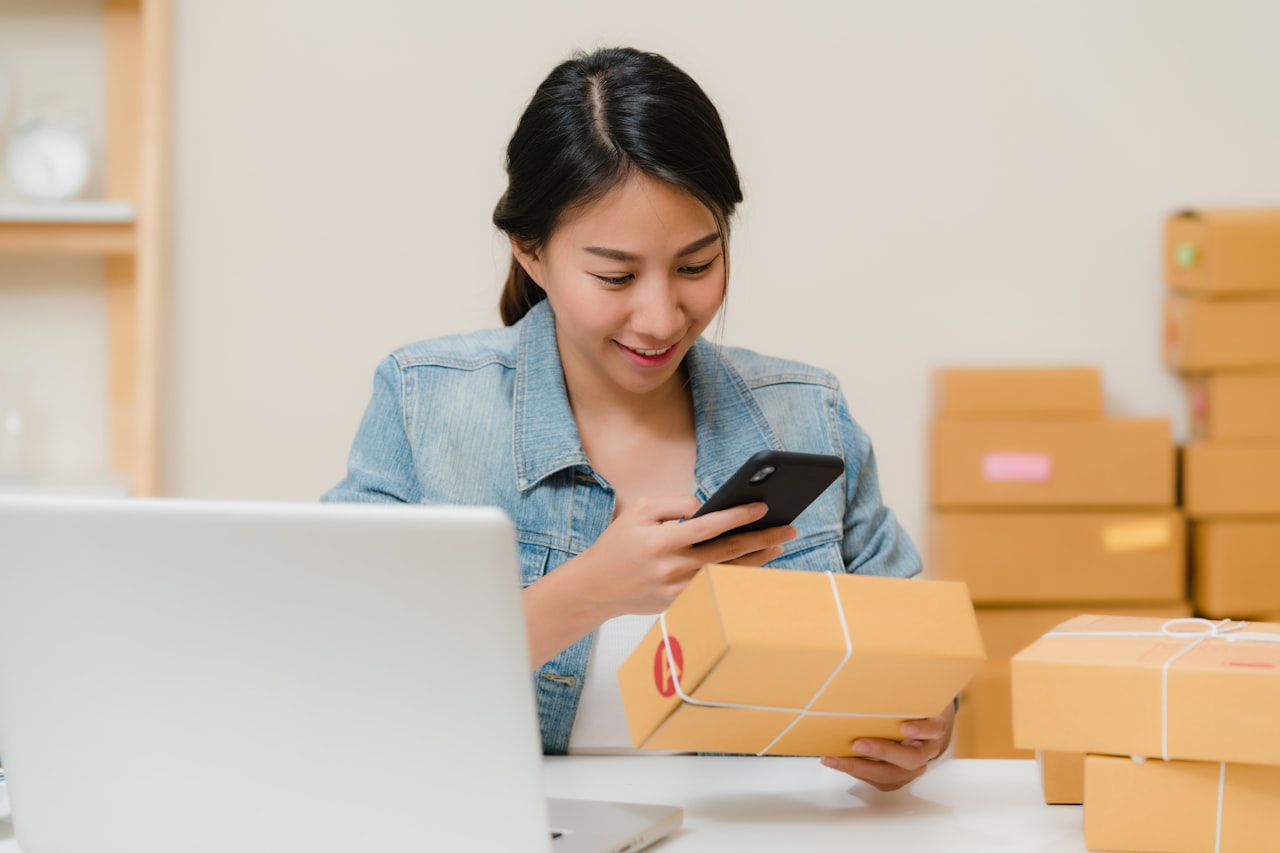
Send an order confirmation email immediately after purchase. Beyond transaction details, use this email to reinforce the customer’s buying decision with messages like “Great choice” and set expectations for delivery timing. Include links to order tracking and customer support.
Send a shipping confirmation with tracking information when the order ships. Include estimated delivery dates and delivery partner contact information. This proactive communication reduces “Where is my order?” inquiries and builds confidence in your fulfilment process.
Send a product review request 7 to 14 days after delivery, allowing time for the customer to use the product. Make the review process simple with direct links and star-rating interfaces within the email. Incentivise reviews with a small discount code for future purchases. Product reviews fuel your product page optimisation efforts by adding authentic social proof.
Send a replenishment reminder for consumable products based on typical usage patterns. If you sell coffee beans that last approximately 30 days, send a reminder at day 25 with a one-click reorder option. Personalise the timing based on individual purchase frequency data when available.
Send cross-sell recommendations 14 to 21 days after purchase. Suggest complementary products based on what the customer bought. A customer who purchased running shoes might receive recommendations for moisture-wicking socks, insoles, or a shoe cleaning kit. Use product recommendation engine data to power these suggestions.
Send a milestone email recognising the customer’s relationship with your brand. Acknowledge their first purchase anniversary, their fifth order, or reaching a loyalty tier. These recognition moments strengthen emotional connection and differentiate your store from transactional competitors.
Cart and Browse Abandonment Flows
Abandonment flows capture revenue from shoppers who showed interest but did not complete a purchase. These flows rank among the highest-revenue automated sequences in e-commerce email marketing.
Cart abandonment emails target shoppers who added items to their cart but did not check out. As covered in our cart abandonment strategy guide, a three-email sequence sent at 1 hour, 24 hours, and 48 to 72 hours provides the optimal recovery structure. Include product images, names, prices, and a direct link back to the populated cart.
Browse abandonment emails target shoppers who viewed products without adding them to cart. These emails are softer in tone since the shopper showed lower intent than cart abandoners. Send a single email 4 to 24 hours after the browsing session featuring the viewed products alongside similar alternatives the shopper might prefer.
Category abandonment emails target shoppers who spent time browsing a specific category without viewing individual products. These emails feature top sellers and new arrivals from the browsed category, along with category-specific buying guides or content that might help the shopper make a selection.
Search abandonment emails target shoppers who used your site search but did not find or click on a satisfying result. These emails can suggest popular products related to their search terms, offer assistance from customer service, or invite them to explore related categories. Improving your site search functionality reduces this type of abandonment at the source.
Personalise abandonment emails based on the shopper’s relationship with your brand. First-time visitors might receive a welcome discount alongside their abandonment reminder. Returning customers might see loyalty points they could earn by completing the purchase. VIP customers might receive priority access or exclusive offers.
Win-Back Campaigns for Lapsed Customers
Win-back campaigns re-engage customers who have not purchased or interacted with your store within a defined period. Depending on your product category and typical purchase cycle, a customer might be considered lapsed after 60, 90, or 180 days of inactivity.
The first win-back email should acknowledge the absence without being guilt-inducing. Use a warm, inviting tone that reminds the customer what your brand offers. Highlight new products, improvements, or changes since their last visit. Include a compelling reason to return, such as a personalised discount or exclusive access to new arrivals.
The second win-back email, sent 5 to 7 days later, can increase the incentive. Feature bestselling products with strong reviews, share customer success stories, and offer a more generous discount than the first email. Create urgency with a time-limited offer to motivate action.
The third and final win-back email, sent 7 to 10 days after the second, serves as a last chance communication. Use emotional language about missing the customer, offer your strongest incentive, and clearly state that this is their final opportunity to take advantage of the offer. If the customer does not engage with this email, consider suppressing them from future sends to maintain list health.
Segment win-back campaigns based on customer value. High-value lapsed customers deserve more aggressive incentives and personal outreach, possibly including a personal email from a customer service representative. Lower-value lapsed customers might receive standard automated sequences with modest incentives.
Analyse why customers lapse by surveying inactive subscribers. Common reasons include finding a competitor, no longer needing the product category, dissatisfaction with a previous experience, or simply forgetting about your brand. Understanding lapse reasons helps you address root causes rather than just treating symptoms with discounts.
Segmentation and Personalisation Strategies
Segmentation divides your email list into meaningful groups, and personalisation tailors content to those groups. Together, they transform generic mass emails into relevant, compelling communications that drive significantly higher engagement and revenue.
Segment by purchase behaviour to target customers based on what they buy, how much they spend, and how often they purchase. Create segments for first-time buyers, repeat buyers, high-value customers, and bargain hunters. Each segment responds to different messaging, offers, and product recommendations.
Segment by engagement level to identify your most and least active subscribers. Highly engaged subscribers who open and click consistently can receive more frequent communications. Disengaged subscribers should receive less frequent, higher-impact emails to avoid driving them toward unsubscription.
Segment by lifecycle stage to deliver the right message at the right time. New subscribers need education and trust-building. Active customers need product discovery and retention messaging. At-risk customers need re-engagement incentives. Each stage requires fundamentally different communication strategies.
Personalise product recommendations using purchase history and browsing data. Dynamic content blocks that display individually relevant products outperform static, one-size-fits-all product selections. Connect your email platform with your e-commerce store data and recommendation engine to power these personalised blocks.
Personalise send times based on individual engagement patterns. If a subscriber consistently opens emails at 8pm, schedule their emails for that time rather than using a fixed send time for all subscribers. Many email platforms offer send-time optimisation features that automate this process.
Test personalisation strategies using A/B testing to measure their actual impact. Not all personalisation efforts deliver positive ROI. Test personalised subject lines against generic ones, dynamic product recommendations against curated selections, and personalised send times against fixed schedules to identify which personalisation tactics genuinely move the needle for your audience.
Frequently Asked Questions
How often should I send marketing emails to my e-commerce list?
For most Singapore e-commerce stores, 2 to 4 emails per week strikes the right balance between staying top of mind and avoiding fatigue. This includes both automated flows and manual campaigns. Monitor unsubscribe rates and engagement metrics to calibrate your sending frequency for your specific audience.
What email platform is best for Singapore e-commerce?
Klaviyo is the leading platform for e-commerce email marketing due to its deep integrations with Shopify, WooCommerce, and other platforms. Mailchimp and Omnisend are solid alternatives for smaller stores. Choose a platform that integrates natively with your e-commerce platform and supports the automation flows you need.
How do I comply with Singapore’s PDPA for email marketing?
Obtain explicit consent before sending marketing emails, typically through an unchecked opt-in checkbox. Include a clear unsubscribe link in every email. Honour opt-out requests within 10 business days. Maintain records of consent for each subscriber. Do not share email lists with third parties without additional consent.
What is a good open rate for e-commerce emails in Singapore?
Average open rates for e-commerce emails range from 15% to 25%, though automated flows typically achieve higher rates of 30% to 50%. Welcome emails often exceed 50% open rates. If your rates are below 15%, review your subject lines, sender reputation, and list hygiene practices.
Should I use plain text or HTML emails?
For e-commerce, HTML emails with product images, branded design, and visual CTAs outperform plain text. However, some automated flows like order confirmations and personal win-back messages can benefit from a simpler, more personal HTML format that resembles personal correspondence while still including your branding.
How do I reduce my email unsubscribe rate?
Send relevant, valuable content rather than purely promotional messages. Segment your list to match content with interests. Allow subscribers to set their preferred email frequency. Ensure your subject lines accurately reflect email content. High unsubscribe rates usually indicate a relevance or frequency problem.
What metrics should I track for e-commerce email marketing?
Track revenue per email, conversion rate, click-through rate, open rate, unsubscribe rate, and list growth rate. Revenue per email is the most important metric because it directly ties email performance to business results. Segment metrics by flow type and campaign type for actionable insights.
How do I prevent my emails from going to spam?
Authenticate your domain with SPF, DKIM, and DMARC records. Maintain a clean list by removing bounced addresses and unengaged subscribers regularly. Avoid spam trigger words in subject lines. Use a consistent sender name and address. Warm up new sending domains gradually by starting with small volumes to engaged subscribers.