Childcare Centre Marketing in Singapore: A Complete Guide for 2026
Table of Contents
ECDA-Compliant Marketing Practices
Every childcare centre marketing Singapore effort must operate within the guidelines established by ECDA. These regulations exist to protect parents from misleading claims and to maintain standards across the early childhood sector. Understanding and adhering to these guidelines is not just a legal requirement — it is a trust signal that demonstrates your centre’s professionalism.
Key compliance considerations include accurately representing your centre’s SPARK certification level, clearly communicating fee structures including government subsidies, not making unsubstantiated claims about academic outcomes, and obtaining proper consent before using photographs of children in marketing materials. If your centre is SPARK-certified, display the certification prominently in all marketing materials as it carries significant weight with informed parents.
Compliance extends to your digital presence. Your website should clearly display your ECDA licence number, fee schedule including subsidy information, teacher-to-child ratios, operating hours and the age groups you serve. Social media content featuring children must have documented parental consent. Review your marketing materials quarterly to ensure ongoing compliance, particularly when ECDA updates its guidelines.
Parent-Targeted Google Ads
When a parent searches “childcare centre near Bishan” or “infant care Tampines,” they are actively seeking a centre for their child. Google Ads captures this high-intent search traffic at the moment of need, making it one of the most direct enrolment generation channels available. Given that parents typically research and visit three to five centres before making a decision, appearing in search results when they begin their research is critical.

Structure your campaigns around location and age group — the two primary filters parents use. Create separate ad groups for infant care, playgroup and nursery/kindergarten, each with tailored ad copy addressing the specific concerns of parents in that age group. Layer location targeting precisely — childcare is an intensely local decision, with most parents preferring centres within 10 to 15 minutes of home or workplace.
Ad copy should emphasise trust signals: ECDA-licensed, SPARK-certified, qualified teachers, low teacher-to-child ratios, security features and years of operation. Include specific location references in your ads to reinforce local relevance. Direct all ad traffic to dedicated landing pages with clear programme information, centre photographs and a prominent “Book a Tour” call-to-action.
Local SEO for Childcare Centres
Local SEO is arguably the most important organic marketing channel for childcare centre marketing Singapore because nearly all childcare searches include a location element. A well-optimised local presence can generate a steady stream of enquiries without ongoing advertising spend.
Your Google Business Profile is the foundation of your local SEO strategy. Complete every section: accurate business name matching your ECDA-registered name, address, phone number, website, operating hours, age groups served and a detailed business description. Upload high-quality photographs of your centre including exterior shots, classrooms, outdoor play areas and common spaces. Add posts to your profile regularly and respond to every Google review.
Beyond Google Business Profile, ensure your centre’s name, address and phone number are consistent across all online directories. Create location-specific pages on your website for each centre if you operate multiple locations. Build local backlinks by engaging with neighbourhood organisations and parent bloggers. Centres with 30 or more reviews and ratings above 4.5 consistently dominate local search results in their neighbourhood.
Open House Event Strategies
Open house events are the most effective conversion tool for childcare centres in Singapore. A parent who tours your centre, meets your teachers, observes your facilities and experiences your environment firsthand is dramatically more likely to enrol. The open house is where trust is built and the emotional decision to entrust a child to your care is made.

Plan open house events around Singapore’s enrolment calendar. Major peaks occur in October to December for January intake, March to April for mid-year transfers and June to July for pre-primary preparation. Promote events through Google Ads, Facebook Events, your email list, physical banners at your centre, flyers in nearby HDB blocks and partnerships with nearby paediatricians and baby stores.
Design the experience to address parents’ core concerns. Begin with a brief presentation, follow with a guided tour, allow parents to observe a class in session if possible and have experienced teachers available for Q&A. Collect contact information from every attending family and follow up within 48 hours with a personalised email.
Parent Testimonials and Social Proof
Parent testimonials carry extraordinary weight in childcare centre marketing Singapore because the decision is deeply personal and high-stakes. A parent considering your centre wants to hear from other parents about the quality of care, the responsiveness of teachers, the child’s happiness and development, and the overall experience.
Develop a systematic process for collecting testimonials. Identify your most satisfied parents and approach them personally with specific prompts. Written testimonials are valuable, but video testimonials from parents speaking naturally about their experience are significantly more persuasive and perform better across digital channels.
Showcase testimonials across all marketing touchpoints. Feature rotating testimonials on your website, create a dedicated testimonials page organised by age group, share parent stories on your social media channels and include excerpts in your Google Ads copy. When parents grant permission, tag them in social media posts so the testimonial reaches their network of fellow parents.
Waitlist Building Strategies
A healthy waitlist is both a practical necessity and a powerful marketing signal. Practically, a waitlist ensures vacancies are filled immediately. As a marketing signal, the existence of a waitlist communicates quality and demand — parents are more inclined to apply to a centre that others are waiting to join.
Make waitlist registration frictionless with a simple online form on your website. Place prominent “Join Our Waitlist” calls-to-action on every page. Use Google Ads and social media to drive waitlist registrations for full programmes, creating urgency while capturing leads for future vacancies.
Nurture your waitlist actively. Send monthly updates to waitlisted families with centre news and programme highlights. Offer waitlisted families priority invitations to open house events and holiday programmes. When a vacancy arises, contact the next waitlisted family within 24 hours with a warm, personalised message.
Community Engagement Marketing
Childcare centres that are embedded in their neighbourhood community enjoy stronger enrolment, higher retention and more organic word-of-mouth referral. Community engagement marketing is about making your centre a visible, valued and trusted part of the local ecosystem.
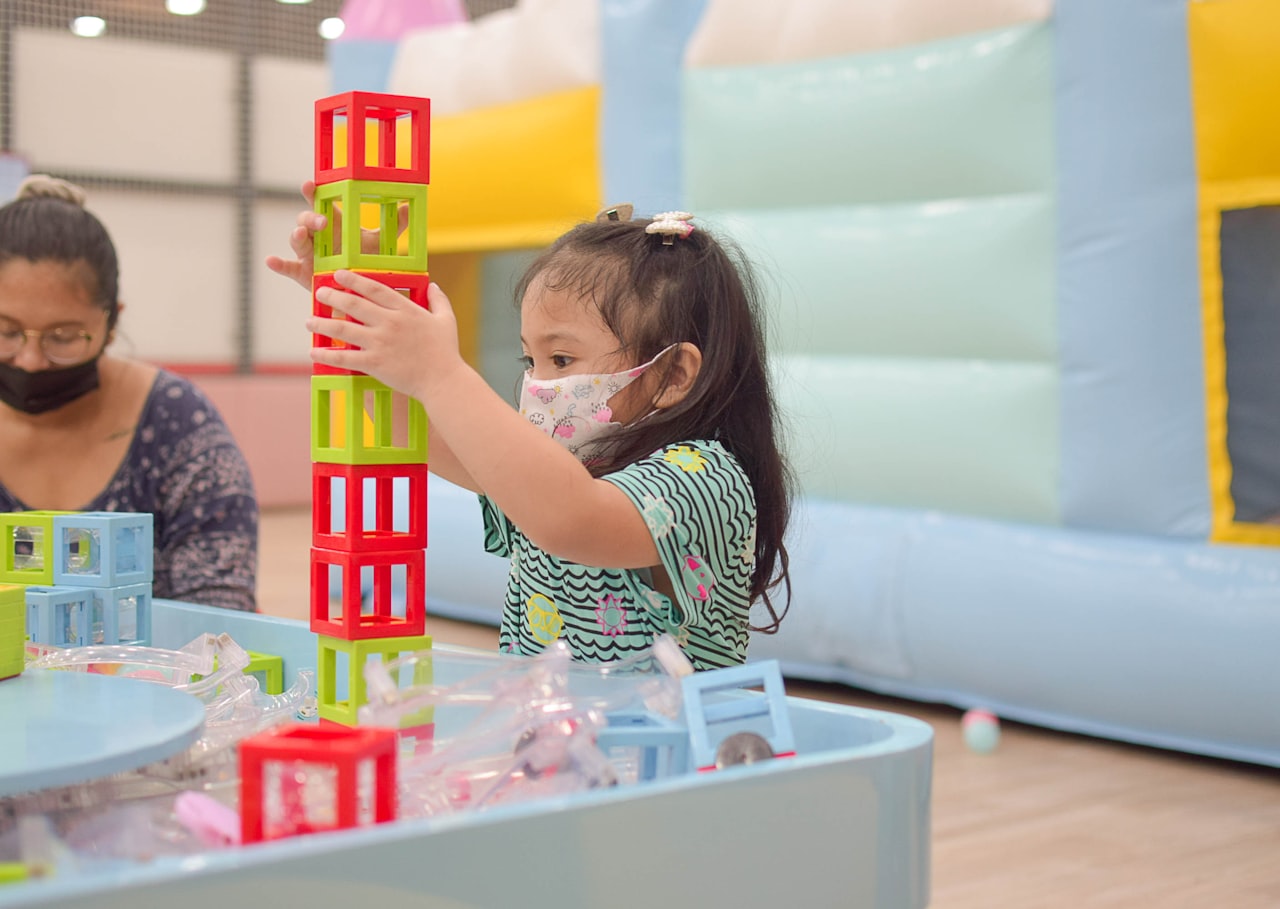
Organise free Saturday morning storytelling sessions, holiday craft workshops or parenting talks. Partner with nearby community centres, libraries and family service centres to co-host events. Build relationships with local paediatricians, baby product retailers, enrichment centres and real estate agents who can be valuable referral sources.
Engage with parent communities online — neighbourhood Facebook groups and platforms like KiasuParents — by offering helpful advice rather than direct promotion. Create a content library of parenting resources on your website that positions your centre as a knowledgeable, caring institution supporting families beyond the hours of care.
Frequently Asked Questions
How much should a childcare centre spend on marketing?
Most childcare centres in Singapore allocate 3 to 8 percent of annual revenue to marketing, with higher percentages during launch phases or when occupancy falls below 80 percent. For a centre generating S$80,000 per month in fees, this translates to S$2,400 to S$6,400 per month.
Can I use photos of children in my marketing materials?
Yes, but only with explicit written consent from the child’s parent or legal guardian. Your consent form should specify exactly how images will be used and parents should have the right to withdraw consent at any time. Never use a child’s full name alongside their photo in public-facing materials.
How important are Google reviews for childcare centres?
Extremely important. Google reviews directly influence your local search ranking and are typically the first thing parents check when researching centres. Centres with 30 or more reviews and ratings above 4.5 stars significantly outperform competitors in local search visibility.
What should our childcare centre website include?
Essential pages include homepage with a clear value proposition, programme pages for each age group, a detailed fees page with subsidy information, an about page introducing your team, a facilities gallery, a testimonials page, ECDA licence and SPARK certification display, a virtual tour, a blog section, and clear contact and enrolment information with a tour booking form.
How do I market a new childcare centre with no track record?
Focus on the credentials and experience of your leadership team and teachers. Offer introductory promotions such as waived registration fees. Invest heavily in Google Ads and local SEO from day one. Host multiple open house events before your official opening. Collect testimonials as quickly as possible after your first cohort enrols.
Should we be on social media as a childcare centre?
Yes, particularly on Facebook and Instagram. Facebook is where parents congregate in neighbourhood groups. Instagram is ideal for sharing visual content that showcases your learning environment. Post three to four times per week with a mix of activity highlights, educational content, teacher spotlights and parent testimonials.
What Google Ads keywords work best for childcare centres?
Location-specific keywords perform best: “childcare centre [neighbourhood],” “infant care near [MRT station],” “preschool [planning area].” Programme-specific terms like “bilingual childcare Singapore” and “Montessori preschool” also convert well. Avoid broad terms like “childcare” alone as they are expensive and attract unqualified clicks.
How long does it take to fill a new childcare centre?
New centres in Singapore typically take 12 to 18 months to reach full occupancy, with infant care places filling first due to higher demand and limited supply. Centres in mature residential areas with strong marketing may fill faster. Plan for gradual ramp-up and budget marketing spend accordingly during the initial period.
How do government subsidies affect our marketing?
Government subsidies significantly reduce the effective cost to parents and should be communicated clearly in all marketing. Show both the full fee and the net fee after subsidies. Many parents are unaware of the full range of subsidies available, so educating them about subsidies in your marketing content positions your centre as helpful and transparent.
What is the most effective marketing channel for childcare centres?
Local SEO and Google Ads consistently deliver the highest-quality leads for childcare centres in Singapore. Word-of-mouth referrals from satisfied parents remain the most trusted channel. The most effective strategy combines Google Ads for immediate lead generation, local SEO for sustained organic visibility, social media for brand building and community engagement for long-term reputation development.