Chatbot Automation: Qualify Leads and Answer Questions 24/7
Your website is your hardest-working salesperson — it never sleeps, never takes MC and never complains about overtime. But without a way to engage visitors in real time, most of that traffic bounces without converting. Chatbot automation marketing solves this by deploying intelligent conversational agents that qualify leads, answer common questions and route high-intent prospects to your sales team — all without human intervention during off-hours.
In Singapore, where consumers and business buyers alike expect instant responses, chatbots have moved from novelty to necessity. A 2025 Tidio survey found that 62 per cent of consumers prefer interacting with a chatbot over waiting for a human agent, and businesses using chatbots for lead qualification report a 35 per cent increase in qualified leads passed to sales. This guide covers everything you need to build a chatbot automation marketing system that works for Singapore’s unique market.
What Is Chatbot Automation for Marketing?
Chatbot automation marketing refers to the deployment of automated conversational agents on websites, messaging platforms and social media channels to engage prospects, qualify leads, answer product questions and guide visitors toward conversion — all without requiring a live human agent for every interaction.
The Role of Chatbots in the Marketing Funnel
Chatbots serve different functions depending on where the visitor sits in the funnel:
- Top of funnel — greet visitors, offer content downloads, capture email addresses and segment by interest.
- Middle of funnel — qualify leads with targeted questions, share case studies, book demo calls and provide pricing information.
- Bottom of funnel — handle objections, connect prospects with sales reps in real time and facilitate quote requests.
- Post-sale — provide onboarding guidance, answer support questions and collect feedback.
Why Singapore Businesses Need Chatbot Automation
Singapore operates across multiple time zones when serving ASEAN clients. A chatbot ensures your business is responsive 24/7 without staffing a round-the-clock team. Additionally, Singapore’s multilingual market means chatbots can be configured to handle conversations in English, Mandarin, Malay and Tamil — broadening your reach without hiring multilingual staff. When paired with your digital marketing services, chatbots convert the traffic your campaigns generate into qualified leads around the clock.
Chatbot Lead Qualification Workflows
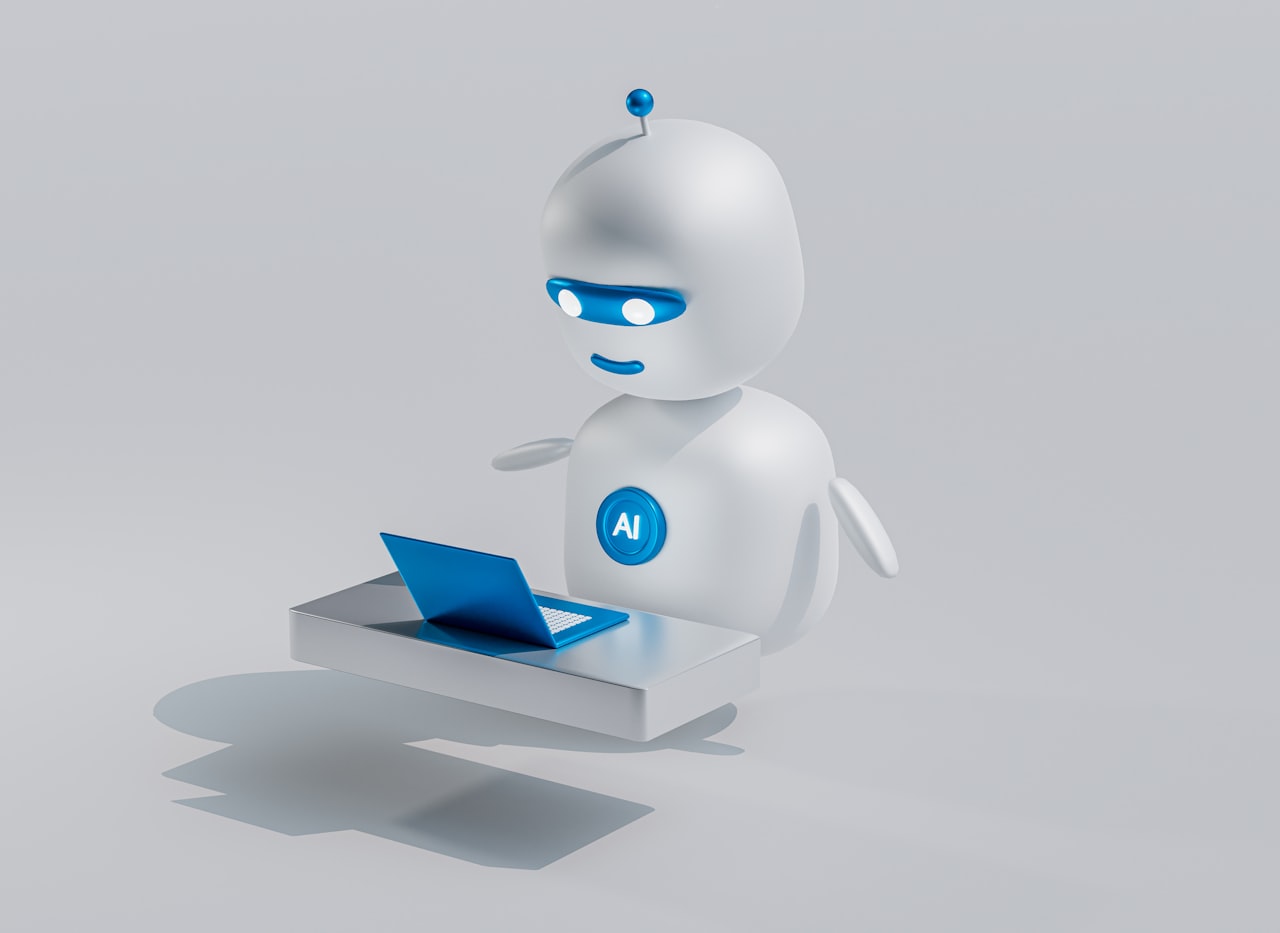
The highest-value use case for chatbot automation marketing is lead qualification. Instead of every form submission going into the same queue, the chatbot filters and scores leads in real time.
Designing Qualification Questions
Model your chatbot’s qualification flow on your sales team’s discovery call script. Key questions for a Singapore B2B context include:
- What service are you interested in? (multi-select: SEO, PPC, social media, email marketing, etc.)
- What is your approximate monthly marketing budget?
- How soon are you looking to get started?
- What is your company size? (1–10, 11–50, 51–200, 200+)
- Are you the decision-maker for this project?
Scoring and Routing Logic
Assign point values to each answer. A prospect with a budget above SGD 5,000, an immediate timeline and decision-making authority scores high and is routed directly to a sales representative with a calendar booking link. A lower-scoring lead might be enrolled in a nurture sequence via your email marketing services platform instead. This ensures your sales team spends time on the highest-potential opportunities.
Conditional Branching
Build branching logic so the conversation adapts based on answers. If a visitor selects “SEO” as their service interest, the chatbot can ask follow-up questions about current organic traffic, target keywords and whether they have an existing content strategy. If they select “Google Ads,” the bot asks about current ad spend, target CPA and conversion tracking setup. This personalisation makes the interaction feel consultative rather than transactional.
Conversation Design Principles
A poorly designed chatbot frustrates visitors and damages your brand. Great conversation design feels natural, helpful and respectful of the user’s time.
Keep Messages Short and Scannable
Each chatbot message should be two to three sentences maximum. Use line breaks between ideas. Avoid walls of text — visitors are scanning, not reading. Present options as clickable buttons whenever possible rather than asking open-ended questions, which are harder for rule-based bots to parse.
Set Expectations Early
Open with a transparent greeting: “Hi! I am the MarketingAgency.sg assistant. I can help you find the right service, get a quick quote or connect you with our team. What would you like to do?” This sets the tone and manages expectations — the visitor knows they are talking to a bot and understands what it can do.
Provide an Escape Hatch
Always offer a way to reach a human. Include a persistent “Talk to a human” button or phrase recognition. Nothing frustrates a prospect more than being trapped in a bot loop with no way out. During business hours, route to live chat. Outside business hours, offer a callback form or WhatsApp link.
Handle Dead Ends Gracefully
When the bot cannot understand a query, avoid generic “I did not understand” responses. Instead, offer helpful alternatives: “I am not sure I follow — would you like to browse our services, get a quote or speak with our team?” This keeps the conversation productive and reduces abandonment.
Localise for Singapore
Use local terminology and references. Mention SGD for pricing, refer to local business contexts and avoid overly American idioms. If your audience includes Mandarin speakers, consider offering a language toggle at the start of the conversation. Cultural sensitivity extends to tone — Singaporean business communication tends to be polite, direct and slightly formal.
Chatbot Platforms and Tools
Choosing the right platform depends on your channel strategy, technical resources and budget.
Website Chatbot Platforms
Tidio offers a user-friendly visual bot builder with live chat fallback, email integration and a free tier suitable for small businesses. Intercom is a premium option with powerful automation, product tours and CRM features — ideal for SaaS companies and agencies. Drift focuses on conversational marketing with revenue attribution, ABM targeting and Salesforce integration.
Messaging Platform Bots
For WhatsApp, platforms like Respond.io and WATI enable automated conversation flows on WhatsApp Business API — a critical channel in Singapore where WhatsApp penetration exceeds 80 per cent. Facebook Messenger bots can be built with ManyChat or Chatfuel for social media lead generation.
AI-Native Platforms
Platforms like Botpress, Voiceflow and Relevance AI allow you to build chatbots powered by large language models (LLMs). These bots understand natural language, handle unexpected queries and learn from conversations. They are more complex to set up but deliver a significantly better user experience for businesses with diverse product catalogues or complex service offerings.
No-Code vs Custom Development
No-code platforms (Tidio, ManyChat, Landbot) are ideal for marketing teams without developer support — you can build and deploy a functional bot in a day. Custom development using frameworks like Rasa or Microsoft Bot Framework offers maximum flexibility but requires engineering resources. For most Singapore SMEs, no-code platforms provide the best balance of capability and speed.
Integration with CRM and Marketing Stack
A chatbot that lives in isolation is a missed opportunity. Integration with your broader marketing stack multiplies its value.
CRM Integration
When the chatbot qualifies a lead, it should automatically create or update a contact record in your CRM (HubSpot, Salesforce, Zoho) with the qualification data captured during the conversation. This eliminates manual data entry and ensures the sales team has full context before their first call.
Email Marketing Integration
Connect your chatbot to your email marketing services platform so that leads captured via chat are automatically enrolled in the appropriate nurture sequence based on their qualification score and service interest. A prospect interested in SEO services enters the SEO nurture track; one interested in paid ads enters the PPC track.
Calendar Booking
Integrate with Calendly, HubSpot Meetings or Google Calendar so qualified leads can book a consultation directly within the chat window. Removing the friction of email back-and-forth for scheduling increases booking rates by 30–40 per cent according to Drift’s benchmarks.
Analytics and Attribution
Pass chatbot conversion events to Google Analytics 4 as custom events so you can attribute revenue to chat-assisted conversions. This data helps justify chatbot investment and optimise the conversation flows that drive the most value. Connect these insights to your broader Google Ads services attribution model for a complete picture of your marketing funnel.
AI-Powered Chatbots vs Rule-Based Bots
Understanding the difference helps you choose the right approach for your business.
Rule-Based Chatbots
Rule-based bots follow predefined decision trees. They work well for structured qualification flows, FAQ answering and simple booking workflows. They are predictable, easy to maintain and cost-effective. The limitation is that they cannot handle queries outside their programmed paths — any unexpected input hits a dead end.
AI-Powered Chatbots
AI chatbots use natural language processing (NLP) and increasingly large language models to understand free-text input, maintain conversational context and generate dynamic responses. They can answer nuanced questions, handle multiple intents in a single message and improve over time with training data. The trade-off is higher setup complexity, ongoing model tuning and the risk of hallucinated responses if not properly constrained.
Hybrid Approach
The most effective chatbot automation marketing implementations use a hybrid model: rule-based flows for structured qualification and booking, with AI handling free-text FAQ queries and unexpected inputs. This gives you the reliability of rules where it matters most (lead scoring, routing) and the flexibility of AI where conversations are unpredictable (product questions, objection handling).
Measuring Chatbot Performance
You cannot optimise what you do not measure. Here are the key metrics for evaluating your chatbot’s impact.
Engagement Metrics
Track chat initiation rate (percentage of visitors who engage with the bot), completion rate (percentage who finish the qualification flow) and average conversation length. A high initiation rate with a low completion rate suggests the conversation flow is too long or confusing.
Lead Generation Metrics
Measure leads captured, lead quality score distribution and conversion rate from chat to booked meeting. Compare these against your website form conversion rate to quantify the chatbot’s incremental impact.
Revenue Attribution
Track chat-assisted revenue — deals where the chatbot played a role in qualification or booking. This requires CRM integration and proper source attribution. Over time, you should be able to calculate cost per chat-qualified lead and compare it against other lead sources.
Customer Satisfaction
Add a brief satisfaction survey at the end of chat interactions. A simple thumbs up/down or 1–5 star rating provides ongoing feedback on the bot’s helpfulness. Monitor negative ratings to identify conversation flows that need improvement.
Implementation Guide for Singapore Businesses
Follow this step-by-step plan to deploy chatbot automation marketing effectively.
Step 1: Define Objectives and Use Cases (Week 1)
Decide what your chatbot should accomplish: lead qualification, FAQ answering, appointment booking, support deflection or a combination. Prioritise one to two primary use cases for the initial launch.
Step 2: Map Conversation Flows (Week 2)
Sketch out the decision trees for each use case. Define the questions, branching logic, scoring rules and routing destinations. Work with your sales team to ensure the qualification criteria align with their ideal customer profile.
Step 3: Select Platform and Build (Weeks 3–4)
Choose your platform based on the criteria above. Build the conversation flows, configure integrations (CRM, email, calendar) and set up analytics tracking. Write the chatbot copy — keep it conversational, helpful and on-brand.
Step 4: Test Thoroughly (Week 5)
Test every conversation path, including edge cases and dead ends. Have team members role-play as different prospect types. Verify that CRM records are created correctly, email sequences trigger properly and calendar bookings work. Test on mobile devices — a significant portion of Singapore’s web traffic comes from smartphones.
Step 5: Launch and Monitor (Week 6+)
Deploy the chatbot on your website and monitor performance daily for the first two weeks. Review conversation transcripts to identify confusion points, missed intents and opportunities for improvement. Coordinate with your social media marketing services and content marketing services teams to drive traffic to chatbot-enabled pages.
Step 6: Iterate and Expand (Ongoing)
Refine conversation flows based on data and feedback. Add new use cases, expand to additional channels (WhatsApp, Facebook Messenger) and test AI-powered features as your confidence and data set grow.
Frequently Asked Questions
What is chatbot automation for marketing?
Chatbot automation for marketing is the deployment of automated conversational agents on websites and messaging platforms to engage visitors, qualify leads, answer questions and guide prospects toward conversion without requiring a live human agent for every interaction.
How much does a marketing chatbot cost?
Free tiers are available on platforms like Tidio and HubSpot for basic functionality. Paid plans range from USD 19–99 per month for SME-focused tools. Enterprise platforms like Intercom and Drift start at USD 200+ per month. Custom AI chatbot development can cost SGD 5,000–30,000 depending on complexity.
Can chatbots really qualify leads effectively?
Yes. When the qualification flow mirrors your sales team’s discovery questions, chatbots can score and route leads with high accuracy. They are particularly effective for initial screening — filtering out low-intent visitors so your sales team focuses on prospects who meet your ideal customer criteria.
Do chatbots work for B2B marketing in Singapore?
Absolutely. B2B buyers in Singapore research extensively online before engaging sales. A chatbot that answers technical questions, shares relevant case studies and offers to book a consultation meets these buyers where they are and accelerates the path to a sales conversation.
How do I handle multilingual chatbot interactions?
Offer a language selection at the start of the conversation. Build separate conversation flows for each supported language, or use an AI-powered chatbot that supports multiple languages natively. For Singapore, English and Mandarin are the most impactful languages to support.
Will a chatbot annoy my website visitors?
Only if it is poorly implemented. Avoid aggressive pop-ups that appear immediately on page load. Instead, use a subtle chat icon that expands on click, or trigger the chatbot after 10–15 seconds of inactivity or when the visitor scrolls past 50 per cent of the page. Always provide an easy way to close the chat window.
How do I ensure my chatbot complies with PDPA?
Include a consent notice before collecting personal data (name, email, phone number). Clearly state how the data will be used. Store conversation data securely and limit access to authorised personnel. Include a link to your privacy policy within the chat flow.
Can I use a chatbot on WhatsApp for marketing?
Yes. WhatsApp Business API supports automated conversation flows, and platforms like WATI and Respond.io make it accessible for SMEs. WhatsApp chatbots are particularly effective in Singapore given the platform’s high penetration rate. Note that WhatsApp has specific policies around message templates and opt-in requirements.
How long does it take to set up a marketing chatbot?
A basic rule-based chatbot for lead qualification can be live within one to two weeks. A more comprehensive setup with CRM integration, multiple conversation flows, AI capabilities and multi-channel deployment typically takes four to six weeks.
What is the difference between a chatbot and live chat?
A chatbot is automated — it handles conversations without human involvement using predefined rules or AI. Live chat connects visitors to a human agent in real time. The best implementations combine both: the chatbot handles initial engagement, qualification and common questions, then hands off to a live agent when the conversation requires human judgement or the prospect requests it.