Business Events and Conferences in Singapore: Network and Launch Your Brand
Table of Contents
- Why Business Events Matter for Foreign Companies in Singapore
- Major Business Events and Conferences
- Key Trade Shows and Industry Exhibitions
- Sponsorship and Exhibition Strategies
- Networking at Events: Best Practices
- Using Events to Launch Your Brand in Singapore
- Digital Amplification of Event Presence
- Planning Your Event Calendar
- Frequently Asked Questions
Why Business Events Matter for Foreign Companies in Singapore
Singapore is one of Asia’s premier destinations for business events conferences singapore hosts throughout the year. The city-state’s world-class infrastructure, strategic location, political stability and reputation as a neutral meeting ground make it the regional venue of choice for major international conferences, trade shows, summits and business forums. For foreign companies entering the Singapore market, these events represent concentrated opportunities for networking, brand building and market intelligence gathering.
The Singapore government actively supports the business events sector through the Singapore Tourism Board (STB) and its Business Events in Singapore (BEiS) initiative. This institutional support ensures consistently high-quality event infrastructure, including venues like Marina Bay Sands Expo and Convention Centre, Sands Expo, Singapore EXPO, Resorts World Convention Centre and the newly expanded Changi Exhibition Centre. The result is a year-round calendar of world-class events that attract decision-makers from across Asia-Pacific and beyond.
For foreign companies, events in Singapore offer unique advantages over digital marketing alone. Face-to-face interactions build trust more rapidly than online engagement — particularly important in Asian business cultures where personal relationships underpin commercial transactions. Events also provide competitive intelligence, allowing companies to observe competitor positioning, market trends and customer preferences in real time. The concentrated nature of Singapore’s business community means that a single well-attended event can connect you with contacts that would take months to identify and reach through other channels.
Singapore’s Event Ecosystem
Singapore’s event ecosystem spans multiple formats. Large-scale international conferences attract thousands of delegates from around the world. Industry-specific trade shows and exhibitions provide focused platforms for product demonstration and lead generation. Intimate executive roundtables and boardroom-style sessions facilitate high-level business discussions. Networking cocktails, business luncheons and evening galas offer relationship-building in social settings. Understanding which formats align with your objectives is essential for strategic event participation.
Major Business Events and Conferences
Singapore hosts several flagship business events that attract significant international attendance and media coverage. Foreign companies should evaluate these events as potential platforms for market entry visibility and networking.
Singapore FinTech Festival
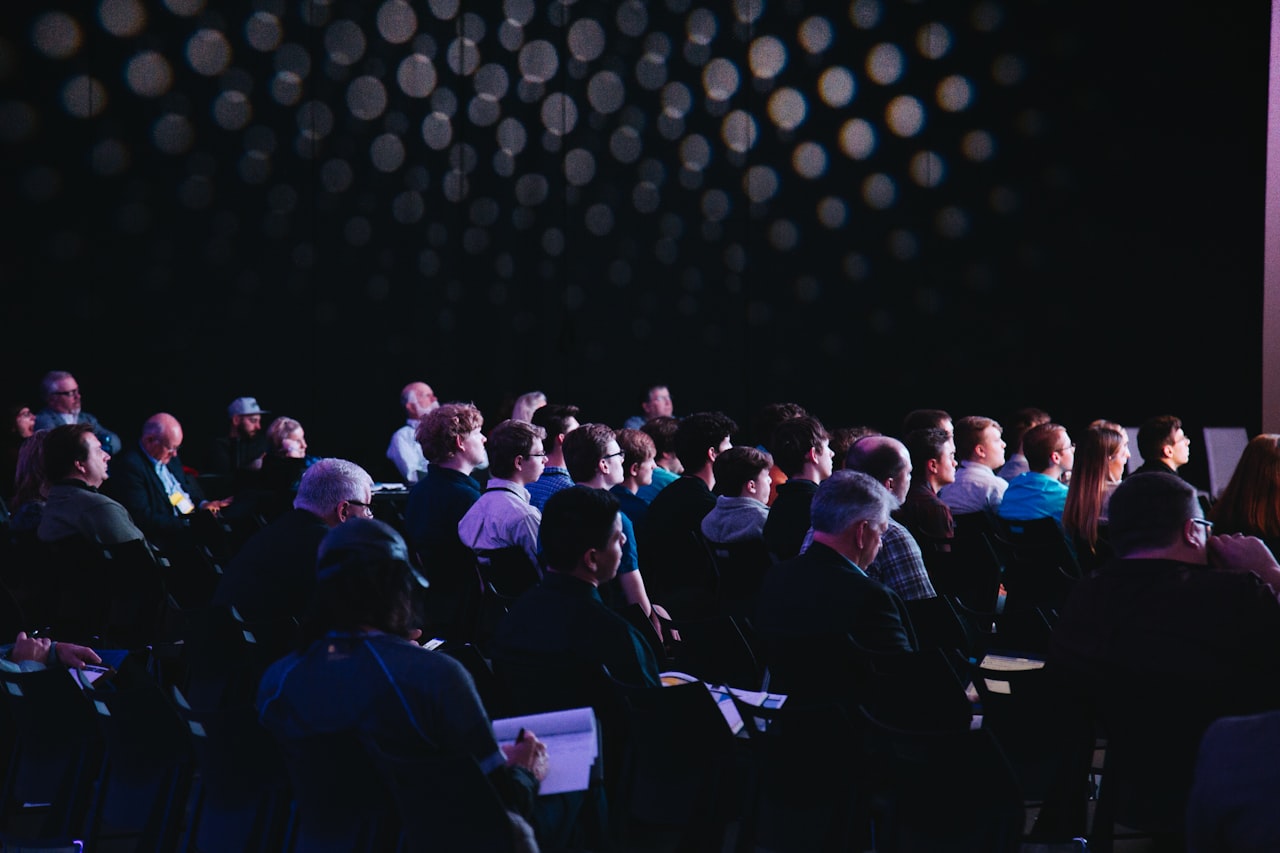
Organised by the Monetary Authority of Singapore (MAS) and held annually in November, the Singapore FinTech Festival is the world’s largest fintech event, attracting over 60,000 participants from more than 130 countries. The festival features conferences, exhibitions, workshops, hackathons and networking events covering all aspects of financial technology, from payments and lending to blockchain, artificial intelligence and regulation. For foreign fintech companies, participation provides access to regulators, investors, financial institutions and potential partners across Asia.
Singapore Week of Innovation and Technology (SWITCH)
SWITCH is Singapore’s flagship innovation and technology event, held annually and bringing together startups, investors, corporates and government leaders. The event features conference tracks on deep tech, sustainability, health tech and digital innovation, alongside exhibitions, pitch competitions and investor matching sessions. Foreign technology companies find SWITCH particularly valuable for connecting with Singapore’s innovation ecosystem, accessing venture capital networks and identifying partnership opportunities.
Asia Tech x Singapore
This major technology event, supported by the Infocomm Media Development Authority (IMDA), draws technology leaders, policymakers and innovators from across Asia. The conference addresses themes including artificial intelligence, cybersecurity, 5G, cloud computing and digital transformation. For foreign technology companies targeting the enterprise sector in Singapore and ASEAN, this event provides access to C-suite executives and senior technology decision-makers.
Singapore International Energy Week
Held annually and attracting over 10,000 delegates, Singapore International Energy Week brings together energy industry leaders, policymakers and innovators to discuss the energy transition, sustainability and clean energy developments. Foreign companies in energy, cleantech, sustainability and related sectors find this event valuable for connecting with regional energy stakeholders and understanding Southeast Asia’s energy landscape.
Key Trade Shows and Industry Exhibitions
Beyond conferences, Singapore hosts major trade shows and exhibitions that provide product demonstration and lead generation opportunities for foreign companies across various industries.
Food and Hotel Asia (FHA)
FHA is Asia’s largest food and hospitality trade show, held biennially at Singapore EXPO. The event attracts over 70,000 trade visitors and 4,000 exhibitors from around the world. Foreign food, beverage, equipment and hospitality technology companies use FHA to enter the Asia-Pacific market, connect with distributors and showcase products to regional buyers. The event’s scale and international attendance make it a premier platform for food industry market entry.
CommunicAsia and ConnecTechAsia
These co-located events focus on telecommunications, broadcasting, enterprise technology and emerging technologies. Attracting thousands of attendees from the ICT sector across Asia, the events feature exhibitions, conferences and networking sessions. Foreign telecommunications, enterprise software and technology infrastructure companies find these events effective for reaching Asian technology buyers and demonstrating solutions to regional challenges.
Industrial Transformation Asia-Pacific (ITAP)
Co-organised by the Singapore Economic Development Board and Deutsche Messe, ITAP is the leading Industry 4.0 event in Asia-Pacific. The event features exhibitions and conferences covering smart manufacturing, automation, robotics, additive manufacturing and industrial IoT. Foreign manufacturing technology companies targeting Asia-Pacific’s industrial transformation find ITAP a focused platform for connecting with manufacturers, system integrators and government agencies driving Industry 4.0 adoption.
Singapore Airshow
Held biennially, the Singapore Airshow is Asia’s largest aerospace and defence event, attracting over 50,000 trade visitors and more than 1,000 companies. While focused on aerospace and defence, the event also covers related sectors including unmanned systems, space technology, advanced materials and cybersecurity. Foreign aerospace, defence and advanced technology companies use the Singapore Airshow to access military and commercial aviation buyers across Asia-Pacific.
Sponsorship and Exhibition Strategies
Strategic sponsorship and exhibition at Singapore events can dramatically accelerate brand visibility and credibility for foreign companies. However, effective participation requires careful planning and budget allocation.
Exhibition Booth Strategy
Exhibition booth design and execution in Singapore should balance professionalism with approachability. Singapore event attendees expect well-designed, informative displays that respect their time. Staff your booth with knowledgeable representatives who can engage in substantive conversations rather than simply distributing brochures. Interactive demonstrations, product samples and technology showcases attract more meaningful foot traffic than passive displays. Ensure all booth materials reference Singapore-specific applications and benefits rather than generic global messaging.
Sponsorship Tiers and Options
Event sponsorship packages in Singapore range from headline title sponsorships (SGD 50,000 to SGD 200,000 or more for major events) to smaller packages such as session sponsorships, networking reception sponsorships, delegate bag inserts and digital advertising within event platforms (SGD 5,000 to SGD 30,000). The right sponsorship level depends on your brand awareness objectives, target audience overlap and available budget. Mid-tier sponsorships often provide the best balance of visibility and cost efficiency for foreign companies in the market entry phase.
Speaker Opportunities
Securing speaking slots at conferences positions your company as a thought leader and provides earned media value. Most major events have open calls for speakers or panel proposals. Submit proposals that address topics highly relevant to the Singapore and regional audience, backed by original data, case studies or unique perspectives from your global experience. Conference organisers prioritise speakers who offer actionable insights over thinly disguised sales presentations. A strong brand positioning strategy ensures your speaking engagements reinforce consistent messaging.
Networking at Events: Best Practices
Effective networking at Singapore business events requires cultural awareness, preparation and strategic follow-up. The connections made at events often become the foundation for business relationships that drive growth in the Singapore market.
Cultural Considerations
Business card exchange remains an important ritual at Singapore events, though digital alternatives are increasingly accepted. Present and receive business cards with both hands, take a moment to read the card and avoid writing on it in front of the giver. Address people formally until invited to use first names. Singaporean business culture is generally less hierarchical than Japanese or Korean culture but more formal than Australian or American norms. Arrive punctually — Singaporeans value time management highly.
Conversation Strategies
Effective networking conversations in Singapore balance professional discussion with personal connection. Ask about the other person’s business and market experience before discussing your own company. Singaporeans appreciate genuine curiosity and well-informed questions. Avoid overly aggressive sales approaches — the goal at networking events is to establish rapport and identify mutual interests, not to close deals on the spot. Express interest in learning about the Singapore market, which positions you as a thoughtful market entrant rather than a company simply seeking to extract value.
Follow-Up Protocols
Follow up with new contacts within 48 hours of meeting. Reference specific conversation points to personalise your message and demonstrate that you were genuinely engaged. Connect on LinkedIn with a customised connection request. For particularly promising contacts, suggest a follow-up coffee meeting at a convenient location — Singapore’s coffee culture makes this a natural and low-pressure next step. Maintain a contact database tracking where you met each contact, discussion points and agreed follow-up actions. Complement your in-person networking with a polished website that contacts will visit after meeting you.
Using Events to Launch Your Brand in Singapore
Business events provide powerful platforms for foreign companies to announce their Singapore market entry. A well-executed event-based brand launch generates concentrated attention from your target audience, media coverage and immediate business conversations.
Launch Event Strategies
Foreign companies can leverage major industry events as a backdrop for their Singapore launch, hosting a satellite event (reception, dinner, media briefing) during the event week to capitalise on the concentration of relevant attendees in Singapore. Alternatively, hosting a standalone launch event — at a venue like Marina Bay Sands, Raffles Hotel or a curated co-working space — creates a dedicated moment of attention for your brand entry. Invite industry contacts, potential clients, media representatives and association connections to create a room that represents your target ecosystem.
Media Coverage and PR
Singapore’s business media actively covers foreign company market entries, particularly when they involve investment, innovation or job creation. Prepare press releases timed to your event presence, offer exclusive interviews to key journalists and host media briefings that provide newsworthy angles — investment figures, partnership announcements, product launches or market insights. Building relationships with Singapore journalists and editors before your launch event ensures coverage when you need it most.
Social Media Event Coverage
Amplify your event presence through real-time social media coverage. Live-post from the event on LinkedIn, Instagram and other relevant platforms. Share key takeaways from conference sessions, photos from networking moments and behind-the-scenes content that humanises your brand. Event-specific hashtags concentrate visibility among attendees and followers of the event. Post-event content — summary articles, photo galleries, key learning compilations — extends the value of your event participation beyond the event dates. A comprehensive social media strategy ensures event content reaches the widest possible audience.
Digital Amplification of Event Presence
Modern event participation requires integrated digital strategies that amplify physical presence far beyond the venue. Foreign companies should plan digital activities before, during and after each event to maximise return on investment.
Pre-Event Digital Activities
Before the event, announce your participation through email marketing, social media posts and website updates. Reach out to target contacts to schedule meetings during the event. Create event-specific landing pages that provide information about your booth, speaking sessions or satellite events. Run targeted paid advertising campaigns to event attendees and target audience segments in Singapore, building awareness before you arrive.
During-Event Digital Activities
During the event, maintain active social media presence. Live-tweet or post key moments, insights and interactions. Use event apps and platforms to connect with attendees digitally. Capture video content — interviews, product demonstrations, venue footage — for post-event use. Monitor event hashtags and engage with conversations relevant to your brand. Ensure your website and digital properties are optimised for the spike in traffic that event participation generates.
Post-Event Digital Activities
After the event, publish recap content including blog articles summarising key insights, video compilations, photo galleries and infographics distilling market trends. Share this content across all digital channels and through email marketing to your contact database. Retarget event attendees who visited your website or engaged with your digital content. Post-event content extends the lifespan of your event investment and provides ongoing SEO value through search-discoverable articles and resources.
Planning Your Event Calendar
Strategic event calendar planning ensures foreign companies participate in the right events at the right time, aligned with business objectives and resource availability.
Annual Planning Approach
At the start of each year, map the major events relevant to your industry and target audience in Singapore. Key events typically maintain consistent timing year over year, allowing advance planning. Allocate budget for exhibition, sponsorship, travel, accommodation and entertainment costs across your priority events. Plan content creation around event dates, preparing materials for pre-event promotion, on-site use and post-event amplification.
Balancing Event Types
A balanced event strategy includes a mix of large-scale conferences (for broad visibility), industry-specific trade shows (for targeted lead generation), intimate networking events (for relationship deepening) and hosted events (for controlled brand messaging). Foreign companies in the market entry phase should prioritise events that provide the widest networking opportunity, transitioning towards more targeted events as their Singapore network matures. Complementing events with ongoing digital marketing activities ensures continuous market presence between events.
Budget Considerations
Event participation costs in Singapore vary widely. Budget for direct costs (registration fees, exhibition space, sponsorship packages) and indirect costs (booth design and production, staff travel and accommodation, entertainment, marketing materials and follow-up activities). A typical exhibition presence at a major trade show costs SGD 15,000 to SGD 50,000 including booth space, design, staffing and logistics. Conference attendance with a sponsorship package ranges from SGD 5,000 to SGD 30,000. Factor in opportunity costs of staff time dedicated to event preparation and attendance.
Frequently Asked Questions
When is the best time of year for business events in Singapore?
Singapore’s event calendar is active year-round, but the peak periods are March to June and September to November. January and February tend to have fewer major events due to Chinese New Year and the early-year planning cycle. July and August are moderately active. December slows down as the year-end holiday season approaches. Foreign companies should plan their Singapore event participation around the specific events most relevant to their industry rather than general seasonal patterns.
How much does it cost to exhibit at a major trade show in Singapore?
Exhibition costs vary by event, booth size and location within the exhibition hall. Raw booth space typically costs SGD 600 to SGD 1,200 per square metre. A standard 9-square-metre booth (3m x 3m) would cost SGD 5,400 to SGD 10,800 for space alone. Booth design, construction and furnishing add SGD 5,000 to SGD 20,000 depending on complexity. Total exhibition costs including staff, logistics, marketing materials and entertainment typically range from SGD 15,000 to SGD 50,000 for a standard presence.
Can foreign companies host their own events in Singapore?
Yes, foreign companies regularly host their own events in Singapore including product launches, media briefings, client appreciation events, thought leadership seminars and networking receptions. Venue options range from hotel ballrooms and conference rooms (SGD 2,000 to SGD 15,000) to unique venues like rooftop bars, galleries and co-working spaces. Event management companies in Singapore can handle logistics from venue selection to catering, audio-visual production and guest management.
How do I find relevant events for my industry in Singapore?
Key resources for finding events include the Singapore Tourism Board events calendar, industry association event listings, Singapore EXPO and Marina Bay Sands event schedules, LinkedIn Events, Eventbrite Singapore and trade publication event directories. Your home country chamber of commerce in Singapore can recommend events relevant to your sector. Joining industry-specific associations provides advance notice of upcoming events and often member discounts on attendance fees.
Are virtual and hybrid events still relevant in Singapore?
While in-person events have resumed strongly in Singapore, hybrid formats remain common for major conferences, allowing remote participation alongside physical attendance. Virtual-only events are less prevalent than during the pandemic but continue for specific formats like webinars, online workshops and virtual networking sessions. For foreign companies not yet physically present in Singapore, virtual participation in hybrid events provides market exposure and networking opportunities without travel costs.
How should foreign companies prepare for their first Singapore event?
Preparation should begin at least three months before the event. Confirm registration and any exhibition or sponsorship commitments. Design and produce marketing materials tailored to the Singapore audience. Research attendees and identify priority networking targets. Schedule pre-arranged meetings with key contacts. Prepare elevator pitches and presentation materials that address Singapore-specific market needs. Arrange logistics including travel, accommodation, local transportation and post-event meeting schedules.
What are the most effective ways to generate leads at Singapore events?
Lead generation at Singapore events works best through a combination of exhibition presence, speaking engagements, hosted networking sessions and digital follow-up. Interactive booth experiences that engage attendees in meaningful conversations generate higher-quality leads than passive booth displays. Speaking slots provide credibility and attract attendees who self-select as interested in your topic. Hosting a focused networking session — breakfast briefing, cocktail reception or roundtable discussion — creates intimate environments for deeper business conversations.
How important are business cards at Singapore events?
Business cards remain important in Singapore’s business culture, though their role is evolving. Physical cards are still exchanged at formal events and first-time meetings, particularly with senior executives and in traditional industries. Digital alternatives (LinkedIn QR codes, digital business cards, event app contact sharing) are increasingly accepted, especially among younger professionals and in the technology sector. Carry high-quality physical business cards to Singapore events but be prepared for digital exchange as well.
Can event participation replace digital marketing for market entry?
Event participation complements but does not replace digital marketing. Events provide concentrated networking and brand launch opportunities, while digital marketing provides continuous market presence, scalable audience reach and measurable performance. The most effective market entry strategies integrate both — using events for relationship building and brand launch, while maintaining ongoing digital marketing for awareness, lead nurturing and conversion. Digital marketing sustains momentum between events and reaches audiences who do not attend industry events.
What ROI should foreign companies expect from event participation in Singapore?
ROI from event participation varies by industry, event quality and company preparation. Direct ROI — leads converted to sales within six months — is difficult to quantify for market entry events, as the sales cycle for new market relationships can be extended. Indirect ROI includes brand awareness, media coverage, partnership development and market intelligence. Companies should track metrics including leads generated, meetings scheduled, partnerships initiated, media mentions and social media engagement to build a comprehensive picture of event ROI over time.