Fashion Marketing in Singapore: Complete Guide for Brands in 2026
Table of Contents
- The Singapore Fashion Landscape in 2026
- Positioning a Fashion Brand for the Singapore Consumer
- Channel Mix: Where Singapore Shoppers Actually Discover Brands
- Building a 12-Month Fashion Content Calendar
- Paid Media Budgets and Benchmarks in SGD
- Singapore Fashion Week, Pop-Ups and Retail Activations
- Expanding from Singapore into ASEAN
- Measuring Fashion Marketing: KPIs That Matter
- Frequently Asked Questions
The Singapore Fashion Landscape in 2026
Fashion marketing in Singapore in 2026 is shaped by three realities: a saturated domestic retail market of 5.9 million residents, a consumer base with the highest apparel spend per capita in Southeast Asia, and a digital ecosystem where Shopee, Lazada, Zalora, TikTok Shop and Instagram all compete for the same discovery minute. Homegrown brands such as Love Bonito, Charles & Keith, In Good Company and By Invite have shown that a Singapore fashion label can scale regionally, but the path to that scale has narrowed sharply since 2022.
The post-pandemic surge in DTC brand formation created a new challenge: customer acquisition costs on Meta have roughly doubled since 2021, pushing local labels to rethink how they balance paid social, influencer partnerships, content commerce and physical retail. Brands that treat digital marketing as a bolt-on to a wholesale strategy are being out-marketed by operators who treat every Instagram Reel, TikTok haul and Shopee livestream as a single connected funnel.
Regional competition is the other major force. Pomelo from Bangkok, Zalora’s private label, SHEIN’s aggressive push into ASEAN and Uniqlo’s category expansion have raised the bar on price, speed and content. A Singapore brand in 2026 competes on identity, fit for the Asian body, service quality and cultural relevance — not on cost per garment.
Positioning a Fashion Brand for the Singapore Consumer
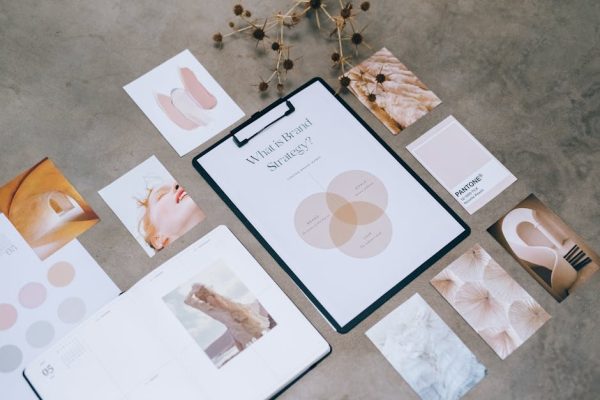
Singapore fashion shoppers are pragmatic but brand-conscious. The average Singaporean buyer researches a label across Instagram, Google, Carousell resale listings and TikTok reviews before a first purchase above SGD 150. Positioning needs to answer three questions within seconds of a first impression: who is this for, what problem does it solve that Uniqlo or Zara does not, and what does buying it say about me.
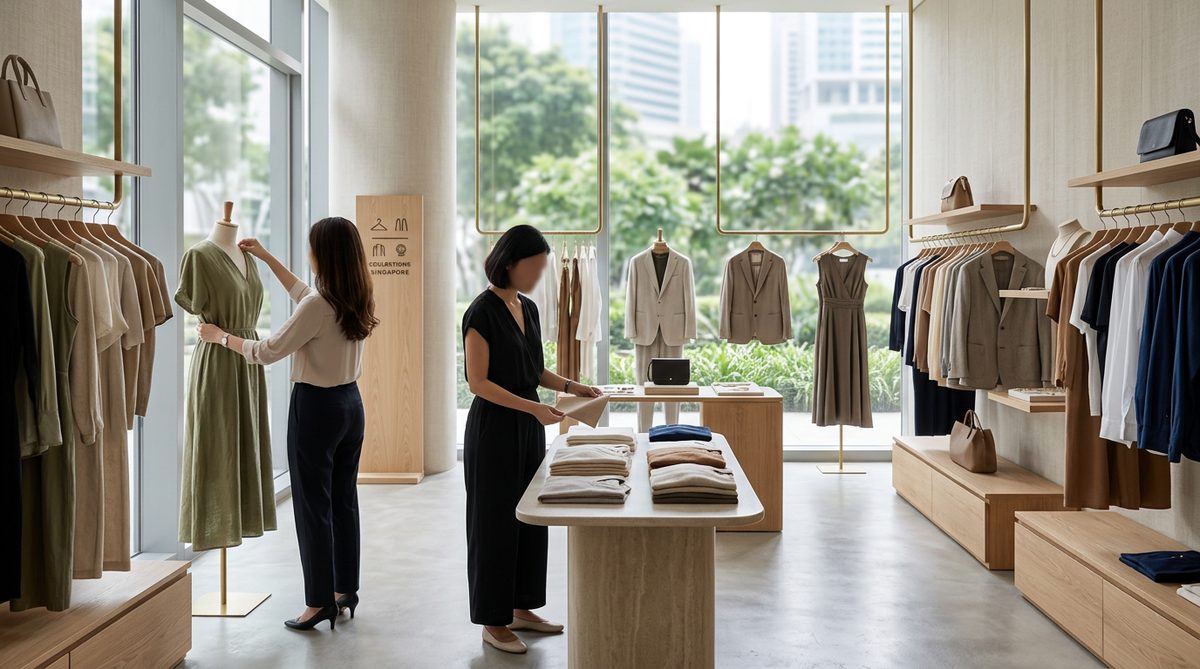
Successful local positioning tends to land on one of four angles: Asian-fit and size inclusivity (the angle that built Love Bonito), occasion-wear precision (cocktail, workwear, bridal), modest fashion for the Muslim market, or design-led editorial pieces that feel too considered for fast fashion. Pick one, then build every asset from a product shoot to a Shopee listing around it.
Your brand voice should reflect Singapore bilingualism without tipping into Singlish caricature. English copy leads, with Mandarin captions added selectively for Shopee and Little Red Book where relevant. For the strategic frame that ties positioning to every downstream channel, see our pillar on digital marketing for fashion in Singapore.
Channel Mix: Where Singapore Shoppers Actually Discover Brands
Instagram remains the primary discovery and brand-building channel for Singapore fashion, but its role has shifted from sales driver to audience builder. Conversion now happens more reliably on TikTok Shop, Shopee Live, Zalora and the brand’s own Shopify store. Treating each channel as a distinct stage in the funnel is the difference between spending SGD 50,000 efficiently and wasting it.
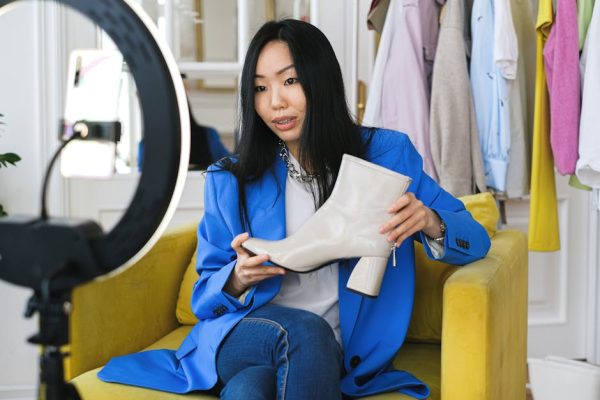
TikTok and Reels handle top-of-funnel discovery through trend-led content, styling videos and creator seeding. Instagram carousel posts and Stories carry mid-funnel education — look-books, behind-the-scenes at Singapore Fashion Week, founder commentary, fabric stories. Shopee, Lazada and Zalora capture bottom-funnel demand from shoppers who already know what they want and are comparing prices, shipping and vouchers.
Google plays a quieter but vital role. Brand searches for your label, category terms like “midi dress Singapore” or “office wear Singapore,” and long-tail queries like “breathable linen workwear for tropical weather” deserve both SEO and Google Ads coverage. Pair that with Google Shopping and Performance Max once the product feed is cleaned up. A coordinated approach across paid and organic is what our social media marketing services team builds for fashion clients.
Building a 12-Month Fashion Content Calendar
Fashion is a calendar business. A Singapore brand in 2026 should map content against four layers: global fashion moments (Fashion Week cycles, Met Gala, major collection launches), local retail peaks (9.9, 10.10, 11.11, 12.12, Black Friday, Chinese New Year, Hari Raya, Deepavali, Christmas), weather-driven demand (monsoon, haze, travel season), and brand-specific drops.
Chinese New Year and Hari Raya are the two biggest spikes for occasion-wear and modest fashion respectively. Content planning for CNY should begin in October with soft-launch teasers, roll into photography in November, and peak paid media in the three weeks before the festival. Hari Raya follows the same rhythm offset to the Islamic calendar. A Deepavali capsule, even a small one, signals cultural awareness and earns goodwill that compounds.
Weekly cadence for most Singapore fashion brands should sit at 4-5 Instagram Reels, 2-3 Instagram carousel posts, 3-4 TikTok videos, one newsletter and daily Stories. Livestream commerce on TikTok Shop or Shopee Live should run at least weekly once the operation is stable. For deeper tactical detail on each format, our content marketing services playbook covers production workflow, scripting and repurposing.
Paid Media Budgets and Benchmarks in SGD
Realistic paid media budgets for a Singapore fashion brand depend on stage. An emerging DTC label doing under SGD 50,000 a month in revenue should budget SGD 3,000-6,000 monthly across Meta and TikTok, with a 60/40 split weighted to Meta for prospecting and remarketing. Growth-stage brands at SGD 150,000-500,000 monthly typically run SGD 20,000-60,000 in paid media, layering in Google Ads, TikTok Shop ads and creator whitelisting.
Cost benchmarks in 2026 for Singapore fashion look roughly like this: Meta cost per click SGD 0.80-2.20 depending on audience specificity, cost per purchase SGD 25-60 for mid-range brands, cost per add-to-cart SGD 4-10 on TikTok Shop. Return on ad spend targets should be 2.5x-4.0x blended for scaling accounts, with first-order ROAS as low as 1.2x when you have strong repeat-purchase economics.
Creative refresh cadence is now the single biggest lever. A Singapore fashion account running the same three static ads for six weeks will see CPMs climb 30-50% as frequency builds. Brands that produce at least 8-12 new creatives per month — mixed Reels, UGC clips, carousels and product-demo videos — maintain healthier unit economics. For cost-per-click optimisation across Google, our Google Ads team works to the same creative-refresh discipline.
Singapore Fashion Week, Pop-Ups and Retail Activations
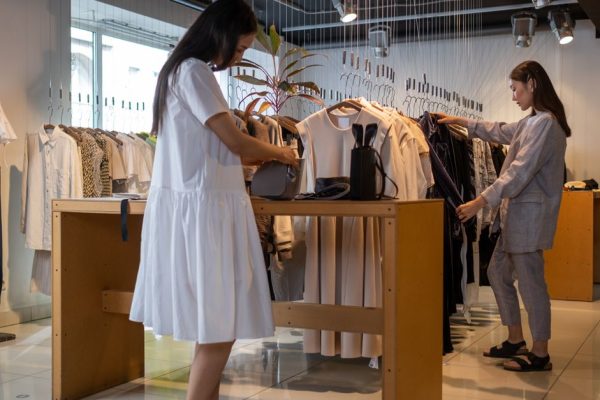
Singapore Fashion Week, Singapore Fashion Council events, Design Orchard launches and retail pop-ups at Tanjong Pagar, Haji Lane and Dempsey remain high-leverage moments even for digital-first brands. They generate the earned media, editorial imagery and short-form video content that paid social alone cannot buy at the same credibility.
A well-planned runway or showroom appearance should produce at least one month of Instagram and TikTok content: teaser posts, backstage Reels, front-row creator coverage, editorial shots for email and PDP hero images, and a recap video. Budget SGD 15,000-60,000 for a meaningful activation including space, production, PR and creator hosting, depending on scale.
Pop-ups make the most sense when tied to a clear objective: launching a capsule, testing a new city district, building an email list, or capturing content. Design Orchard, Raffles City pop-up spaces and the basement units at ION Orchard remain the most-used spaces for homegrown labels. Pair any physical activation with a tightly produced video marketing plan so the event pays for itself long after the last tote bag has been collected.
Expanding from Singapore into ASEAN
Singapore is too small to be a sustainable home market for ambitious fashion labels. Malaysia, Indonesia, Philippines, Thailand and Vietnam collectively hold over 600 million consumers, and the regional fashion market is growing faster than the Singapore one. The brands that have succeeded regionally — Love Bonito, Charles & Keith, Pomelo in reverse — treat Singapore as a launchpad, not an endpoint.
Expansion usually follows one of three patterns. Platform expansion via Shopee and Lazada country sites is the lowest-capital route, extending the existing range into Malaysia and Indonesia within 60-90 days. Marketplace-led expansion via Zalora gives broader regional reach but tighter margin terms. Direct expansion with localised Shopify stores, local payment methods (GrabPay, ShopeePay, OVO, GCash) and country-specific Meta campaigns is higher-investment but builds durable brand equity.
Localisation goes well beyond translation. Sizing, fit, fabric weight for tropical climates, religious considerations for Indonesia and Malaysia, price ladders relative to local minimum wages and shipping economics all need to be redesigned per market. Singapore-priced dresses at SGD 120 do not translate cleanly to Indonesian shoppers; a tiered product architecture with entry SKUs at IDR 350,000-500,000 often works better.
Measuring Fashion Marketing: KPIs That Matter
Singapore fashion brands over-index on vanity metrics and under-invest in cohort analysis. Follower counts and post likes matter only insofar as they predict future revenue. The metrics that actually shape commercial outcomes are new-customer acquisition cost, 30/60/90-day repeat purchase rate, average order value, contribution margin after returns, and creative-level cost per purchase.
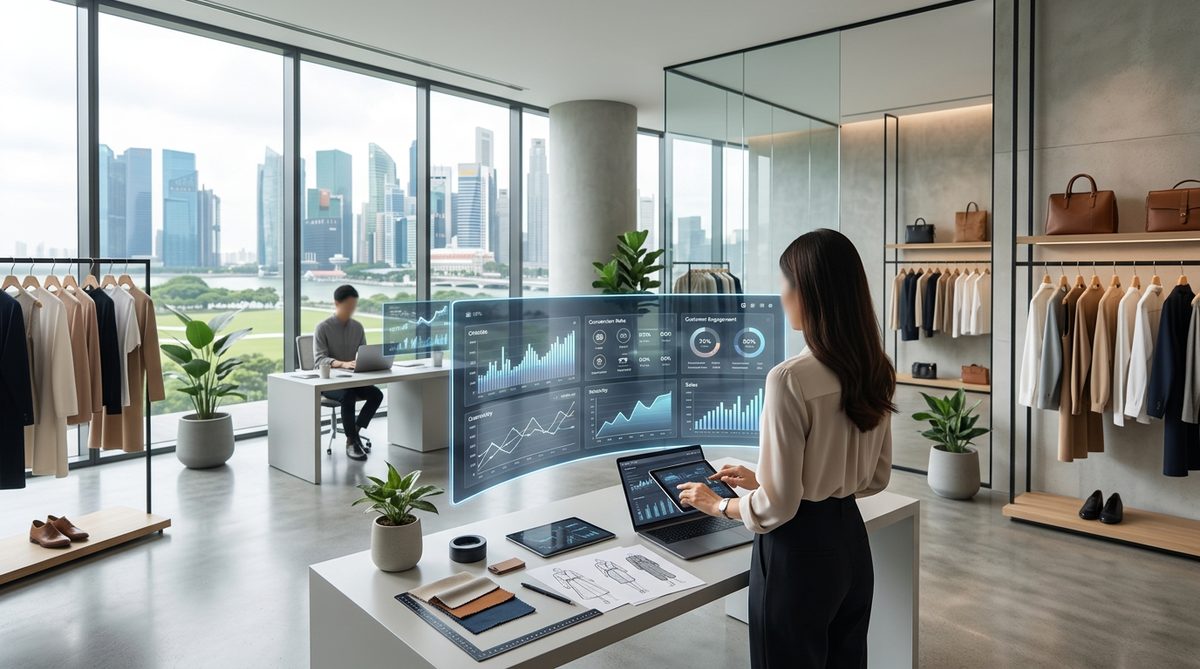
Track first-time vs. returning buyer split weekly. Healthy Singapore fashion brands sit at 35-55% returning customer revenue by year two. Below 25% repeat rate suggests a product, fit or service problem that paid media cannot solve. Above 60% suggests you are under-investing in new-customer acquisition and will plateau.
Attribution in 2026 is best handled with a mix of Meta and TikTok in-platform reporting, GA4 for cross-channel visibility, and a lightweight media-mix model or geo-holdout test once spend exceeds SGD 30,000 a month. Post-purchase surveys asking “Where did you first hear about us?” are unfashionable but remain the single most useful attribution input for fashion brands. Our ecommerce marketing team builds this full measurement stack as part of any retainer.
Frequently Asked Questions
How much does it cost to market a fashion brand in Singapore?
A bootstrapped DTC label can start credibly at SGD 3,000-6,000 per month combining paid media, creator seeding and content production. Growth-stage brands typically spend SGD 20,000-60,000 per month, and established regional labels often allocate SGD 100,000-300,000 monthly across all channels. The right budget is whatever supports a stable blended ROAS above 2.5x given your margins.
Is Instagram or TikTok more important for fashion brands in Singapore?
Both, for different purposes. Instagram still drives brand identity, editorial storytelling and the all-important first profile impression. TikTok drives discovery, trend-led demand and direct sales via TikTok Shop. Most serious Singapore fashion brands now treat them as a pair, producing content for TikTok first and repurposing to Reels.
Should a Singapore fashion brand sell on Shopee and Lazada?
Usually yes, but with a managed SKU strategy. Use marketplaces to extend reach, clear past-season stock and build regional presence in Malaysia and Indonesia, while keeping newest drops and full-price core SKUs on your direct store to protect margin and data ownership.
How important is Singapore Fashion Week for marketing?
Valuable for brand positioning, PR and content generation — less important for direct sales. It is most useful for labels targeting mid-premium positioning, investor conversations, wholesale buyers or creator partnerships. A lean alternative is hosting a curated preview event tied to a retail pop-up.
What is a good return on ad spend for Singapore fashion?
Blended ROAS of 2.5x-4.0x is healthy for most DTC fashion brands in Singapore, depending on gross margin. Luxury and high-margin labels can sustain higher targets; fast-fashion operators often run at 1.8x-2.5x and rely on repeat orders for profitability.
How long does it take to build a Singapore fashion brand online?
Expect 18-36 months from launch to a stable monthly revenue run-rate of SGD 100,000. The first 6 months are usually spent finding product-market fit and a working creator and content formula. Brands that try to scale paid media before that foundation is in place almost always burn capital unnecessarily.
Which fashion marketing channels have the best ROI in Singapore?
For most Singapore fashion brands today, the best blended ROI comes from: creator-led TikTok content amplified through Spark Ads, Meta remarketing with strong UGC creative, email and SMS for repeat purchase, and branded search on Google. Marketplace advertising on Shopee and Lazada has sharp ROI for clearance and mid-tier SKUs.
Do Singapore fashion brands need a physical store?
Not always, but at scale it helps. A well-chosen retail or pop-up footprint increases brand credibility, supports returns logistics and improves paid-social conversion rates for shoppers in that catchment area. Many successful Singapore DTC brands run one flagship plus rotating pop-ups rather than multiple permanent stores.
How do I expand my Singapore fashion brand into Malaysia or Indonesia?
Start with Shopee and Lazada country sites for low-risk distribution, then layer in localised paid media, local payment methods and a Malay or Bahasa Indonesia content stream. Only commit to a dedicated Shopify and warehouse setup once monthly country revenue sustains above SGD 30,000-50,000.
What are common mistakes in fashion marketing in Singapore?
Over-investing in expensive campaign shoots that do not perform on social, under-investing in creator-led UGC, ignoring email and SMS, running the same paid creatives for too long, and treating marketplaces as an afterthought. The brands that win in 2026 produce a steady stream of native-feeling content and measure performance at the creative level, not the campaign level.