Marketing to Baby Boomers in Singapore: Digital Channels That Work
Table of Contents
- Understanding Baby Boomers in Singapore
- Digital Adoption and Online Behaviour
- Effective Digital Channels for Boomers
- Trust Signals and Credibility Markers
- Messaging Strategies That Resonate
- Accessibility and User Experience
- Key Spending Categories and Opportunities
- Campaign Best Practices
- Frequently Asked Questions
Understanding Baby Boomers in Singapore
Baby boomers — born between 1946 and 1964 — are Singapore’s pioneer generation of economic growth. Now aged 62 to 80, they witnessed and contributed to the nation’s transformation from a fledgling state to one of Asia’s most prosperous economies. Understanding baby boomer marketing singapore means recognising the values, experiences and aspirations that define this influential cohort.
There are approximately 800,000 to 900,000 baby boomers among Singapore’s resident population. While younger marketers may assume this group is winding down, the reality is far more nuanced. Many Singaporean boomers are active, engaged and spending. Some continue working — whether by choice or necessity. Others are enjoying retirement with substantial CPF savings, property assets and investment portfolios accumulated over decades of disciplined saving.
Values and Mindset
Singaporean baby boomers are defined by pragmatism, hard work and financial prudence. They grew up in an era of nation-building, where sacrifice and collective progress were paramount. These values persist in their consumer behaviour — they respect brands that demonstrate reliability, value for money and genuine quality. They are cautious with their spending but not averse to treating themselves, particularly on health, travel and family experiences.
Cultural Considerations
Language is a critical factor. While many Singaporean boomers are bilingual, a significant number are more comfortable in Mandarin, Malay or Tamil than in English. Marketing campaigns that offer multilingual options — or that are specifically created in mother tongue languages — achieve substantially higher engagement. Cultural sensitivity around topics such as ageing, health and retirement requires careful attention.
Digital Adoption and Online Behaviour
The biggest misconception in baby boomer marketing singapore is that boomers are not online. The pandemic fundamentally accelerated digital adoption among Singaporean boomers, and the gains have proven permanent. Government initiatives such as the Seniors Go Digital programme further supported this transformation.

Smartphone Penetration
Smartphone ownership among Singaporean baby boomers now exceeds 85 per cent, a remarkable increase from pre-pandemic levels. They use smartphones for messaging (primarily WhatsApp), news reading, video watching, online banking and increasingly, shopping. Many boomers received their first smartphones as gifts from children or grandchildren and were then guided into digital fluency by family members.
Online Behaviours
Boomers tend to use the internet more purposefully than younger generations. They log on to complete specific tasks — reading the news, checking messages, watching recommended videos, making purchases — rather than browsing aimlessly. Sessions may be shorter but are often more focused. Understanding this task-oriented behaviour is essential for designing effective digital marketing campaigns targeting boomers.
Digital Confidence
While digital adoption is high, digital confidence varies significantly within the boomer cohort. The younger end (early sixties) tend to be more comfortable with new platforms and features, while the older end (late seventies) may need more time and support. Marketing campaigns should account for this range by keeping interfaces simple, instructions clear and support readily accessible.
Effective Digital Channels for Boomers
Not all digital channels are equally effective for reaching baby boomers. The key is meeting them where they already spend time, rather than expecting them to adopt new platforms.
Facebook: The Boomer Platform
Facebook is overwhelmingly the most important social platform for Singaporean boomers. They use it to stay connected with family and old friends, follow news pages, participate in community groups and share content. Facebook advertising targeting boomers benefits from the platform’s extensive demographic and interest-based targeting options. A well-executed social media strategy on Facebook can deliver excellent results with this audience.
YouTube: The Entertainment and Learning Hub
YouTube is the second most popular digital platform among Singaporean boomers. They watch news, cooking videos, health information, travel content, music and educational material. YouTube’s recommendation algorithm effectively surfaces content based on viewing history, keeping boomers engaged. YouTube advertising — particularly non-skippable six-second bumper ads and longer skippable formats — reaches this audience during their viewing sessions.
WhatsApp: The Communication Lifeline
WhatsApp is not just a messaging app for boomers — it is their primary digital communication channel. Family group chats, friend circles and community networks all run on WhatsApp. While direct marketing on WhatsApp requires careful handling (boomers are sensitive to spam), WhatsApp Business for customer service and opt-in broadcast lists for loyal customers can be effective.
Google Search
Boomers are active Google users, particularly for health information, product research, local business discovery and travel planning. Google Ads targeting boomer-relevant search queries — especially in healthcare, finance, travel and lifestyle categories — capture high-intent traffic. Ensure landing pages are accessible and straightforward.
Email Marketing
Baby boomers are among the most responsive demographics for email marketing. They check email regularly, open messages from trusted senders and respond to clear calls to action. Newsletters, exclusive offers, appointment reminders and educational content all perform well in email format.
Trust Signals and Credibility Markers
Trust is the cornerstone of boomer marketing. This generation has a healthy scepticism towards unfamiliar brands and online transactions. Building trust requires deliberate, visible effort.
Established Brand Reputation
Boomers gravitate towards brands with established reputations. Longevity in the market, recognisable brand names and association with trusted institutions all serve as trust signals. Newer brands can overcome this advantage by partnering with established organisations, securing endorsements from respected figures or obtaining industry certifications.
Social Proof and Testimonials
Customer testimonials, particularly from peers of a similar age and background, are powerful trust builders. Video testimonials are especially effective, as boomers respond to seeing and hearing real people share their experiences. Case studies, awards and media mentions also contribute to credibility.
Security and Privacy Assurance
Online security concerns are heightened among boomers, who are acutely aware of scam risks. Visible security badges, clear privacy policies, secure payment indicators and fraud protection guarantees all reduce purchase anxiety. Brands should proactively address security concerns in their marketing communications.
Professional Endorsements
Endorsements from doctors, financial advisers, industry experts and government bodies carry significant weight with boomers. Professional credibility signals — qualifications, accreditations, years of experience — should be prominently displayed. A strong brand presence that conveys professionalism and expertise is essential for earning boomer trust.
Messaging Strategies That Resonate
The words and tone you use matter enormously when communicating with baby boomers. Getting the messaging right is the difference between engagement and dismissal.

Positive Ageing Narratives
Boomers do not see themselves as old. They are active, engaged and often at the most fulfilling stage of their lives. Marketing that portrays them as frail, dependent or technologically helpless will alienate them instantly. Instead, use imagery and language that reflects vitality, independence and continued growth.
Clear and Direct Language
Avoid jargon, acronyms and trendy slang. Boomers appreciate clear, direct communication that respects their intelligence without assuming digital fluency. Instructions should be explicit, benefits should be stated plainly and calls to action should be unambiguous.
Emotional Connections
Family is the most powerful emotional driver for Singaporean boomers. Marketing that connects a product or service to family wellbeing — protecting grandchildren’s future, enjoying time with loved ones, leaving a legacy — resonates deeply. Cultural celebrations such as Chinese New Year reunions, Hari Raya gatherings and family milestone events are natural marketing moments.
Practical Benefits Over Aspirational Messaging
While younger audiences may respond to aspirational branding, boomers want to know what a product does for them in practical terms. Will it save money? Improve health? Simplify a task? Provide peace of mind? Lead with tangible benefits and support them with clear evidence.
Multilingual Messaging
As noted earlier, many Singaporean boomers prefer consuming content in their mother tongue. Mandarin-language campaigns often outperform English-only campaigns when targeting the Chinese Singaporean boomer segment. Similarly, Malay and Tamil-language content reaches Malay and Indian Singaporean boomers more effectively. Investing in multilingual content marketing significantly improves reach and engagement.
Accessibility and User Experience
Accessibility is not optional when marketing to baby boomers — it is a fundamental requirement. Poor user experience is the fastest way to lose a boomer prospect.
Website Design for Boomers
Websites targeting boomers should feature larger font sizes (minimum 16 pixels for body text), high contrast between text and background, generous spacing, simple navigation structures and prominent call-to-action buttons. Avoid complex layouts, hidden menus and excessive animations. Every click should lead somewhere logical and predictable.
Mobile-Friendly Design
Since most boomers access the internet primarily via smartphone, mobile optimisation is critical. Touch targets should be large enough for less precise tapping, forms should be short and simple, and phone-tap-to-call functionality should be available for businesses where telephone enquiries are appropriate.
Readable Content
Use short paragraphs, clear headings, bullet points and plenty of white space. Avoid light grey text on white backgrounds — a common design trend that creates readability problems for ageing eyes. Content should be scannable and logically structured.
Support and Assistance
Offer multiple support channels — including telephone support, which boomers often prefer. Live chat with a human agent (not just a chatbot) is also valued. Clear FAQ sections, instructional videos and step-by-step guides reduce frustration and build confidence.
Key Spending Categories and Opportunities
Baby boomers in Singapore spend significantly across several categories, creating substantial marketing opportunities for brands that understand their needs.
Healthcare and Wellness
Health is the top priority for most boomers. Spending on medical check-ups, supplements, fitness activities, therapeutic services and health insurance is high and growing. Preventive health messaging resonates strongly — boomers want to maintain their independence and vitality for as long as possible.
Travel and Leisure
Boomer travel spending in Singapore is robust, with preferences for comfortable, well-organised travel experiences. Cruises, guided tours, cultural trips and family holidays are popular. Post-pandemic, there has been a strong resurgence in boomer travel, with many making up for years of restricted movement.
Financial Products
Retirement planning, wealth management, insurance reviews and estate planning are top-of-mind financial concerns. Boomers actively seek professional advice and are willing to pay for expertise. Financial services brands that offer clear, jargon-free information build strong relationships.
Home and Lifestyle
Many boomers are downsizing, renovating or optimising their homes for comfort and accessibility. Home improvement, smart home technology (when presented simply), domestic services and furniture are active spending categories.
Family Spending
Grandchildren are a major spending driver. Boomers spend generously on gifts, education, childcare support and family outings. Marketing that positions products as gifts or family experiences taps into this powerful motivation. Strong search visibility for these categories ensures your brand is found when boomers go looking.
Campaign Best Practices
Successful baby boomer marketing singapore campaigns share several common characteristics that distinguish them from campaigns targeting younger audiences.
Test and Learn With Smaller Budgets First
Boomer audiences can be more segmented than they appear. Digital comfort, language preference, income level and life stage all create sub-segments with distinct responses. Start with smaller test campaigns, measure results carefully and scale what works.
Combine Digital and Traditional Touchpoints
The most effective boomer campaigns integrate digital advertising with traditional touchpoints. A Facebook Ad that drives to a website, supported by a follow-up email and a telephone consultation option, creates a multi-touch experience that builds confidence at each stage.
Prioritise Customer Service
Boomers expect and value excellent customer service. Every customer interaction — from initial enquiry to post-purchase follow-up — should be handled with care, patience and professionalism. Positive service experiences generate word-of-mouth recommendations, which are the most trusted marketing channel for this generation.
Plan for Longer Decision Cycles
Boomers typically take longer to make purchasing decisions than younger consumers. They research more thoroughly, consult family members and weigh options carefully. Marketing campaigns should nurture prospects over weeks or months, providing information and reassurance at each stage rather than pushing for immediate conversion.
Measure and Attribute Carefully
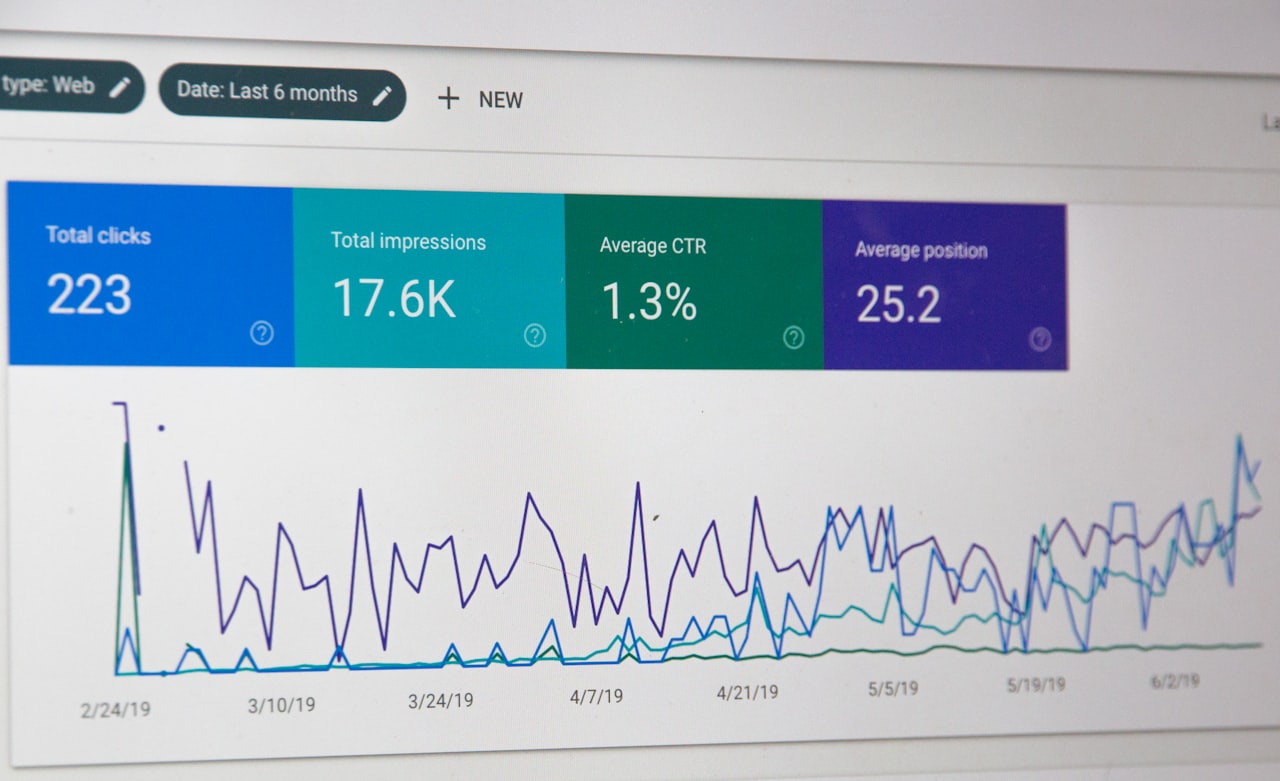
Boomer purchase journeys often span both digital and offline touchpoints, making attribution more challenging. Use tracking mechanisms such as unique phone numbers, discount codes, landing page URLs and post-purchase surveys to understand which channels and messages drive conversions.
Frequently Asked Questions
What age group are baby boomers in Singapore?
Baby boomers are those born between 1946 and 1964, making them currently aged 62 to 80 in Singapore. They are a diverse cohort spanning active early retirees through to older seniors, with varying levels of digital adoption and spending capacity.
Are baby boomers in Singapore active online?
Yes. Smartphone penetration among Singaporean boomers exceeds 85 per cent. They actively use Facebook, YouTube, WhatsApp, Google and email. The pandemic accelerated digital adoption significantly, and these habits have persisted. However, their online behaviour tends to be more purposeful and task-oriented than younger generations.
Which social media platform is most effective for reaching boomers?
Facebook is by far the most effective social platform for reaching baby boomers in Singapore. It offers the widest reach, the best targeting options and the highest engagement within this demographic. YouTube is the second most important digital platform for boomer marketing.
How important is language in boomer marketing?
Very important. A significant proportion of Singaporean boomers prefer consuming content in their mother tongue — Mandarin, Malay or Tamil. Multilingual campaigns consistently outperform English-only campaigns when targeting this demographic. Even simple gestures, such as offering a Mandarin version of a landing page, can significantly improve engagement.
What are the biggest trust concerns for boomer consumers?
Online security and scam awareness are the primary trust concerns. Boomers need visible security assurances, clear privacy policies and fraud protection guarantees. They also rely heavily on brand reputation, professional endorsements and peer recommendations to establish trust with unfamiliar brands.
Do baby boomers respond to email marketing?
Baby boomers are among the most responsive demographics for email marketing. They check email regularly and are more likely to open and read messages from trusted senders than younger generations. Clear subject lines, personalised content and straightforward calls to action achieve strong results.
What do baby boomers in Singapore spend money on?
The major spending categories include healthcare and wellness, travel, financial products, home improvements, family and grandchildren, and lifestyle experiences. Boomers are willing to spend on quality and value, particularly for products and services that enhance their health, comfort and family relationships.
How should websites be designed for boomer audiences?
Websites should feature larger text sizes, high contrast, simple navigation, large clickable buttons, minimal clutter and clear calls to action. Mobile optimisation is essential, as most boomers access the internet via smartphones. Multiple support options — including telephone numbers — should be prominently displayed.
Is traditional media still relevant for boomer marketing?
Yes, traditional media retains relevance for boomers, though its dominance has diminished. The Straits Times, Chinese-language newspapers, radio and television still reach this demographic. The most effective campaigns combine digital advertising with traditional media touchpoints for maximum coverage and credibility.
How long does it take boomers to make purchasing decisions?
Boomers typically have longer decision cycles than younger consumers. They research thoroughly, compare options, consult family members and take time to build confidence in their choice. Marketing campaigns should nurture prospects over weeks or months with consistent information and reassurance, rather than pushing for immediate conversions.