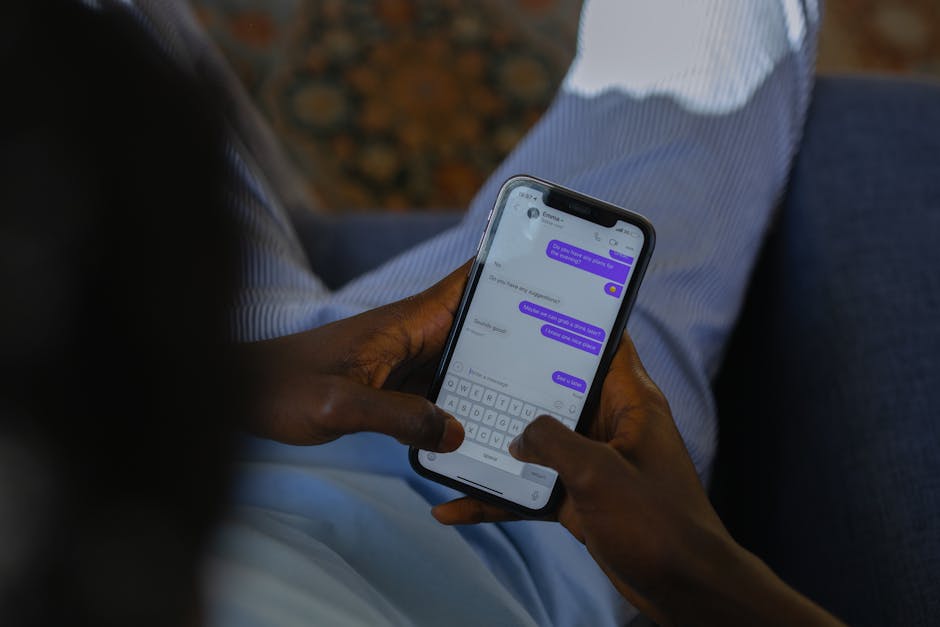
SMS Marketing Singapore: A PDPA-Compliant Guide for 2026
In an era dominated by social media algorithms and crowded email inboxes, SMS marketing remains one of the most effective direct communication channels available to Singapore businesses. With open rates exceeding 95% and most messages read within 3 minutes of delivery, SMS cuts through the noise in ways that other channels simply cannot match.
However, running SMS marketing in Singapore comes with significant regulatory responsibilities. The Personal Data Protection Act (PDPA) and the Do Not Call (DNC) Registry impose strict rules on how businesses can send marketing messages via SMS. Non-compliance can result in fines of up to SGD 1 million — a risk no business can afford to take lightly.
This guide covers everything you need to know about running effective, compliant SMS marketing campaigns in Singapore in 2026, from building your subscriber list and choosing the right platform to crafting messages that drive action and measuring campaign performance.
Why SMS Marketing Still Works in 2026
Despite the proliferation of messaging apps and social platforms, SMS retains unique advantages that make it indispensable for Singapore businesses:
- Near-universal reach: SMS works on every mobile phone, regardless of whether the recipient has internet access, a smartphone, or any specific app installed. In Singapore, where mobile penetration exceeds 150%, this means virtually every adult can receive your message.
- Unmatched open rates: SMS open rates consistently exceed 95%, compared to 20–25% for email. The vast majority of SMS messages are read within 3 minutes of delivery.
- No algorithm dependency: Unlike social media posts or even email, SMS messages are delivered directly to the recipient’s inbox without algorithmic filtering. Your message reaches its intended audience every time.
- High conversion potential: SMS click-through rates average 19–36%, significantly higher than email (2–5%) or social media ads. The personal, immediate nature of SMS drives stronger action.
- Complementary channel: SMS works exceptionally well alongside email marketing, WhatsApp marketing, and other digital channels as part of an integrated communication strategy.
For Singapore businesses across sectors — retail, F&B, healthcare, professional services, and e-commerce — SMS marketing delivers consistent results when executed properly and compliantly.
PDPA Compliance and DNC Registry Requirements
Before sending a single marketing SMS in Singapore, you must understand and comply with the Personal Data Protection Act (PDPA) and related regulations. Non-compliance is not merely a legal risk; it damages brand reputation and erodes customer trust.
The Do Not Call (DNC) Registry
The PDPC (Personal Data Protection Commission) maintains the DNC Registry, which allows individuals to opt out of receiving marketing messages. Key requirements include:
- Check before you send: You must check all phone numbers against the DNC Registry before sending any marketing SMS. This applies to the SMS DNC list, the voice DNC list, and the fax DNC list.
- Valid results window: DNC check results are valid for 30 days. If you have not sent a message within 30 days of your check, you must check again.
- Exemptions: Messages are exempt from DNC requirements if the recipient has given clear and unambiguous consent to receive marketing messages from your organisation, or if there is an ongoing relationship and the messages relate to that relationship.
Consent Requirements
Under the PDPA, you need valid consent to send marketing SMS messages. Consent can be:
- Express consent: The individual has actively agreed to receive marketing SMS, such as by ticking a checkbox, signing a form, or sending a keyword to opt in. This is the strongest form of consent.
- Deemed consent: Consent can be deemed in certain circumstances, such as when there is an existing business relationship and the messages are reasonably expected. However, relying solely on deemed consent is risky.
Message Content Requirements
Every marketing SMS must include:
- Clear identification of the sending organisation
- A functional opt-out mechanism (e.g., “Reply STOP to unsubscribe”)
- Accurate sender information
Penalties for Non-Compliance
The PDPC can impose financial penalties of up to SGD 1 million for organisations that breach the PDPA. Beyond fines, the PDPC publishes enforcement decisions publicly, creating reputational damage. Recent enforcement actions have specifically targeted businesses that sent unsolicited SMS messages to DNC-registered numbers.
For businesses seeking comprehensive guidance on PDPA-compliant marketing, working with a specialist SMS marketing agency can help you navigate the regulatory landscape while maximising campaign effectiveness.
Building Your SMS Subscriber List
A high-quality, permission-based subscriber list is the foundation of successful SMS marketing in Singapore. Unlike email lists where you can purchase contacts (though this is still inadvisable), SMS subscriber lists must be built organically through legitimate consent mechanisms.
Opt-In Methods That Work
Effective strategies for building your SMS subscriber list include:
- Keyword opt-in: Promote a keyword that customers can text to a short code (e.g., “Text JOIN to 72727”). This is clear, simple, and provides express consent evidence.
- Website sign-up forms: Add an SMS opt-in checkbox (separate from email) to your website forms, checkout process, and landing pages. Always include clear disclosure about what they are signing up for.
- In-store sign-ups: Collect phone numbers at point of sale with clear consent language. Tablet-based sign-up forms at the counter are effective for retail and F&B businesses.
- QR codes: Place QR codes in-store, on packaging, or in print materials that link to an SMS opt-in form.
- Incentivised sign-ups: Offer a discount, free item, or exclusive content in exchange for SMS opt-in. For example, “Sign up for SMS alerts and get 10% off your next order.”
- Contests and giveaways: Run competitions where entry requires SMS opt-in (with clear terms that include marketing consent).
List Hygiene and Management
Maintaining a clean, engaged subscriber list is as important as building it:
- Process opt-out requests immediately — within 24 hours at most
- Remove invalid or disconnected numbers regularly
- Segment your list by customer type, purchase history, and engagement level
- Re-engage inactive subscribers before removing them
- Keep records of when and how each subscriber opted in (critical for PDPA compliance)
Choosing an SMS Marketing Platform
The right SMS marketing platform makes the difference between manual, error-prone campaigns and efficient, automated, compliant communications. Here is what to look for when evaluating platforms for the Singapore market.
Essential Features
- DNC Registry integration: The platform should automatically check numbers against Singapore’s DNC Registry before sending. This is non-negotiable for compliance.
- Sender ID registration: Singapore requires sender IDs to be registered under the SMS Sender ID Registry (SSIR). Your platform must support this requirement.
- Automation workflows: The ability to set up triggered messages based on customer actions (purchases, cart abandonment, appointments).
- Segmentation: Segment your subscriber list by demographics, behaviour, location, and custom attributes.
- Scheduling: Schedule messages for optimal delivery times and set sending windows to avoid messaging during unsociable hours.
- Analytics and reporting: Track delivery rates, open rates (where available), click-through rates, opt-out rates, and conversion attribution.
- API access: Integration with your CRM, e-commerce platform, and other marketing tools.
Popular Platforms for Singapore
Several platforms serve the Singapore market well:
- Twilio: A developer-friendly platform with robust API capabilities, local number support, and excellent documentation. Best for businesses with technical resources.
- MessageBird: Offers omnichannel messaging (SMS, WhatsApp, email) with strong Asia-Pacific infrastructure and competitive pricing for Singapore delivery.
- Vonage (formerly Nexmo): Enterprise-grade platform with extensive Singapore carrier relationships and reliable delivery rates.
- Local providers: Singapore-based providers like Moobicast and SMS Dome offer local support, built-in DNC checking, and competitive local delivery rates.
Cost Considerations
SMS marketing costs in Singapore typically include:
- Per-message cost: SGD 0.03–0.08 per SMS depending on volume and provider
- Platform subscription: SGD 50–500 per month depending on features and scale
- DNC Registry checking: Some providers include this in their pricing; others charge separately
- Sender ID registration: One-time or annual fee, typically SGD 200–500
Campaign Best Practices for High Performance
Crafting effective SMS campaigns requires a different approach to other marketing channels. The constraints of SMS — 160 characters for standard messages, no visual formatting — demand precision and clarity.
Message Crafting Guidelines
- Get to the point immediately: Lead with the value proposition or offer. Do not waste characters on pleasantries or filler text.
- Personalise where possible: Use the recipient’s name and reference their specific relationship with your brand. “Hi Sarah, your favourite moisturiser is back in stock” outperforms “Dear customer, product restocked.”
- Include a clear CTA: Every message should tell the recipient exactly what to do — “Shop now at [link],” “Book your slot: [link],” or “Reply YES to confirm.”
- Use URL shorteners: Long URLs consume valuable character space. Use branded short links that also enable click tracking.
- Stay within 160 characters: While concatenated messages (multiple SMS joined together) are possible, single-segment messages are more cost-effective and have higher completion rates.
- Include your brand name: Even with a registered Sender ID, include your brand name in the message body for clarity.
Timing and Frequency
When and how often you send messages significantly impacts performance and subscriber retention:
- Optimal sending times: For B2C in Singapore, Tuesday to Thursday between 10:00 and 12:00, or between 18:00 and 20:00, typically yields the best response rates. Avoid sending before 09:00 or after 21:00.
- Frequency limits: Send no more than 4–6 marketing messages per month. Excessive messaging is the primary reason subscribers opt out.
- Time-sensitive messages: Flash sales, limited-time offers, and appointment reminders can be sent outside regular schedules, but respect the time-of-day boundaries.
Campaign Types That Drive Results
The most effective SMS campaign types for Singapore businesses include:
- Promotional offers: Exclusive discounts, flash sales, and time-limited deals. Include an expiry to create urgency.
- Transactional updates: Order confirmations, shipping notifications, and delivery updates (these are generally exempt from DNC requirements).
- Appointment reminders: Reduce no-shows for clinics, salons, restaurants, and service businesses.
- Re-engagement campaigns: Win back lapsed customers with personalised offers based on their purchase history.
- Event invitations: Promote events, webinars, and in-store activities to your subscriber base.
- Loyalty programme updates: Points balances, reward notifications, and member-exclusive offers.
SMS Automation and Workflow Strategies
Manual, one-off SMS campaigns are useful, but the real power of SMS marketing lies in automation. Automated workflows deliver the right message at the right time based on customer behaviour, dramatically improving engagement and conversion rates.
Essential Automated Workflows
- Welcome series: When a new subscriber opts in, send an immediate welcome message with a special offer, followed by a brand introduction message 2–3 days later.
- Abandoned cart recovery: For e-commerce businesses, send an SMS reminder 1–2 hours after cart abandonment, with a follow-up including a small incentive 24 hours later if the cart remains abandoned.
- Post-purchase follow-up: Send a thank-you message after purchase, request a review 7–14 days later, and follow up with a replenishment reminder based on typical product usage cycles.
- Birthday and anniversary: Automated messages with personalised offers on customer birthdays or membership anniversaries drive strong engagement and goodwill.
- Re-engagement: Trigger a re-engagement sequence when a customer has not purchased in 60–90 days, escalating from a gentle reminder to a more compelling offer.
Integrating SMS with Other Channels
SMS works best as part of a broader digital marketing strategy. Consider these multi-channel approaches:
- Email + SMS: Send detailed promotional emails and follow up with an SMS reminder to non-openers. Combine EDM campaigns with SMS for maximum reach.
- Social media + SMS: Use social media to build awareness and drive SMS opt-ins. Use SMS to drive traffic to social media campaigns or exclusive content.
- WhatsApp + SMS: Use SMS as a fallback channel for customers who are not on WhatsApp, or use SMS for urgent, time-sensitive messages and WhatsApp for richer, conversational interactions.
Measuring SMS Campaign Performance
Tracking and analysing campaign performance enables continuous improvement and helps justify your SMS marketing investment.
Key Metrics to Track
- Delivery rate: The percentage of messages successfully delivered to recipients. A healthy delivery rate should exceed 95%. Lower rates indicate issues with list quality or carrier filtering.
- Click-through rate (CTR): The percentage of recipients who clicked on a link in your message. Average CTR for SMS marketing in Singapore ranges from 15% to 35%, depending on the offer and audience segment.
- Conversion rate: The percentage of recipients who completed the desired action (purchase, booking, form submission). Track this through UTM parameters and dedicated landing pages.
- Opt-out rate: The percentage of recipients who unsubscribe after receiving a message. A healthy opt-out rate should be below 2% per campaign. Consistently higher rates signal messaging frequency or relevance issues.
- Revenue per message: Total revenue attributed to an SMS campaign divided by the number of messages sent. This metric directly quantifies the ROI of your SMS investment.
Attribution Best Practices
Accurate attribution ensures you understand the true impact of your SMS campaigns:
- Use unique tracking URLs with UTM parameters for every campaign
- Create dedicated landing pages for SMS traffic
- Use unique promo codes for SMS-exclusive offers
- Set appropriate attribution windows (typically 24–72 hours for SMS given its immediacy)
- Integrate SMS campaign data with your CRM for holistic customer journey tracking
Frequently Asked Questions
Is SMS marketing legal in Singapore?
Yes, SMS marketing is legal in Singapore provided you comply with the Personal Data Protection Act (PDPA) and the Do Not Call (DNC) Registry requirements. You must obtain valid consent from recipients before sending marketing messages and check all numbers against the DNC Registry before each campaign (or have clear opt-in consent which exempts you from DNC requirements). Every message must include an opt-out mechanism and clearly identify the sending organisation. Non-compliance can result in fines of up to SGD 1 million.
How much does SMS marketing cost in Singapore?
SMS marketing costs in Singapore typically range from SGD 0.03 to SGD 0.08 per message, depending on your volume and provider. Most platforms charge a monthly subscription fee of SGD 50 to SGD 500 in addition to per-message costs. For a business sending 5,000 messages per month, total costs typically range from SGD 200 to SGD 600. When evaluating costs, consider the return — with average conversion rates of 5–10% for well-targeted campaigns, SMS consistently delivers strong ROI compared to other direct marketing channels.
What is the best time to send marketing SMS in Singapore?
The best times to send marketing SMS in Singapore are weekday mornings between 10:00 and 12:00, and early evenings between 18:00 and 20:00. Tuesday, Wednesday, and Thursday tend to deliver the highest response rates. Avoid sending messages before 09:00 or after 21:00 to respect recipients’ personal time. For time-sensitive promotions like flash sales, sending just before or at the start of the promotion period is effective regardless of the day. Always test different send times with your specific audience, as optimal timing can vary by industry and customer segment.
How does SMS marketing compare to WhatsApp marketing?
SMS and WhatsApp marketing serve complementary purposes. SMS has universal reach (works on all phones without requiring an app), higher open rates, and is better suited for short, time-sensitive messages. WhatsApp offers richer media capabilities (images, videos, documents), two-way conversational interactions, and is free to use for customers. Many Singapore businesses use both channels strategically — SMS for urgent promotions and transactional messages, WhatsApp for customer service, detailed product information, and ongoing engagement. Your choice depends on your audience demographics and communication objectives.
Do I need to register my Sender ID for SMS marketing in Singapore?
Yes. Singapore’s SMS Sender ID Registry (SSIR), managed by the IMDA (Infocomm Media Development Authority), requires organisations to register their alphanumeric Sender IDs before sending SMS messages. Unregistered Sender IDs are likely to be blocked or marked as potential scam messages by carriers. Registration involves providing your organisation’s details, the Sender IDs you wish to use, and your intended use case. The process typically takes 1–2 weeks. Your SMS marketing platform provider can usually assist with the registration process.