
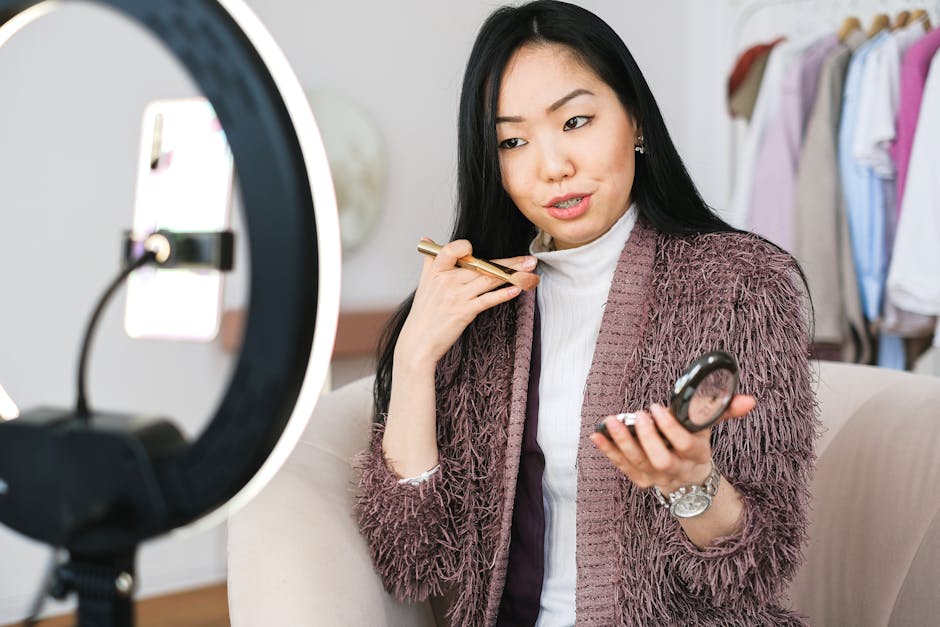
Influencer Content Creation: Brief, Manage and Repurpose Creator Content
Table of Contents
- Why Influencer Content Outperforms Brand Content
- Finding the Right Creators for Your Brand
- Writing Briefs That Get Great Content
- Managing the Content Creation Workflow
- Repurposing Influencer Content Across Channels
- The Singapore Influencer Landscape
- Contracts, Compensation, and Rights
- Frequently Asked Questions
Why Influencer Content Outperforms Brand Content
Influencer content creation has evolved far beyond simple sponsored posts. Today, smart brands work with creators not just for reach, but as content production partners. The content they produce often outperforms brand-produced alternatives in engagement, authenticity, and conversion rates.
The fundamental advantage is trust. When an influencer creates content about your product, their audience perceives it as a recommendation from someone they follow and admire, not as an advertisement from a company trying to sell them something. This distinction is powerful. Studies consistently show that influencer recommendations drive purchase intent at rates significantly higher than traditional advertising.
Beyond trust, influencers bring creative skills that many brands lack in-house. They understand how to create content that performs on specific platforms. A TikTok creator knows the pacing, trends, and editing style that drives engagement. An Instagram creator understands composition, aesthetics, and storytelling through carousels. This platform-native expertise is difficult and expensive to replicate with an internal team or traditional agency.
The economics are compelling. A single collaboration with a creator can produce multiple content assets: a TikTok video, Instagram Reels, Stories, behind-the-scenes footage, and still images. When you factor in the cost per asset, influencer content creation often delivers better value than equivalent in-house production, especially for Singapore SMEs that lack dedicated content teams.
Brands that integrate influencer content into their broader digital marketing strategy gain a diversified content pipeline that keeps channels fresh and audiences engaged.
Finding the Right Creators for Your Brand
The success of influencer content creation depends entirely on selecting the right partners. Follower count is the least important metric. What matters is audience alignment, content quality, engagement authenticity, and professional reliability.
Start with audience alignment. The creator’s followers should overlap significantly with your target customers. A fitness influencer with 10,000 engaged followers in Singapore is more valuable to a local gym than a lifestyle influencer with 100,000 followers spread across Southeast Asia. Review the creator’s audience demographics, which most provide upon request or through analytics screenshots.
Evaluate content quality by reviewing their last 20-30 posts. Is the production quality consistent? Do their captions add value? Is the content original or derivative? Pay attention to their storytelling ability. The best content creators have a distinct voice and visual style that makes their content recognisable even without seeing the username.
Check engagement authenticity. Calculate the engagement rate (likes plus comments divided by followers) and examine the comments themselves. Genuine comments are specific and conversational. Fake engagement is characterised by generic comments (“Nice!”, “Great post!”, fire emoji) from accounts with few posts of their own. Tools like HypeAuditor can help verify audience authenticity.
Professional reliability is often overlooked but critical. Ask for references from previous brand collaborations. Inquire about their turnaround times, willingness to accept feedback, and experience with content revisions. A talented creator who misses deadlines and ignores briefs will cost you more in management time than they save in content quality.
Consider micro-influencers (5,000-50,000 followers) as your primary content partners. They typically offer higher engagement rates, more competitive pricing, greater willingness to follow briefs, and more authentic connections with their audience. In Singapore’s compact market, micro-influencers often deliver outsized value relative to their follower count.
Writing Briefs That Get Great Content
The brief is the single most important document in the influencer content creation process. A vague brief produces vague content. A prescriptive brief kills creativity. The ideal brief provides clear direction while leaving room for the creator’s authentic voice.
Every brief should include these elements. The campaign objective states what you are trying to achieve: awareness, consideration, traffic, conversions, or content production for your own channels. The key message is the one thing you want audiences to take away. Keep this to one sentence. If you cannot articulate it in one sentence, your message is too complicated.
Product or service details give the creator enough information to speak credibly. Include key features, benefits, pricing, and any claims they can and cannot make. The target audience description helps them frame the content. Tell them who you are trying to reach so they can adjust their tone and approach accordingly.
Content deliverables must be specific. State the number of posts, format (Reel, TikTok, Story, carousel, static post), aspect ratio, minimum and maximum length for video, and whether you need raw footage in addition to the finished edit. Specify platform requirements clearly.
Brand guidelines should include your brand voice, any mandatory messaging, required hashtags, tags, and links, as well as any restrictions (competitors not to mention, claims not to make, language to avoid). However, do not dictate every word. Provide talking points, not a script. Scripted influencer content feels forced and audiences can detect it instantly.
Include examples of content you admire. Show the creator 3-5 examples of content (from other creators or brands) that represents the style, tone, or format you are looking for. Visual references communicate creative direction more effectively than written descriptions.
Share the brief at least 7-10 days before the content deadline. Creators need time to ideate, plan, shoot, edit, and submit for review. Rushed timelines produce rushed content. Strong copywriting principles also apply to brief writing: be clear, specific, and concise.
Managing the Content Creation Workflow
Managing influencer content creation at scale requires a structured workflow. Without one, you will spend more time chasing creators than benefiting from their output.
Establish a clear timeline for every collaboration. A typical workflow runs as follows: brief delivery on day one, creator questions and clarification by day three, content draft or concept submission by day seven, brand feedback by day nine, final content delivery by day twelve, and posting date on day fourteen. Adjust timescales based on complexity, but always define dates upfront.
Use a centralised platform for communication and asset management. Email threads become chaotic when managing multiple creators. Tools like Notion, Asana, or dedicated influencer platforms (such as Grin or CreatorIQ) keep briefs, feedback, approvals, and assets organised in one place.
Implement a review and approval process. Define who reviews content internally, how many revision rounds are included, and what constitutes a valid revision request. Most collaborations include one or two rounds of revisions. Be specific with feedback. “Make it more engaging” is unhelpful. “Could you add a stronger hook in the first 2 seconds and include a text overlay summarising the key benefit?” is actionable.
Track deliverables with a content tracker spreadsheet or project board. For each piece of content, log the creator name, content type, brief status, draft status, approval status, posting date, performance metrics, and content rights expiry. This operational discipline becomes essential once you are managing five or more creator relationships simultaneously.
Maintain positive relationships with your best creators. The first collaboration is always the most resource-intensive because of onboarding and alignment. Subsequent collaborations with the same creator are faster, smoother, and often produce better content because they understand your brand. Invest in long-term partnerships rather than constantly sourcing new creators.
Repurposing Influencer Content Across Channels
One of the greatest advantages of influencer content creation is the ability to repurpose assets far beyond the original post. A single influencer video can fuel weeks of content across multiple channels if you plan for repurposing from the start.
Negotiate usage rights upfront. Your contract should specify whether you can use the content on your own social channels, website, email marketing, and paid advertising. Many creators charge separately for organic posting rights and paid advertising usage rights. Clarify this before the collaboration begins to avoid disputes.
For paid advertising, influencer content often works exceptionally well as ad creative. The authentic, native feel aligns with how users consume content on social platforms. Whitelisting (running ads from the creator’s account with their permission) can further boost performance because the ad appears to come from a person, not a brand. This approach pairs well with the ad creative best practices that drive conversion on Meta and TikTok.
Extract still images from video content. A high-quality video shoot produces multiple moments that work as standalone images for your website, social feeds, or display advertising. Ask creators to provide selected still frames or screenshots from their video shoots.
Transcribe video content into written formats. An influencer’s review can become a blog quote, a testimonial on your website, or social media copy. Their key points can inform your content marketing, providing customer-centric language that resonates with your target audience.
Compile influencer content into round-ups and collections. “What 10 Singapore creators say about our product” makes for a compelling social media carousel, blog post, or email campaign. These compilations amplify the social proof effect by showing multiple endorsements in a single piece.
Our comprehensive guide on content repurposing covers systematic approaches to maximising the value of every content asset, including influencer-produced material.
The Singapore Influencer Landscape
Singapore’s influencer ecosystem has matured significantly. Understanding its structure helps brands make smarter partnership decisions and set realistic expectations for content creation collaborations.
The market is segmented by tier. Nano-influencers (1,000-5,000 followers) are often the most engaged and affordable. Micro-influencers (5,000-50,000) offer a strong balance of reach and authenticity. Mid-tier (50,000-200,000) provides meaningful scale. Macro-influencers (200,000+) and celebrities command premium rates but deliver broad reach.
Key content verticals in Singapore include food and dining (the largest category by volume), beauty and skincare, fitness and wellness, parenting, technology, finance, and travel. Each vertical has its own ecosystem of established creators and rising talents. Identify the verticals most relevant to your brand and build relationships within those communities.
Pricing in Singapore varies widely. Expect to pay $100-$500 per post for nano and micro-influencers, $500-$2,000 for mid-tier, and $2,000-$10,000+ for macro-influencers and celebrities. These rates are for organic posting. Add 50-100% for paid advertising usage rights. Video content commands higher rates than static posts due to the production effort involved.
Platform preferences shift with demographics. Instagram remains strong for lifestyle, beauty, and food content targeting 25-40 year olds. TikTok dominates for younger audiences (18-30) and is growing rapidly across all age groups. YouTube is preferred for long-form reviews and tutorials. LinkedIn influencers are increasingly relevant for B2B brands.
Transparency and disclosure requirements are governed by ASAS guidelines. All sponsored content must be clearly disclosed. Creators should use #ad, #sponsored, or platform-specific paid partnership labels. Brands are jointly responsible for ensuring compliance. Work with a social media marketing team that understands these requirements to avoid regulatory issues.
Contracts, Compensation, and Rights
Professional influencer content creation requires clear contractual agreements. Handshake deals and DM agreements are recipes for misunderstandings and disputes.
Every contract should cover these essentials: scope of work (specific deliverables, formats, platforms), timeline (delivery dates, posting dates, campaign duration), compensation (total fee, payment terms, payment method), content rights (usage rights, duration, channels, modifications permitted), exclusivity (whether the creator is restricted from working with competitors, and for how long), revision policy (number of rounds, turnaround time), cancellation terms, and confidentiality requirements.
Compensation models vary. Flat fees are the most common for content creation: a fixed amount for specified deliverables. Performance-based compensation (commission on sales, bonus for exceeding engagement targets) is growing but can create misaligned incentives. Product gifting works for nano-influencers and genuine fans but should not be the sole compensation for creators with established audiences.
Content rights are the most negotiated element. There are several tiers to consider. Organic usage rights allow you to repost the content on your own social channels and website. Paid advertising rights allow you to use the content in paid ad campaigns. Whitelisting rights allow you to run ads from the creator’s account. Perpetual rights mean usage with no expiry date. All of these carry different cost implications.
Pay creators promptly and professionally. Singapore’s freelance community is small and interconnected. A reputation for late payments or difficult working relationships will limit your access to top talent. Standard payment terms are 50% upfront and 50% upon delivery, or full payment within 14 days of content delivery.
Consider working with your branding partner to develop influencer collaboration guidelines that protect your brand while giving creators the freedom to produce authentic content.
Frequently Asked Questions
How many influencers should I work with for a campaign?
For a focused content creation campaign, start with 3-5 creators. This gives you enough content variety for testing while keeping management manageable. Scale up once you have refined your brief and workflow. For awareness campaigns, larger numbers (10-20 micro-influencers) can create a wave effect.
Should I let influencers have full creative freedom?
Provide clear direction but not rigid scripts. Share your key message, brand guidelines, and content format requirements. Then trust the creator to execute in their own style. They know their audience better than you do. Content that sounds natural in the creator’s voice will always outperform content that sounds like a brand dictated every word.
How do I measure the ROI of influencer content creation?
Track direct metrics (engagement, reach, clicks, conversions from the influencer’s post) and indirect metrics (content performance when repurposed on your own channels and in ads). Calculate cost per content asset and compare to equivalent in-house or agency production costs. For ad creative, compare performance metrics between influencer-created and brand-created ads.
What if an influencer delivers poor quality content?
This usually traces back to the brief. If the brief was clear and the content still misses the mark, provide specific, constructive feedback and request a revision within the agreed terms. If quality remains unacceptable, consider whether the creator is the right fit. End the relationship professionally and document learnings for future creator selection.
Is it better to work with one platform or multiple platforms?
Focus on the platform where your target audience is most active. If your audience is on both Instagram and TikTok, multi-platform collaborations make sense. However, each platform requires different content formats and styles. Ensure creators have genuine expertise on the platforms you are targeting rather than forcing content onto platforms where they are not established.
How far in advance should I plan influencer collaborations?
Allow 4-6 weeks from initial outreach to content going live. For seasonal campaigns (Chinese New Year, National Day, year-end sales), begin outreach 8-12 weeks in advance. Popular creators book up quickly, especially during peak periods in Singapore’s retail calendar.
Can I use influencer content forever once I have paid for it?
Only if your contract specifies perpetual usage rights. Many creators grant time-limited rights (6-12 months). After that period, you must renegotiate or stop using the content. Always clarify the duration of usage rights before signing a contract, as extending rights after the fact is often more expensive.
What is the difference between an influencer and a UGC creator?
An influencer posts content on their own channels to reach their audience. A UGC creator produces content for your brand to use on your own channels and in ads. Some creators do both. UGC creators typically charge less because the value is in the content itself, not in distribution to their audience. Both can be valuable depending on your objectives.


