
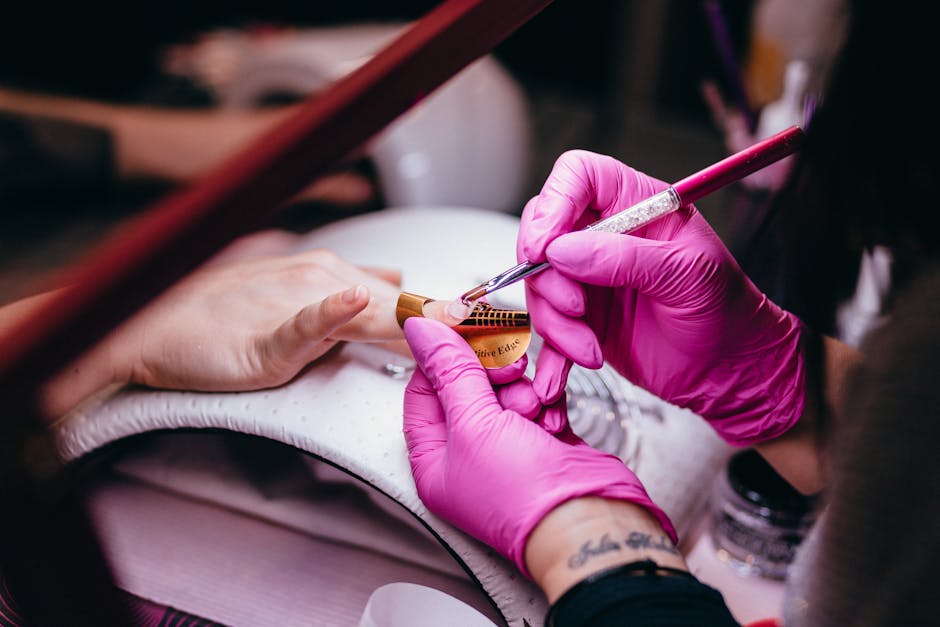
Marketing for Nail Salons: How to Grow Your Client Base in Singapore
Nail salons in Singapore face a paradox: demand is consistently strong, but so is competition. From heartland HDB shop units to premium Orchard Road studios, thousands of nail salons compete for a clientele that is increasingly selective, digitally savvy, and willing to travel for the right experience. Effective nail salon marketing is no longer optional — it is the difference between a fully booked appointment calendar and empty chairs.
This guide covers the marketing strategies that work for nail salons in Singapore, from building an Instagram portfolio that attracts new clients to implementing loyalty programmes that keep them coming back.
The Nail Salon Market in Singapore
Singapore’s nail salon industry is characterised by high fragmentation and varied positioning. Japanese-style salons in Bugis compete with Korean nail art studios in Tanjong Pagar, while neighbourhood salons in Bedok serve price-conscious regulars. Understanding your competitive position is essential for crafting an effective marketing strategy.
Key market dynamics shaping nail salon marketing in Singapore:
- Visual-first decision making — clients choose salons based on portfolio quality; they want to see examples of work before booking
- Location dependence — most clients prefer salons within 15 minutes of their home or workplace; hyperlocal marketing matters
- Trend sensitivity — nail art trends change rapidly, driven by social media, K-beauty influence, and seasonal aesthetics
- Price segmentation — the market splits clearly between budget ($20 to $40 for a basic manicure), mid-range ($40 to $80), and premium ($80+) segments
- Repeat business potential — nail services require regular maintenance (every two to four weeks), making retention marketing highly valuable
- Platform-driven bookings — clients increasingly book through Instagram DMs, WhatsApp, or online booking platforms rather than phone calls
A comprehensive digital marketing strategy for nail salons must address both discovery (how new clients find you) and retention (how you keep them returning).
Instagram Portfolio Strategy
Instagram is the single most important marketing channel for nail salons. Your Instagram grid functions as a visual portfolio, a booking channel, and a trust-building platform. Getting your Instagram marketing right directly impacts your booking volume.
Building a compelling nail art portfolio:
- Consistent photography — invest in a ring light and a clean background; consistency in lighting and angle makes your grid look professional
- Multiple angles per design — show the full hand, individual nail close-ups, and lifestyle shots that capture the overall aesthetic
- Colour accuracy — ensure your photos accurately represent the colours; clients who arrive expecting one shade and see another will be disappointed
- Variety in content — showcase different styles (minimalist, floral, abstract, French, gel extensions, nail art) to demonstrate range
- Client hands, not just sample tips — photos of actual client work are more authentic and relatable than display tips
Content strategy beyond portfolio shots:
- Process videos — short clips showing nail art creation perform exceptionally well as Reels
- Before and after — transformations from plain nails to beautifully manicured results
- Trending designs — jump on trends early with your own interpretation
- Educational content — nail care tips, gel vs acrylic comparisons, maintenance advice
Instagram Stories and Highlights: use Stories for daily content (available slots, new designs) and create organised Highlights for “Price List,” “Gel Designs,” “Reviews,” and “Location.” Use booking stickers for direct appointments.
Hashtag strategy: mix broad tags (#SingaporeNails, #SGNailArt) with location-specific (#BugisNails, #OrchardNailSalon) and trend tags (#KoreanNailArt, #MinimalistNails). Limit to 15 to 20 per post.
Google Maps and Local SEO
Local SEO is crucial for nail salons because clients search geographically. “Nail salon near me,” “manicure Tampines,” and “gel nails Orchard” are high-intent searches where your Google Maps presence determines visibility.
Your Google Business Profile is the cornerstone of local visibility. Select “Nail Salon” as your primary category, add every service with pricing, upload 20+ photos (updated weekly), and keep business hours meticulously accurate.
Review generation: ask clients for reviews at the end of appointments — the moment they admire their fresh nails is the perfect time. Send a follow-up WhatsApp with a direct review link. Respond to every review within 24 hours and aim for five to ten new reviews per month.
Website SEO: create dedicated pages for each service type, include your location in headings, publish your full price list, and add consistent NAP details across all pages. Nail salons that manage local SEO actively see Google Maps visibility improve within two to three months.
Online Booking Optimisation
Friction in the booking process costs nail salons clients. Every unnecessary step between discovering your salon and confirming an appointment is a point where potential clients drop off. Streamlining your online booking is a marketing function, not just an operational one.
Essential online booking features:
- Real-time availability — clients want to see open slots and book instantly
- Transparent pricing — display prices for every service with durations
- Technician selection — allow clients to book with their preferred nail technician
- Mobile-first design — the booking interface must be flawless on phones
- Automated confirmations — send reminders via WhatsApp 24 hours before appointments
Reducing no-shows: send automated reminders, consider $10 to $20 deposits for peak-time bookings, and implement a clear 24-hour cancellation policy.
Integrate booking everywhere: add “Book Now” to your Instagram profile, Google Business Profile, and WhatsApp Business. Include booking calls-to-action on every website page.
Loyalty and Retention Programmes
Nail services are inherently recurring — gel manicures need refreshing every two to four weeks. This regular maintenance cycle makes nail salons ideally suited for loyalty programmes. The cost of retaining an existing client is a fraction of acquiring a new one.
Loyalty programme structures that work:
- Stamp card (digital) — every 10th service is free or discounted; simple, universally understood, and effective
- Points-based system — earn points per dollar spent; redeem for services, upgrades, or products; more flexible but requires explanation
- Membership tiers — Silver, Gold, Platinum based on visit frequency; higher tiers receive priority booking, exclusive designs, and complimentary add-ons
- Prepaid packages — buy five sessions upfront at a discounted rate; this secures revenue and encourages return visits
Retention tactics beyond loyalty programmes:
- Rebooking at checkout — train technicians to suggest the next appointment before the client leaves; “Shall I book you in for three weeks from now?”
- Birthday offers — send a special offer or complimentary add-on (nail art, hand treatment) during the client’s birthday month
- Personalised recommendations — track each client’s preferences and suggest new designs or services based on their history
- Seasonal exclusives — offer limited-edition designs or treatments available only to existing clients, creating a sense of exclusivity
- Win-back campaigns — if a regular client has not visited in six weeks, send a personalised message with a small incentive to return
Tracking retention metrics:
- Client return rate — what percentage of first-time clients return for a second visit?
- Average visit frequency — how often do your regular clients book?
- Client lifetime value — how much does an average client spend over their entire relationship with your salon?
- Churn rate — what percentage of regular clients stop visiting each month?
A well-run nail salon should aim for a 40 to 50 per cent first-visit return rate and an average client tenure of 12 to 18 months. These numbers significantly impact profitability.
Paid Advertising for Nail Salons
Paid advertising accelerates client acquisition for nail salons, particularly for new salons building their initial client base or established salons expanding into new service offerings.
Instagram and Facebook Ads: use carousel ads showing multiple designs or video process ads. Target women aged 20 to 45 within 3 to 5 kilometres, with interests in beauty and self-care. Use Messages or Traffic objectives (not Reach). Start with $300 to $800 per month.
Google Ads: run search campaigns for “gel manicure near me” and “nail salon [area name]” with tight location targeting. Include prices in ad copy to pre-qualify clicks.
Promotional offers: first-visit discounts ($10 off), bundle offers (mani + pedi), seasonal packages (CNY nail art), and referral incentives all work well. Aim for a cost per new client of $15 to $30 — strong returns given that retained clients spend $1,000 to $2,000 annually.
Content Marketing and Trends
Content marketing goes beyond portfolio photos. Valuable, searchable content positions your salon as an authority and drives organic traffic.
Blog content ideas for nail salons:
- “Gel vs Acrylic Nails: Which Is Better for You?” — a perennial search query
- “How to Make Your Gel Manicure Last Longer” — practical advice that builds trust
- “Nail Art Trends 2026: What Is Popular in Singapore” — seasonal trend content
- “How Much Does a Gel Manicure Cost in Singapore?” — captures price-research searches
- “What to Expect at Your First Nail Salon Visit” — addresses first-timer anxiety
- “Korean Nail Art Singapore: Where to Get the Look” — taps into specific trend searches
Trend-based marketing:
Nail art trends move quickly, and salons at the forefront attract clients who want the latest looks.
- Monitor Korean and Japanese nail art trends on Instagram and Pinterest — these heavily influence Singapore preferences
- Create your own interpretations of trending designs and share them on social media before competitors
- Use trending audio on Reels and TikTok to increase reach for trend-based content
- Develop seasonal design collections — festive nails for Chinese New Year, pastel sets for spring, bold designs for National Day
Your content marketing should feed into your broader social media strategy and support your beauty business marketing objectives. Every piece of content should include a clear path to booking — a link, a call-to-action, or a prompt to DM for appointments.
Partnerships and Collaborations
Strategic partnerships extend your marketing reach beyond what you can achieve alone. For nail salons in Singapore, several partnership models work particularly well.
Influencer and content creator collaborations:
- Partner with micro-influencers (5,000 to 30,000 followers) in the beauty and lifestyle space — they deliver higher engagement rates and more authentic recommendations than mega-influencers
- Offer complimentary services in exchange for honest reviews and social media posts
- Focus on influencers whose audience demographics match your target clientele
- Negotiate content usage rights so you can repurpose their posts for your own advertising
Complementary business partnerships:
- Hair salons — cross-promote with salons that do not offer nail services
- Bridal shops — partner for bridal nail packages with exclusive discounts
- Spas and beauty clinics — create bundled experiences combining facials and manicures
Event-based partnerships: offer on-site nail services at corporate wellness events and ladies’ nights. Partner with co-working spaces for monthly pop-ups and collaborate with wedding planners for bridal party packages.
Track how many new clients each partnership generates and compare retention rates against other acquisition channels.
Frequently Asked Questions
How much should a nail salon spend on marketing in Singapore?
A practical budget is 8 to 12 per cent of monthly revenue. For a salon generating $15,000 per month, this means $1,200 to $1,800 monthly. New salons may need 15 to 20 per cent during the first six months. Allocate roughly 50 per cent to paid advertising, 25 per cent to content creation, and 25 per cent to loyalty programmes and other expenses. Adjust based on which channels deliver the best cost per new client.
What is the best social media platform for nail salon marketing?
Instagram is the most effective platform for nail salons in Singapore by a significant margin. The visual nature of nail art aligns perfectly with Instagram’s format, and the platform’s discovery features (Explore, Reels, hashtags) make it easier to reach potential clients. TikTok is growing in importance, particularly for reaching clients under 30, and works well for process videos and trend-based content. Facebook is useful for running ads (managed through the same Meta ads platform as Instagram) and for community groups, but organic reach on Facebook is limited. Focus 70 per cent of your social media effort on Instagram and allocate the rest to TikTok or other platforms based on your audience demographics.
How can a new nail salon build a client base quickly?
Launch with a strong introductory offer — a first-visit discount or a “bring a friend” promotion — and promote it heavily through Instagram Ads targeted to your neighbourhood. Simultaneously, optimise your Google Business Profile immediately and encourage early clients to leave reviews. Partner with nearby businesses for cross-promotion from day one. Invest in high-quality portfolio photography even before you have many clients — use friends or offer heavily discounted sessions to build your portfolio. Most importantly, focus on delivering exceptional service so that every early client becomes a repeat visitor and a referral source. A new nail salon with great service and active marketing should reach 60 to 70 per cent capacity within three to four months.
How important are online reviews for nail salon marketing?
Online reviews are among the most influential factors in nail salon marketing. Most prospective clients check Google and Instagram reviews before booking, especially with a salon they have not visited before. A salon with 100+ Google reviews and a 4.7-star average will consistently attract more new clients than a competitor with 15 reviews and a 4.5-star average. Beyond Google, encourage clients to share their nails on Instagram and tag your salon — these organic posts function as visual testimonials that reach the client’s entire social network. Make review requests a standard part of your client journey, and always respond to reviews professionally and promptly.
Should nail salons offer discounts to attract new clients?
Introductory discounts are effective for acquiring first-time clients, but they must be strategic. A one-time first-visit discount of 10 to 15 per cent or a fixed dollar amount off ($10 to $15) is reasonable and attracts genuine interest without devaluing your services. Avoid deep discounting (50 per cent off or more) as this attracts deal-seekers who rarely become loyal clients. Never discount your regular pricing for existing clients — instead, add value through complimentary add-ons, loyalty rewards, or exclusive designs. The goal is to bring new clients in at a slight discount, then retain them at full price through exceptional service and a compelling loyalty programme.



 English
  Chinese
  Malay
Malay  Korean