
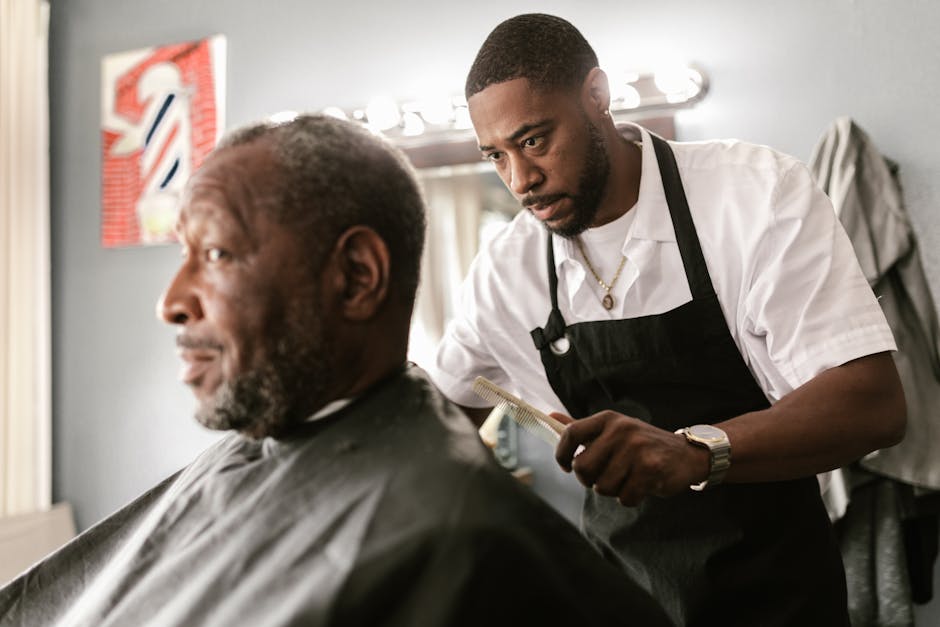
Marketing for Barbershops: How to Build a Loyal Clientele in Singapore
Singapore’s barbershop scene has transformed over the past decade. What was once a straightforward service — walk in, get a haircut, walk out — has evolved into a grooming culture with premium barbershops, themed interiors, and specialised services. From Haji Lane to Tiong Bahru, independent barbershops compete not just on skill but on brand, experience, and online presence.
Yet many talented barbers struggle with one fundamental challenge: getting enough clients through the door consistently. Skill keeps clients coming back, but barbershop marketing is what brings them in the first time. Without a deliberate marketing strategy, even the best barbers rely on foot traffic and hope.
This guide covers the marketing strategies that work specifically for barbershops in Singapore — practical, tested approaches that independent shops can implement without massive budgets or marketing degrees.
Google Maps and Local Search Visibility
When someone in Singapore searches “barbershop near me” on their phone, Google shows a map pack with three local results before any website listings. Being in that map pack is the single most valuable piece of digital real estate for a barbershop.
Claim and optimise your Google Business Profile. This is the foundation of local barbershop marketing. If you have not claimed your profile, do it today. Fill in every field — business name, address, phone number, website, operating hours, and services offered. Add a detailed business description that mentions your location, specialities, and the types of clients you serve.
Choose accurate categories. “Barber shop” should be your primary category. Add secondary categories like “Hair salon” or “Men’s grooming” if relevant. Categories directly determine which searches your profile appears for.
Upload quality photos regularly. Google Business Profiles with recent photos receive more clicks and direction requests. Upload photos of your shop interior, haircut results, your team, and your products. Aim to add new photos at least twice a month to signal that your business is active.
Collect Google reviews systematically. Reviews are the strongest ranking factor for the map pack. After every satisfied customer, ask for a review. Make it easy — print a QR code that links directly to your review page and display it at the counter or on your mirror stations. Respond to every review with a personalised reply. Our Google Business Profile guide walks through this process step by step.
Keep your information current. Update your hours for public holidays, add new services as you introduce them, and post updates about promotions or new barbers joining your team. Google rewards profiles that are actively maintained. For a comprehensive approach to appearing in local search results, explore our local SEO services.
Instagram Marketing for Barbershops
Instagram is the most natural social media platform for barbershops. Haircuts are visual, the before-and-after format is compelling, and the platform’s demographic skews toward the audience most barbershops want to reach — men aged 18 to 45.
Post your best work consistently. Aim for at least four to five posts per week. Each post should showcase a haircut or grooming service with good lighting and a clean background. Consistency matters more than perfection — a regular posting schedule keeps your shop visible in followers’ feeds and signals to the algorithm that your account is active.
Use Reels for reach. Short-form video content gets significantly more reach than static posts on Instagram. Film 15 to 30-second clips of haircut transformations, satisfying fading techniques, or hot towel shave sequences. These clips do not need professional production — a phone on a tripod and decent lighting are enough. Reels can expose your barbershop to thousands of potential clients who do not yet follow you.
Leverage hashtags strategically. Use a mix of broad hashtags (#barbershop, #mensgrooming, #fade) and local hashtags (#singaporebarber, #sgbarber, #barbershopsingapore). Include neighbourhood hashtags like #tiongbahrubarbershop or #hajilane to reach people searching for services in your area.
Show your personality. The barbershop experience is personal. Share behind-the-scenes content, introduce your barbers, show your shop culture, and engage with your community. Clients choose a barbershop as much for the vibe as for the haircut. Let your Instagram reflect that.
Use Stories for daily engagement. Stories disappear after 24 hours, making them ideal for casual, frequent content — available walk-in slots, product arrivals, shop banter, and client testimonials. Use the question sticker to ask followers about their grooming preferences or what services they would like to see. For more detailed strategies on leveraging this platform, our Instagram marketing guide for Singapore covers advanced tactics.
Online Booking Systems That Reduce No-Shows
An online booking system is no longer a nice-to-have for barbershops — it is expected. Younger clients in particular prefer to book online rather than call or walk in.
Choose a barbershop-specific booking platform. Tools like Booksy, Fresha, or Timely are designed for grooming businesses. They handle appointment scheduling, automated reminders, client records, and often include marketing features like email campaigns and review requests.
Reduce no-shows with automated reminders. SMS or WhatsApp reminders sent 24 hours and two hours before an appointment significantly reduce no-show rates. Some systems allow you to require a deposit or card on file for bookings, which further reduces missed appointments.
Display real-time availability. When potential clients can see exactly which time slots are available, they are more likely to book immediately rather than “thinking about it” and forgetting. Integrate your booking system with your website, Instagram bio link, and Google Business Profile.
Track booking data for business insights. Online booking systems generate valuable data — peak booking times, most popular services, average ticket value, and client retention rates. Use this data to inform staffing decisions, pricing, and marketing spend.
Make booking frictionless. Every extra step in the booking process loses potential clients. The ideal flow is: choose service, pick barber (optional), select date and time, confirm. Name and phone number should be the only required fields for new clients. Registration walls and lengthy forms kill conversions.
Loyalty Programmes That Actually Work
Client retention is more profitable than client acquisition. A loyalty programme gives clients a tangible reason to keep coming back to your barbershop rather than trying the new shop that just opened down the street.
Keep it simple. The most effective barbershop loyalty programmes are straightforward — every nth haircut free, or points earned per dollar spent that can be redeemed for services or products. Complex tier systems and fine-print conditions create friction rather than loyalty.
Go digital. Physical punch cards get lost. Use a digital loyalty system — either through your booking platform or a dedicated app like Stamp Me or Flex Rewards. Digital systems also let you track redemption rates and programme effectiveness.
Reward frequency, not just spending. For barbershops, visit frequency matters more than individual transaction size. A programme that rewards a free haircut after every ten visits encourages regular bookings. If the average haircut is $35, giving away one free cut after $350 in spending is a 10 per cent discount — reasonable and sustainable.
Add surprise rewards. Occasional unexpected perks — a free beard trim, a complimentary product sample, or a priority booking slot — create positive surprises that clients remember and share. Unpredictable rewards can be more powerful than predictable ones in building emotional loyalty.
Promote your programme actively. A loyalty programme only works if clients know about it and participate. Mention it at checkout, display signage in your shop, promote it on your social media, and have your barbers mention it to first-time clients.
Referral Campaigns for Steady Growth
Word of mouth has always been the primary growth driver for barbershops. Referral campaigns formalise this process and give satisfied clients a reason to actively recommend your shop.
Offer mutual value. The most effective referral programmes reward both the referrer and the new client. For example, when an existing client refers a friend, both receive $10 off their next haircut. This creates a win-win dynamic that feels fair to both parties.
Make referring easy. Provide referral cards (physical or digital) that existing clients can share. A unique referral code or link makes tracking straightforward. Some booking platforms include built-in referral features that automate the entire process.
Ask at the right moment. The best time to ask for a referral is immediately after a great haircut, when the client is most satisfied. Have your barbers mention the referral programme when the client is admiring their new cut in the mirror. “If you have any friends looking for a barber, we have a referral deal that gets you both a discount” is a natural, low-pressure ask.
Track and measure. Know how many referrals each client generates and the conversion rate of referred clients. Some clients are natural advocates who bring in multiple friends — treat these clients exceptionally well. They are your most valuable marketing asset.
Consider referral partnerships. Partner with complementary businesses — men’s clothing shops, gyms, or cafes in your neighbourhood — to cross-refer clients. These partnerships expand your reach beyond your existing client base without competing for the same customers.
Content Marketing and Brand Building
Content marketing builds your barbershop’s brand beyond individual haircuts. It positions you as an authority in men’s grooming and keeps your shop top of mind between visits.
Grooming guides and tips. Create content that helps your clients maintain their look between visits. Blog posts or social media content about styling products, beard maintenance, scalp care, and how to communicate with your barber all add value and demonstrate expertise.
Hairstyle trend content. Write about trending hairstyles — what is popular, who they suit, and how to maintain them. “Top Men’s Hairstyles in Singapore 2026” or “Best Haircuts for Singapore’s Climate” combine style advice with local relevance. This type of content can rank on Google and attract new visitors to your website.
Behind-the-scenes content. Introduce your barbers, share their backgrounds and specialities, and show the human side of your shop. Clients who feel a connection to their barber are more loyal and more likely to refer friends. A “Meet the Barber” series on your blog or social media humanises your brand.
Client transformations and testimonials. Document dramatic before-and-after transformations with client permission. Written or video testimonials from loyal clients build credibility. These assets work across your website, social media, and Google Business Profile.
Email marketing. Collect email addresses through your booking system and send a monthly newsletter. Include grooming tips, new service announcements, and exclusive offers for subscribers. Keep it brief and valuable — no one wants a weekly sales email from their barbershop. Our broader social media marketing services can help integrate your content strategy across all channels.
Paid Advertising on a Barbershop Budget
Most independent barbershops do not have large advertising budgets, but even modest paid campaigns can deliver measurable results when targeted correctly.
Instagram and Facebook ads for awareness. A budget of $300 to $500 per month on Instagram ads can significantly boost your visibility in your local area. Target men aged 18 to 45 within a 5-kilometre radius of your shop. Use your best haircut photos and Reels as ad creative. Promote a first-visit offer — a discounted first haircut or a free add-on service — to encourage trial. For broader campaign strategies, explore our digital marketing services.
Google Ads for intent-driven searches. If someone searches “barbershop Tiong Bahru” or “best barber near me,” a Google Ad puts you at the top of results. Start with a small budget of $200 to $400 per month, targeting specific service and location keywords. Measure cost per booking and scale what works.
Boosted posts for engagement. When an organic Instagram post performs well — high likes, saves, and shares — boost it with a small budget to extend its reach. This is more cost-effective than creating separate ad campaigns for every piece of content.
Retargeting for return visits. Set up a Facebook pixel on your website and retarget visitors with ads promoting your booking page. Someone who visited your site but did not book might convert after seeing a reminder ad. Retargeting typically has lower cost per conversion than cold prospecting.
Test and measure everything. Start small, track results, and invest more in what works. A barbershop does not need to spend thousands per month on advertising. Even $500 per month, well-targeted, can bring in 10 to 20 new clients — and if your haircuts are good, many of those become regulars. For beauty and grooming industry-specific approaches, check out our beauty marketing guide for Singapore.
Offline Marketing That Still Works
Digital marketing gets most of the attention, but barbershops are inherently local, physical businesses. Offline marketing tactics still drive results, especially in neighbourhood settings.
Shopfront signage and presentation. Your shop exterior is your most visible advertisement. Clean signage, a well-maintained facade, and a visible barber pole or distinctive branding attract foot traffic. If your barbershop is in a high-traffic location — near an MRT station, hawker centre, or shopping mall — your shopfront does continuous marketing for free.
Business cards that get kept. Design business cards that include your booking link (as a QR code), your Instagram handle, and your shop’s key differentiator. Make them distinctive enough that clients actually keep them rather than discarding them. Thick card stock, unusual shapes, or useful information on the back (like a mini grooming tip) increase retention.
Community involvement. Sponsor a local football team, participate in neighbourhood events, or offer discounted grooming sessions at community centres. These activities build genuine local goodwill and generate word-of-mouth referrals that no digital campaign can replicate.
Collaboration with local businesses. Partner with nearby cafes, gyms, or clothing shops for cross-promotions. Display each other’s flyers, offer joint discounts, or co-host events. A barbershop that is woven into the local business community has an advantage over one that operates in isolation.
Pop-up events and demonstrations. Set up a barber chair at local markets, festivals, or corporate events. Live demonstrations of your skills attract attention, generate social media content, and introduce your barbershop to potential clients who might not discover you otherwise. These events are especially effective in Singapore’s vibrant weekend market scene.
Frequently Asked Questions
How much should a barbershop in Singapore spend on marketing?
A reasonable marketing budget for an independent barbershop in Singapore is 5 to 10 per cent of monthly revenue. For a shop generating $15,000 per month, that translates to $750 to $1,500 on marketing. Start at the lower end, focusing on free or low-cost channels like Google Business Profile and organic Instagram. As you identify which paid channels deliver the best return — whether that is Instagram ads, Google Ads, or referral incentives — allocate more budget there. The key is tracking which marketing spend actually translates into booked appointments.
Is Instagram or TikTok better for barbershop marketing in Singapore?
Instagram remains the stronger platform for barbershops in Singapore as of 2026. The platform’s visual format, established grooming community, and integrated booking features make it ideal for showcasing haircuts and converting followers into clients. TikTok has potential for viral reach with haircut transformation videos, but converting TikTok viewers into paying clients is less direct. If you have the capacity to manage both, use TikTok for brand awareness and Instagram for conversion. If you can only focus on one, choose Instagram.
How do I get more Google reviews for my barbershop?
The most effective approach is to ask every satisfied client at the point of highest satisfaction — immediately after they see their finished haircut. Create a QR code that links directly to your Google review page and display it prominently at each station and at the counter. Some barbershops include the QR code on their receipt or appointment confirmation message. Avoid offering incentives for reviews, as this violates Google’s policies. Instead, make the process as easy as possible and express genuine appreciation when clients leave reviews. Responding to every review, including brief thank-you replies, encourages others to leave their feedback.
Should I offer discounts to attract new barbershop clients?
A modest first-visit discount or complimentary add-on service can be effective for encouraging trial, but avoid deep discounting that attracts price-sensitive clients who will leave as soon as the discount ends. A $5 discount on a first haircut or a free beard trim with a first booking is enough to reduce the barrier to trial without devaluing your services. The goal is to get clients through the door so your skill and service quality can earn their loyalty. Ongoing discounts and perpetual sales erode your pricing power and attract the wrong type of clientele.
How important is a website for a barbershop in Singapore?
A website is important but does not need to be elaborate. A simple, mobile-friendly website with your services and pricing, barber profiles, location and hours, a booking link, and a gallery of your work is sufficient. Many clients will find you through Google Maps or Instagram rather than your website directly, but a website adds credibility, provides a home for your booking system, and gives you a platform for content marketing. If budget is limited, prioritise Google Business Profile and Instagram over a complex website — but at minimum, have a basic online presence that clients can find when they search your shop name.


 English
  Chinese
  Malay
Malay  Korean