
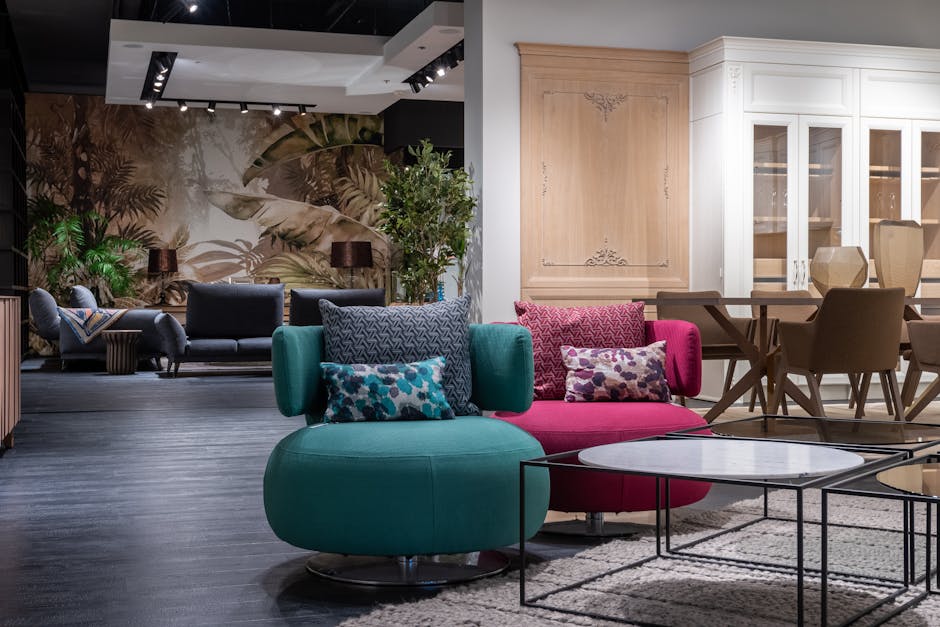
Google Ads for Furniture: Drive Showroom Visits and Online Sales in Singapore
Why Furniture Retailers Need Google Ads
Furniture is one of the highest-value consumer purchases a household makes. In Singapore, where the housing market cycles between BTO handovers, resale completions, and renovation waves, demand for furniture follows predictable patterns. Google Ads lets furniture retailers capture that demand at the moment a buyer is actively searching — not weeks before or after.
The challenge is that furniture buying behaviour has shifted. Buyers research online, compare across retailers, visit one or two showrooms, then often purchase online or return to the showroom to finalise. This blended journey means your Google Ads strategy must cover both digital conversions and physical store visits.
Without paid search, you are relying on organic rankings that take months to build, marketplace listings where you compete purely on price, and social media where intent is low. Google Ads puts your products in front of buyers who are typing phrases like “solid wood dining table Singapore” or “leather sofa delivery” — high-intent queries that signal readiness to purchase.
For furniture stores operating in a market as compact and competitive as Singapore, the ability to target by neighbourhood, device, and time of day makes Google Ads far more efficient than broad-reach advertising channels.
Google Shopping Campaigns for Furniture
If you sell furniture online — even if your primary revenue comes from showroom sales — Google Shopping campaigns should be your first priority. Shopping ads display product images, prices, and store names directly in search results, giving buyers a visual preview before they click.
For furniture, this visual element is critical. A buyer searching for “rattan armchair” wants to see what it looks like immediately. Shopping ads satisfy that need and tend to attract higher-quality clicks because the buyer has already seen the product and price before landing on your site.
Setting up your product feed correctly is essential. Here is what matters most for furniture feeds:
- Product titles: Include material, style, and dimensions. “Solid Oak Dining Table 180cm — Seats 6” outperforms “Dining Table Model DT-180” every time.
- High-quality images: Use lifestyle photos showing the furniture in a room setting. White-background product shots work for comparison, but styled images drive higher click-through rates.
- Accurate pricing: If you run frequent promotions, ensure your feed reflects current prices. Mismatched pricing between ads and landing pages leads to disapprovals and wasted spend.
- Product categories: Use Google’s furniture taxonomy properly. Map each product to the most specific category available — “Furniture > Living Room Furniture > Sofas” rather than just “Furniture.”
- Availability and shipping: Singapore buyers want to know delivery timelines. Include shipping information in your feed to set expectations upfront.
Structure your Shopping campaigns by product category or margin tier. High-margin items like designer sofas and custom shelving deserve higher bids than commodity items like basic shelving units. Use custom labels in your feed to segment products by margin, bestseller status, or seasonal relevance.
Performance Max campaigns have largely replaced standard Shopping campaigns in Google’s ecosystem. For furniture retailers, Performance Max can work well because it combines Shopping placements with display, YouTube, and Discovery — all from a single campaign. However, you lose granular control. If you are new to Shopping ads, start with Performance Max and monitor which asset groups drive actual revenue, not just clicks.
Search Campaigns for Furniture Keywords
Search campaigns complement Shopping by capturing queries where buyers are researching rather than browsing products visually. These include brand comparisons, material-specific searches, and location-based queries.
Keyword categories to target:
- Product-specific: “L-shaped sofa Singapore,” “king size bed frame,” “extendable dining table”
- Material-specific: “teak wood furniture Singapore,” “marble coffee table,” “velvet armchair”
- Style-specific: “Scandinavian furniture Singapore,” “mid-century modern sofa,” “Japanese minimalist shelf”
- Occasion-specific: “BTO furniture package,” “HDB renovation furniture,” “condo move-in furniture”
- Location-specific: “furniture shop Ubi,” “showroom IMM,” “furniture store near me”
Understanding Google Ads costs in Singapore is important for furniture because cost-per-click varies dramatically by keyword type. Generic terms like “sofa Singapore” can cost $3 to $6 per click, while long-tail terms like “custom walnut bookshelf Singapore” might cost $1 to $2 but convert at a much higher rate.
Use phrase match and exact match for your core product terms. Broad match can work with smart bidding but tends to pull in irrelevant queries for furniture — searches for furniture assembly services, second-hand marketplaces, or DIY plans that waste budget.
Negative keywords are critical for furniture campaigns. Add these from day one:
- “free,” “cheap,” “second hand,” “used,” “carousell”
- “DIY,” “how to build,” “plans,” “assembly instructions”
- “rental,” “hire,” “lease”
- Competitor brand names (unless you intentionally run competitor campaigns)
Write ad copy that addresses the buyer’s key concerns: delivery timeline, warranty, showroom availability, and financing options. If you offer interest-free instalment plans — common among Singapore furniture retailers — highlight this in your ad extensions.
Display and Remarketing for Furniture
Furniture purchases have long consideration cycles. A buyer might research for two to six weeks before committing. Display and remarketing campaigns keep your brand visible during that decision-making period.
Remarketing is where display advertising delivers genuine ROI for furniture. Someone who viewed a specific sofa on your website but did not purchase should see that sofa — or similar options — as they browse other sites and apps. Dynamic remarketing pulls product images directly from your feed, showing the exact items a visitor viewed.
Segment your remarketing audiences by behaviour:
- Product viewers: Visited a product page but did not add to cart. Show them the viewed product plus alternatives in the same category.
- Cart abandoners: Added items but did not complete checkout. These are your highest-intent audience. Consider offering free delivery or a small discount to close the sale.
- Showroom visitors: If you track showroom visits through store visit conversions or manual lists, remarket to people who visited in person but did not purchase.
- Past customers: Cross-sell complementary items. Someone who bought a dining table might need chairs, a sideboard, or tableware.
For prospecting display campaigns — reaching new audiences who have not visited your site — use affinity and in-market audiences. Google’s “Moving and Relocating” and “Home Furnishings” in-market segments are directly relevant. Layer these with demographic targeting if your furniture targets a specific income bracket.
Display creative for furniture must look premium. Poorly designed banner ads undermine brand perception, especially if you sell mid-range to high-end furniture. Use clean product photography, minimal text, and a clear call to action — “Visit Our Showroom” or “Shop the Collection.”
This approach aligns with broader Google Ads strategies for ecommerce, where the combination of Shopping, Search, and Display creates a full-funnel system that captures buyers at every stage of their journey.
Local Campaigns for Showroom Traffic
For furniture retailers with physical showrooms — and most Singapore furniture stores still depend heavily on showroom traffic — local campaigns are an underused opportunity.
Google’s local campaign formats promote your showroom across Search, Maps, Display, and YouTube. When someone searches “furniture shop near me” or browses Google Maps in your area, your showroom listing can appear with directions, opening hours, and a call button.
To run local campaigns effectively, you need a well-optimised Google Business Profile. This means:
- Accurate address, phone number, and opening hours (including public holiday adjustments)
- High-quality photos of your showroom interior, product displays, and storefront
- Regular posts showcasing new arrivals, promotions, or design inspiration
- Prompt responses to Google reviews — both positive and negative
- Product listings within your Google Business Profile showing key items with prices
Location extensions in your search campaigns add your showroom address to text ads. When combined with radius targeting — showing ads only to people within a 10 to 15 kilometre radius of your showroom — you focus spend on buyers who can realistically visit.
For furniture stores with multiple locations (IMM, Ubi, Henderson), create separate campaigns or ad groups for each showroom. This lets you tailor ad copy to the specific location and track which showroom drives the most ad-attributed visits.
Callout extensions should mention showroom-specific advantages: “Free Parking Available,” “Open 7 Days,” “100+ Sofas on Display.” These details seem minor but they address practical concerns that influence whether someone visits your showroom or a competitor’s.
Budget and Bidding Strategies
Furniture has high average order values — typically $500 to $5,000 or more per transaction in Singapore. This means you can afford higher cost-per-click and cost-per-acquisition than retailers selling low-value items, as long as your conversion tracking is accurate.
Recommended budget allocation for a mid-sized furniture retailer:
- Shopping/Performance Max: 40 to 50 per cent of total budget. This is your primary revenue driver.
- Search campaigns: 25 to 35 per cent. Focus on high-intent product and location keywords.
- Remarketing: 15 to 20 per cent. Essential for the long consideration cycle.
- Local campaigns: 5 to 10 per cent. Supplement with showroom-focused targeting.
For bidding, Target ROAS (return on ad spend) works well for furniture once you have sufficient conversion data — typically 30 to 50 conversions per month. If you are below that threshold, start with Maximise Conversions with a target CPA based on your margin calculations.
Seasonal adjustments matter for furniture in Singapore. Budget should increase during:
- BTO key collection waves: These are predictable and published by HDB. Increase budget in the months following major key collection dates.
- Hari Raya and Chinese New Year: Cultural occasions where households purchase new furniture.
- Great Singapore Sale and 11.11/12.12: Online shopping events where furniture retailers run promotions.
- Year-end renovation season: Many homeowners time renovations to complete before Chinese New Year.
Reduce budget during quiet periods rather than pausing campaigns entirely. Pausing and restarting forces the algorithm to relearn, which wastes budget during the ramp-up phase.
Measuring Performance and Attribution
The biggest challenge for furniture retailers running Google Ads is attribution. A buyer might click a Shopping ad, visit your showroom a week later, then purchase in-store. If you only track online conversions, your Google Ads data will understate actual performance.
Set up these conversion actions:
- Online purchases: Standard ecommerce tracking with revenue values.
- Add to cart: Track as a micro-conversion to measure upper-funnel engagement.
- Showroom direction clicks: Track clicks on the “Get Directions” button as a proxy for showroom visits.
- Phone calls: Use call tracking to attribute phone enquiries to specific campaigns and keywords.
- Form submissions: If you offer design consultations or custom furniture quotes, track form completions.
- Store visit conversions: If eligible, enable Google’s store visit tracking, which uses anonymised location data to estimate showroom visits from ad clickers.
Pair your Google Ads data with in-store tracking. Ask showroom visitors how they found you — a simple question during the sales process — and log this data consistently. Over time, you will build a clearer picture of how online advertising drives offline revenue.
Review performance weekly at the campaign level and monthly at the product or category level. Look for products that receive clicks but no conversions — these might need better landing pages, more competitive pricing, or exclusion from campaigns if they consistently underperform.
Complement your Google Ads efforts with strong organic visibility. Investing in SEO for your furniture store builds long-term traffic that reduces your dependence on paid channels. The combination of paid and organic presence across search results increases overall click share and brand credibility.
Frequently Asked Questions
How much should a furniture store spend on Google Ads in Singapore?
Most furniture retailers start with $2,000 to $5,000 per month across Shopping, Search, and remarketing campaigns. The right budget depends on your product range, average order value, and number of showroom locations. Because furniture has high transaction values, a cost per acquisition of $50 to $150 can still deliver strong returns. Scale budget based on ROAS data after the first two to three months.
Are Google Shopping ads worth it for furniture?
Yes. Shopping ads are typically the highest-performing campaign type for furniture retailers because they show product images and prices directly in search results. Buyers can see what the furniture looks like before clicking, which means clicks tend to be higher quality. The key is maintaining an accurate, well-optimised product feed with descriptive titles, lifestyle images, and current pricing.
How do I track showroom visits from Google Ads?
Google offers store visit conversions for advertisers who meet eligibility requirements — generally, you need multiple physical locations and sufficient click volume. If you do not qualify, track proxy conversions: direction clicks, phone calls from ads, and manual attribution through in-store surveys. These methods are less precise but still give you directional data on how ads influence showroom traffic.
Should I run Google Ads during off-peak furniture seasons?
Reduce budget during quieter periods rather than pausing entirely. Pausing campaigns forces Google’s algorithms to relearn when you restart, which wastes budget during the ramp-up phase. Maintaining a baseline presence also captures the buyers who shop outside peak periods — relocations, breakages, and impulse purchases happen year-round.
Can small furniture stores compete with large chains on Google Ads?
Yes, by focusing on specificity. Large chains bid on broad terms like “sofa Singapore.” Smaller stores can win by targeting long-tail keywords — specific materials, styles, dimensions, and neighbourhoods. A boutique store specialising in Scandinavian furniture can dominate those niche searches at a fraction of the cost. Pair this with strong remarketing and a compelling unique selling proposition in your ad copy.


