
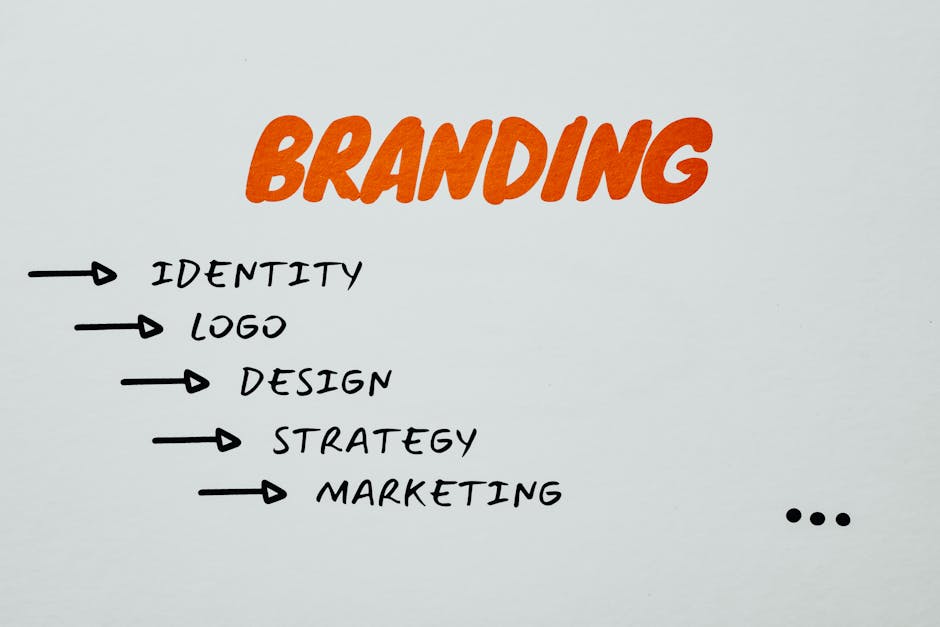
What Is Brand Marketing? Building Brand Equity in 2026
Brand marketing is the strategic process of promoting and strengthening a brand’s identity, values, reputation and emotional connection with its target audience. Rather than focusing on driving immediate sales or measurable conversions, brand marketing aims to build long-term awareness, trust, preference and loyalty — the intangible assets collectively known as brand equity that ultimately influence every purchasing decision a customer makes.
While performance marketing asks “how do we convert this person today?”, brand marketing asks “how do we become the brand this person thinks of first, trusts most and chooses instinctively?” Brand marketing creates the mental shortcuts, emotional associations and reputational foundation that make all other marketing efforts more effective. A strong brand commands attention, earns trust before the first conversation and generates preference that transcends product features and price points.
In 2026, as digital advertising costs rise and performance marketing faces diminishing returns without brand investment, more businesses — from global corporations to Singapore SMEs — are recognising the critical importance of brand marketing. This guide explores what brand marketing involves, how it differs from performance marketing, the components of brand equity and practical strategies for building a strong brand.
Brand Marketing vs Performance Marketing
The relationship between brand marketing and performance marketing is one of the most important strategic discussions in modern marketing. Understanding how these two approaches complement each other — and the risks of overinvesting in one at the expense of the other — is essential for building a sustainable growth strategy.
Performance marketing is focused on measurable, short-term outcomes. It operates on a pay-for-results model where every dollar spent can be directly attributed to clicks, leads or sales. Performance campaigns target people who are already in the market for your product or service, capturing existing demand efficiently. Key performance marketing channels include 谷歌广告, social media advertising, affiliate marketing and retargeting.
Brand marketing is focused on long-term perception and preference. It operates by creating awareness, shaping perceptions and building emotional connections that influence behaviour over time. Brand marketing targets both current and future customers, creating demand that performance campaigns can later capture. Key brand marketing channels include content marketing, public relations, sponsorships, brand campaigns, social media storytelling and thought leadership content.
The fundamental difference lies in their time horizons and measurement approaches. Performance marketing generates attributable results within days or weeks. Brand marketing generates results that compound over months and years — results that are real and valuable but harder to attribute to specific campaigns or touchpoints.
Research by marketing effectiveness experts Les Binet and Peter Field demonstrates that brands achieving the strongest long-term growth typically invest in both brand and performance marketing, with a roughly 60:40 split favouring brand building. Brands that shift too heavily towards performance marketing often experience strong short-term results followed by stagnating or declining growth as brand awareness erodes and the pool of “in-market” consumers they can convert shrinks.
The practical implication is clear: performance marketing harvests demand, while brand marketing creates it. You need both. A business that only invests in performance marketing eventually exhausts the available demand in its market. A business that only invests in brand marketing generates awareness but fails to convert it efficiently into revenue. The most effective digital marketing strategies balance both approaches, with the optimal split depending on factors like industry, growth stage, competitive landscape and brand maturity.
Brand Equity and Its Components
Brand equity refers to the commercial value derived from consumer perception of a brand, beyond the functional value of the products or services it offers. A brand with strong equity can charge higher prices, attract more customers, retain them longer and expand into new categories more easily than a brand with weak or no equity.
Brand equity is built on several interconnected components:
Brand awareness is the extent to which consumers recognise or recall your brand. It operates on two levels — brand recognition (the ability to identify your brand when prompted, such as recognising your logo) and brand recall (the ability to think of your brand spontaneously when a need arises, such as thinking “Nike” when thinking about running shoes). High brand awareness is the foundation of brand equity because consumers cannot prefer a brand they do not know exists.
Brand associations are the attributes, qualities, emotions and images that consumers mentally link to your brand. These associations form the brand’s meaning in consumers’ minds. Nike is associated with athletic performance and determination. Apple is associated with innovation, design and premium quality. Singapore Airlines is associated with exceptional service. Strong, positive, unique associations differentiate your brand from competitors and create preference.
Perceived quality is the consumer’s judgement of a brand’s overall excellence or superiority relative to alternatives. Perceived quality does not necessarily reflect objective quality — it reflects how consumers perceive quality based on their experiences, brand communications and social signals. Brands with high perceived quality can command premium pricing and enjoy greater customer loyalty.
Brand loyalty is the degree to which consumers consistently choose your brand over alternatives. Loyal customers are more valuable than new customers — they purchase more frequently, are less price-sensitive, cost less to serve and actively recommend the brand to others. Building brand loyalty requires consistently delivering on your brand promise and creating positive experiences at every touchpoint.
Proprietary brand assets include trademarks, patents, channel relationships and other proprietary elements that protect and reinforce brand equity. A distinctive logo, a memorable tagline, a signature colour palette and a recognisable brand voice are all proprietary assets that contribute to brand recognition and differentiation.
Together, these components create a brand that is known, trusted, preferred and defended by its customers — a brand that commands value beyond the sum of its products. Building brand equity is a long-term endeavour that requires consistency, patience and strategic investment, but the returns — in the form of reduced customer acquisition costs, pricing power, customer loyalty and competitive resilience — are substantial and enduring.
Building Brand Awareness
Brand awareness is the entry point for all brand-building efforts. If your target audience does not know your brand exists, none of the other components of brand equity can develop. Building awareness requires reaching your target audience repeatedly with consistent, memorable messaging through channels they frequent.
Content marketing as an awareness engine. Creating valuable, discoverable content is one of the most cost-effective ways to build brand awareness. Blog articles, videos, podcasts, social media content and other formats put your brand in front of people who are actively searching for information related to your industry. Over time, consistent content publication builds familiarity and recognition. Search engine optimisation amplifies this effect by ensuring your content appears in front of the right audiences at the right time.
Social media presence. Maintaining an active, engaging social media presence keeps your brand visible in your audience’s daily digital experience. Organic social media builds awareness through consistent posting, community engagement and shareable content. Paid social media advertising extends reach to new audiences who may not yet follow your brand but match your target demographics.
Public relations and media coverage. Earning coverage in reputable media outlets — industry publications, news media, influential blogs and podcasts — exposes your brand to new audiences with the added credibility of third-party endorsement. PR efforts might include press releases for newsworthy developments, expert commentary on industry topics, contributed articles in trade publications and media pitching for feature stories.
Partnerships and collaborations. Partnering with complementary brands, industry organisations or events exposes your brand to your partner’s audience. Co-marketing campaigns, joint webinars, event sponsorships and cross-promotional activities can efficiently expand your reach to relevant new audiences.
Consistent visual and verbal identity. Brand awareness depends not just on exposure but on recognition. Every touchpoint — your website, social media profiles, email communications, advertisements, packaging, business cards — should present a consistent visual identity (logo, colours, typography, imagery) and verbal identity (tone, messaging, key phrases). Consistency makes your brand recognisable and reinforces awareness with each exposure.
Repetition and frequency. Marketing research consistently shows that consumers need multiple exposures to a brand before it registers in their memory. The “rule of seven” — a rough guideline suggesting that consumers need to encounter a brand at least seven times before taking action — underscores the importance of sustained, multi-channel brand awareness campaigns. One-off campaigns rarely build lasting awareness; consistent presence over time does.
Brand Positioning
Brand positioning is the strategic process of defining how your brand is perceived relative to competitors in the minds of your target audience. It answers the fundamental question: “Why should a customer choose your brand over all the alternatives?” Effective positioning creates a distinct, valued place for your brand in the competitive landscape.
The positioning statement. A positioning statement is an internal strategic tool that articulates your brand’s intended position. It typically follows a structure like: “For [target audience] who [need or opportunity], [brand name] is the [category] that [key benefit] because [reason to believe].” For example: “For Singapore SMEs who need to grow their online presence, MarketingAgency.sg is the digital marketing partner that delivers measurable results because of our proven track record, local market expertise and data-driven methodology.”
Differentiation. The core of positioning is differentiation — identifying and communicating what makes your brand meaningfully different from competitors. Differentiation can be based on product features, service quality, customer experience, pricing, expertise, values, heritage, innovation or any other attribute that is relevant to your audience and difficult for competitors to replicate. The strongest differentiators are those that are both valued by customers and genuinely unique to your brand.
Target audience clarity. Effective positioning requires a clear understanding of who you are positioning for. Trying to appeal to everyone results in a position that resonates with no one. The most powerful brands are those that clearly define their target audience and make deliberate choices about who they are — and are not — for. This focus enables sharper messaging, more relevant content and stronger emotional connections.
Competitive analysis. Positioning does not happen in isolation — it exists relative to competitors. Understanding how competitors position themselves reveals gaps and opportunities in the market. If every competitor positions on price, there may be an opportunity to position on quality or expertise. If competitors emphasise technology, positioning on human service and relationships might differentiate your brand effectively.
Consistency over time. Strong positioning is consistent and patient. Changing your positioning frequently confuses your audience and prevents any single position from taking hold. The most iconic brands — those with the strongest positions in their markets — have maintained consistent positioning for years or even decades, allowing their message to compound in consumers’ minds. Tactical campaigns can vary, but the underlying strategic position should remain stable.
Brand Identity
Brand identity is the collection of visual, verbal and experiential elements that represent your brand to the world. It is how your brand looks, sounds and feels at every touchpoint. A strong, cohesive brand identity makes your brand instantly recognisable and reinforces your positioning with every interaction.
Visual identity encompasses the visual elements that represent your brand. This includes your logo (the primary visual symbol of your brand), colour palette (the specific colours associated with your brand), typography (the fonts used in your communications), imagery style (the types of photos, illustrations and graphics you use), iconography, layout patterns and overall design aesthetic. Your visual identity should be documented in brand guidelines that ensure consistency across all applications — from your 网站 to social media to print materials.
Verbal identity encompasses how your brand communicates through words. This includes your brand name, tagline or slogan, tone of voice (formal, casual, authoritative, friendly, witty, etc.), messaging framework (key messages for different audiences and contexts), vocabulary (words you consistently use or avoid) and storytelling approach. Your verbal identity should feel natural, authentic and consistent, whether the audience is reading a blog article, watching a social media video or speaking with a customer service representative.
Experiential identity encompasses how your brand behaves and what it is like to interact with. This includes customer service quality, user experience on your website and app, the physical experience at your offices or stores, your response to feedback and complaints, how you treat employees and partners and the overall feeling customers have when engaging with your brand. Experiential identity is increasingly important because consumers form opinions based on experiences, not just communications.
Brand guidelines. A comprehensive brand guidelines document (sometimes called a brand book or style guide) codifies all elements of your brand identity into a single reference that ensures consistency across teams, departments, agencies and partners. Brand guidelines typically include logo usage rules, colour specifications, typography standards, photography guidelines, tone of voice descriptions, messaging templates and examples of correct and incorrect brand application.
Internal alignment. Brand identity is not just an external marketing exercise — it must be lived internally. Every employee, from the CEO to the newest recruit, should understand and embody the brand’s values, voice and standards. When internal culture aligns with external brand identity, the brand feels authentic and genuine. When there is a disconnect between what the brand says and how the organisation actually operates, consumers quickly sense the inauthenticity.
Brand Storytelling and Emotional Connection
Brand storytelling is the practice of using narrative to communicate your brand’s values, purpose, history and personality in a way that resonates emotionally with your audience. Great brand stories do not just inform — they inspire, move, entertain and create lasting emotional connections that transcend rational product evaluation.
Why stories work. Humans are fundamentally wired for stories. Neuroscience research shows that stories activate multiple areas of the brain simultaneously — including regions associated with emotion, sensory experience and empathy — creating deeper engagement and more lasting memories than factual information alone. Brands that tell compelling stories create stronger emotional bonds with their audiences, leading to greater loyalty, advocacy and willingness to pay premium prices.
Your origin story. Every brand has an origin story — the circumstances, motivations and vision behind its founding. Sharing your origin story humanises your brand and helps audiences understand why you exist beyond making money. The best origin stories are authentic, relatable and connected to the values that continue to drive the brand today. They answer the question: “Why did this brand come into being, and what problem was it created to solve?”
Customer stories. Some of the most powerful brand stories are not about the brand at all — they are about the brand’s customers. Case studies, testimonials, success stories and user-generated content that showcase how real people have benefited from your product or service are inherently relatable and persuasive. Customer stories provide social proof, demonstrate real-world value and allow potential customers to see themselves in the narrative.
Purpose-driven storytelling. Brands that stand for something beyond profit — social responsibility, environmental sustainability, community development, industry advancement — have a powerful storytelling platform. Purpose-driven stories connect with audiences who share those values, creating deep emotional loyalty. However, purpose must be genuine and backed by action. Audiences in 2026 are sophisticated enough to recognise — and punish — brands whose stated purpose is contradicted by their behaviour.
Consistent narrative across channels. Your brand story should be consistent across every channel and touchpoint, adapting in format and tone for different platforms while maintaining the same core narrative. A brand story told on Instagram might use visual storytelling, while the same story on LinkedIn might take a more professional, data-supported format. The medium changes; the message endures.
Emotional brand associations. The ultimate goal of brand storytelling is to create emotional associations that influence behaviour. When a customer feels excited, inspired, reassured, amused or understood by your brand, those emotions become linked to your brand in their memory. These emotional associations influence purchasing decisions — often unconsciously — and create preference that is far more durable than rational product comparisons. Emotional connection is what turns customers into advocates and brands into cultural icons.
Measuring Brand Marketing
One of brand marketing’s greatest challenges is measurement. Unlike performance marketing, where results are directly attributable and immediately visible, brand marketing’s impact unfolds over longer timeframes and influences behaviour in ways that are harder to track. However, brand marketing is far from unmeasurable — it simply requires different metrics and measurement approaches.
Brand awareness metrics. Brand awareness can be measured through surveys (asking target audience samples whether they recognise or recall your brand), search volume analysis (tracking branded search queries over time), social media metrics (follower growth, mention volume, share of voice) and website direct traffic (people who type your URL directly or search for your brand name). Growing awareness metrics indicate that your brand marketing is successfully increasing visibility.
Brand perception metrics. Understanding how your audience perceives your brand requires periodic research. Brand perception surveys measure attributes like trust, quality, innovation, value and relevance. Net Promoter Score (NPS) measures the likelihood that customers would recommend your brand. Social listening tools track sentiment in online conversations about your brand. Changes in perception metrics indicate whether your brand messaging and experiences are shaping attitudes as intended.
Brand consideration and preference metrics. These metrics measure whether awareness and positive perception translate into purchase intent. Survey-based questions like “which brands would you consider when purchasing X?” and “which brand would be your first choice?” directly measure consideration and preference. A growing share of preference within your category indicates strong brand equity.
Share of voice (SOV). Share of voice measures your brand’s visibility relative to competitors across marketing channels. This includes share of advertising impressions, share of social media mentions, share of search visibility and share of media coverage. Research by marketing scientists has established a strong correlation between share of voice and market share — brands with a higher SOV than their market share tend to grow, while those with a lower SOV tend to shrink.
Long-term business metrics. Ultimately, brand marketing’s value is reflected in business outcomes. Metrics that indicate strong brand equity include customer acquisition cost trends (decreasing over time as the brand attracts more organic demand), customer lifetime value (increasing as loyalty strengthens), price premium sustainability (the ability to maintain or increase prices without losing market share), repeat purchase rates and customer referral rates.
Econometric modelling. For larger businesses with sufficient data, econometric or marketing mix modelling uses statistical analysis to quantify the contribution of different marketing activities — including brand marketing — to business outcomes. While complex and resource-intensive, these models provide the most rigorous assessment of brand marketing’s financial impact.
The key takeaway is that brand marketing measurement requires a mix of leading indicators (awareness, perception, consideration) and lagging indicators (market share, revenue, profit) tracked over time. Short-term measurement of brand campaigns will almost always undervalue their impact. Brand marketing should be evaluated on quarterly and annual timeframes rather than weekly or monthly.
Brand Building for Singapore SMEs
Brand building is not exclusively the domain of large corporations with massive budgets. Singapore’s small and medium enterprises can build strong, distinctive brands through strategic, consistent effort — even with limited resources.
Start with clarity. Before investing in any brand-building activity, clarify your brand’s fundamentals: Who is your target audience? What problem do you solve? What makes you different from competitors? What do you stand for? These answers form the foundation of your brand strategy and ensure that every subsequent decision — from visual design to content creation — is aligned and purposeful.
Invest in a professional visual identity. A well-designed logo, cohesive colour palette, consistent typography and professional website create a polished, credible impression that belies a small team size. In Singapore’s competitive market, a professional visual identity signals that you are serious, established and trustworthy. This does not require a massive investment — a skilled designer can create a comprehensive visual identity at a reasonable cost.
Leverage content marketing. For SMEs, 内容营销 is arguably the most accessible and cost-effective brand-building strategy. Publishing valuable blog articles, creating helpful social media content, sharing industry insights on LinkedIn and producing educational videos all build awareness, demonstrate expertise and create positive brand associations — without requiring large advertising budgets.
Own your niche. Large brands can afford to target broad markets. SMEs often achieve stronger brand positions by owning a specific niche — becoming the recognised expert in a particular industry vertical, service category or customer segment. A Singapore accounting firm that positions itself as the specialist for tech startups, for example, will build stronger brand equity within that niche than a generalist firm that targets all businesses.
Deliver exceptional experiences. SMEs have a significant advantage over larger competitors in their ability to provide personalised, attentive customer experiences. Every positive interaction — responsive communication, personalised service, genuine care, exceeding expectations — builds brand equity through direct experience. In Singapore’s relationship-oriented business culture, the quality of personal interactions often matters more than the polish of marketing materials.
Build a community. Creating a community around your brand — whether through social media groups, events, newsletters, forums or customer advisory boards — fosters loyalty, generates word-of-mouth and creates advocates who actively promote your brand. Community building is particularly effective for SMEs because small communities feel more intimate and personal, which is precisely what many customers prefer over the impersonal scale of large corporate brands.
Be consistent and patient. Brand building is a long-term endeavour. The biggest mistake SMEs make is changing their brand direction too frequently, chasing trends rather than building a consistent identity over time. Maintain consistency in your visual identity, messaging, values and customer experience. Allow time for your brand to develop recognition and associations. The brands that succeed are those that show up consistently, month after month, year after year, with a clear and authentic identity.
Seek professional guidance. Building a brand strategy, visual identity and ongoing brand marketing programme is a complex undertaking. Many Singapore SMEs benefit from working with branding professionals or a digital marketing agency for strategic guidance and execution support, particularly in the foundational stages of brand development. Professional expertise helps avoid common mistakes and accelerates the brand-building process.
常见问题
Is brand marketing worth the investment for small businesses?
Yes. While the scale and channels may differ from large corporations, brand marketing is valuable for businesses of any size. A strong brand reduces customer acquisition costs (people seek you out rather than needing to be found through paid advertising), supports premium pricing (customers willingly pay more for trusted brands), builds loyalty (reducing churn and increasing lifetime value) and generates referrals (satisfied customers recommend brands they feel connected to). For Singapore SMEs, consistent, strategic brand building creates a compounding competitive advantage over time.
How long does it take to build a strong brand?
Building meaningful brand equity typically takes one to three years of consistent effort, with deeper brand strength continuing to develop over five years and beyond. The timeline depends on your starting point, competitive landscape, investment level and market size. Smaller, niche markets can be influenced more quickly than broad, competitive ones. The key is to start with a clear strategy, execute consistently and measure progress through awareness, perception and loyalty metrics over time.
What is the difference between brand marketing and branding?
Branding is the process of defining and creating your brand identity — your name, logo, visual system, messaging, values and positioning. It is the foundational work of deciding who your brand is. Brand marketing is the ongoing process of communicating that brand identity to your target audience through content, campaigns, experiences and touchpoints. Branding creates the identity; brand marketing makes that identity known, understood and valued by the market.
How do I measure the ROI of brand marketing?
Measuring brand marketing ROI requires tracking a combination of leading indicators (brand awareness, brand perception, consideration, preference, share of voice) and lagging business metrics (customer acquisition costs, customer lifetime value, pricing power, market share) over extended timeframes. While the attribution is less direct than performance marketing, the correlation between strong brand metrics and business outcomes is well-established. Periodic brand tracking surveys, search volume analysis and long-term business performance trends provide the evidence needed to evaluate brand marketing’s return.
Should I focus on brand marketing or performance marketing first?
For most new businesses or those with very limited budgets, starting with a foundation of brand identity (visual system, messaging, website) combined with performance marketing to drive immediate results is practical. As the business grows and generates revenue, gradually increasing investment in brand marketing creates the awareness and trust that make performance campaigns more efficient over time. The ideal state is a balanced, integrated approach where brand and performance marketing reinforce each other — brand marketing filling the top of the funnel with aware, receptive audiences that performance marketing then converts efficiently.



 Chinese
  English
  Malay
Malay  Korean