Spotify Advertising Guide: Audio Ads Strategy for 2026
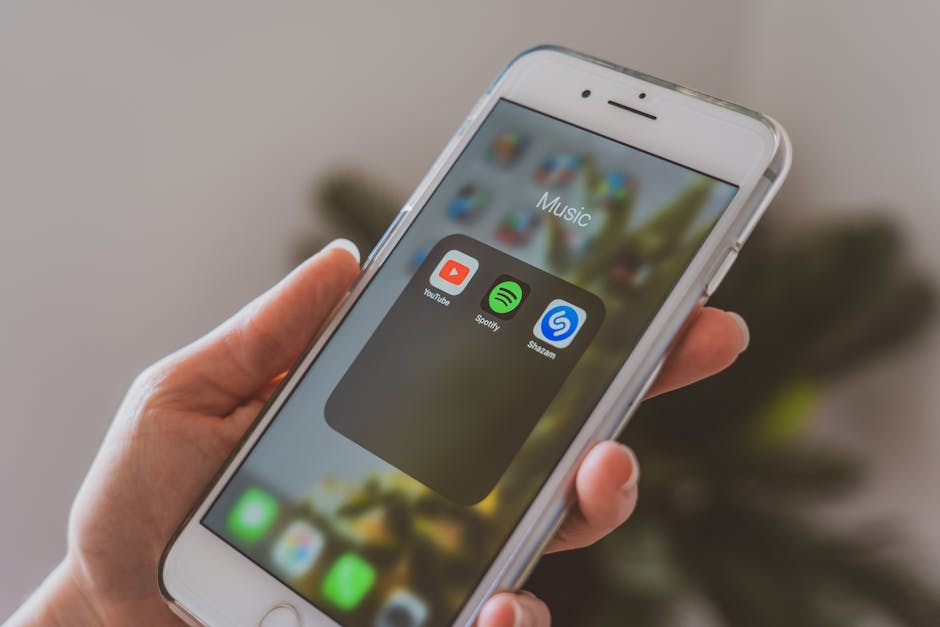
Audio advertising is experiencing a resurgence that few marketers anticipated. With Spotify surpassing 675 million monthly active users globally and maintaining strong penetration across Southeast Asia, the platform has become a serious contender in the digital advertising landscape. Spotify advertising offers something that display and social ads cannot — undivided auditory attention in a lean-back environment where listeners are engaged but not visually distracted.
This guide covers everything you need to know about advertising on Spotify in 2026, from the available ad formats and targeting capabilities to creative best practices and budget planning. Whether you are a Singapore-based brand exploring audio for the first time or an experienced digital advertiser adding Spotify to your media mix, this resource will help you build campaigns that deliver measurable results.
Why Advertise on Spotify in 2026
Spotify’s advertising proposition has strengthened considerably over the past two years. The platform’s self-serve ad platform, Spotify Ads Manager, has matured to offer capabilities that rival established digital advertising channels, while maintaining access to an audience that is increasingly difficult to reach through traditional display and social media.
Several factors make Spotify advertising compelling for brands in 2026:
Attention quality is exceptionally high. Unlike visual ads that compete with content for attention, audio ads play during natural breaks in the listening experience. Spotify reports that ad recall for audio ads averages 24% higher than display advertising, and listeners cannot scroll past or ignore audio ads the way they can with banner placements.
The audience skews young and affluent. Spotify’s core demographic of 18 to 44-year-olds represents the most valuable consumer segment for many brands. In Singapore, Spotify maintains strong adoption among professionals and young adults — a demographic that is increasingly difficult to reach through traditional media.
Free-tier listeners are a captive audience. Spotify’s ad-supported tier — used by roughly 40% of its user base — delivers ads that users cannot skip. This guaranteed exposure is rare in digital advertising, where ad avoidance is the norm.
Mood and moment targeting is unique. Spotify’s data on listening habits allows advertisers to reach people during specific moments — during workouts, while commuting, during cooking, or while studying. No other advertising platform offers this level of contextual, moment-based targeting.
For brands looking to integrate Spotify into a broader digital strategy, our digital marketing services team can advise on how audio fits within your overall media mix.
Spotify Ad Formats Explained
Spotify offers several distinct ad formats, each suited to different campaign objectives. Understanding the strengths of each format is essential for choosing the right approach.
Audio Ads are the core Spotify advertising format. These are 15 to 30-second audio spots that play between songs for free-tier listeners. Each audio ad is accompanied by a companion display banner that appears on the listener’s screen during playback, providing a clickable visual element. Audio ads support a clickable call-to-action button that can drive listeners to a landing page, app store, or other destination.
Video Takeover delivers video ads during moments when the listener is actively looking at their screen — typically when browsing playlists or the home screen. These ads only play when the app is in view, ensuring genuine viewability. Video Takeover is available in 15 and 30-second formats and is ideal for brand storytelling and product demonstrations.
Sponsored Sessions offer listeners 30 minutes of ad-free listening in exchange for watching a full video ad. This format creates a positive brand association — your brand is the reason the listener gets uninterrupted music. It is particularly effective for awareness campaigns where you want to maximise goodwill alongside exposure.
Display Overlay delivers a clickable visual ad when a listener returns to the Spotify app after a period of inactivity. This format captures attention at a high-engagement moment.
Homepage Takeover places your brand prominently on the Spotify homepage for 24 hours — a premium placement typically used for product launches and major promotions.
Podcast Ads are delivered within Spotify’s podcast content in two forms: pre-recorded ads inserted programmatically (Spotify Audience Network) and host-read sponsorships negotiated directly. Host-read ads benefit from the trust that podcast hosts have with their audiences.
For video-focused campaigns that extend beyond Spotify, our video marketing capabilities cover production and strategy across platforms.
Targeting Options and Audience Building
Spotify’s targeting capabilities go well beyond standard demographic filters. The platform’s unique data on listening behaviour enables targeting approaches unavailable on any other advertising platform.
Demographic targeting covers age, gender, and location. For Singapore campaigns, you can target nationally or focus on specific regions. Age targeting is particularly precise on Spotify because users provide their date of birth during registration.
Interest targeting infers interests from listening behaviour and platform engagement. Categories include technology, fitness, cooking, travel, fashion, gaming, and dozens more. These interest signals are behavioural rather than self-reported, making them more reliable than interest targeting on many social platforms.
Real-time context targeting is where Spotify truly differentiates itself. You can target by music genre (pop, hip-hop, classical, EDM), playlist category (workout, study, dinner party, sleep), platform and device (desktop, mobile, smart speaker, connected car), and podcast category (business, comedy, true crime, health). This indicates what the listener is doing right now — a capability no other advertising platform offers.
Custom audience segments allow you to upload first-party data (email lists, customer databases) and create lookalike audiences based on your best customers’ listening profiles.
Moment targeting reaches listeners during specific activities. Spotify’s data can identify when someone is likely working out, commuting, or relaxing. The most effective campaigns layer multiple targeting dimensions — for example, a headphone brand might target 25 to 40-year-old listeners in Singapore who listen to audiophile playlists on desktop devices.
Creative Best Practices for Audio Ads
Audio creative requires a fundamentally different approach than visual advertising. You have no images to catch attention, no video to demonstrate products, and no text to convey details. Everything depends on sound — voice, music, effects, and silence.
Open with a hook within the first three seconds. While listeners cannot skip audio ads, they can mentally tune out. Start with a compelling question, a surprising statement, a relevant sound effect, or a direct address (“Hey, if you’re heading to the gym right now…”) that makes the listener pay attention.
Keep it simple — one message per ad. You have 15 to 30 seconds. Trying to communicate multiple messages, features, or offers results in none of them being remembered. Choose the single most important thing you want listeners to know or do, and build the entire ad around that one point.
Use conversational, natural voice talent. Overly polished, radio-style voiceovers feel out of place on Spotify. The best-performing audio ads sound like a recommendation from a friend, not a broadcast announcement. Match the voice talent’s tone to your brand personality and your target audience.
Include a clear, spoken call to action. Tell listeners exactly what to do: “Tap the banner to get 20% off,” “Search [brand name] in the app store,” or “Visit [domain] to learn more.” Repeat the CTA or brand name twice if using a 30-second format — once in the middle and once at the end.
Consider the listening context. If you are targeting workout playlists, match the energy level. If targeting late-night listening, use a calmer tone. Contextual relevance significantly boosts engagement and recall. An ad that feels like it belongs in the listening experience performs dramatically better than one that feels intrusive.
Music and sound design matter enormously. Background music should complement the voiceover without competing with it. Sound effects can enhance memorability when used sparingly. Record multiple versions for A/B testing, create separate creatives for different targeting segments, keep companion display banners aligned with the audio message, and localise for Singapore audiences where appropriate.
Podcast Advertising on Spotify
Spotify’s investment in podcasting has created a powerful advertising channel that combines the intimacy of audio with the targeting precision of digital. Podcast advertising on Spotify operates through two primary mechanisms.
Spotify Audience Network (SPAN) enables programmatic ad insertion across Spotify’s podcast catalogue. Ads are dynamically inserted into podcast episodes based on your targeting criteria, not the specific podcast. This means your ad can reach your target demographic across thousands of podcasts without negotiating individual sponsorship deals.
SPAN offers targeting by listener demographics rather than just podcast category, frequency capping, measurable impressions with verified delivery data, and lower minimum budgets compared to direct sponsorships.
Direct podcast sponsorships involve partnering with specific podcast hosts for read-in ad placements. Host-read ads outperform pre-produced ads in trust and conversion metrics, but require higher budgets and longer lead times.
For a deeper exploration of podcast marketing strategy, our podcast marketing guide covers both paid and organic approaches to reaching podcast audiences.
Budgeting and Bidding Strategy
Spotify Ads Manager operates on an auction-based system with several bidding options. Understanding the cost structure and planning your budget accordingly is essential for campaign success.
Pricing models:
- Audio ads: Priced on a CPM (cost per thousand impressions) basis, typically ranging from $8 to $25 CPM depending on targeting specificity and competition.
- Video ads: CPM ranges from $15 to $35, reflecting the higher engagement and viewability guarantees.
- Podcast ads (SPAN): CPM typically ranges from $15 to $30, with higher rates for niche audience targeting.
- Premium placements (Homepage Takeover, Sponsored Sessions): These are priced on a fixed-rate or guaranteed-impression basis and require direct negotiation with Spotify’s sales team.
Minimum budgets: Spotify Ads Manager has a minimum campaign budget of approximately $250, making it accessible for small and mid-sized businesses testing the platform. However, meaningful campaign data typically requires budgets of $1,000 or more to generate sufficient impressions for optimisation.
Budget allocation recommendations for Singapore campaigns:
- Testing phase (Month 1): Allocate $1,000 to $2,500 to test different ad formats, targeting combinations, and creative approaches. Split budget across two to three ad sets to identify what works.
- Optimisation phase (Months 2-3): Shift budget towards the best-performing combinations. Increase spend on winning segments and pause underperformers. Budget: $2,000 to $5,000 per month.
- Scaling phase (Month 4+): Scale proven campaigns with confidence. Expand targeting to reach new audience segments while maintaining core performers. Budget varies based on objectives and results.
Bidding strategies: Start with automatic bidding to let Spotify’s algorithm optimise delivery. Once you have performance data, switch to manual CPM bidding for more control. Set frequency caps at three to five impressions per user per week. For brands running multi-channel campaigns, our programmatic advertising guide explains how to coordinate audio and visual placements.
Measuring Campaign Performance
Measuring audio advertising effectiveness requires different metrics and methodologies than visual digital advertising. Spotify provides several measurement tools, but understanding their limitations is equally important.
Standard delivery metrics available in Spotify Ads Manager include impressions served, reach (unique listeners), frequency, completion rate, and click-through rate on companion banners.
Audio-specific metrics to track: Completion rate (typically 95%+ for non-skippable ads — useful as a quality check), companion banner CTR (0.2% to 0.8% is typical), ad recall lift through Spotify’s brand lift studies, and website traffic correlation using UTM parameters on your CTA links.
Audio advertising’s biggest measurement challenge is that many listeners hear the ad but act later — searching for your brand on Google or visiting your website days after hearing the ad. To capture this indirect impact, monitor branded search volume during campaign periods, use unique landing pages or promo codes mentioned in the ad, and add “How did you hear about us?” to your enquiry forms.
Our Spotify marketing services include comprehensive campaign measurement and reporting that goes beyond standard platform metrics to capture the full impact of audio advertising on your business.
Frequently Asked Questions
How much does Spotify advertising cost in Singapore?
Spotify advertising in Singapore typically costs between $8 and $25 CPM for audio ads, $15 to $35 CPM for video formats, and $15 to $30 CPM for podcast ads through the Spotify Audience Network. Actual costs depend on your targeting specificity, competition for your target audience, and campaign timing. The minimum campaign budget on Spotify Ads Manager is approximately $250, though we recommend starting with at least $1,000 to $2,500 for meaningful testing and optimisation data.
Can small businesses advertise on Spotify?
Yes. Spotify Ads Manager is a self-serve platform accessible to businesses of any size, with minimum campaign budgets starting at approximately $250. The platform also offers a free audio ad creation tool that lets you produce professional-quality audio ads using text-to-speech technology and licensed background music. This removes the traditional barrier of audio production costs, making Spotify advertising viable even for small businesses with limited marketing budgets.
What ad length works best on Spotify?
For most campaigns, 30-second audio ads outperform 15-second spots in recall and brand lift metrics. The additional time allows for a proper hook, message delivery, and call to action without feeling rushed. However, 15-second ads can be effective for simple, single-message campaigns — particularly retargeting or high-frequency awareness plays where the listener has already been exposed to your brand. Test both lengths and let the data guide your decision.
How does Spotify advertising compare to radio advertising?
Spotify advertising offers several advantages over traditional radio: precise demographic and interest-based targeting (radio targets geography and broad demographics only), guaranteed impression delivery with real-time reporting (radio relies on estimated audience numbers), non-skippable ad delivery to verified listeners, and clickable companion banners that create a direct response path. Radio’s advantages include broader reach among older demographics, lower CPMs for mass-market campaigns, and established credibility with certain audiences. For most digital-first brands targeting listeners under 45 in Singapore, Spotify typically delivers superior targeting and measurement.
Do I need a professional studio to create Spotify audio ads?
No. Spotify Ads Manager includes a built-in ad creation tool that allows you to write a script, select a voice profile and background music, and generate a complete audio ad at no additional cost. The quality is suitable for testing and small campaigns. However, for larger campaigns or brands where audio quality is critical to perception, professional production delivers noticeably better results. A professionally recorded ad with custom music and sound design typically costs between $500 and $2,000 to produce and can be reused across multiple campaign flights.