
Deepavali Marketing Guide: Festive Campaigns for Singapore
Deepavali, the Festival of Lights, is one of Singapore’s most vibrant and visually stunning celebrations. Observed on 20 October 2026, it marks the triumph of light over darkness and good over evil, and it is celebrated with great enthusiasm by the Indian community and embraced by Singaporeans of all backgrounds. For businesses, Deepavali represents a significant marketing opportunity that demands cultural sensitivity, creative flair, and genuine respect for the festival’s traditions.
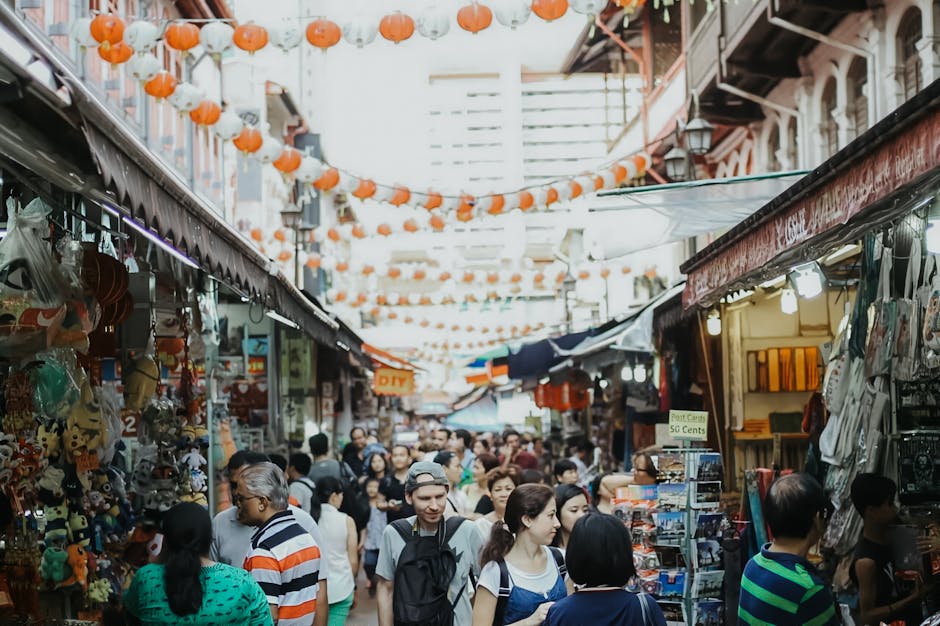
Singapore’s multicultural fabric makes Deepavali a shared celebration that extends beyond the Indian community. The dazzling light-up along Serangoon Road, the bustling markets of Little India, and the festive atmosphere that permeates the island create a receptive commercial environment for brands that engage thoughtfully with the occasion.
This guide provides a comprehensive framework for planning Deepavali marketing campaigns that resonate authentically with the Singapore market. We cover cultural sensitivity considerations, visual themes, Little India tie-ins, festive promotion strategies, and community engagement approaches that build meaningful connections with your audience.
Understanding Deepavali in the Singapore Context
Deepavali holds a special place in Singapore’s multicultural calendar. As a gazetted public holiday, it is acknowledged and celebrated across the nation, reflecting Singapore’s commitment to honouring the traditions of all its communities. The festival typically triggers a period of heightened consumer activity as families prepare their homes, purchase new clothing, prepare festive sweets, and plan gatherings.
The commercial activity surrounding Deepavali extends across multiple sectors. Fashion and jewellery see strong demand as families buy new outfits and gold for the occasion. Home furnishings and decor benefit from the tradition of spring-cleaning and redecorating before the festival. Food and confectionery sales spike as families prepare murukku, laddu, and other traditional sweets. These spending patterns create opportunities for a wide range of businesses to participate in the festive economy.
Understanding the timing of Deepavali-related activities is essential for campaign planning. Preparations begin four to six weeks before the festival, with shopping activity peaking in the two weeks prior. Open houses and visiting typically occur in the week following Deepavali, extending the festive period and creating additional marketing touchpoints. A well-timed 内容营销 strategy ensures your brand is present throughout this extended festive window.
Cultural Sensitivity in Deepavali Marketing
Cultural sensitivity is not optional in Deepavali marketing — it is the foundation upon which every other element must be built. Brands that get the cultural aspects wrong risk not only alienating the Indian community but also damaging their broader reputation in Singapore’s socially conscious market.
Begin by understanding what Deepavali actually represents. It is the Festival of Lights, celebrating the victory of good over evil, knowledge over ignorance, and light over darkness. Different communities within Singapore’s Indian population may emphasise different aspects of the festival — the return of Lord Rama, the triumph of Lord Krishna, or the blessings of Goddess Lakshmi. Avoid reducing the festival to a single narrative and instead embrace its richness and diversity.
Language matters enormously. Use “Deepavali” rather than “Diwali” in the Singapore context, as the former is the standard local usage. Greetings should be accurate — “Happy Deepavali” is universally appropriate, while “Deepavali Nalvazhthukkal” is the Tamil greeting that resonates particularly strongly in Singapore, where the majority of the Indian community is of Tamil heritage.
Visual representation must be authentic and respectful. If your campaign features people, ensure you are representing the Indian community accurately and avoiding stereotypical imagery. If you use religious symbols such as oil lamps (diyas), rangoli patterns, or kolam designs, do so respectfully and in appropriate context. Consult with team members or partners from the Indian community during the creative process to identify and correct any cultural missteps before your campaign goes live.
Avoid cultural appropriation by ensuring your campaign celebrates the festival rather than commodifying it. There is a meaningful difference between a brand that honours Deepavali traditions and one that merely borrows its aesthetic for commercial gain. The former earns respect and loyalty; the latter invites backlash.
Lighting, Rangoli, and Visual Themes
Deepavali’s visual language offers rich creative material for marketing campaigns. The Festival of Lights provides a naturally compelling aesthetic centred on warmth, colour, and illumination that can be adapted across all marketing channels.
Lighting is the most iconic visual element of Deepavali. Oil lamps (diyas), string lights, and candles create a warm, golden palette that translates beautifully into digital and print marketing materials. Incorporate lighting imagery that feels warm and inviting rather than commercially sterile. Photographs of real diyas and lit spaces are far more effective than generic stock imagery with artificial lighting effects.
Rangoli and kolam designs — intricate geometric patterns traditionally created on floors using coloured powders, rice, or flower petals — provide stunning visual motifs for campaign creative. These patterns can be adapted into backgrounds, borders, and decorative elements for social media posts, email templates, and website banners. Work with a web design professional to integrate these elements seamlessly into your digital presence.
The Deepavali colour palette extends beyond the golden tones of lamplight. Rich jewel tones — deep reds, emerald greens, royal purples, and saffron oranges — reflect the vibrant saris and decorations associated with the festival. These colours create visually striking marketing materials that stand out in social media feeds and email inboxes during the festive period.
Floral elements, particularly marigolds and jasmine, are integral to Deepavali celebrations and can add an organic, authentic touch to your visual theme. These elements work particularly well in food photography, product styling, and event decoration, bridging the gap between digital marketing and physical customer experiences.
Little India Tie-Ins and Experiential Marketing
Little India becomes the epicentre of Deepavali celebrations in Singapore, with its spectacular light-up along Serangoon Road drawing visitors from across the island. For businesses with a presence in or near Little India, this creates an unparalleled opportunity for experiential marketing. For those further afield, creative tie-ins with the Little India festivities can still drive engagement.
Businesses located in Little India should maximise foot traffic during the festive period through in-store events, exclusive promotions, and enhanced customer experiences. Extend operating hours during the light-up period, offer festive refreshments to shoppers, and create Instagram-worthy moments within your premises that encourage social media sharing. The organic reach generated by customers posting about their Little India experience can exceed what paid advertising delivers.
Brands without a Little India presence can create connections through content marketing. A “Guide to Deepavali in Little India” blog post or social media series provides genuine value to your audience while associating your brand with the festive atmosphere. Include practical information such as the best times to visit, must-try foods, and photography spots, supported by a strong SEO approach to capture search traffic from consumers planning their Little India visits.
Partnerships with Little India businesses offer a mutually beneficial way to participate in the festivities. A brand outside the area might sponsor a stall at a Deepavali bazaar, partner with a Little India restaurant for a festive dining promotion, or collaborate with a local Indian business on a limited-edition product that celebrates the festival. These partnerships demonstrate genuine engagement with the celebration and introduce your brand to new audiences.
Experiential marketing events tied to Deepavali traditions create memorable brand interactions. A rangoli-making workshop, a traditional sweet-making class, or a Deepavali fashion styling session provide engaging experiences that generate content, build community, and create positive brand associations that outlast the festive period.
Festive Promotions and Product Campaigns
Deepavali promotions should reflect the festive spirit while delivering genuine value to consumers. The most effective promotions connect thematically to the festival rather than simply using it as a justification for a discount.
Gift hampers and sets curated specifically for Deepavali are a strong promotional vehicle. Traditional sweets paired with modern treats, artisanal products presented in festive packaging, or curated lifestyle sets that blend Indian heritage elements with contemporary design all make excellent Deepavali gifts. Position these sets as ready-made gifts for the open house visiting season to capture consumers looking for convenient yet thoughtful gifting solutions.
Fashion and jewellery brands should align their Deepavali promotions with the tradition of wearing new clothes and gold during the festival. Curate festive collections that cater to both traditional and contemporary tastes, and offer styling advice that helps customers put together their Deepavali outfits. Gold and jewellery promotions are particularly resonant, as purchasing gold during Deepavali is considered auspicious.
Home and living brands can tap into the pre-Deepavali home preparation tradition. Promote home decor, lighting, and furnishing products that help customers transform their homes for the festivities. Bundle deals that include decorative items alongside practical home essentials simplify the preparation process and encourage higher basket values.
F&B businesses should consider Deepavali catering packages for families hosting open houses. Offer a range of traditional Indian dishes alongside multi-cuisine options that reflect Singapore’s diverse festive dining preferences. Promote these packages through targeted social media marketing to reach households planning their Deepavali celebrations.
Indian Community Engagement Strategies
Authentic engagement with the Indian community goes beyond festive promotions. It involves building genuine relationships, supporting community initiatives, and demonstrating year-round commitment rather than seasonal attention.
Collaborate with Indian cultural organisations, temples, and community groups for Deepavali initiatives. Sponsor community events, support charitable causes that are meaningful during the festive period, or volunteer at community celebrations. These activities build genuine goodwill and create positive associations with your brand within the community.
Engage Indian influencers and content creators who can bring cultural authenticity to your Deepavali campaign. Local influencers who regularly share content about Indian culture, food, or fashion have established trust with their audiences and can present your brand’s Deepavali messaging in a way that feels natural and credible. Ensure these partnerships allow creative freedom so the content reflects the influencer’s genuine voice.
Feature members of the Indian community authentically in your campaign materials. Whether through customer stories, team member spotlights, or community feature pieces, ensure that Indian voices are central to your Deepavali content rather than relegated to decorative roles. This representation matters and is noticed by audiences who are accustomed to being included as an afterthought rather than a focus.
Consider extending your engagement beyond Deepavali to demonstrate sustained commitment. Brands that support Indian cultural events throughout the year — Pongal, Tamil New Year, and other occasions — build deeper relationships than those that appear only during the most commercially prominent festival. This long-term approach informs a more authentic 数字营销 presence year-round.
Digital Channel Execution
Executing your Deepavali campaign across digital channels requires platform-specific content strategies and careful timing to capture consumers at different stages of their festive preparation.
Social media content should begin three to four weeks before Deepavali with educational and inspirational posts about the festival’s significance, traditions, and preparations. Move into promotional content two weeks before the festival, featuring your Deepavali products, services, and offers. During the festival week itself, shift to celebratory and community-focused content that prioritises warm wishes and engagement over hard selling.
Email campaigns should follow a similar arc. An early email introducing your Deepavali offerings and the story behind them sets the stage. A mid-campaign email highlights bestselling products, limited-edition items, and time-sensitive promotions. A final-week email creates urgency with last-order dates and remaining availability. Post-Deepavali, send a festive greeting email that thanks customers for their support without any commercial ask, reinforcing goodwill for the open house visiting period.
谷歌广告 campaigns should target Deepavali-related search terms from three weeks before the festival, with budgets increasing in the final ten days. Shopping ads showcasing festive products and search ads promoting Deepavali dining, fashion, and gifting options capture high-intent shoppers. Location-based targeting for Little India searches can drive foot traffic to physical locations.
Video content is particularly powerful for Deepavali campaigns. The visual richness of the festival — the lights, the colours, the food, the celebrations — translates beautifully into video format. Short, atmospheric videos showcasing Deepavali preparations, behind-the-scenes glimpses of your team celebrating, or customer stories about their festival traditions create emotional connections that static content cannot match.
Ensure all digital touchpoints — your website, landing pages, email templates, and social media profiles — carry a cohesive Deepavali visual theme that reinforces your campaign message at every interaction. Consistency across channels amplifies the impact of your campaign and creates a professional, polished impression.
常见问题
When is Deepavali 2026 in Singapore?
Deepavali 2026 falls on Tuesday, 20 October. It is a gazetted public holiday in Singapore. The festive period typically extends from two weeks before the date through to the week after, encompassing preparation, the celebration itself, and the open house visiting period.
Should non-Indian businesses create Deepavali marketing campaigns?
Yes, provided you approach the festival with genuine respect and cultural sensitivity. Singapore’s multicultural society expects and appreciates cross-cultural celebration. The key is to celebrate rather than appropriate — honour the festival’s traditions, ensure authentic representation, and consult with members of the Indian community during the creative process.
What is the difference between Deepavali and Diwali?
Both terms refer to the Festival of Lights, but “Deepavali” is the standard usage in Singapore and reflects the Tamil-majority Indian community. “Diwali” is more commonly used in North India and in Western contexts. For Singapore marketing campaigns, always use “Deepavali” to demonstrate local cultural awareness.
How can I ensure my Deepavali campaign is culturally sensitive?
Involve members of the Indian community in your campaign planning and creative review. Research the festival’s significance beyond surface-level aesthetics. Use appropriate language and terminology. Avoid reducing the festival to a single narrative or stereotype. Feature authentic representation in your imagery, and ensure any use of religious symbols is respectful and contextually appropriate.
What products sell well during the Deepavali period?
Traditional and modern sweets, gold and jewellery, new clothing (both traditional Indian wear and contemporary fashion), home decor and lighting, gift hampers, and beauty products all see increased demand during Deepavali. Experiential gifts such as dining vouchers and spa packages are also popular for festive gifting.
How do I target the Indian community effectively with digital marketing?
Use interest-based and demographic targeting on social media platforms to reach Indian audiences in Singapore. Partner with Indian influencers and content creators for authentic reach. Advertise in Indian language media and community platforms. Ensure your content reflects genuine understanding of Indian culture rather than superficial stereotypes. Consider Tamil-language content for specific segments of your audience.

 Chinese
  English
  Malay
Malay  Korean