Chinese New Year Marketing in Singapore: Campaign Ideas and Strategies
Chinese New Year is Singapore’s biggest festive season, driving billions of dollars in consumer spending across food, fashion, gifts, home decoration, and entertainment. For marketers, it represents the most significant commercial opportunity of the year, rivalling and often surpassing the year-end holiday season in sheer spending volume. Getting your chinese new year marketing singapore strategy right can define your entire first-quarter performance.
The festival’s influence extends far beyond the Chinese community. In Singapore’s multicultural society, Chinese New Year is widely celebrated and acknowledged by all ethnic groups. Non-Chinese Singaporeans participate in festivities, exchange greetings, and take advantage of the public holidays and sales events. This broad cultural relevance means that virtually every consumer-facing brand should have a Chinese New Year marketing plan.
This guide covers every aspect of planning and executing Chinese New Year campaigns in Singapore for 2026, from timing and creative themes to channel-specific tactics, budget planning, and the cultural nuances that can make or break your campaign. Whether you operate in retail, F&B, e-commerce, financial services, or any other sector, these strategies will help you capture your share of the festive spending.
Campaign Timing: When to Start and When to Stop
Timing is everything in chinese new year marketing singapore campaigns. The festival follows the lunar calendar, typically falling between mid-January and mid-February. Effective campaigns should begin building momentum at least two to three weeks before Chinese New Year Eve and extend through the full 15-day celebration period to Chap Goh Mei (the fifteenth day of the Lunar New Year).
The pre-CNY phase, starting three to four weeks before the festival, is when consumers begin their heaviest spending. This period sees peak demand for new clothing, home furnishings, spring cleaning services, reunion dinner ingredients, bak kwa (barbecued meat), mandarin oranges, and gift hampers. Your marketing should be in full swing by this point, with promotional offers, content campaigns, and paid advertising all active.
The week immediately before Chinese New Year Eve is the most intense shopping period. Many Singaporeans take leave from work to complete their preparations, and malls, markets, and online stores experience their highest traffic. Flash sales, last-minute delivery guarantees, and urgency-driven messaging perform exceptionally well during this window.
Chinese New Year Eve and the first two days (which are public holidays) shift consumer behaviour from shopping to celebration. Content during this period should focus on well-wishes, festive greetings, and community engagement rather than hard selling. Social media activity remains high as people share celebrations, and brands that contribute to the festive spirit with genuine, warm content build goodwill.
The remaining days of the 15-day period see a gradual return to normal activity, but visiting, feasting, and celebrations continue throughout. Many businesses run extended CNY promotions through this period and beyond. Post-CNY content, such as “back to work” messaging, health and fitness content after festive indulgence, and spring forward themes, can extend your campaign’s relevance into early March.
Campaign Themes: Prosperity, Reunion and Beyond
Chinese New Year campaign themes should tap into the festival’s core values while maintaining freshness and brand relevance. The most powerful thematic territory revolves around prosperity, reunion, family, renewal, and auspicious beginnings. Your content marketing should weave these themes naturally into your brand narrative.
Prosperity and good fortune are central to CNY celebrations. Phrases like “Gong Xi Fa Cai” (wishing you prosperity) and imagery associated with wealth, including gold, red, mandarin oranges, and fish (the Chinese word for fish, “yu,” is a homophone for surplus), are universally understood. Brands can tie prosperity themes to savings, value offers, investment products, career advancement, or business growth, depending on their category.
Reunion is perhaps the most emotionally resonant CNY theme. The reunion dinner on Chinese New Year Eve brings families together, and the following days are filled with visiting relatives and reconnecting with loved ones. Campaigns that celebrate togetherness, family bonds, and homecoming tap into deep emotional currents. Video content featuring reunion stories consistently generates high engagement and shares.
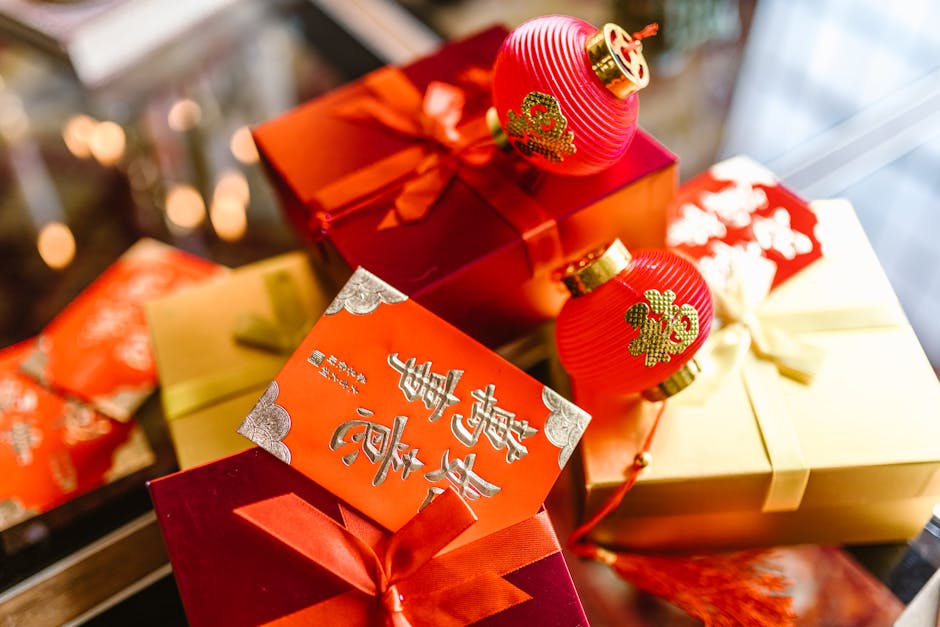
The ang bao (red packet) tradition offers rich creative possibilities. Digital ang baos have become mainstream, and brands can create virtual ang bao campaigns that combine gifting mechanics with promotional offers. Cashback rewards framed as ang baos, social media contests with ang bao prizes, and gamified experiences around packet opening all leverage this tradition effectively.
Each year in the Chinese zodiac brings new creative opportunities. Research the zodiac animal for your campaign year and incorporate relevant imagery, wordplay, and themes. Zodiac-themed limited editions, packaging, and content feel timely and collectible. However, ensure that zodiac references are culturally accurate and respectful, as incorrect symbolism is easily noticed.
Lo hei (the prosperity toss salad) is a uniquely Singaporean and Malaysian CNY tradition that lends itself perfectly to participatory marketing. The communal tossing ritual, accompanied by auspicious phrases, is inherently social and photogenic. Restaurants, food brands, and even non-F&B brands can create lo hei themed experiences, content, and social media moments.
Social Media Campaign Strategies
Social media is the heartbeat of modern CNY marketing in Singapore. The festival is inherently social, with traditions of visiting, gifting, and celebrating together translating naturally into digital engagement. Your social media strategy should be multi-platform, culturally authentic, and designed for sharing.
On Facebook, CNY campaigns benefit from community engagement mechanics. Create polls asking followers about their CNY traditions, share behind-the-scenes preparation content, run countdown posts to CNY Eve, and encourage user-generated content with festive hashtags. Facebook Groups devoted to CNY recipes, decoration ideas, and sale hunting see surges in activity during the pre-CNY period.
Instagram is ideal for visually rich CNY content. Flat lays of festive treats and decorations, outfit-of-the-day posts featuring CNY attire, restaurant lo hei sessions, and Reels showing preparations all generate strong engagement. Stories and Reels formats are particularly effective for behind-the-scenes, day-in-the-life, and tutorial content during the festive season. Use relevant hashtags like #CNYSingapore, #ChineseNewYear2026, and branded variations.
TikTok CNY campaigns should lean into creativity and participation. Challenge-based content, such as inviting users to show their best lo hei toss, share their CNY outfits, or demonstrate their ang bao folding skills, drives viral engagement. TikTok’s algorithm favours engaging, authentic content, making it a powerful platform for both organic and paid CNY campaigns.
WeChat and Xiaohongshu (RED) are important supplementary platforms for reaching Chinese-speaking audiences, including recent immigrants and those with ties to China. Xiaohongshu is particularly effective for lifestyle, food, and fashion content during CNY, with users actively searching for outfit inspiration, restaurant recommendations, and gift ideas.
WhatsApp broadcast lists offer a direct channel for CNY greetings and promotional messages to opted-in customers. A well-timed CNY greeting with an exclusive offer can drive significant traffic and conversions. Keep messages personal and festive rather than overtly commercial to maintain the spirit of the season.
Email Marketing for Chinese New Year
Email marketing remains one of the most effective channels for driving CNY sales, particularly for e-commerce and retail brands. A well-planned email marketing sequence can nurture customers from early awareness through to post-festival engagement.
Begin your CNY email sequence three to four weeks before the festival with a “CNY Preview” email showcasing your festive collection, menu, or promotions. This early communication allows loyal customers to plan their purchases and builds anticipation. Include early-bird offers or exclusive previews for email subscribers to reward their loyalty and drive early conversions.
Two weeks before CNY, send a more detailed promotional email highlighting specific products, offers, and delivery deadlines. Gift guides segmented by recipient type (for parents, for boss, for colleagues, for children) perform exceptionally well during this period. Include clear calls to action and emphasise any limited-edition or limited-quantity items to create urgency.
During the final week before CNY, increase email frequency to capture last-minute shoppers. Subject lines emphasising urgency (“Last chance for CNY delivery,” “Final hours for festive orders”) drive opens and clicks. Consider offering expedited delivery or click-and-collect options for late purchasers.
On CNY Eve or CNY Day 1, send a warm festive greeting email. This should be primarily relational rather than transactional, featuring sincere wishes and perhaps a festive video or animation. Including a small exclusive offer as a “digital ang bao” adds a delightful commercial touch without feeling pushy.
Post-CNY emails can address the return to routine with relevant content. Fitness and wellness brands might focus on post-festive health, fashion brands on transitioning to everyday wear, and financial brands on new year financial planning. A “thank you for celebrating with us” email reinforces the relationship built during the festive period.
Google Ads Seasonal Bidding Strategies
Chinese New Year creates dramatic shifts in search behaviour that require proactive Google Ads management. Search volumes for CNY-related terms begin rising four to six weeks before the festival and peak in the final two weeks. Failing to adjust your bidding strategy means either overpaying during quiet periods or losing impression share during peak demand.
Start by building a CNY-specific keyword list that includes both English and Chinese language terms. Keywords like “chinese new year gifts singapore,” “cny hamper delivery,” “reunion dinner restaurant,” and “bak kwa order online” experience massive seasonal spikes. Chinese language equivalents should be targeted in separate campaigns for clean performance tracking.
Implement bid adjustments or switch to seasonal bidding strategies during the pre-CNY period. If using automated bidding strategies like Target CPA or Target ROAS, set seasonality adjustments in Google Ads to signal the expected conversion rate changes during the festive period. This helps the algorithm adapt more quickly to the temporary shift in consumer behaviour rather than interpreting the spike as an anomaly.
Ad copy should be updated to reflect CNY themes and urgency. Incorporate festive language, emphasise delivery deadlines, and highlight CNY-specific offers. Ad extensions should be refreshed with CNY promotions, operating hours (many businesses adjust hours during the festival), and seasonal sitelinks pointing to CNY collections or landing pages.
Budget allocation should shift significantly during the CNY period. Many advertisers increase their daily budgets by 50% to 100% during the two weeks before CNY to capture the surge in high-intent search traffic. Monitor impression share closely and increase budgets if you are losing share to competitors during this critical period. The incremental cost is typically justified by the higher conversion rates and order values associated with festive shopping.
Post-CNY, reduce budgets gradually rather than abruptly. Some consumers continue searching for post-CNY sales, gift exchanges, and future planning. Transition your campaigns smoothly from CNY themes to your regular messaging over a one-to-two-week period.
Influencer Collaborations for CNY
Influencer marketing is particularly powerful during Chinese New Year because the festival is inherently experiential and personal. Influencers can showcase your products or services within the authentic context of their own CNY celebrations, creating relatable and persuasive content that resonates with their followers.
Begin identifying and briefing influencers at least six to eight weeks before CNY. The best influencers book up quickly during the festive season, and early engagement ensures you secure your preferred partners and allow adequate time for content creation and approval. Look for influencers whose audience demographics align with your target market and whose personal brand feels authentic for CNY content.
Food influencers are in especially high demand during CNY. Collaborations featuring reunion dinner preparations, lo hei sessions, bak kwa taste tests, pineapple tart making, and restaurant reviews drive strong engagement. If your brand operates in the F&B space, influencer partnerships during CNY can generate exceptional reach and conversion.
Fashion and lifestyle influencers create CNY outfit inspiration content that is highly searched and shared. “What I’m wearing for CNY,” “CNY outfit haul,” and “How to style CNY outfits for visiting” content formats consistently perform well. Provide influencers with your products early enough for them to create and publish content during the critical pre-CNY shopping window.
Family influencers and parent bloggers offer powerful authenticity for brands targeting families. Content showing family preparations, children receiving ang baos, multi-generational celebrations, and family visiting tours resonates deeply during a festival centred on family togetherness.
Negotiate content usage rights that allow you to repurpose influencer content in your paid campaigns. Influencer-generated content often outperforms brand-created content in paid social advertising because it appears more authentic and relatable. Using influencer content in your Facebook advertising and Instagram ads during CNY can significantly improve performance.
Industry-Specific Tactics: F&B, Retail and E-Commerce
Different industries face unique opportunities and challenges during Chinese New Year. Tailoring your strategy to your specific sector ensures you capitalise on the most relevant consumer behaviours and spending patterns.
For F&B businesses, the pre-CNY period is dominated by reunion dinner bookings and festive menu promotions. Restaurants should begin promoting their CNY menus at least six weeks in advance, as popular venues book up quickly. Lo hei sets, pen cai (treasure pot), and complete reunion dinner packages should be prominently featured. Delivery and takeaway options have become increasingly important, catering to families who prefer to celebrate at home. Social media content showing your chefs preparing festive dishes, behind-the-scenes kitchen activity, and beautifully plated festive menus drives bookings and orders.
Retail businesses should plan their CNY merchandise, visual merchandising, and promotions well in advance. Fashion retailers typically see a surge in demand for red and auspicious-coloured clothing, new shoes, and accessories. Home retailers benefit from spring cleaning and home refreshment trends. Gift-oriented retailers should create curated gift sets and hampers at various price points. In-store experiences, such as calligraphy stations, photo opportunities with festive decorations, and lion dance performances, drive foot traffic and social media sharing.
E-commerce businesses must plan logistics meticulously. Delivery services experience extreme demand during the pre-CNY period, and many logistics providers implement surcharges or extended delivery windows. Communicate delivery cut-off dates clearly and prominently, offer gift wrapping options, and ensure your website prominently features your CNY collection. Create urgency with countdown timers, low-stock indicators, and limited-edition messaging. Post-purchase emails confirming delivery timelines reduce customer anxiety during this high-demand period.
Financial services companies can leverage CNY themes around prosperity, wealth management, and new year financial planning. Campaigns promoting savings accounts, investment products, and insurance plans framed as “prosperous beginnings” align naturally with the festival’s themes. Digital ang bao campaigns, where customers can send monetary gifts through your platform, combine utility with brand engagement.
Cultural Dos and Don’ts
Cultural sensitivity is non-negotiable in chinese new year marketing singapore campaigns. Missteps can cause significant reputational damage, particularly in Singapore’s socially connected environment where cultural faux pas are quickly amplified on social media.
Do use red and gold as your primary campaign colours. Red symbolises prosperity and good fortune, while gold represents wealth. These colours are universally associated with CNY and immediately signal festive relevance. Pink, orange, and purple are also acceptable supporting colours. Ensure your campaign visuals are refreshed with festive branding across all digital touchpoints.
Do use appropriate greetings. “Gong Xi Fa Cai” (wishing you prosperity) and “Xin Nian Kuai Le” (Happy New Year) are the most common. Include greetings in both English and Chinese to demonstrate cultural awareness. If targeting Cantonese speakers, “Gong Hei Fat Choy” is the equivalent greeting.
Do not use the colour white prominently in CNY campaigns. White is associated with mourning and funerals in Chinese culture. Similarly, avoid black as a dominant colour during the festive period. While these colours may appear in product shots or general branding, they should not be the primary colours of your CNY-specific creative.
Do not use the number four prominently. The Chinese word for four (“si”) sounds like the word for death and is considered inauspicious. Avoid pricing at $4, $44, or $444, and do not create bundles of four items. The number eight, conversely, is highly auspicious, and prices or quantities incorporating eight are viewed favourably.
Do not use imagery of sharp objects, particularly scissors and knives, in CNY content. These symbolise cutting away good fortune. Similarly, avoid imagery of broken items, clocks (which are associated with death in Chinese culture), and pears (the Chinese word for pear sounds like “separation”).
Do be inclusive. While CNY is a Chinese cultural festival, its celebration in Singapore transcends ethnic boundaries. Messaging should be warm and welcoming to all, rather than exclusive. Many Malay and Indian Singaporeans participate in CNY celebrations, visit Chinese friends and colleagues, and enjoy the festive atmosphere. Your campaigns should reflect this inclusive spirit.
Budget Planning and ROI Measurement
Effective budget planning for CNY campaigns requires historical analysis, competitive benchmarking, and realistic goal-setting. CNY is typically the highest-cost period for digital marketing in Singapore due to increased competition across all channels.
Allocate approximately 15% to 20% of your annual marketing budget to the CNY period (roughly six to eight weeks, including pre and post-festival phases). Within this allocation, paid advertising typically commands the largest share (40% to 50%), followed by content creation and influencer partnerships (25% to 30%), email marketing (10% to 15%), and analytics and optimisation (5% to 10%).
Cost-per-click across Google Ads and social media platforms typically increases by 20% to 40% during the pre-CNY period due to heightened competition. Factor these increases into your budget projections. However, conversion rates also tend to increase during the festive season, as consumers are in active purchasing mode, which can offset the higher acquisition costs.
Set clear KPIs for your CNY campaign that distinguish between brand awareness objectives and direct conversion goals. Brand awareness metrics might include reach, impressions, video views, social media engagement, and brand mention volume. Conversion metrics should track revenue, orders, average order value, return on ad spend, and customer acquisition cost.
Post-campaign analysis should evaluate performance against your KPIs and capture learnings for the following year. Document what worked, what did not, which channels delivered the best returns, which creative concepts resonated, and how your timing and budget allocation could be improved. This institutional knowledge compounds over time and gives you a significant advantage over competitors who approach each CNY season without structured learning.
Frequently Asked Questions
When should I start planning my Chinese New Year marketing campaign?
Ideally, begin strategic planning three to four months before CNY. This allows time for creative concept development, influencer outreach, content production, and campaign setup. Major creative assets should be finalised six to eight weeks before the festival, with campaigns going live three to four weeks before CNY Eve. If you are only starting to plan four weeks out, focus on quick-win tactics like email marketing, social media content, and Google Ads seasonal campaigns that can be implemented quickly.
How can small businesses compete with big brands during CNY?
Small businesses can compete by focusing on authenticity, personal connection, and niche positioning. Handwritten CNY greeting cards with orders, personalised gift recommendations, behind-the-scenes content showing your team’s preparations, and community-focused messaging create emotional connections that large brands struggle to replicate. Leverage your local knowledge, personal story, and genuine cultural connection to create campaigns that feel heartfelt rather than corporate. Social media, particularly TikTok and Instagram Reels, provides organic reach opportunities that do not require large budgets.
Should non-Chinese-owned businesses run CNY campaigns in Singapore?
Absolutely. Chinese New Year in Singapore is a national celebration enjoyed by all communities. Non-Chinese-owned businesses are welcome and expected to participate in the festive season. The key is approaching the festival with respect, cultural accuracy, and genuine participation rather than tokenistic engagement. If your team lacks Chinese cultural knowledge, consult with Chinese colleagues, friends, or cultural advisors to ensure your campaign is appropriate and authentic.
What CNY content performs best on social media?
Video content consistently outperforms static posts during CNY. Short-form videos showing preparations, cooking, decorating, outfit styling, and family moments generate the highest engagement. User-generated content campaigns inviting followers to share their CNY celebrations drive participation and reach. Lo hei videos, where the energetic tossing and shouting of auspicious phrases create entertaining content, are among the most shared formats. Nostalgic content comparing past and present CNY celebrations also resonates strongly with Singaporean audiences.
How do I measure the ROI of Chinese New Year marketing campaigns?
Measure ROI by comparing your total CNY marketing spend against the incremental revenue generated during the campaign period. Isolate CNY-attributed revenue by tracking campaign-specific UTM parameters, promotional codes, and dedicated landing pages. Compare year-over-year performance to establish growth trends. Beyond direct revenue, measure brand equity impacts through social media following growth, email list growth, brand search volume changes, and customer sentiment scores. A comprehensive view of both immediate financial returns and longer-term brand building provides the most accurate picture of your CNY marketing ROI.