
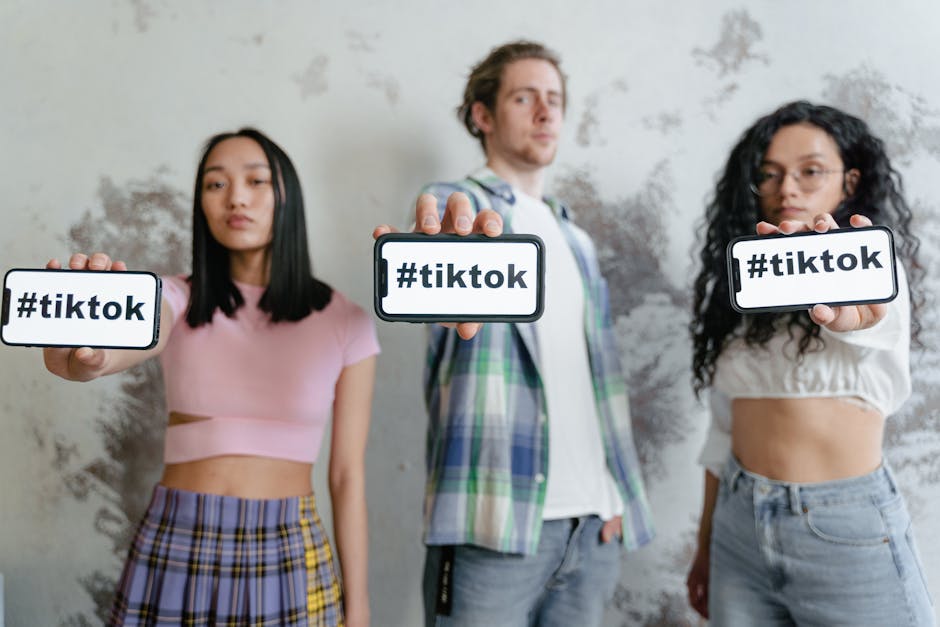
TikTok Ads Guide: How to Advertise on TikTok in Singapore in 2026
TikTok has evolved from a platform for dance challenges and lip-sync videos into one of the most powerful advertising channels available to Singapore marketers. With over 2.5 million monthly active users in Singapore and an algorithm that rewards content quality over follower count, TikTok Ads offer brands an opportunity to reach engaged audiences in ways that traditional platforms cannot replicate.
What sets TikTok apart is its content-first approach. Users come to TikTok to be entertained and inspired, not to browse passively. Ads that blend naturally into this environment — that feel like content rather than interruptions — achieve engagement rates that significantly outperform other social platforms.
This guide provides a practical, step-by-step framework for planning, launching, and optimising TikTok advertising campaigns for the Singapore market in 2026.
Why TikTok Ads Matter for Singapore Businesses
TikTok’s rapid growth in Singapore has transformed it from a niche platform for Gen Z into a mainstream marketing channel that reaches across age groups and demographics.
Singapore’s TikTok Landscape in 2026
The platform’s Singapore user base has matured significantly:
- Demographic breadth: While 18–34-year-olds remain the largest segment, users aged 35–54 represent a rapidly growing cohort. TikTok is no longer a “young people’s platform” exclusively.
- High engagement: Average daily usage exceeds 90 minutes per user in Singapore, one of the highest engagement rates among social platforms.
- Commerce integration: TikTok Shop and in-app shopping features have made the platform a genuine commerce channel, particularly for beauty, fashion, F&B, and lifestyle products.
- Content diversity: Singapore creators produce content across education, finance, food, travel, technology, and professional development — broadening the platform’s appeal to advertisers in these sectors.
Key Advantages of TikTok Advertising
- Algorithmic discovery: TikTok’s For You Page algorithm surfaces content based on engagement signals rather than follower counts. This means a new brand can achieve viral reach without an existing audience.
- Lower CPMs: TikTok’s cost per thousand impressions remains lower than Facebook and Instagram for most audience segments in Singapore, offering better reach efficiency.
- Full-screen immersion: Vertical, full-screen ad formats capture complete attention — unlike feeds where users scroll past content quickly.
- Sound-on environment: Unlike most platforms where users browse with sound off, TikTok is a sound-on platform. Audio is an integral part of the creative experience.
- Creator ecosystem: TikTok’s Spark Ads and creator marketplace allow brands to amplify organic creator content as paid ads, blending advertising with authentic content.
For businesses looking to build a comprehensive TikTok presence, TikTok marketing services provide end-to-end support from strategy to execution.
Ad Formats and Placements
TikTok offers several ad formats, each suited to different objectives and budget levels. Understanding the options helps you choose the right format for your campaign goals.
In-Feed Ads
The most common and accessible ad format. In-feed ads appear in users’ For You Page feed as they scroll, looking and feeling like organic content. They support video lengths from 5 to 60 seconds, with a call-to-action button that can drive traffic to a website, app download, or TikTok page.
- Best for: Traffic, conversions, app installs, lead generation
- Budget requirement: Accessible to all budget levels (minimum SGD 20/day per ad group)
- Key advantage: Native feel that blends with organic content
Spark Ads
Spark Ads allow you to boost existing organic TikTok posts — either your own or a creator’s (with their permission) — as paid advertisements. The engagement (likes, comments, shares) generated by the ad is attributed to the original post, building social proof.
- Best for: Amplifying proven organic content, influencer partnerships, building engagement on your profile
- Budget requirement: Same minimums as in-feed ads
- Key advantage: Leverages authentic content and accumulates social proof
TopView Ads
Full-screen video ads that appear when users first open TikTok. These premium placements guarantee maximum visibility with videos up to 60 seconds. TopView ads command significant budgets and are typically reserved for major brand campaigns.
- Best for: Major product launches, brand awareness at scale
- Budget requirement: Premium pricing — typically SGD 50,000+ per day in Singapore
- Key advantage: 100% share of voice at app open
Branded Hashtag Challenges
Invite users to create content around a branded hashtag, with a dedicated challenge page on TikTok. This format generates massive user-generated content (UGC) and engagement but requires substantial investment and strong creative concepts.
- Best for: Brand awareness, community building, UGC generation
- Budget requirement: SGD 100,000+ for campaign packages in Singapore
- Key advantage: Viral potential and authentic engagement
Branded Effects
Custom AR filters, stickers, and special effects that users can apply to their own videos. Branded effects integrate your brand into user-generated content in a playful, shareable way.
- Best for: Brand awareness, playful brand engagement
- Budget requirement: Premium — typically bundled with hashtag challenges
- Key advantage: Deep brand integration into user content
TikTok Shop Ads
For e-commerce businesses, TikTok Shop ads drive users directly to product listings within TikTok’s in-app shopping experience. Formats include product shopping ads, live shopping ads, and video shopping ads.
- Best for: Direct product sales, e-commerce conversions
- Budget requirement: Accessible to all budget levels
- Key advantage: Seamless in-app purchase experience
For most Singapore SMEs, in-feed ads and Spark Ads provide the best balance of accessibility, performance, and cost-efficiency. Premium formats like TopView and branded challenges are better suited to large brands with substantial budgets.
Targeting Options for Singapore Audiences
TikTok Ads Manager offers comprehensive targeting capabilities that allow you to reach specific audience segments within Singapore.
Demographic Targeting
- Age: Target by age brackets — 18–24, 25–34, 35–44, 45–54, 55+
- Gender: Male, female, or all genders
- Location: Target Singapore as a whole or by specific regions
- Language: Target by device language settings — English, Chinese, Malay, Tamil are relevant for Singapore
Interest Targeting
TikTok categorises users based on the content they engage with. Interest categories include:
- Beauty and personal care
- Food and beverage
- Technology and electronics
- Fashion and apparel
- Travel and tourism
- Finance and business
- Education and learning
- Sports and fitness
- Home and garden
Behavioural Targeting
Target users based on their recent activity on TikTok:
- Video interactions: Users who liked, commented on, or shared videos in specific categories
- Creator interactions: Users who followed or viewed profiles of creators in specific categories
- Hashtag interactions: Users who viewed or engaged with specific hashtags
Custom Audiences
Build audiences from your own data:
- Customer file: Upload email addresses or phone numbers to match against TikTok users
- Website traffic: Retarget users who visited your website (requires TikTok Pixel installation)
- App activity: Target based on actions taken in your mobile app
- Engagement: Retarget users who engaged with your TikTok content or ads
- TikTok Shop activity: Target users who interacted with your TikTok Shop products
Lookalike Audiences
Create audiences that resemble your existing customers. TikTok analyses the characteristics of your custom audience and finds similar users. Available in narrow (top 1%), balanced (top 5%), and broad (top 10%) sizes. For Singapore’s smaller market, balanced or broad lookalikes typically perform best.
Combining interest targeting with custom audience exclusions is an effective strategy — reach new users interested in your category while excluding those who have already converted. For broader social strategies, see our social media marketing services.
Creative Best Practices
On TikTok, creative quality is the single most important factor in campaign performance. The platform’s algorithm rewards content that generates engagement, meaning strong creative can dramatically reduce costs and improve results.
The Golden Rule: Make TikToks, Not Ads
The most effective TikTok advertisements do not look or feel like traditional advertising. They feel like native content that happens to be from a brand. This means:
- Shoot vertically (9:16): Always create content in vertical format. Horizontal or square video feels out of place and performs poorly.
- Use native editing: TikTok’s built-in effects, transitions, and text overlays signal that content belongs on the platform. Overly polished, studio-produced content often underperforms.
- Feature real people: Faces and voices build connection. Ads featuring people outperform product-only or graphic-only ads by significant margins.
- Embrace trends: Incorporate trending sounds, effects, or formats when relevant. This increases the likelihood of organic amplification.
Hook, Body, Call to Action
Structure your TikTok ad creative in three parts:
Hook (first 1–3 seconds): This is critical. If you do not capture attention immediately, users scroll past. Effective hooks include:
- A provocative question: “Are you still doing [common mistake]?”
- A bold statement: “This changed everything about how I [relevant activity]”
- Visual surprise: An unexpected action or visual that stops the scroll
- Direct address: Look at the camera and speak directly to the viewer
Body (5–20 seconds): Deliver your message concisely. Show, do not just tell. Demonstrate your product in action, share a transformation, or walk through a quick tutorial. Keep the pace fast — TikTok audiences expect quick cuts and dynamic visuals.
Call to action (final 2–3 seconds): Tell the viewer exactly what to do. “Tap the link below”, “Visit our website”, “Shop now” — clear, direct, and urgent.
Video Length and Pacing
- Optimal length: 15–30 seconds for most ad formats. Long enough to convey a message, short enough to maintain attention.
- For product demonstrations: 30–45 seconds is acceptable if the content is genuinely engaging.
- For awareness: 9–15 seconds can be effective for simple, memorable messages.
- Pacing: Keep visual changes every 2–3 seconds. Static shots or slow transitions cause drop-off.
Sound Strategy
Unlike other platforms, TikTok is a sound-on environment. Use audio strategically:
- Trending sounds: Using popular audio tracks can boost discovery and engagement. TikTok’s commercial music library provides licensed tracks for advertising.
- Voiceover: Clear, conversational voiceover works well for educational or explanatory content.
- Original audio: Custom audio that becomes associated with your brand can create lasting recognition.
- Text overlays: Even on a sound-on platform, adding text reinforces your message for users who are browsing in sound-off situations (public transport, offices).
Working with Creators
Partnering with TikTok creators is one of the most effective strategies for producing authentic, high-performing ad content. Singapore has a thriving creator ecosystem across categories from food and beauty to finance and technology.
- Use TikTok Creator Marketplace to find and connect with Singapore-based creators.
- Provide a clear brief but allow creative freedom — creators know what works with their audience.
- Use Spark Ads to boost creator content as paid advertising, combining authenticity with targeting precision.
- Budget SGD 500–5,000 per creator for content production, depending on follower count and content complexity.
For professional video content creation, explore video production services tailored to social media advertising requirements.
Budgeting and Bidding Strategies
TikTok advertising in Singapore offers competitive pricing compared to other major platforms, but effective budgeting requires understanding the platform’s cost structure.
Cost Benchmarks for Singapore in 2026
- Cost per thousand impressions (CPM): SGD 5–15 for in-feed ads, varying by audience and competition
- Cost per click (CPC): SGD 0.50–2.00 for traffic campaigns
- Cost per view (CPV): SGD 0.02–0.08 for video view campaigns (6-second view)
- Cost per lead: SGD 10–50 depending on offer and targeting
- Cost per install: SGD 2–8 for app install campaigns
These costs make TikTok one of the most cost-efficient platforms for reach and awareness campaigns in Singapore. Conversion campaigns may have higher CPAs than search advertising but deliver incremental audiences that search alone cannot reach.
Budget Recommendations by Objective
- Testing phase: SGD 1,500–3,000 per month to test creative concepts, audiences, and messaging. Run three to five ad variations to gather meaningful data.
- Growth phase: SGD 5,000–15,000 per month for sustained campaigns with proven creative and targeting. Scale winning combinations while continuing to test new ideas.
- Scale phase: SGD 15,000+ per month for aggressive growth. Expand audiences, add new formats, and increase frequency.
Bidding Options
TikTok Ads Manager offers several bidding strategies:
- Lowest cost (automatic): TikTok optimises bids to deliver the most results within your budget. Best for beginners and campaigns without established benchmarks.
- Cost cap: Set a target cost per result. The platform aims to keep average costs at or below your cap. Useful once you have benchmark data.
- Bid cap: Set the maximum you are willing to pay per result. Provides strict cost control but may limit delivery if set too low.
- Maximum delivery: Spend your entire budget as quickly as possible while maximising results. Best for time-sensitive campaigns.
Budget Pacing
TikTok’s algorithm learns quickly but needs sufficient budget to optimise effectively. Avoid the common mistake of setting daily budgets too low — the platform recommends at least 20 times your target CPA as a daily budget to allow the algorithm to learn. For example, if your target cost per lead is SGD 30, set a daily budget of at least SGD 600.
Campaign Setup Step by Step
Setting up a TikTok advertising campaign involves three levels: campaign, ad group, and ad. Here is a practical walkthrough.
Step 1: Create Your Campaign
- Log into TikTok Ads Manager at ads.tiktok.com.
- Click “Create” in the Campaign tab.
- Select your campaign objective (awareness, consideration, or conversion).
- Name your campaign descriptively — include the objective, product, and date for easy management.
- Set your campaign budget (daily or lifetime).
Step 2: Configure Your Ad Group
- Select placements — choose “Automatic Placement” for maximum reach or “Select Placement” to restrict to TikTok only (excluding Pangle and other network placements).
- Define your target audience using the targeting options covered above.
- Set your budget and schedule at the ad group level.
- Choose your bidding strategy and optimisation goal.
- Install the TikTok Pixel on your website for conversion tracking (essential for conversion-focused campaigns).
Step 3: Create Your Ads
- Upload your video creative (9:16 vertical format, MP4 or MOV).
- Write your ad text (12–100 characters recommended for the ad name displayed).
- Add your call-to-action button text.
- Enter your destination URL or select your TikTok Shop products.
- For Spark Ads, link to the original TikTok post using the authorisation code.
Step 4: Launch and Monitor
Submit your campaign for review. TikTok typically approves ads within 24 hours. Once live, monitor performance daily during the first week to identify any issues with delivery, costs, or creative performance.
For a comprehensive approach to your TikTok presence, aligning paid campaigns with organic content strategy through a TikTok marketing approach for Singapore maximises overall impact.
Measuring and Optimising Performance
Consistent measurement and iterative optimisation are what separate successful TikTok advertisers from those who waste their budgets.
Key Metrics by Campaign Type
Awareness campaigns:
- Reach and impressions
- Video views (2-second, 6-second, and full video views)
- View rate (percentage of impressions that resulted in views)
- Frequency (keep below 3–4 per week to avoid fatigue)
Traffic campaigns:
- Click-through rate (aim for 1%+ for in-feed ads)
- Cost per click
- Landing page views (versus total clicks — the gap reveals drop-off)
- Bounce rate and time on site (via Google Analytics)
Conversion campaigns:
- Conversion rate
- Cost per acquisition
- Return on ad spend (ROAS)
- Add-to-cart rate (for e-commerce)
Creative Optimisation
Creative fatigue is the biggest ongoing challenge on TikTok. The same video that performs brilliantly in week one can see performance decline sharply by week three. To combat this:
- Produce creative in batches: Create five to ten video variations at once so you always have fresh creative ready to deploy.
- Test systematically: Run multiple creative variations simultaneously and allocate budget towards top performers.
- Iterate on winners: When a creative works well, produce variations that retain the winning elements (hook, format, offer) while refreshing the visuals and copy.
- Monitor the hook rate: The percentage of viewers who watch past the first 2–3 seconds. A low hook rate means your opening is not compelling enough.
Audience Optimisation
- Start broad and let TikTok’s algorithm find your audience — overly narrow targeting restricts the algorithm’s ability to optimise.
- Build retargeting audiences from video viewers — users who watched 50% or more of your video are warm prospects.
- Create lookalike audiences from your converting customers for scalable prospecting.
- Exclude past converters from prospecting campaigns to avoid wasting budget on existing customers.
Cross-Channel Integration
TikTok rarely works in isolation. Users who discover your brand on TikTok often convert through other channels — your website, Google Search, or direct visits. Ensure your attribution model accounts for TikTok’s role in the customer journey, even when it is not the last click before conversion.
Integrating TikTok with your broader social presence through a cohesive social media marketing strategy creates reinforcing touchpoints that strengthen brand recall and accelerate conversion.
Frequently Asked Questions
What is the minimum budget needed to advertise on TikTok in Singapore?
TikTok’s minimum campaign budget is SGD 70 (approximately USD 50) and the minimum daily ad group budget is SGD 28 (approximately USD 20). However, these minimums are too low to generate meaningful results or allow the algorithm to optimise effectively. For a realistic test campaign in Singapore, budget at least SGD 1,500–3,000 per month. This provides enough data to evaluate creative performance, audience response, and cost benchmarks before scaling investment.
Do TikTok Ads work for B2B businesses in Singapore?
TikTok’s B2B advertising potential is often underestimated. While the platform skews younger and more consumer-oriented than LinkedIn, many professionals — including decision-makers — use TikTok personally. B2B brands that create educational, informative, or entertaining content tailored to professional audiences can achieve strong awareness and consideration results. Industries like SaaS, fintech, recruitment, and professional development have seen success. The key is adapting your message to the platform’s creative style while maintaining professional credibility.
How often should I refresh my TikTok ad creative?
Plan to refresh creative every two to three weeks. TikTok audiences are highly engaged and scroll frequently, which means ad fatigue sets in faster than on platforms like Facebook or Google Display. Monitor your CTR and CPM trends — when CTR begins declining and CPM rising, it is time to introduce fresh creative. Maintain a creative pipeline of at least three to five new videos per month to sustain performance.
Should I hire creators or produce TikTok ads in-house?
Both approaches have merits. Creator content typically feels more authentic and often outperforms polished brand content in engagement metrics. However, in-house production gives you more control over messaging and can be more cost-effective for ongoing campaigns. The most effective approach for many Singapore businesses is a hybrid: partner with two to three creators for monthly content while producing supplementary in-house videos. Budget SGD 500–3,000 per creator per video, depending on their reach and production requirements.
How does TikTok advertising comply with Singapore’s advertising regulations?
TikTok advertising in Singapore must comply with the Advertising Standards Authority of Singapore (ASAS) code, PDPA for data collection, and any industry-specific regulations. Ensure all claims in your ads are substantiated, clearly disclose sponsored content, and follow PDPA guidelines when collecting user data through lead generation forms or pixel tracking. TikTok’s own ad review process also screens for compliance with platform policies, but ultimate responsibility lies with the advertiser to ensure all content meets local regulatory requirements.


 English
  Chinese
  Malay
Malay  Korean