
QR Code Marketing in Singapore: Creative Uses Beyond Payment Links
Table of Contents
QR Codes in Singapore: Beyond Payments
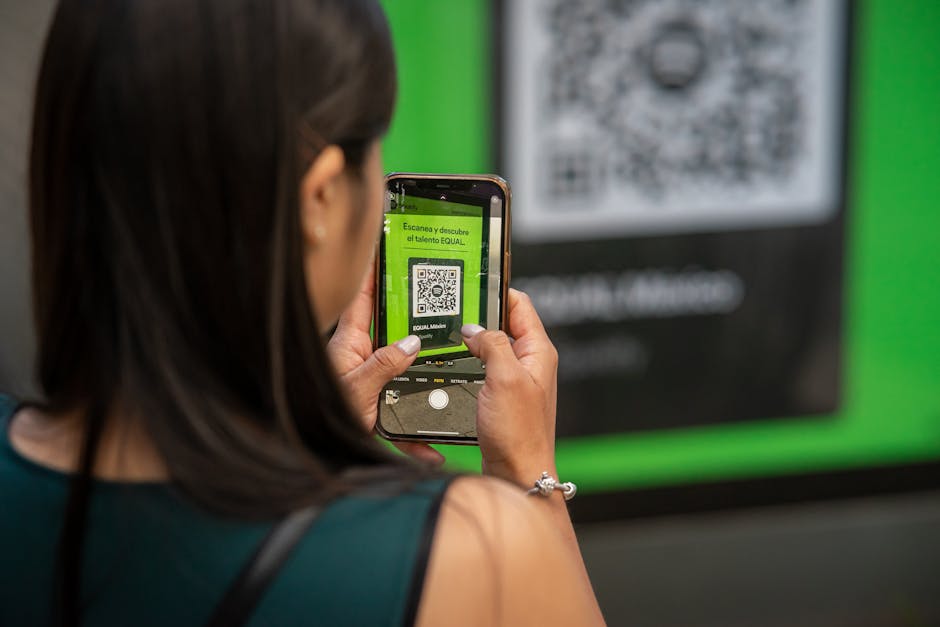
QR code marketing Singapore has evolved far beyond the payment links and SafeEntry check-ins that most people associate with these square barcodes. While Singapore led the way in QR-based payments through PayNow and SGQR, forward-thinking businesses are now using QR codes as powerful marketing tools that connect physical experiences with digital engagement.
Singapore is uniquely positioned for QR code marketing success. The population is tech-savvy, smartphone penetration exceeds 90%, and consumers are already trained to scan QR codes as part of daily life. This removes the biggest barrier that marketers in other countries face — getting people comfortable with scanning.
The opportunity lies in using this familiar behaviour for marketing purposes. Instead of just processing payments, QR codes can deliver product information, unlock exclusive content, drive social media engagement, collect customer data and create interactive brand experiences. This makes them a valuable tool within any digital marketing strategy.
Creative QR Code Marketing Applications
The most innovative Singapore brands are finding creative ways to use QR codes that add genuine value for customers rather than simply redirecting to a website.
Interactive product storytelling transforms packaging into an engagement channel. A food brand can place a QR code on its packaging that links to a video showing how the product is made, the story behind the recipe or recipe ideas using the product. This adds value while building brand connection.
Exclusive content unlocking creates a sense of reward for scanning. Fashion retailers can use QR codes on clothing tags that unlock styling guides, care instructions in video format or access to limited-edition digital lookbooks. The physical product becomes a key that opens digital experiences.
Gamification through QR codes turns passive marketing into active engagement. Scatter QR codes across different locations — your store, your packaging, partner venues — and reward customers who collect scans with discounts, loyalty points or prizes. This encourages repeat engagement and cross-location visits.
Instant feedback collection replaces lengthy survey processes. A QR code on a receipt or table tent that links to a short three-question survey captures customer sentiment while the experience is still fresh. The response rates are significantly higher than email-based surveys sent hours or days later.
Augmented reality (AR) experiences triggered by QR codes create memorable brand interactions. Furniture retailers can let customers scan a QR code to see how a piece would look in their home, while beauty brands can offer virtual try-on experiences. These applications drive engagement and reduce purchase hesitation.
Industry-Specific Use Cases
Different industries in Singapore can leverage QR code marketing in ways that align with their specific customer journeys and business objectives.
In retail, QR codes on shelf displays can link to detailed product comparisons, customer reviews and video demonstrations. This brings the rich information of online shopping into the physical store environment, helping customers make confident purchase decisions without needing to consult a sales associate. This supports a comprehensive O2O retail strategy that connects your physical and online presence.
For F&B businesses, QR codes extend beyond digital menus. Restaurants can use them to share chef profiles, ingredient sourcing stories, wine pairing recommendations and cooking class sign-ups. Cafes can link to Spotify playlists that match their ambience, creating a shareable brand touchpoint.
Real estate agencies can place QR codes on property signage that link to virtual tours, floor plans, neighbourhood guides and mortgage calculators. This captures the interest of passers-by and converts casual curiosity into qualified leads.
Healthcare and wellness businesses can use QR codes in waiting rooms to link to educational content, appointment booking systems, patient portals and wellness resources. This transforms wait time into engagement time.
Event organisers can deploy QR codes for networking (linking to speaker LinkedIn profiles), content access (presentation downloads), feedback collection and sponsor engagement. Each scan generates data that proves event ROI to stakeholders.
Design and Placement Best Practices
The effectiveness of QR code marketing depends heavily on design and placement decisions. Getting these right can dramatically improve scan rates.
Size matters more than most marketers realise. A QR code should be at least 2cm x 2cm for close-range scanning (packaging, business cards) and proportionally larger for distance scanning. A QR code on a poster meant to be scanned from two metres away should be at least 10cm x 10cm. When in doubt, go larger.
Always include a clear call to action next to the QR code. “Scan me” is not enough. Tell people what they will get: “Scan for 15% off your next order”, “Scan to watch the behind-the-scenes video” or “Scan for your free style guide”. The value proposition drives scanning behaviour.
Contrast is essential for reliable scanning. While branded QR codes with custom colours can look attractive, ensure there is sufficient contrast between the code and its background. Dark modules on a light background work best. Avoid placing QR codes on busy or reflective surfaces.
Consider the scanning context. QR codes on moving vehicles, in dimly lit environments or behind glass barriers will have lower scan rates. Place codes where customers can comfortably hold their phone steady for one to two seconds without obstruction.
Branded QR codes that incorporate your logo or brand colours can increase scan rates by making the code feel intentional rather than generic. Most QR code generators offer customisation options, but always test the branded code across multiple devices before printing.
Ensure the destination is mobile-optimised. Every QR code scan will come from a mobile device, so the landing page must load quickly and display perfectly on smartphones. Work with your web design team to create dedicated mobile-first landing pages for QR campaigns.
Tracking and Analytics for QR Campaigns
One of the biggest advantages of QR code marketing over traditional offline advertising is measurability. With the right setup, you can track detailed engagement data for every campaign.
Dynamic QR codes are essential for marketing purposes. Unlike static QR codes that contain a fixed URL, dynamic codes redirect through a tracking server that records scan data before forwarding to the destination. This means you can change the destination URL without reprinting the code, and you get detailed analytics on every scan.
Key metrics to track include total scans, unique scans (individual devices), scan location, time and day patterns, device type and operating system, and conversion actions taken after scanning. This data helps you optimise placement, timing and content for future campaigns.
Integrate QR code data with your broader analytics. Use UTM parameters in your QR code URLs so that scans appear in Google Analytics alongside your other traffic sources. This allows you to compare QR code campaign performance against SEO, paid ads and social media within a single dashboard.
A/B testing with QR codes is straightforward. Create two versions of the same physical asset with different QR codes pointing to different landing pages, distribute them evenly, and compare results. This is one of the few ways to A/B test offline marketing with digital precision.
Set up conversion tracking beyond the initial scan. A scan is just the beginning — track what users do after they land on your page. Do they sign up, make a purchase, download content or share with others? This downstream data determines the true ROI of your QR code marketing investment.
Tools and Platforms for QR Code Marketing
Choosing the right QR code platform affects your tracking capabilities, design options and scalability. Here are categories of tools to consider.
Dedicated QR code platforms like QR Code Generator, Beaconstac and Uniqode offer comprehensive features including dynamic codes, analytics dashboards, bulk generation, custom design templates and integrations with marketing tools. These are ideal for businesses running multiple QR campaigns simultaneously.
URL shorteners with QR features like Bitly and Rebrandly provide basic QR code generation alongside link shortening. They offer adequate tracking for simple campaigns and are a good starting point for businesses new to QR marketing.
Marketing automation platforms increasingly include QR code functionality. HubSpot, Mailchimp and similar tools can generate QR codes that feed directly into your CRM and automation workflows, triggering follow-up sequences when codes are scanned.
For businesses that need to generate QR codes at scale — such as unique codes for each product unit or personalised codes for direct mail — enterprise platforms with API access allow programmatic generation of thousands of tracked QR codes.
Whichever platform you choose, ensure it supports dynamic codes, provides adequate analytics, allows custom branding and integrates with your existing marketing technology stack. The best QR code marketing results come from tools that connect to your broader content marketing ecosystem.
Future Trends for QR Marketing in Singapore
QR code marketing in Singapore continues to evolve as technology advances and consumer expectations grow. Several trends will shape the future of this channel.
Integration with augmented reality will become more common as AR technology matures. QR codes will serve as triggers for immersive brand experiences that overlay digital content onto the physical world, creating phygital marketing experiences that blur the line between online and offline.
Personalised QR experiences powered by AI will deliver different content based on the user’s profile, location, time of day or previous interactions. A returning customer scanning the same QR code might see a loyalty reward, while a new customer sees a welcome offer.
Voice-activated alternatives and visual search may eventually complement or partially replace QR codes, but for the foreseeable future, QR codes remain the most practical and widely adopted bridge between physical and digital in Singapore.
Sustainability-driven applications will grow as brands use QR codes to communicate environmental credentials, share supply chain transparency data and reduce the need for printed materials. A single QR code on packaging can replace pages of printed information.
As Singapore continues to build its Smart Nation infrastructure, QR codes will play an increasingly central role in connecting physical infrastructure with digital services. Businesses that master QR code marketing now will be well-positioned to capitalise on these developments as part of an integrated marketing campaign.
Frequently Asked Questions
Are QR codes still effective for marketing in Singapore?
Yes, QR codes are more effective than ever in Singapore. The widespread adoption driven by payment systems and government initiatives means that scanning QR codes is now a habitual behaviour for most Singaporeans. This familiarity eliminates the adoption barrier and makes QR codes a reliable marketing channel.
How much does a QR code marketing campaign cost?
Basic QR code generation is free using many online tools. For dynamic QR codes with tracking and analytics, platforms typically charge SGD 10-50 per month. The main costs are in creating the physical materials (printing, signage) and the digital destinations (landing pages, content). A complete campaign might range from SGD 500 for a simple promotion to SGD 10,000 or more for an extensive multi-location campaign.
What is the difference between static and dynamic QR codes?
Static QR codes encode a fixed URL directly in the code pattern and cannot be changed once printed. Dynamic QR codes redirect through a server, allowing you to change the destination URL, track scan analytics and add features like password protection or expiry dates. For marketing purposes, always use dynamic QR codes.
How do I increase QR code scan rates?
Include a compelling call to action that tells people what they will get by scanning. Make the code large enough for the scanning distance. Ensure high contrast between the code and background. Place codes at eye level and in locations where people have time to scan. Offer immediate value such as a discount, exclusive content or useful information.
Can I track who scans my QR codes?
Dynamic QR codes track aggregate data including total scans, unique devices, location, time and device type. To identify individual users, the QR code must link to a page where the user voluntarily provides their information through a form, sign-up or login. Always comply with Singapore’s PDPA when collecting personal data through QR code campaigns.
What should a QR code link to for best results?
Link to a dedicated, mobile-optimised landing page that delivers on the promise made in your call to action. This could be a special offer page, an exclusive content piece, a product demonstration video, a booking form or a competition entry. Never link to your generic homepage — the experience should feel tailored and valuable.
How do QR codes fit into a broader marketing strategy?
QR codes serve as connectors between offline and online marketing channels. They should be part of a broader offline-to-online marketing strategy where physical touchpoints drive digital engagement. The data captured through QR scans feeds into your CRM, informs your paid advertising targeting and enhances your understanding of the customer journey across all channels.
Can QR codes work for B2B marketing in Singapore?
Absolutely. B2B applications include linking business cards to digital portfolios, adding QR codes to trade show materials for brochure downloads, placing codes on product samples that link to technical specifications, and using them in direct mail campaigns to drive recipients to personalised landing pages. The tracking data is particularly valuable for B2B sales attribution.


