
Marketing for Marina Bay Businesses: Reach Tourists and Professionals
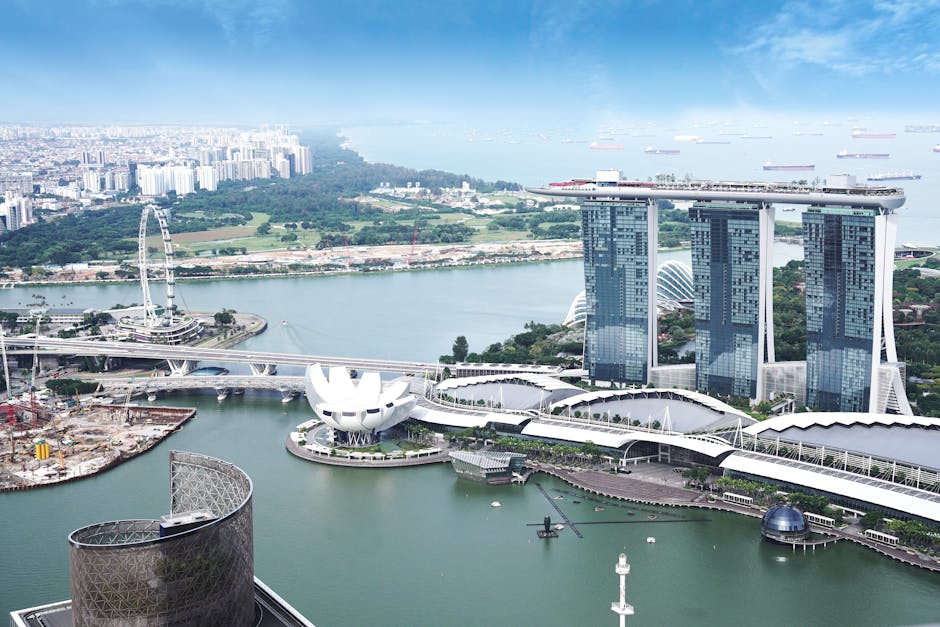
Marina Bay is Singapore’s most iconic waterfront precinct, combining world-class attractions with a thriving commercial hub. Marina Bay Sands alone draws over 45 million visitors annually, while Gardens by the Bay, the ArtScience Museum, and the Merlion Park collectively make this district the most visited area in the country. For businesses operating here, the opportunity is extraordinary — but so is the competition for attention.
The Marina Bay audience is a unique blend of international tourists, MICE (Meetings, Incentives, Conferences, and Exhibitions) delegates, luxury consumers, and corporate professionals working in the Marina Bay Financial Centre towers. A single day might see a family of tourists from Australia photographing the Supertree Grove, a convention of 5,000 tech executives at Sands Expo, a group of bankers lunching at The Shoppes, and couples enjoying fine dining along the waterfront. Each segment requires a distinct marketing approach.
This guide covers the digital marketing strategies that work for businesses in the Marina Bay precinct in 2026 — from luxury positioning and tourist outreach to MICE marketing and Google Maps visibility. Whether you run a restaurant overlooking the bay, a retail store in The Shoppes, a tour operation, or a professional service firm, these strategies will help you capture your share of Marina Bay’s massive foot traffic.
Marina Bay Audience Segments and Customer Profiles
Marina Bay attracts a more diverse and international audience than almost any other district in Singapore. Understanding these segments is critical for effective marketing.
International tourists are the largest segment. Visitors from China, Indonesia, India, Australia, and Europe flock to Marina Bay as a must-see destination. They typically research online before arriving, relying heavily on Google Maps, TripAdvisor, travel blogs, and social media content. Their spending patterns vary widely — budget travellers photograph the free attractions while luxury tourists dine at celebrity chef restaurants and shop at The Shoppes at Marina Bay Sands.
MICE delegates and business travellers represent a high-value segment. Sands Expo and Convention Centre hosts major international events throughout the year, bringing thousands of professionals who combine business with leisure. These delegates often have corporate expense accounts, dine at premium restaurants, and look for experiences to fill their evenings. They discover businesses through hotel concierge recommendations, event apps, and Google Maps searches.
Domestic visitors and staycationers visit Marina Bay for special occasions — birthdays, anniversaries, and family outings. They are familiar with the area and search for new experiences, seasonal events, and dining options that justify the trip. Local Singaporeans also frequent Marina Bay for fitness activities along the waterfront, visiting Gardens by the Bay, and enjoying the weekend night market scene.
Corporate professionals working in Marina Bay Financial Centre, Marina One, and Asia Square form a reliable weekday audience. Like the broader CBD crowd, they seek convenient lunch options, after-work dining, and professional services within walking distance. Their needs mirror the CBD segment but with a premium positioning expectation consistent with the Marina Bay environment.
Google Maps and Local SEO for Marina Bay Businesses
Tourists navigating an unfamiliar district rely almost exclusively on Google Maps. Ranking well in local search results is the most impactful marketing investment a Marina Bay business can make.
Optimise your Google Business Profile for tourist searches. Include comprehensive information: high-quality photos (updated seasonally), virtual tours if possible, accurate directions from the nearest MRT station (Bayfront or Marina Bay), and detailed descriptions that mention proximity to landmarks. A restaurant near the ArtScience Museum should include “5-minute walk from ArtScience Museum” in its description.
Pursue reviews aggressively and in multiple languages. Tourist-heavy businesses benefit enormously from reviews in Chinese, Japanese, Korean, Indonesian, and Hindi. Encourage international guests to leave reviews by providing multilingual review cards or QR codes at the point of service. Google displays reviews in the searcher’s language preference, so a Chinese-language review directly influences the next Chinese tourist searching for your business.
Target location-specific keywords in your SEO strategy. Optimise for searches that tourists actually perform: “restaurant near Marina Bay Sands,” “things to do Gardens by the Bay,” “best bar waterfront Singapore,” and “shopping near Bayfront MRT.” Create dedicated landing pages for each relevant keyword cluster to maximise your organic search presence.
Keep your Google Business Profile updated with seasonal content. Post about current exhibitions, seasonal menus, special events, and limited-time offers. During major events at Sands Expo, post content welcoming delegates and highlighting relevant services. Active profiles receive significantly more visibility in Google’s local results.
Tourist Marketing: Reaching Visitors Before and During Their Trip
The most effective tourist marketing begins weeks before visitors arrive in Singapore and continues throughout their stay. A multi-touchpoint approach ensures your business captures both planners and spontaneous visitors.
Run multilingual Google Ads campaigns targeting trip planners. Create search campaigns in English, Mandarin, Bahasa Indonesia, Japanese, and Korean targeting terms like “Marina Bay restaurant recommendation,” “Singapore waterfront dining,” and “things to do near MBS.” Target these ads to users in key source markets — China, Indonesia, Japan, Australia, and India — who are actively planning Singapore trips.
Establish a presence on key travel platforms. TripAdvisor, Klook, KKday, GetYourGuide, and Google Travel are the primary platforms tourists use to discover experiences. Ensure your business has complete, compelling listings with professional photos and competitive pricing. Respond to all reviews on these platforms, as review responsiveness influences ranking algorithms.
Partner with travel influencers and content creators. Invite travel bloggers and social media creators to experience your business in exchange for content. A single popular YouTube video or Instagram Reel featuring your restaurant with the Marina Bay skyline in the background can generate thousands of bookings. Prioritise creators whose audiences match your target tourist demographics.
Use proximity-based mobile advertising. When tourists are physically in the Marina Bay area, serve them ads through Google Display Network, Facebook, and Instagram with location targeting set to a one-kilometre radius. Messages like “You’re 200 metres from Singapore’s highest-rated waterfront cocktail bar” create immediate action from visitors already exploring the area.
MICE Tourism and Convention Marketing
Marina Bay’s role as a premier MICE destination creates a distinct marketing opportunity. Convention delegates are captive audiences with leisure time to fill and expense budgets to spend.
Identify upcoming events at Sands Expo and target attendees. Monitor the Sands Expo event calendar and create targeted campaigns around major conventions. If a medical technology conference is scheduled, a nearby restaurant could run Google Ads targeting “dinner near Sands Expo” during the event dates. A wellness spa might offer “conference recovery packages” promoted through LinkedIn ads targeting the event’s attendee profile.
Create corporate group packages. MICE delegates often dine and socialise in groups. Restaurants should offer set menus for tables of 8 to 12, with easy online booking for corporate organisers. Experience providers should offer group rates and team-building packages. Promote these through LinkedIn, email outreach to event organisers, and partnerships with hotel concierge teams.
Use LinkedIn to reach MICE decision-makers. Event organisers, corporate travel managers, and executive assistants are the gatekeepers who decide where delegates eat, stay, and play. Target these professionals with social media advertising on LinkedIn, offering venue tours, tasting menus, and corporate event packages.
Advertise in conference apps and digital programmes. Many large conventions use event apps where sponsors can place advertisements. A well-placed ad in the “Nearby Restaurants” or “Local Experiences” section of a conference app reaches a highly targeted, high-spending audience at the perfect moment.
Luxury Brand Positioning in the Marina Bay Precinct
Marina Bay is synonymous with luxury in Singapore. The integrated resort, celebrity chef restaurants, high-end retail at The Shoppes, and the waterfront setting establish a premium expectation that businesses must meet in their marketing.
Your website design must reflect luxury standards. Marina Bay businesses are judged against the polish of MBS itself. Your website should feature cinematic imagery, clean typography, fast loading times, and seamless mobile functionality. Video backgrounds showcasing the Marina Bay skyline, animated transitions, and professional photography are baseline expectations for luxury-positioned businesses in this precinct.
Content marketing should emphasise exclusivity and experience. Rather than promoting prices or discounts, focus on the uniqueness of the experience. Describe the view, the provenance of ingredients, the craftsmanship of products, or the expertise of your team. Content marketing for luxury Marina Bay businesses should read like editorial journalism, not sales copy.
Leverage the Marina Bay backdrop in all visual content. The skyline is one of the most recognisable in the world. Every photo, video, and social media post should incorporate the waterfront, the Supertrees, the Marina Bay Sands rooftop, or the city lights where possible. This visual association instantly communicates premium positioning to both local and international audiences.
Implement a VIP and loyalty programme. High-spending customers at Marina Bay businesses expect recognition and exclusivity. Create a digital loyalty programme that offers priority reservations, members-only events, early access to new collections, and personalised communications. Use email marketing automation to deliver these experiences at scale without losing the personal touch.
Social Media Strategies for Marina Bay’s Visual Appeal
Marina Bay is arguably the most photographed location in Singapore, making it a goldmine for social media marketing. Every business in the precinct benefits from the area’s inherent visual appeal.
Instagram is the dominant platform for Marina Bay discovery. Create a consistent visual identity that incorporates the waterfront setting. Use location tags for Marina Bay, Gardens by the Bay, Marina Bay Sands, and the specific venue. Post during golden hour (around 18:30 to 19:15 in Singapore) when the bay’s lighting is most dramatic and engagement rates peak.
Encourage user-generated content with branded hashtags. Create a unique hashtag for your business and encourage guests to use it. Feature the best user-generated content on your own channels, creating a virtuous cycle of organic promotion. A restaurant might use a hashtag that combines its name with “MarinaBay” to associate the brand with the location.
Create Reels and TikTok content that showcases the view. Short-form video content performing well on Marina Bay includes time-lapses of the light show, behind-the-scenes kitchen footage with the skyline visible, cocktail-making videos at waterfront bars, and drone-style establishment shots. The visual spectacle of Marina Bay provides a natural hook that boosts engagement and shareability.
Run Instagram and Facebook ads with waterfront creative. Ads featuring the Marina Bay skyline consistently outperform generic creative in click-through rates. Use carousel ads showing multiple angles of your business with the bay in the background. Target tourists planning Singapore trips, local couples looking for special occasion venues, and corporate professionals seeking premium dining options.
Paid Advertising for Hotels, Attractions, and Experiences
Marina Bay’s hospitality and attractions sector is fiercely competitive. Paid advertising must be strategic, well-targeted, and continuously optimised to deliver returns.
Google Hotel Ads for accommodation providers. Hotels in the Marina Bay area should use Google Hotel Ads, which display rates and availability directly in Google Search and Maps. This format captures travellers at the moment of decision, with pricing transparency that drives direct bookings and reduces dependency on online travel agencies.
Performance Max campaigns for experience providers. Tour operators, attraction ticket sellers, and experience providers benefit from Google’s Performance Max format, which distributes ads across Search, Display, YouTube, Discover, and Maps. Upload compelling creative — particularly video content featuring Marina Bay — set your target return on ad spend, and let the algorithm find high-intent audiences.
Facebook and Instagram conversion campaigns for bookings. Use conversion-optimised campaigns with a booking pixel installed on your reservation system. Target travellers in key markets who have shown interest in Singapore travel content. Retarget website visitors who viewed your offerings but did not complete a booking with reminder ads featuring the Marina Bay experience they explored.
YouTube pre-roll ads for awareness. For larger Marina Bay businesses with brand-building budgets, YouTube pre-roll ads shown before Singapore travel videos reach millions of potential visitors. Create a 15-second version of your best Marina Bay footage with a clear call to action. Target viewers watching Singapore travel vlogs, hotel reviews, and “things to do in Singapore” content.
Partnerships and Cross-Promotion with Marina Bay Landmarks
Marina Bay’s concentration of major attractions creates natural partnership opportunities that smaller businesses can leverage for visibility.
Partner with Gardens by the Bay for visitor referrals. Gardens by the Bay attracts over 10 million visitors annually. Explore partnership opportunities such as discount vouchers distributed at the garden’s ticketing counters, cross-promotion in their digital newsletters, or joint social media campaigns during seasonal events like the Mid-Autumn Festival lantern display.
Collaborate with Marina Bay Sands on dining and retail promotions. MBS regularly curates dining guides, shopping events, and lifestyle content for their guests. Position your business as a recommended venue through their concierge programme, in-room digital channels, and resort-wide promotional materials.
Join the Marina Bay Alliance or precinct-level marketing initiatives. District-level marketing bodies coordinate seasonal campaigns, wayfinding initiatives, and collective advertising that benefit all businesses in the precinct. Active participation in these initiatives increases your visibility and connects you with other businesses for cross-promotional opportunities.
Create combined experience packages. Partner with complementary businesses to offer bundled experiences: a dinner-and-show package combining your restaurant with a performance at the Esplanade, a shop-and-spa package linking retail therapy with wellness, or a sunset cruise followed by waterfront dining. Market these packages through email marketing and your website as curated Marina Bay experiences.
Frequently Asked Questions
What is the best way to market a restaurant in the Marina Bay area?
Optimise your Google Business Profile with professional photos showing the waterfront view, collect reviews consistently (especially from international visitors), and run Google Ads targeting location-specific searches like “restaurant near Marina Bay Sands.” Use Instagram to showcase your food and setting, and list your restaurant on TripAdvisor and Klook to reach inbound tourists.
How can small businesses in Marina Bay compete with major attractions?
Leverage the foot traffic that major attractions generate rather than competing with them. Partner with Gardens by the Bay, ArtScience Museum, and MBS for cross-promotional opportunities. Focus on local SEO to capture “near me” searches from visitors already in the area. Offer unique experiences that complement rather than replicate what the major attractions provide.
How do I reach MICE delegates visiting Marina Bay?
Monitor the Sands Expo event calendar and create targeted Google Ads and LinkedIn campaigns during major conventions. Offer corporate group packages and promote them through event apps, hotel concierge partnerships, and LinkedIn advertising targeting event organisers and attendees. Time your campaigns to coincide with specific events.
Is Instagram or TikTok more effective for Marina Bay businesses?
Instagram is currently more effective for Marina Bay businesses due to its strong alignment with luxury and lifestyle positioning. The platform’s visual focus perfectly suits the waterfront setting. TikTok works well for experience-based businesses targeting younger tourists who discover destinations through short-form video. Most Marina Bay businesses should prioritise Instagram while maintaining a TikTok presence.
How much should Marina Bay businesses budget for digital marketing?
Given the premium positioning and higher customer lifetime values in Marina Bay, businesses should budget 10 to 15 per cent of gross revenue for marketing. A mid-sized restaurant might spend $5,000 to $12,000 monthly across Google Ads, social media advertising, SEO, and content creation. Experience providers and hotels often invest more during peak tourism seasons.
What languages should I target in my Marina Bay marketing campaigns?
English is the primary language, but multilingual campaigns significantly expand your reach. Prioritise Mandarin Chinese (Singapore’s largest tourist source market), followed by Bahasa Indonesia, Japanese, and Korean. Create Google Ads campaigns and Google Business Profile content in these languages. Ensure your website offers at least English and Mandarin versions for maximum tourist accessibility.


 English
  Chinese
  Malay
Malay  Korean