
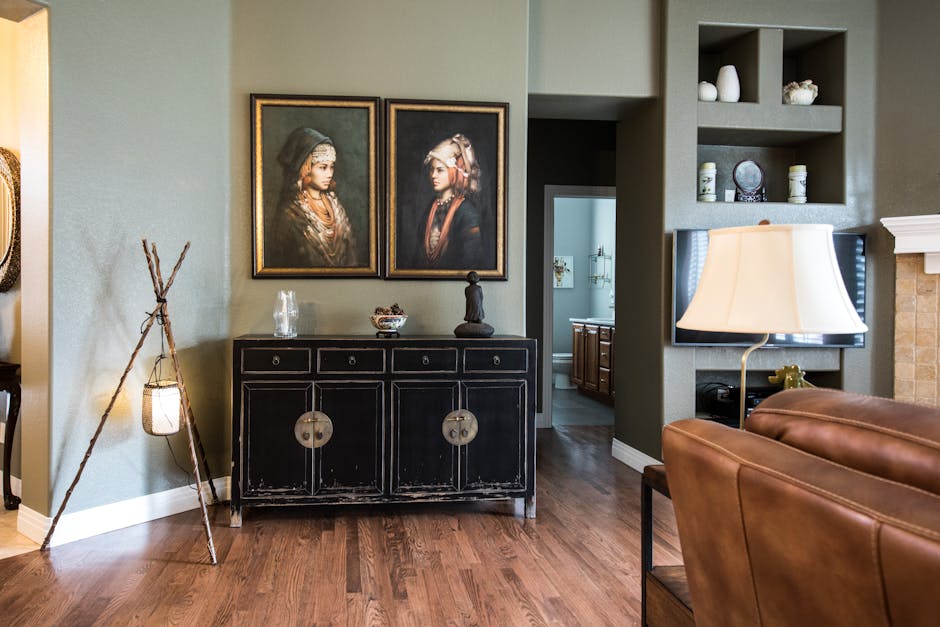
Marketing for Interior Design: Portfolio Showcase and Lead Generation in Singapore
Interior design is one of the most visually driven industries in Singapore, yet many talented firms struggle to attract consistent leads. The market is competitive — hundreds of ID firms compete for homeowners renovating HDB flats, condominiums, and landed properties, alongside commercial fit-out projects. Talent alone does not win clients. Visibility, credibility, and a structured marketing system do.
The firms that thrive are the ones that treat marketing as a core business function rather than an afterthought. They invest in portfolio presentation, content that addresses real homeowner concerns, and digital channels that generate enquiries on autopilot. This guide covers the strategies that work for interior design firms in Singapore’s specific market context.
Why Interior Design Firms Struggle with Marketing
Most interior design firms are founded by designers, not marketers. The principals are skilled at spatial planning, material selection, and project management — but they often lack the time, knowledge, or inclination to build marketing systems. This leads to several common problems:
- Inconsistent lead flow — Firms rely on word-of-mouth referrals, which are valuable but unpredictable. A quiet quarter can create serious cash flow pressure.
- Outdated or underperforming websites — Many ID firm websites look like they were built five years ago. Slow loading times, poor mobile experience, and buried portfolio images undermine credibility.
- Social media without strategy — Posting project photos occasionally without a content plan, consistent aesthetic, or engagement strategy generates minimal results.
- Price-driven competition — Without clear brand differentiation, firms end up competing on price against renovation contractors, which erodes margins and attracts the wrong clients.
A structured approach to digital marketing addresses each of these challenges systematically. The goal is to build a marketing engine that generates qualified leads consistently, allowing the firm to be selective about the projects it takes on.
Building a Portfolio Website That Converts
Your website is your most important marketing asset. For interior design firms, it serves as both a portfolio showcase and a lead generation tool. A beautifully designed website that fails to generate enquiries is a missed opportunity.
Here is what an effective interior design website needs:
Portfolio with project storytelling. Do not just upload a gallery of photographs. Each project should have its own dedicated page featuring before-and-after comparisons, the design brief and challenges, material choices and their rationale, and a narrative arc that shows your design thinking. Potential clients want to see your process, not just the finished result.
Clear service descriptions. Define what you offer — residential design, commercial fit-out, design consultation, project management — with enough detail that visitors understand your scope. Include information about your process, typical timelines, and what clients can expect at each stage.
Prominent calls to action. Every page should make it easy for visitors to take the next step. Include consultation booking forms, WhatsApp buttons, and phone numbers in visible positions. The call to action should match the visitor’s intent: a portfolio page might offer “Discuss your project,” while a blog post might offer “Download our renovation guide.”
Mobile-first design. The majority of homeowners researching interior designers in Singapore do so on their phones. Your website must load quickly, display portfolio images beautifully, and provide a frictionless enquiry experience on mobile devices.
Social proof integration. Feature client testimonials, Google review ratings, and awards or media mentions prominently. For interior design, video testimonials from satisfied homeowners are particularly powerful because they convey genuine emotion and satisfaction.
Fast loading speeds. Portfolio websites are inherently image-heavy. Compress images appropriately, use modern formats like WebP, implement lazy loading, and ensure your hosting can handle traffic spikes from viral social media posts or media features.
Instagram Strategy for Interior Designers
Instagram is the primary discovery platform for interior design in Singapore. Homeowners searching for renovation inspiration, design styles, and ID firms spend significant time on the platform. Your Instagram presence needs to work harder than a casual project photo dump.
Effective social media strategy for interior designers includes:
Consistent visual identity. Develop a cohesive grid aesthetic that reflects your design style. If your firm specialises in Scandinavian-inspired interiors, your feed should communicate that through colour palette, composition, and styling. Inconsistent visual quality confuses your audience about your design capabilities.
Project reveal sequences. Build anticipation for completed projects by releasing content in stages: teaser shots during construction, detail reveals, room-by-room walkthroughs, and a final comprehensive Reel showing the full transformation. This approach maximises content from each project and creates ongoing engagement.
Reels and video content. Short-form video dramatically outperforms static images on Instagram in 2026. Create walkthrough videos of completed projects, time-lapse renovation sequences, material comparison videos, and designer commentary explaining design decisions. Aim for at least two to three Reels per week.
Stories for daily engagement. Use Stories to share works-in-progress, site visits, material sourcing trips, team moments, and quick design tips. Stories maintain top-of-mind awareness between major posts and create a more personal connection with your audience.
Strategic hashtag use. Combine broad hashtags (#interiordesignsingapore, #hdbrenovation) with specific ones (#scandinaviansingapore, #btodesign, #condorenovationsg). Location tags on posts and Stories improve local discoverability.
Read more about platform-specific tactics in our Instagram marketing guide for Singapore.
Houzz and Platform Marketing
Houzz remains a significant platform for interior design firms in Singapore, particularly for reaching homeowners actively planning renovations. Unlike Instagram, where users browse casually, Houzz users are typically further along in their decision-making process and actively seeking professionals.
Optimise your Houzz profile. Complete every section of your profile, including service areas, specialisations, typical project budgets, and a compelling firm description. Upload high-quality project photos organised into ideabooks by room type, style, and property type (HDB, condo, landed).
Collect Houzz reviews. Reviews on Houzz carry significant weight with platform users. After completing each project, send clients a direct link to leave a Houzz review. Respond to every review — positive or negative — with professionalism and specifics.
Answer community questions. Houzz has discussion forums where homeowners ask renovation and design questions. Providing helpful, detailed answers positions your firm as an authority and drives profile views. Focus on questions related to Singapore-specific topics: HDB renovation permits, condo renovation rules, and local material recommendations.
Other platforms to consider. Qanvast is widely used by Singaporean homeowners comparing ID firms. Ensure your profile is complete and actively updated. Renovation portal sites such as Hometrust also drive leads, though the quality varies. Evaluate each platform based on the quality of enquiries it generates rather than raw lead volume.
Content Marketing and HDB Renovation Guides
Content marketing is where interior design firms can build a substantial competitive moat. Homeowners in Singapore have specific, practical questions about renovation — and the firms that answer those questions earn trust and organic traffic.
HDB renovation content. Singapore’s unique housing landscape creates content opportunities that international competitors cannot replicate. Write comprehensive guides on topics such as:
- HDB renovation permits and guidelines — what requires approval and what does not
- BTO renovation timelines and budgeting for first-time homeowners
- Resale HDB renovation considerations — hacking walls, upgrading electrical systems, and dealing with older layouts
- HDB kitchen renovation ideas that maximise storage in compact spaces
- Common HDB flat types (3-room, 4-room, 5-room, executive) and design strategies for each
Condominium-specific guides. Cover topics like condo renovation rules and MCST requirements, space-maximising strategies for shoebox units, balcony design ideas for tropical living, and integrated kitchen-dining solutions for open-plan layouts.
Material and trend guides. Write about popular materials in Singapore (sintered stone, vinyl flooring, quartz countertops), comparing durability, cost, and suitability for local climate conditions. Seasonal trend reports covering colour palettes, lighting trends, and emerging design styles attract search traffic and social shares.
Cost guides. Homeowners in Singapore actively search for renovation cost information. Transparent articles about average renovation costs by property type, budget breakdowns, and tips for cost management build trust and attract high-intent traffic. Be specific and honest — vague cost ranges undermine credibility.
Video content. Complement written guides with video walkthroughs, designer commentary, and client interview videos. Video content performs well on both social media and your website, and can be repurposed across multiple channels.
Local SEO and Google Business Profile
When a homeowner searches “interior designer near me” or “ID firm Tampines,” Google displays local pack results before organic listings. Appearing in these results is critical for interior design firms that serve specific geographic areas.
Google Business Profile optimisation. Claim and fully optimise your Google Business Profile. Add your service areas, business hours, high-quality portfolio photos, and a detailed business description. Post regular updates — completed projects, design tips, and promotions — to keep your profile active.
Review generation. Google reviews are the single most influential factor in local pack rankings and consumer decision-making. Implement a systematic review request process: send a personalised email or WhatsApp message after project handover with a direct link to your Google review page. Aim for a steady stream of reviews rather than bulk requests.
Location-specific pages. If your firm serves multiple areas across Singapore, create dedicated pages for each service area. A page targeting “interior design Punggol” with relevant project examples from that area and local knowledge signals relevance to both Google and potential clients.
NAP consistency. Ensure your business name, address, and phone number are identical across your website, Google Business Profile, Houzz, Qanvast, social media profiles, and any directory listings. Inconsistencies confuse search engines and reduce your local search visibility.
Paid Advertising and Lead Generation
Paid advertising fills the gap while organic channels build momentum. For interior design firms, the key is targeting homeowners at the right stage of their renovation journey.
Google Search ads. Target high-intent keywords such as “interior designer Singapore,” “HDB renovation firm,” “condo ID firm,” and “kitchen renovation specialist.” Use ad extensions to highlight portfolio links, free consultation offers, and review ratings. Geographic targeting ensures you reach homeowners in your service areas.
Meta ads for lead generation. Facebook and Instagram ads with lead forms are effective for interior design firms. Show stunning before-and-after transformations and offer a free design consultation or renovation guide in exchange for contact details. Target homeowners by property type, life stage (newly married, new BTO owners), and interests (home décor, renovation).
Retargeting campaigns. Most homeowners visit multiple ID firm websites before making contact. Retargeting ads remind portfolio visitors of your firm and showcase additional projects they may not have seen. A retargeting sequence might show different project styles over several days, culminating in a consultation offer.
Lead qualification. Not every enquiry will be a good fit. Include qualifying questions in your contact forms — property type, approximate budget, expected timeline — to filter leads before investing time in consultations. This ensures your sales effort focuses on prospects most likely to convert.
Lead nurturing. Build an email sequence for leads who are not ready to commit immediately. Share project showcases, renovation tips, and client testimonials over several weeks. Many homeowners take months to select an ID firm, and staying in their inbox during this period increases your chances of being chosen.
Social Proof and Review Management
In an industry where trust is everything, social proof separates firms that close consultations from those that lose prospects to competitors. Singaporean homeowners are diligent researchers — they check Google reviews, read Houzz testimonials, and ask for recommendations in Facebook groups and forums like HardwareZone.
Systematic review collection. Do not leave reviews to chance. Build a formal process where every completed project results in a review request. Make it easy — send a direct link via WhatsApp immediately after the defects liability period, when satisfaction is highest.
Case studies with measurable outcomes. Go beyond simple before-and-after photos. Create detailed case studies that cover the client’s brief, design challenges, solutions implemented, budget management, and the client’s satisfaction. Include specific details: “Transformed a 90 sqm 4-room BTO into an open-concept Japandi-inspired home within a $65,000 budget.”
Media features and awards. Submit your best projects to design publications, awards programmes, and media outlets. Features in publications like SquareRooms, Home & Decor, or The Business Times add third-party validation. Display media logos and award badges on your website.
Community engagement. Participate in renovation forums and Facebook groups where homeowners discuss their projects. Provide genuinely helpful advice without overt self-promotion. This builds reputation organically and generates referrals from community members who recognise your expertise.
Frequently Asked Questions
How much should an interior design firm spend on marketing?
Interior design firms in Singapore typically allocate 8 to 15 per cent of revenue to marketing, with newer firms investing at the higher end to build visibility. Divide your budget between foundational investments (website, portfolio photography, SEO) and ongoing campaigns (paid advertising, social media content). Prioritise channels that generate qualified leads over those that generate vanity metrics.
Which social media platform is best for interior designers in Singapore?
Instagram is the most effective platform for interior design marketing due to its visual format and strong adoption among Singaporean homeowners researching renovation ideas. However, a presence on Houzz and Qanvast is also important because users on these platforms have higher purchase intent. Use Instagram for brand awareness and inspiration, and industry platforms for direct lead generation.
How can interior design firms generate leads from their website?
Effective lead generation requires a combination of strong portfolio presentation, clear calls to action, and multiple contact options (forms, WhatsApp, phone). Complement this with content marketing that attracts organic traffic — renovation guides, cost breakdowns, and design inspiration — and retargeting campaigns that bring back visitors who did not enquire on their first visit.
Should interior design firms invest in SEO or paid advertising first?
Start with paid advertising for immediate lead flow while investing in SEO simultaneously. Google Search ads targeting high-intent keywords like “interior designer Singapore” can generate enquiries within days. SEO takes three to six months to gain traction but delivers compounding returns over time. The ideal approach runs both in parallel, gradually shifting budget toward organic channels as rankings improve.
How do interior design firms differentiate themselves in a crowded market?
Differentiation comes from specialisation and storytelling. Focus on a specific niche — whether that is a design style (Scandinavian, Japandi, industrial), property type (HDB, landed, commercial), or client segment (young couples, luxury homeowners). Then communicate that specialism consistently through your portfolio, content, and brand messaging. Firms that try to be everything to everyone struggle to stand out.



 English
  Chinese
  Malay
Malay  Korean