Lifecycle Marketing Guide: How to Engage Customers from First Click to Loyal Advocate
Table of Contents
- What Is Lifecycle Marketing and Why It Matters
- The Six Stages of the Customer Lifecycle
- Mapping Channels and Tactics to Each Stage
- Building a Lifecycle Marketing Framework for Singapore Businesses
- Automation, Tools and Tech Stack Essentials
- Measuring Success: KPIs for Every Lifecycle Stage
- Common Mistakes That Derail Lifecycle Campaigns
- Frequently Asked Questions
What Is Lifecycle Marketing and Why It Matters
Most Singapore businesses pour money into acquiring new customers while neglecting the people who already know them. A lifecycle marketing guide flips that thinking on its head: instead of treating every interaction as a one-off campaign, you design a connected series of touchpoints that guide a prospect from initial awareness all the way through to repeat purchase and brand advocacy.
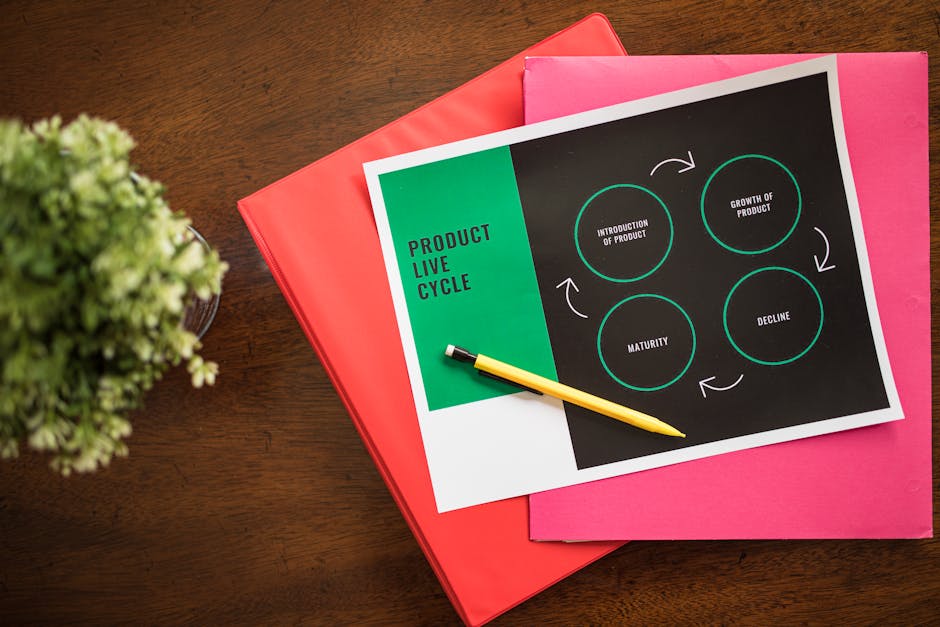
The concept is straightforward. Every customer moves through predictable stages—discovery, consideration, purchase, retention, loyalty and advocacy. At each stage, their needs differ, and so should the messages they receive. A first-time visitor to your website needs education and trust signals. A customer who bought once needs onboarding and a reason to come back. A loyal repeat buyer needs recognition and a referral programme.
For Singapore’s market, lifecycle marketing is especially valuable. The city-state’s consumer base is digitally savvy, multicultural and accustomed to high service standards. Competing purely on price is rarely sustainable. Businesses that invest in a thoughtful lifecycle approach—personalised emails, targeted Google Ads remarketing, tailored social content—consistently see higher customer lifetime value and lower acquisition costs over time.
The Six Stages of the Customer Lifecycle
While different frameworks break the lifecycle into varying numbers of phases, six stages cover the full journey effectively.
1. Awareness. The customer first learns your brand exists. This might happen through an organic search result, a social media post, a paid ad or a friend’s recommendation. Your goal is to make a strong first impression and earn attention.
2. Consideration. The customer actively evaluates whether your product or service solves their problem. They compare alternatives, read reviews, visit your pricing page and perhaps download a lead magnet. Content marketing, SEO-driven blog posts and retargeting ads are crucial here.
3. Purchase. The customer converts. For e-commerce, this is a completed order. For service businesses, it could be a signed contract or a booked consultation. The experience at this stage—checkout flow, payment options, confirmation messaging—sets the tone for everything that follows.
4. Retention. After the first purchase, your job is to deliver on promises and keep the customer engaged. Onboarding sequences, product education, proactive customer service and timely follow-ups all matter. In Singapore, where consumers have abundant choices, a poor post-purchase experience sends them straight to a competitor.
5. Loyalty. Retained customers who continue buying and engaging become loyal. They choose you by default, not just by chance. Loyalty programmes, exclusive offers, early access to new products and personalised recommendations strengthen this bond.
6. Advocacy. Loyal customers become advocates. They leave positive reviews, refer friends, share your content on social media and defend your brand in conversations. Advocacy is the most valuable stage because it generates new awareness at virtually zero cost.
Mapping Channels and Tactics to Each Stage
A practical lifecycle marketing guide must connect each stage to specific channels and actions. Here is how Singapore businesses can approach this mapping.
During the awareness stage, focus on top-of-funnel channels: search engine optimisation, social media marketing, influencer partnerships, content marketing and paid search or display advertising. The content should be educational and non-salesy—think how-to guides, industry reports and short-form video.
At the consideration stage, shift to mid-funnel tactics. Email nurture sequences triggered by lead magnet downloads work well. Retargeting ads that address specific objections or highlight case studies keep you top of mind. Comparison pages, customer testimonials and detailed service pages help prospects evaluate you against competitors.
The purchase stage requires seamless user experience. Ensure your website design supports fast, friction-free checkout. Offer popular Singapore payment methods like PayNow, GrabPay and credit cards. Send immediate order confirmation and set clear delivery expectations.
For retention, email remains the workhorse. Automated onboarding sequences, usage tips, satisfaction surveys and win-back campaigns for lapsed customers should all be part of your playbook. SMS and WhatsApp Business messages are particularly effective in Singapore, where mobile usage rates exceed 90 per cent.
Loyalty programmes, VIP tiers, birthday rewards and personalised product recommendations drive the loyalty stage. Finally, advocacy is fuelled by referral programmes, review request campaigns, user-generated content initiatives and community building.
Building a Lifecycle Marketing Framework for Singapore Businesses
To move from theory to practice, follow these steps to build your framework.
Step 1: Audit your current customer journey. Map out every touchpoint a customer experiences today, from the first ad they see to the last email they receive. Identify gaps—stages where communication drops off or messaging feels generic.
Step 2: Define your ideal customer profiles. Singapore’s market is diverse. A lifecycle strategy for a B2B SaaS company targeting SMEs looks very different from one designed for a D2C beauty brand targeting young professionals. Clarify who you are speaking to at each stage.
Step 3: Set stage-specific goals. Awareness might be measured by impressions and website traffic. Consideration by email sign-ups and content engagement. Purchase by conversion rate. Retention by repeat purchase rate. Loyalty by Net Promoter Score. Advocacy by referral volume.
Step 4: Build content and campaigns for each stage. Create a content calendar that serves every lifecycle stage, not just the top of funnel. Many Singapore businesses over-invest in awareness content while neglecting post-purchase communication.
Step 5: Implement automation. Manual lifecycle marketing is unsustainable. Use marketing automation tools to trigger the right message at the right time based on customer behaviour. This is where your digital marketing strategy truly scales.
Step 6: Test, measure and optimise. Lifecycle marketing is never finished. Run A/B tests on subject lines, offers and timing. Review performance data monthly and refine your approach.
Automation, Tools and Tech Stack Essentials
Automation is the engine that makes lifecycle marketing work at scale. Without it, you are relying on manual effort that breaks down as your customer base grows.
At a minimum, you need an email marketing platform with automation capabilities. Tools like Klaviyo, ActiveCampaign, HubSpot and Mailchimp all offer workflow builders that trigger emails based on user actions—page visits, form submissions, purchases, inactivity and more.
For e-commerce businesses in Singapore, integrating your email platform with your online store (Shopify, WooCommerce or custom) is essential. This enables purchase-triggered flows: order confirmations, shipping updates, review requests, cross-sell recommendations and replenishment reminders.
Customer data platforms (CDPs) like Segment or RudderStack help unify data across channels, giving you a single view of each customer’s lifecycle stage. This powers more sophisticated personalisation—serving different website content, ad creative and email messaging based on where someone sits in the journey.
CRM systems matter too, especially for B2B companies. Salesforce, HubSpot CRM or Zoho CRM allow your sales and marketing teams to share lifecycle data, ensuring handoffs between stages are smooth rather than jarring.
Finally, analytics tools—Google Analytics 4, Mixpanel or Amplitude—help you track movement through lifecycle stages and identify where customers stall or drop off.
Measuring Success: KPIs for Every Lifecycle Stage
A lifecycle marketing guide is incomplete without clear metrics. Here are the KPIs that matter most at each stage.
Awareness: website traffic, impressions, reach, branded search volume, cost per thousand impressions (CPM). These tell you whether your top-of-funnel efforts are generating visibility.
Consideration: email subscribers, lead magnet downloads, blog engagement (time on page, scroll depth), retargeting click-through rates, cost per lead. These indicate whether prospects are engaging deeply enough to move forward.
Purchase: conversion rate, average order value, cart abandonment rate, cost per acquisition. For service businesses, track consultation bookings and proposal-to-close ratios.
Retention: repeat purchase rate, customer churn rate, time between purchases, email open and click rates for post-purchase campaigns, customer satisfaction scores.
Loyalty: customer lifetime value (CLV), loyalty programme participation rate, Net Promoter Score, share of wallet.
Advocacy: referral programme sign-ups, referral conversion rate, online review volume and sentiment, social media mentions, user-generated content submissions.
Track these monthly. Over time, you will see which stages are strong and which need investment. In Singapore’s competitive landscape, the businesses that measure and act on lifecycle data consistently outperform those relying on gut instinct.
Common Mistakes That Derail Lifecycle Campaigns
Even well-intentioned lifecycle programmes fail when businesses make avoidable errors. Here are the most common ones seen among Singapore companies.
Treating all customers the same. Sending identical emails to a first-time visitor and a five-year loyal customer is a wasted opportunity. Segment your audience by lifecycle stage and tailor messaging accordingly.
Over-investing in acquisition, under-investing in retention. Acquiring a new customer costs five to seven times more than retaining an existing one. If your marketing budget is 90 per cent acquisition and 10 per cent retention, your lifecycle approach is unbalanced.
Ignoring the post-purchase experience. The moment after a customer buys is the moment they are most attentive to your brand. Silence at this stage—no onboarding, no follow-up, no check-in—erodes trust quickly.
Setting up automations and forgetting them. Automated workflows need regular review. Offers expire, links break, branding evolves and customer expectations shift. Audit your automation flows quarterly.
Lacking cross-channel consistency. If your email says one thing, your social media says another and your website says something else entirely, the customer experience feels fragmented. Align messaging across all channels at every lifecycle stage. Consider reading our guide on cross-channel marketing strategy for deeper insight.
Not collecting feedback. Customers will tell you what is working and what is not—if you ask. Surveys, reviews and direct conversations should feed back into your lifecycle strategy continuously.
Frequently Asked Questions
What is lifecycle marketing?
Lifecycle marketing is a strategy that delivers targeted messages and experiences to customers based on where they are in their journey with your brand—from first awareness through to loyal advocacy. It ensures that communication is relevant, timely and designed to move the customer to the next stage.
How does lifecycle marketing differ from traditional campaign marketing?
Traditional campaign marketing focuses on individual promotions or launches. Lifecycle marketing takes a holistic, ongoing view of the customer relationship, coordinating multiple touchpoints across the entire journey rather than treating each campaign in isolation.
Is lifecycle marketing only for e-commerce businesses?
No. While e-commerce businesses benefit from clear transactional triggers, lifecycle marketing applies equally to service businesses, B2B companies, SaaS platforms and even non-profits. Any organisation with a customer journey can benefit from structuring communication around lifecycle stages.
What tools do I need to start lifecycle marketing in Singapore?
At a minimum, you need an email marketing platform with automation features (such as Klaviyo, ActiveCampaign or Mailchimp), a CRM or customer database and web analytics (Google Analytics 4). As you mature, consider adding a customer data platform and more advanced personalisation tools.
How long does it take to see results from lifecycle marketing?
Expect three to six months before lifecycle campaigns generate measurable improvements in retention and customer lifetime value. Awareness and acquisition campaigns may show results sooner, while loyalty and advocacy programmes take longer to build momentum.
What is the most important lifecycle stage for Singapore SMEs?
Retention is often the highest-impact stage for SMEs because it directly affects profitability. Acquiring customers in Singapore’s competitive market is expensive, so keeping existing customers engaged and buying delivers the best return on investment.
How do I segment customers by lifecycle stage?
Use behavioural data: website visits indicate awareness, email engagement signals consideration, completed purchases mark conversion, repeat purchases indicate retention and referrals or reviews signal advocacy. Most marketing automation platforms allow you to tag and segment based on these behaviours.
Can lifecycle marketing work with a small budget?
Yes. Start with email automation, which is the most cost-effective lifecycle channel. Build a welcome series, a post-purchase sequence and a win-back campaign. These three workflows alone can significantly improve retention without requiring a large investment.
How often should I review my lifecycle marketing strategy?
Conduct a full review quarterly and monitor key metrics monthly. Automation workflows should be audited at least every three months to ensure content, offers and links remain current and effective.
What is the biggest mistake companies make with lifecycle marketing?
The biggest mistake is building awareness-stage campaigns while completely neglecting post-purchase communication. Many Singapore businesses spend heavily on ads to attract new customers but invest almost nothing in keeping those customers engaged after the first transaction.