
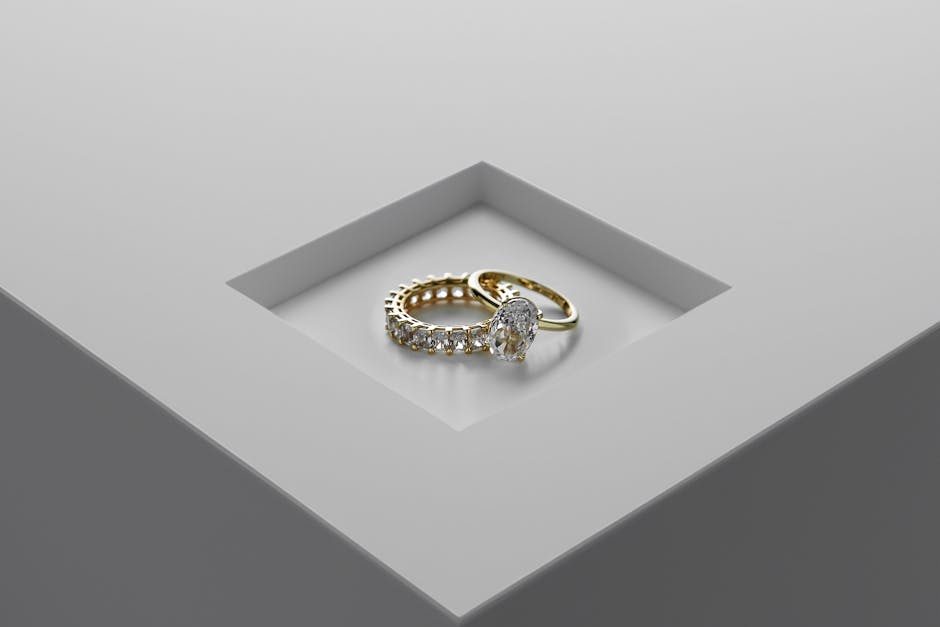
Jewellery Marketing in Singapore: Strategies for Luxury and Bridal Brands
Singapore’s jewellery market is a unique blend of tradition and modernity. The city-state has a deep cultural affinity with gold and precious gems — from Chinese wedding traditions involving si dian jin (four items of gold) to Indian jewellery customs for Deepavali and weddings, and Malay bridal sets for nikah ceremonies. At the same time, Singapore’s affluent, style-conscious consumers are drawn to contemporary fine jewellery, designer brands and custom pieces that express personal identity. This intersection of cultural significance and modern luxury makes jewellery marketing in Singapore both richly rewarding and distinctly complex.
The jewellery industry faces marketing challenges unlike most other retail categories. Purchase cycles are long — a consumer may research engagement rings for months before buying. Price points are high, making trust and credibility essential. The product is deeply emotional — jewellery purchases are tied to milestones, relationships and self-expression. And competition ranges from heritage brands like Poh Heng and Lee Hwa to international luxury houses like Tiffany and Cartier, alongside a growing wave of direct-to-consumer fine jewellery brands selling through Instagram and Shopify.
This guide provides a practical marketing framework for jewellery businesses in Singapore — from luxury brand positioning and Google Ads campaigns targeting bridal keywords to Instagram visual strategies and event marketing at wedding fairs. Whether you are a heritage jeweller or an emerging DTC brand, these strategies will help you reach the right customers at the right moments in their purchasing journey.
Luxury Positioning and Brand Strategy
Jewellery marketing begins with positioning. How you position your brand determines everything — your pricing, your visual identity, your channels, your messaging and the customers you attract. In Singapore’s market, positioning typically falls into one of several tiers, each requiring a distinct marketing approach.
Positioning Tiers in Singapore
- Heritage and traditional: Brands like Poh Heng, Lee Hwa and Goldheart that emphasise trust, tradition and cultural significance. Marketing focuses on familial values, craftsmanship heritage and auspicious occasions. These brands have strong offline presence and loyal multigenerational customers
- Luxury and prestige: International luxury brands and high-end local jewellers competing on exclusivity, design and brand cachet. Marketing emphasises aspiration, status and exceptional craftsmanship. Pricing is premium and rarely discounted
- Contemporary fine jewellery: Modern DTC brands offering designed pieces at accessible price points (SGD 200 to SGD 2,000). Marketing focuses on self-expression, everyday luxury and modern aesthetics. These brands are typically Instagram-native and digitally focused
- Fashion jewellery: Trendy, affordable pieces positioned as accessories. Marketing is volume-driven, trend-responsive and heavily social-media-dependent
Brand Identity Elements
Regardless of positioning tier, jewellery brands must invest in consistent brand identity elements:
- Visual identity: Luxury jewellery marketing demands exceptional photography and design. Invest in professional product photography with consistent lighting, backgrounds and styling. Your visual identity should be instantly recognisable across all channels
- Tone of voice: Define whether your brand voice is classic and refined, modern and playful, artisan and intimate, or bold and contemporary. Consistency in copywriting across website, social media, emails and advertising builds brand recognition
- Packaging and unboxing: For jewellery, packaging is part of the product experience. Luxurious packaging — quality boxes, tissue paper, branded bags, handwritten cards — creates shareable moments that generate organic social media content
Our web design services include luxury e-commerce website development for jewellery brands that need their digital presence to match their in-store experience.
Instagram and Visual Marketing
Instagram is the primary digital platform for jewellery marketing in Singapore. The visual nature of the platform aligns perfectly with jewellery’s aesthetic appeal, and Instagram’s shopping features enable direct purchase from content. For fine jewellery brands, Instagram serves as both a virtual showroom and a brand-building platform.
Photography and Content Strategy
Jewellery photography requires specialised skills — capturing sparkle, detail and beauty on a small object is technically demanding. Invest in:
- Product photography: Clean, detailed shots on neutral backgrounds. Use macro photography to showcase craftsmanship details — stone settings, engraving, clasp mechanisms. Multiple angles and close-ups build confidence in online purchasers who cannot physically examine the piece
- Lifestyle photography: Jewellery worn in context — hands holding a coffee cup with a ring prominently visible, necklaces styled with a brunch outfit, earrings catching light during a sunset at Marina Bay. These images sell the emotion and aspiration, not just the product
- Video content: Short videos showing how light plays across diamonds, how a bracelet moves on a wrist, how a necklace looks from different angles. Video addresses the biggest barrier in online jewellery sales — the inability to see how a piece looks in real life
- User-generated content: Encourage customers to share photos wearing their purchases. Repost customer content (with permission) to build social proof and community
Instagram Shopping and Conversion
Enable Instagram Shopping to reduce the path from discovery to purchase:
- Tag products in every relevant post, Reel and Story
- Create shoppable collections — “Bridal Collection,” “Everyday Essentials,” “Gift Ideas Under $500”
- Use the “Shop” tab on your profile to curate a browseable catalogue
- Run Instagram Shopping ads that display product images with pricing directly in the ad unit
Our social media marketing services include Instagram strategy and management for luxury and lifestyle brands in Singapore.
Google Ads for Jewellery and Bridal Keywords
Google Ads captures high-intent searchers — consumers who are actively looking for jewellery, often for a specific occasion. For jewellery brands, Google Search campaigns targeting bridal and engagement keywords are among the highest-converting advertising investments.
Bridal and Engagement Keyword Strategy
Bridal jewellery searches represent the highest-value customer segment. Structure campaigns around the bridal journey:
- Research phase: “engagement ring guide Singapore,” “how to choose a diamond ring,” “diamond 4Cs explained,” “lab grown diamonds vs natural.” Target with informational content and brand awareness ads
- Shopping phase: “engagement rings Singapore,” “diamond ring price Singapore,” “solitaire engagement ring,” “proposal ring under $5000.” Target with Shopping ads and search ads highlighting your range and pricing
- Brand comparison: “Tiffany vs local jeweller Singapore,” “best jewellery shops Orchard Road,” “[competitor name] reviews.” Target with brand differentiation messaging
- Cultural occasions: “si dian jin Singapore,” “wedding gold jewellery set,” “wedding bangles Singapore,” “thali chain Singapore.” These culturally specific keywords have strong purchase intent and often lower competition
Google Shopping for Jewellery
Google Shopping ads display your products with images and prices directly in search results. For jewellery, this is particularly powerful because consumers make initial selection decisions based on visual appeal and price range:
- Use professional white-background product photos that showcase each piece clearly
- Include detailed product attributes in your feed — metal type, stone type, carat weight, certification
- Segment campaigns by product category and price tier to control bids based on margin
- Implement local inventory ads if you have a physical showroom, showing nearby shoppers that the piece is available to view in-store
Budget and Performance Benchmarks
Jewellery keywords in Singapore are competitive. Expected CPCs:
- Engagement rings: SGD 5 to SGD 18 per click
- Wedding jewellery: SGD 3 to SGD 12 per click
- Fine jewellery (general): SGD 2 to SGD 8 per click
- Cultural jewellery: SGD 1 to SGD 5 per click
Given average order values of SGD 500 to SGD 5,000+, even expensive clicks can deliver strong ROAS. A monthly budget of SGD 3,000 to SGD 8,000 is typical for a mid-sized jewellery business in Singapore. Our Google Ads management includes jewellery-specific campaign strategies optimised for high-value conversions.
SEO and Content Marketing for Jewellers
Jewellery purchases involve significant research. Consumers spend weeks or months reading about diamond quality, comparing styles, understanding pricing and looking for trustworthy retailers. SEO and content marketing position your brand as a trusted authority throughout this research phase.
Content Topics That Drive Traffic and Trust
- Educational guides: “The Complete Guide to Buying an Engagement Ring in Singapore,” “Lab-Grown vs Natural Diamonds: What Singapore Buyers Should Know,” “Understanding Gold Purity: 916, 750 and 585 Explained.” These comprehensive guides rank for high-volume informational keywords and build trust
- Cultural content: “Si Dian Jin Guide: Choosing Wedding Gold for Your Chinese Wedding,” “Thali Chain Traditions and Modern Designs,” “Jewellery Traditions in Malay Weddings.” Culturally specific content is under-served in SEO and resonates deeply with Singapore’s diverse population
- Gift guides: “Anniversary Gift Guide: Jewellery by Year,” “Birthday Jewellery Gifts for Her Under $500,” “Mother’s Day Jewellery Ideas Singapore.” Gift-related content captures purchase-intent traffic during key occasions
- Trend content: “Jewellery Trends 2026: What Singapore Is Wearing,” “Minimalist Jewellery: The Trend That Will Not Fade.” Trend content attracts fashion-conscious consumers and earns social shares
- Care and maintenance: “How to Clean Diamond Jewellery at Home,” “Storing Gold Jewellery in Singapore’s Humidity.” Practical content serves existing customers and ranks for maintenance-related searches
Product Page SEO
Each product page should be optimised as a landing page in its own right:
- Unique, detailed product descriptions (not manufacturer copy) including materials, dimensions, weight and care instructions
- Product schema markup for rich results showing price, availability and reviews
- High-quality images with descriptive alt text
- Customer reviews and ratings displayed on-page
- Related products and “complete the look” suggestions for internal linking
Our content marketing services help jewellery brands develop SEO-driven content strategies that build authority and drive qualified organic traffic.
Influencer Marketing for Jewellery
Influencer marketing for jewellery requires a different approach from fashion or beauty. Jewellery is intimate, personal and often associated with significant life moments. The best influencer partnerships feel like genuine recommendations rather than sponsored promotions.
Influencer Selection for Jewellery Brands
- Lifestyle alignment: Choose influencers whose lifestyle and aesthetic genuinely match your brand positioning. A luxury brand should partner with influencers known for refined taste, not volume content creators
- Life milestone moments: Partner with influencers during their engagements, weddings, anniversaries or other milestone moments. Content featuring your jewellery during genuine life events is exponentially more authentic and engaging than staged product shots
- Niche over reach: A fashion or bridal influencer with 10,000 highly engaged followers who genuinely loves jewellery will outperform a lifestyle influencer with 100,000 followers who has no particular connection to the category
- Long-term relationships: Jewellery brands benefit more from ongoing ambassador relationships than one-off posts. A follower seeing an influencer consistently wearing your pieces over months builds far more credibility than a single sponsored post
Content Formats
Effective influencer content for jewellery includes:
- Unboxing and first impression videos — the emotional reaction to opening a jewellery box is powerful content
- “Day in my life” featuring the jewellery worn naturally throughout the day
- Styling videos showing how to layer necklaces, stack rings or match pieces with outfits
- Proposal and engagement stories (for bridal brands)
- Close-up detail shots highlighting craftsmanship and sparkle
Event Marketing and Wedding Fairs
Despite the dominance of digital marketing, in-person events remain critically important for jewellery brands. Consumers want to see, touch and try on jewellery before making significant purchases. Wedding fairs and bridal shows in Singapore are particularly valuable for jewellery brands targeting the bridal market.
Wedding Fair Strategy
Singapore hosts several major wedding fairs annually, including Blissful Brides and Brides The Show. Maximise your investment:
- Pre-event marketing: Announce your participation across email, social media and Google Ads. Offer exclusive fair-only promotions to drive foot traffic to your booth. Target ads to users who have recently engaged with bridal content or visited wedding-related websites
- Booth experience: Design your booth to reflect your brand identity. Invest in professional lighting — jewellery looks dramatically different under fluorescent fair lights compared to jewellery-specific lighting. Offer private consultation areas for engagement ring discussions
- Lead capture: Collect contact information from every visitor. Use a tablet-based sign-up offering a gift with purchase, styling guide download or priority appointment booking. Follow up within 24 hours
- Social media activation: Create Instagrammable moments at your booth — a ring try-on station with flattering lighting and a branded backdrop encourages visitors to share content organically
Trunk Shows and Private Events
For luxury and fine jewellery brands, intimate events create a high-conversion environment:
- Host private viewing events for VIP customers and their friends — the personal invitation creates exclusivity and social obligation
- Partner with complementary brands — champagne brands, luxury hotels, fashion designers — for co-hosted events that reach new audiences
- Designer meet-and-greet events allow customers to learn about the design process and craftsmanship directly, building emotional connection and justifying premium pricing
- Anniversary and milestone celebration events for existing customers — recognising their purchase anniversaries strengthens loyalty and generates repeat business
Heritage Storytelling and Brand Narrative
Jewellery is one of the few product categories where brand heritage and storytelling directly influence willingness to pay. A ring is a ring — but a ring from a jeweller with three generations of craftsmanship, a compelling founding story and deep cultural roots is worth significantly more in the consumer’s mind.
Elements of Jewellery Brand Storytelling
- Founding story: How and why the brand was created. For heritage brands, this may span decades. For new brands, the founder’s personal journey and inspiration are equally compelling. What problem were you solving? What passion drove you?
- Craftsmanship narrative: Show the process — from design sketch to wax model to casting to stone setting to final polish. Each step represents skill, care and time that justifies the price. Behind-the-scenes content of artisans at work is among the highest-performing content for jewellery brands on social media
- Material sourcing: Where do your diamonds come from? Is your gold ethically sourced? Do you use conflict-free gems? Transparency about sourcing builds trust and differentiates your brand from competitors who cannot or will not share this information
- Cultural connection: Singapore’s multicultural identity creates opportunities for storytelling that connects jewellery to cultural traditions. Collections inspired by Peranakan motifs, Chinese auspicious symbols, Indian temple jewellery or Malay bridal traditions resonate on both emotional and cultural levels
- Customer stories: With permission, share the stories behind purchases — the proposal, the milestone anniversary, the self-purchase celebrating a personal achievement. These stories transform your products from objects into vessels of meaning
Distributing Brand Stories
Integrate storytelling across all marketing channels:
- Website “About” and “Our Story” pages — these are among the most visited pages on jewellery websites
- Social media series — “Making Of” video series, founder Q&A sessions, artisan spotlight posts
- Email campaigns — brand story sequences for new subscribers, anniversary emails referencing the customer’s own story with your brand
- Blog content — detailed articles about your craft, materials and design philosophy, optimised for SEO
- In-store experience — ensure your physical space tells the same story as your digital presence
Frequently Asked Questions
How much should a jewellery brand spend on digital marketing in Singapore?
Marketing budgets for jewellery brands in Singapore typically range from 10 to 20 per cent of revenue. For a jewellery business generating SGD 50,000 per month, this means SGD 5,000 to SGD 10,000 in monthly marketing spend. Allocate approximately 35 per cent to Google Ads (high-intent search and Shopping campaigns), 25 per cent to social media advertising (Instagram and Facebook), 15 per cent to SEO and content marketing, 15 per cent to influencer partnerships and 10 per cent to email marketing and events. Bridal-focused jewellers should weight more heavily toward Google Ads, as bridal searches have the highest purchase intent.
Is e-commerce viable for fine jewellery in Singapore?
Yes, increasingly so. While consumers still prefer to see and try on high-value pieces in person, online research drives the majority of purchase decisions. Many fine jewellery purchases now follow an online-to-offline journey — the customer discovers and researches online, then visits the showroom to make the final purchase. Offering virtual try-on technology, detailed product videos, and a seamless online-to-offline experience (online reservation for in-store viewing) bridges the gap. For pieces under SGD 1,000, fully online purchases are increasingly common, particularly among younger consumers.
What social media platform is best for jewellery marketing?
Instagram is the primary platform for jewellery marketing due to its visual nature, shopping features and demographic alignment with luxury purchasers. Pinterest is underused but highly effective for jewellery — users actively search for engagement ring inspiration, wedding jewellery ideas and gift ideas. TikTok is growing in relevance for reaching younger consumers and generating viral content. Facebook remains useful for retargeting and reaching older demographics. Focus your energy on Instagram first, then expand to other platforms based on where your specific audience is most active.
How do I market jewellery during non-peak seasons?
Jewellery demand peaks around Chinese New Year, wedding season, Valentine’s Day, Mother’s Day and Christmas. During quieter periods, focus on self-purchase messaging (“Treat yourself”), everyday jewellery positioning, custom design services and brand-building content. Launch mid-season collections or capsule collaborations to create marketing moments outside peak periods. Use quieter months to invest in SEO and content marketing that will compound during peak seasons. Loyalty programmes and exclusive previews for existing customers also drive off-peak revenue.
Should jewellery brands sell on Shopee or Lazada?
For fashion jewellery brands (pieces under SGD 200), marketplace presence can drive significant volume. For fine jewellery, marketplace selling risks brand dilution — the discount-driven, price-comparison environment of Shopee does not align with luxury positioning. If you choose to list on marketplaces, use the LazMall or Shopee Mall programmes for verified brand status, maintain premium pricing, and invest in your brand shop experience to differentiate from generic sellers. Never discount fine jewellery on marketplaces — this permanently damages price perception.
How important are Google reviews for a jewellery business?
Extremely important. Jewellery is a high-trust, high-value purchase, and consumers rely heavily on reviews to validate their choice of retailer. A Google Business Profile with 100+ reviews and a 4.8+ rating provides a significant competitive advantage in local search results and consumer trust. Encourage reviews after positive purchase experiences — particularly after milestones like proposals and weddings, when customers are emotionally positive. Respond to every review thoughtfully and personally. For a jewellery business, each review represents a customer who trusted you with a significant moment in their life — acknowledge that.


 English
  Chinese
  Malay
Malay  Korean