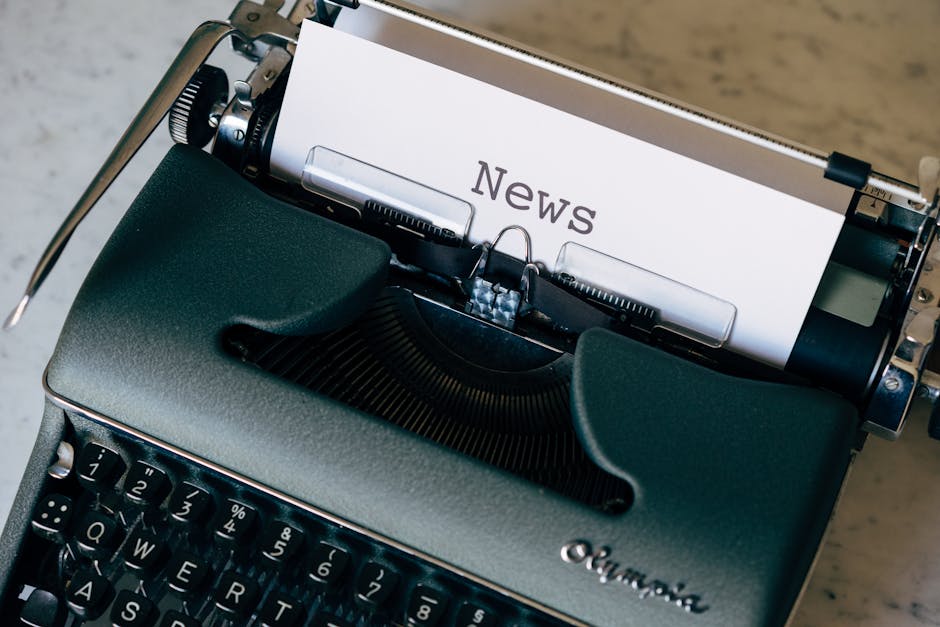
How to Write a Press Release That Gets Media Coverage
Every day, journalists in Singapore receive hundreds of press releases. The vast majority end up in the digital bin within seconds of being opened. If your press releases consistently fail to generate media coverage, the problem almost certainly lies in how they are written, structured, or distributed. Understanding how to write a press release that cuts through the noise is one of the most valuable skills any marketer or business owner can develop.
In 2026, the media landscape in Singapore has evolved significantly. With fewer dedicated journalists covering more beats and digital-first publications demanding multimedia assets, the bar for what constitutes a compelling press release has risen considerably. Yet the fundamentals remain the same: a well-crafted press release tells a newsworthy story in a format that makes a journalist’s job easier, not harder.
This guide walks you through the entire process of writing a press release from scratch, covering the essential structure, newsworthiness criteria, Singapore-specific media outlets, distribution channels, and the etiquette that separates amateur pitches from professional communications. Whether you are announcing a product launch, a partnership, or a milestone achievement, these steps will dramatically improve your chances of earning media coverage.
What Makes a Story Newsworthy
Before you write a single word, you need to honestly assess whether your announcement is actually newsworthy. Journalists are not in the business of giving your company free advertising. They are looking for stories that will interest their readers. Understanding the criteria for newsworthiness is the first and most critical step in learning how to write a press release.
The classic newsworthiness criteria include timeliness, impact, proximity, prominence, novelty, and conflict. Your press release should tick at least two or three of these boxes. A Singapore-based fintech startup raising a Series B round ticks timeliness, proximity (for local media), and potentially impact if the funding is significant enough. A routine company anniversary, on the other hand, rarely meets any of these criteria unless paired with a compelling angle.
Ask yourself these questions before proceeding. Is this the first time something like this has happened in your industry? Does it affect a significant number of people? Is there a human interest angle? Does it relate to a trending topic or current event? If you cannot answer yes to at least two of these, consider whether a press release is the right vehicle for your announcement, or whether your story needs a stronger angle.
In the Singapore context, stories that connect to national priorities such as digital transformation, sustainability, workforce development, or regional expansion tend to perform well. Journalists at outlets like The Straits Times and CNA are also drawn to stories with strong data points and local relevance. A global trend is interesting, but a global trend with Singapore-specific data is far more publishable.
The Anatomy of a Press Release
A press release follows a standardised structure that has remained largely unchanged for decades. This structure exists for a reason: it allows journalists to quickly identify the key information and decide whether the story is worth covering. Deviating from this format is one of the fastest ways to get your release ignored.
The standard press release structure consists of the following elements in order: headline, subheadline (optional), dateline, lead paragraph, body paragraphs with quotes, boilerplate, and contact information. Some releases also include a notes-to-editor section for background information, embargo notices, or multimedia asset links.
The release should be written in the third person and follow the inverted pyramid structure used in journalism. This means the most important information comes first, with supporting details and background following in descending order of importance. A journalist should be able to cut your press release from the bottom up and still have a coherent story at any point.
Keep your press release between 400 and 600 words. Anything shorter may lack sufficient detail; anything longer suggests you have not edited ruthlessly enough. Remember, a press release is not the article itself. It is the raw material from which a journalist will craft their own story. Provide the essentials and make yourself available for follow-up questions.
How to Write a Headline That Commands Attention
Your headline is the single most important element of your press release. In many cases, it is all the journalist will read before deciding whether to continue. A weak headline guarantees your release goes unread, regardless of how strong the content beneath it may be.
An effective press release headline is clear, specific, and contains the key news point. It should be written in present tense and active voice. Avoid jargon, buzzwords, and superlatives like “revolutionary” or “world-class.” These signal to journalists that the release is more marketing fluff than genuine news.
Strong headlines include concrete details. Compare these two examples. Weak: “Leading Singapore Company Announces Exciting New Product.” Strong: “Singapore Logistics Startup Raises S$15M to Expand AI-Powered Delivery Network Across Southeast Asia.” The second headline tells the journalist exactly what the story is, who is involved, and why it matters, all in a single line.
Keep your headline under 100 characters if possible. Many email clients and distribution platforms truncate longer headlines, meaning the end of your carefully crafted title may never be seen. If you need to convey additional context, use a subheadline of one to two sentences beneath the main headline.
Test your headline by reading it out loud. Could a newsreader say it naturally? Does it sound like a news story or an advertisement? If it sounds like the latter, rewrite it until it sounds like genuine news. This simple test catches many of the common headline mistakes that plague corporate press releases.
Crafting the Perfect Lead Paragraph
The lead paragraph must answer the five Ws: who, what, when, where, and why. A journalist should be able to write a brief news story using nothing but your headline and lead paragraph. If they cannot, your lead needs work.
Start with the dateline, which includes the city and date. For Singapore-based companies, this would look like: “SINGAPORE, 27 March 2026 —”. Follow this with a single sentence that captures the core news. Then expand with one or two additional sentences that provide essential context.
Your lead paragraph should be no longer than 35 to 40 words for the opening sentence. Journalists are trained to write tight leads, and they expect the same from press releases. A sprawling, clause-heavy opening sentence signals that the writer does not understand the conventions of news writing.
Avoid starting your lead with the company name unless the company itself is the news. Instead, lead with the action or the impact. “A new artificial intelligence platform that reduces customer service response times by 70% has been launched by Singapore-based startup TechCo” is stronger than “TechCo, a Singapore-based startup, has launched a new artificial intelligence platform.”
If your press release supports a broader digital marketing strategy, the lead paragraph is where you establish the news hook that will attract genuine editorial coverage, as opposed to paid placements or advertorial content.
Writing the Body: Quotes, Data, and Context
The body of your press release should expand on the lead with supporting details, arranged in order of decreasing importance. Each paragraph should contain a single idea or piece of information. Short paragraphs of two to three sentences work best.
Include at least one quote from a senior spokesperson, typically the CEO, founder, or relevant department head. The quote should add perspective, opinion, or vision that cannot be conveyed in the factual body text. Avoid quotes that simply restate what has already been said in the body. A good quote sounds like something a real person would actually say, not corporate jargon strung together in a sentence.
Strong quotes express emotion, ambition, or insight. “We are excited to announce this partnership” is weak. “This partnership means 200,000 Singaporean SMEs will be able to access enterprise-grade cybersecurity tools at a fraction of the cost, and that changes the game for our digital economy” is strong. The second quote gives a journalist a usable sound bite that adds genuine value to their story.
Back your claims with data wherever possible. Journalists are increasingly sceptical of unsubstantiated claims, and concrete numbers lend credibility to your story. If your product has been tested, share the results. If you are launching in a growing market, cite the market size from a reputable source. Numbers are the backbone of credible press releases.
Consider including a secondary quote from a partner, customer, or industry expert. This adds a layer of third-party validation that strengthens the story. If you are announcing a partnership, a quote from both parties is standard practice. If you are launching a product, a quote from a beta tester or early customer can be extremely powerful.
Where relevant, tie your announcement to broader industry or market trends. This helps journalists frame your story within a larger narrative that their readers care about. A content marketing approach to your press release means thinking about what context makes your story most compelling and providing that context proactively.
The Boilerplate and Contact Information
The boilerplate is a standard paragraph about your company that appears at the end of every press release. It should be a concise description of who you are, what you do, when you were founded, and any notable achievements or metrics. Think of it as your company’s elevator pitch in paragraph form.
A strong boilerplate for a Singapore company might read: “About [Company Name]: Founded in 2019, [Company Name] is a Singapore-headquartered technology company that provides AI-powered supply chain solutions to more than 500 enterprises across Southeast Asia. Backed by S$25M in venture funding, the company has offices in Singapore, Jakarta, and Bangkok. For more information, visit [website].”
Keep the boilerplate under 100 words and update it quarterly to reflect the latest company milestones. Avoid subjective language like “industry-leading” or “best-in-class” in the boilerplate. Stick to verifiable facts and figures.
Your contact information should include the name, title, email address, and phone number of your media contact. This should be someone who is actually available and responsive, not a generic info@ email address. Journalists work on tight deadlines, and an unanswered query means a missed opportunity. If you work with a PR services agency, include the agency contact as well.
Singapore Media Outlets and How to Reach Them
Understanding the Singapore media landscape is essential for effective press release distribution. The key outlets fall into several categories: mainstream English-language media, business media, trade publications, and digital-native outlets.
The Straits Times remains Singapore’s newspaper of record, with dedicated desks covering business, technology, lifestyle, and Singapore news. Channel NewsAsia (CNA) offers both broadcast and digital coverage and is particularly strong on business and technology stories with a regional angle. TODAY, now a purely digital publication, covers news and lifestyle with a focus on younger readers.
The Business Times is the go-to outlet for corporate and financial news. If your press release involves funding rounds, IPOs, mergers, partnerships, or market expansion, this should be your primary target. Its journalists are financially literate and expect press releases with solid numbers and business context.
Beyond the major outlets, Singapore has a vibrant ecosystem of trade and niche publications. Tech in Asia, e27, and Vulcan Post cover technology and startups. Marketing Interactive and Mumbrella Asia cover the marketing and advertising industry. HardwareZone and Geek Culture cover consumer technology. Identifying the right outlet for your story is just as important as writing the press release itself.
Building relationships with journalists is a long-term investment. Follow them on social media, read their recent articles, and understand what they cover before pitching. A personalised email that references their recent work and explains why your story is relevant to their beat will always outperform a mass-distributed press release sent to a generic newsroom email.
Most Singapore journalists prefer to receive pitches via email. Keep your pitch email concise: a two-to-three sentence summary of the story, why it is relevant to their readers, and the full press release pasted below (not as an attachment). Many newsroom email systems flag attachments, so always paste the full text in the body of the email.
Distribution Channels and Strategies
There are three primary channels for distributing press releases: direct journalist outreach, wire services, and online distribution platforms. Each has its strengths, and the best strategy typically combines two or all three.
Direct outreach is the most effective method for generating quality coverage. Build a targeted media list of 15 to 25 journalists who cover your industry or beat. Personalise each pitch email, explaining why your story is specifically relevant to their readership. This approach requires more effort but yields significantly higher pickup rates than mass distribution.
Wire services such as PR Newswire, Business Wire, and GlobeNewswire distribute your press release to a wide network of media outlets, news aggregators, and databases. In Singapore, PR Newswire has strong distribution through the Asia-Pacific region. Wire distribution is particularly useful for publicly listed companies that need to fulfil regulatory disclosure requirements or for announcements that have broad relevance.
Online distribution platforms such as Newswire and PRLog offer a more affordable alternative to traditional wire services. While the distribution reach is typically narrower, these platforms can provide SEO benefits through backlinks and online visibility. For smaller announcements or companies with limited PR budgets, online distribution combined with targeted journalist outreach can be an effective strategy.
Timing matters significantly in press release distribution. In Singapore, the best days to distribute are Tuesday through Thursday. Avoid Mondays, when journalists are dealing with weekend backlog, and Fridays, when newsrooms are winding down. Send your pitch between 9:00 AM and 11:00 AM SGT for the best open rates. Avoid sending during major news events or public holidays when your story will be drowned out.
Complement your press release distribution with social media amplification. Share the news on your company’s LinkedIn, Twitter, and Facebook pages. Tag relevant journalists and media outlets. A well-timed social media push can amplify coverage and catch the attention of journalists who may have missed your email pitch. For a comprehensive approach, integrate press releases into your broader digital marketing services strategy.
Multimedia Assets That Boost Pickup Rates
In 2026, multimedia assets are no longer optional. Press releases with images receive 1.4 times more views than those without, and releases with video generate even higher engagement. Providing ready-to-use multimedia assets makes a journalist’s job easier and significantly increases the likelihood of coverage.
At minimum, include high-resolution images (at least 300 DPI for print, 1200 pixels wide for digital) of your product, team, or event. Provide these as downloadable links rather than email attachments. Use a service like Google Drive, Dropbox, or a dedicated media kit page on your website to host assets.
For product launches, include product shots from multiple angles, lifestyle images showing the product in use, and headshots of key spokespeople. For corporate announcements, include professional headshots of the executives quoted in the release, company logos in various formats (PNG, SVG, high-res JPEG), and any relevant infographics or data visualisations.
Video assets are increasingly valuable. A 60-to-90-second video summary of your announcement, a product demonstration, or a spokesperson interview can be the difference between coverage and silence. Broadcast outlets in particular require video, and providing broadcast-quality footage dramatically increases your chances of television coverage on outlets like CNA.
Infographics that visualise key data points from your press release are highly shareable and give journalists a visual element for their online articles. If your announcement includes statistics, survey results, or market data, consider investing in a professional infographic that journalists can use directly. This is where video marketing services can complement your PR efforts for maximum impact.
Embargo Etiquette and Journalist Relations
An embargo is an agreement between a source and a journalist that the information provided will not be published until a specified date and time. Embargoes allow you to give journalists advance access to your news so they can prepare their stories, resulting in more thorough and higher-quality coverage at launch.
Use embargoes strategically for major announcements where you want coordinated coverage across multiple outlets. Clearly mark the embargo date and time at the top of your press release: “EMBARGOED UNTIL: [Date], [Time] SGT.” Send embargoed materials three to five business days before the desired publication date to give journalists adequate time to prepare.
Only share embargoed materials with journalists you trust and who have agreed to the embargo terms. An embargo is based on trust, and breaking an embargo can damage relationships with all parties involved. If a journalist does not explicitly agree to the embargo, do not send them the materials.
Be aware that embargoes are voluntary agreements, not legal contracts. In practice, most reputable journalists honour embargoes, but there is always a risk that someone will publish early. Minimise this risk by being selective about who receives embargoed materials and by building strong, trust-based relationships with your key media contacts.
Beyond embargoes, cultivate ongoing relationships with journalists. Share useful industry insights and data even when you do not have a press release to distribute. Respond promptly to journalist queries, even when the story is not about your company. Position yourself as a reliable and knowledgeable source, and journalists will come to you proactively when they need expert commentary.
Common Press Release Mistakes to Avoid
The most common mistake is sending press releases that are not newsworthy. No amount of polished writing will make a journalist care about your routine company update or minor product tweak. Be ruthlessly honest about whether your announcement merits a press release. Sometimes a blog post or social media announcement is the more appropriate channel.
Excessive use of jargon and buzzwords is another frequent problem. Terms like “synergy,” “disruptive,” “cutting-edge,” and “industry-leading” are red flags for journalists. Write in clear, plain English that a general audience can understand. If your grandmother cannot understand your press release, it needs rewriting.
Failing to localise your press release for the Singapore market is a mistake many multinational companies make. If you are distributing in Singapore, include Singapore-specific data points, quote local spokespeople, and explain why the announcement matters to a Singaporean audience. A global press release sent to Singapore media without localisation signals that you do not value the local market.
Sending mass emails to large media lists without personalisation is a surefire way to get ignored or, worse, marked as spam. Take the time to personalise each pitch. Reference the journalist’s recent articles. Explain specifically why your story is relevant to their beat and their readers.
Not including contact information, or including contact details for someone who is unavailable, is surprisingly common. Journalists work on tight deadlines. If they cannot reach you within a few hours of sending a query, they will move on to another story. Ensure your media contact is responsive and authorised to answer questions on behalf of the company.
Finally, neglecting to proofread is a cardinal sin. Typos, grammatical errors, and factual inaccuracies undermine your credibility and suggest carelessness. Have at least two people review every press release before distribution. Check all names, titles, dates, and figures twice. A single error can be the reason a journalist dismisses your release. Consider how your press release fits into your broader content marketing services strategy for maximum impact.
Frequently Asked Questions
How long should a press release be?
A press release should be between 400 and 600 words. This is enough to convey the key information without overwhelming the journalist. If your release exceeds 700 words, you almost certainly need to edit more aggressively. Remember, the press release is a starting point for journalism, not the finished article. Provide the essentials and be available for follow-up questions if a journalist wants more detail.
Should I use a press release distribution service or contact journalists directly?
The most effective approach combines both. Direct journalist outreach to a targeted list of 15 to 25 relevant journalists typically yields the highest quality coverage because of the personalised approach. Wire services and distribution platforms provide broader reach and are useful for regulatory purposes, SEO benefits, and reaching journalists you may not have direct relationships with. For important announcements, use both channels simultaneously.
How do I find the right journalists to contact in Singapore?
Start by reading the publications that cover your industry and noting the bylines of journalists who write about topics relevant to your announcement. Follow these journalists on LinkedIn and Twitter. Use media databases such as Meltwater or Cision to find contact details. Attend industry events where journalists are present. Over time, build a curated media list that you maintain and update regularly.
What is the best day and time to send a press release in Singapore?
Tuesday through Thursday between 9:00 AM and 11:00 AM SGT is generally the optimal window for press release distribution in Singapore. Mondays tend to be busy with weekend backlog, and Fridays see reduced newsroom activity. Avoid distributing during major news events, public holidays, or school holiday periods when newsrooms may be running with reduced staff.
Can I follow up with a journalist after sending a press release?
Yes, a single polite follow-up is acceptable and often necessary. Wait at least 48 hours after your initial pitch before following up. Keep the follow-up email brief: reference your original email, reiterate the key news point, and ask whether they need any additional information. Do not follow up more than once unless the journalist has responded with a specific request. Persistence is appreciated; pestering is not.