Guerrilla Marketing Guide: Creative Tactics for Singapore Businesses in 2026
What Is Guerrilla Marketing
Guerrilla marketing is an unconventional marketing strategy that relies on surprise, creativity, and low-cost tactics to promote a product, service, or brand. The term was coined by Jay Conrad Levinson in his 1984 book and draws its name from guerrilla warfare — small, agile forces using unexpected tactics against larger opponents.
The core philosophy is simple: imagination and energy matter more than budget. Instead of spending millions on television spots or billboard placements, guerrilla marketers create memorable, shareable experiences that generate word-of-mouth buzz and earned media coverage. A well-executed guerrilla campaign can deliver brand awareness that rivals campaigns costing ten or twenty times as much.
In 2026, guerrilla marketing has evolved beyond street-level stunts. It now encompasses digital activations, augmented reality experiences, pop-up events, and social-first content designed to go viral. However, the underlying principle remains the same — disrupt the ordinary, create an emotional reaction, and give people a reason to talk about your brand.
For businesses working with a creative design team, guerrilla tactics offer a way to stand out in cluttered markets where consumers have developed ad blindness to conventional formats.
Why Guerrilla Marketing Works in Singapore
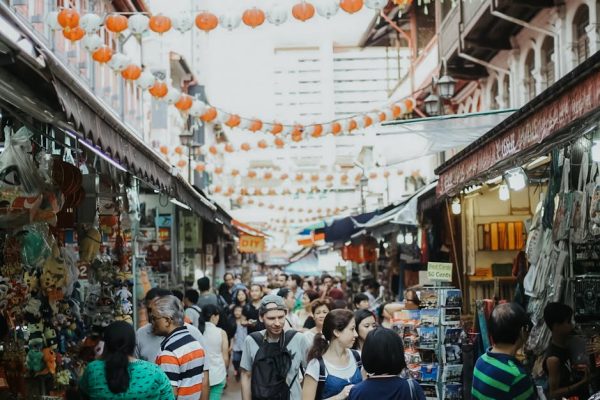
Singapore is a compact, densely populated city-state where foot traffic is concentrated in specific areas — MRT stations, hawker centres, shopping malls, and the CBD. This density is ideal for guerrilla marketing because a single physical activation can reach a disproportionately large audience.
Several factors make Singapore particularly receptive to guerrilla campaigns:
- High smartphone penetration — over 97 per cent of residents carry smartphones, meaning any interesting real-world encounter gets photographed, filmed, and shared within minutes
- Active social media culture — Singaporeans are prolific sharers on Instagram, TikTok, and Xiaohongshu, giving guerrilla activations organic amplification potential
- Multicultural audience — creative campaigns that tap into local culture, Singlish, or shared national experiences resonate deeply and spread rapidly
- Competitive market — with thousands of businesses vying for attention, unconventional approaches cut through the noise more effectively than standard advertising
- Compact geography — a single activation in Orchard Road, Raffles Place, or Bugis can generate nationwide awareness in a market where “nationwide” means five million people within a 50-kilometre radius
The challenge is that Singapore also has strict regulations around public spaces, advertising, and permits. Successful guerrilla marketing here requires creativity within constraints — which, paradoxically, often produces better results than total creative freedom.
Types of Guerrilla Marketing
Guerrilla marketing encompasses several distinct approaches. Understanding these categories helps you choose the right tactic for your brand, budget, and objectives.
Street Marketing
Street marketing involves taking promotional activities into public spaces — pavements, parks, transit areas, and pedestrian zones. This includes live demonstrations, costumed performers, interactive installations, and branded giveaways that create direct engagement with passers-by.
In Singapore, street marketing works particularly well at high-traffic locations such as Orchard Road, Marina Bay, and outside major MRT interchanges. The key is creating something that stops people mid-stride and compels them to interact.
Ambient Advertising
Ambient advertising places brand messages in unexpected locations or transforms everyday objects into advertising vehicles. Think branded escalator handrails, custom manhole covers, or creatively modified bus stops. The surprise of encountering advertising where you least expect it creates a stronger impression than a billboard you walk past every day.
Experiential Marketing
Experiential marketing creates immersive brand experiences that people actively participate in rather than passively observe. Pop-up shops, interactive installations, taste tests, and challenge events all fall under this umbrella. The goal is to create a memory associated with your brand.
Viral and Buzz Marketing
These campaigns are specifically designed to generate social sharing and media coverage. They often involve provocative stunts, mysterious teasers, or content so entertaining that people share it voluntarily. A strong social media marketing strategy is essential for amplifying these campaigns.
Stealth Marketing
Stealth marketing exposes consumers to a brand without them immediately recognising it as advertising. Product placements, influencer seeding, and word-of-mouth programmes fall into this category. This approach requires careful ethical consideration — consumers should eventually understand they are being marketed to.
Projection and Digital Guerrilla
Modern guerrilla marketing increasingly uses technology — building projections, AR filters, QR code treasure hunts, and geo-fenced digital experiences. These blend physical presence with digital interaction and are particularly effective with younger demographics.
Planning a Guerrilla Campaign
Spontaneity is the impression guerrilla marketing creates, not the reality behind it. Successful campaigns require meticulous planning across several dimensions.
Define Your Objective
Guerrilla marketing is strongest for brand awareness, product launches, and creating buzz around events. It is less suited for direct response or lead generation. Be clear about what success looks like before you start. Are you aiming for social media impressions, press coverage, foot traffic to a location, or app downloads?
Know Your Audience Intimately
Guerrilla campaigns that miss their audience are not just ineffective — they can be embarrassing. Research where your target audience spends time, what they find funny or surprising, which platforms they use, and what cultural references resonate with them. A campaign targeting Gen Z professionals in the CBD requires a fundamentally different approach than one targeting families in heartland malls.
Choose the Right Location and Timing
Location is everything in physical guerrilla marketing. You need high foot traffic, the right demographic profile, and a setting that complements your concept. Timing matters equally — lunch hours in the CBD, weekend afternoons at shopping centres, and festival periods all offer different opportunities.
Build in Shareability
Every guerrilla campaign should have a built-in mechanism for social sharing. This could be a photo opportunity, a hashtag, a challenge, or content so remarkable that people instinctively reach for their phones. Without shareability, your campaign reaches only those who physically encounter it.
Plan for Documentation
Have a professional video production team on site to capture the campaign. The documentation often has a longer shelf life and wider reach than the activation itself. A well-edited recap video can generate millions of views long after the physical campaign has ended.
Prepare for Contingencies
Outdoor campaigns face weather, permit issues, negative reactions, and logistical problems. Have backup plans for rain, know the process for handling complaints, and ensure your team can adapt on the fly. The best guerrilla marketers are brilliant improvisers with thorough preparation.
Guerrilla Marketing Tactics for 2026
The guerrilla marketing landscape in 2026 blends physical creativity with digital amplification. Here are tactics that work in today’s environment.
AR-Powered Street Activations
Augmented reality transforms static installations into interactive experiences. Place a physical marker — a branded floor decal, a poster, a sculpture — and let passers-by unlock digital content through their phone cameras. AR filters, games, and animations layered over real-world settings create shareable moments that bridge physical and digital engagement.
Pop-Up Experiences
Short-duration pop-up shops, cafes, or installations create urgency and exclusivity. In Singapore, pop-up spaces are available in malls, co-working areas, and event venues across the island. A three-day pop-up with a strong concept generates more buzz than a permanent presence because scarcity drives interest.
Reverse Graffiti and Clean Advertising
Rather than adding material to surfaces (which requires permits), reverse graffiti involves cleaning brand messages into dirty surfaces using water and stencils. This technically involves removing dirt rather than placing advertising, occupying a legal grey area. It works well on pavements and walls in high-traffic areas.
Flash Mobs and Live Performances
Coordinated live performances in public spaces still generate attention when they are genuinely well-executed and surprising. The key in 2026 is integrating these with live-streaming on TikTok or Instagram, creating both an in-person and digital audience simultaneously.
Branded Utility
Create something genuinely useful that carries your branding. Free phone charging stations, branded umbrellas distributed during sudden downpours, or air-conditioned rest stops during hot months. These generate goodwill and positive brand associations while providing practical value.
Treasure Hunts and Gamification
Hide branded items, clues, or QR codes across the city and let people find them for rewards. This generates sustained engagement over days or weeks rather than a single moment. Social media clue drops keep the campaign trending, and each participant becomes a brand advocate as they share their progress.
Stunt Marketing
Bold, attention-grabbing stunts remain effective when they are creative and well-executed. The stunt must be inherently tied to your brand message — spectacle without relevance is just noise. Coordinate with media outlets in advance to ensure coverage, and have your brand awareness strategy ready to capitalise on the attention.
Hyperlocal Campaigns
Target specific neighbourhoods or buildings with tailored messages. A campaign that references Toa Payoh landmarks for Toa Payoh residents feels personal in a way that generic city-wide campaigns cannot. This approach works well for local businesses, new outlet openings, and community-focused brands.
Amplifying Guerrilla Campaigns Online
A guerrilla campaign without digital amplification is a tree falling in a forest with no one around. The physical activation is the spark; online channels are what turn it into a fire.
Before the campaign, build anticipation with teaser content on social media. Mysterious posts, countdowns, and cryptic hints create curiosity. Seed the teasers with influencers and media contacts to expand reach beyond your existing followers.
During the campaign, live-stream the activation, encourage user-generated content with a branded hashtag, and geo-tag everything. Have community managers ready to engage with comments, share user posts, and maintain momentum in real time. Use social media marketing best practices to maximise organic reach.
After the campaign, release professionally produced recap content — a highlight video, a behind-the-scenes story, and user reaction compilations. This content extends the campaign’s lifespan from hours to weeks or months. Repurpose it across all channels, from YouTube to LinkedIn to email newsletters.
The amplification strategy should be planned with the same rigour as the physical campaign itself. Assign specific team members to capture content, monitor social channels, and manage press inquiries. Every major guerrilla campaign should have a media kit ready for journalists who want to cover it.
Consider pairing guerrilla activations with event marketing for maximum impact, particularly during major Singapore events, festivals, or conferences where media attention is already concentrated.
Legal and Practical Considerations
Singapore’s regulatory environment is more structured than many markets, and guerrilla marketers must navigate these rules carefully. Ignorance is not an excuse, and getting shut down mid-campaign — or worse, receiving a fine — undermines the entire effort.
Permits and Permissions
Any activity in public spaces typically requires permits from relevant authorities. The National Parks Board manages parks and green spaces, the Land Transport Authority oversees MRT areas, and individual town councils manage HDB common areas. Private properties such as malls require landlord approval. Apply for permits well in advance and have documentation on hand during the activation.
Advertising Standards
All advertising in Singapore must comply with the Singapore Code of Advertising Practice administered by the Advertising Standards Authority of Singapore. Content must not be misleading, offensive, or harmful. Political and religious sensitivities require particular care in Singapore’s multicultural context.
Noise and Public Order
Campaigns involving amplified sound, large crowds, or activities that could obstruct pedestrian flow need careful management. The Public Order Act requires permits for public assemblies and processions. Even small-scale activations should have crowd management plans.
Insurance and Safety
Any physical installation must be safe and structurally sound. Public liability insurance is essential. If your campaign involves food, fire, or any element that could injure participants, consult with safety professionals and obtain the necessary clearances.
Environmental Responsibility
Guerrilla campaigns should not litter, damage property, or create environmental harm. Clean up thoroughly after activations. Campaigns that are environmentally irresponsible will generate negative publicity that far outweighs any brand benefit.
Intellectual Property
Do not reference competitors, copyrighted characters, or trademarked material without permission. Parody has limited legal protection in Singapore, so tread carefully with any campaign that riffs on existing brands or cultural properties.
Measuring Guerrilla Marketing Results
Guerrilla marketing measurement differs from digital advertising where every click is tracked. However, meaningful measurement is still possible and essential for justifying investment and improving future campaigns.
Social media metrics are the most direct indicator of campaign reach. Track hashtag usage, mentions, shares, impressions, and engagement rates across all platforms. Use social listening tools to capture brand mentions that do not use your official hashtag.
Earned media coverage quantifies press value. Count the number of articles, blog posts, and broadcast segments covering your campaign. Calculate the advertising value equivalent (AVE) for a rough sense of what that coverage would have cost through paid channels — though AVE is an imperfect metric.
Website traffic spikes correlate campaign timing with analytics data. Look for increases in direct traffic, branded search, and landing page visits during and after the campaign. Set up UTM-tagged URLs on any physical materials for precise tracking.
Foot traffic and engagement at the activation site can be measured through manual counters, Wi-Fi analytics, or Bluetooth beacons. Track how many people stopped, interacted, and participated versus those who walked past.
Brand lift studies conducted before and after the campaign measure changes in brand awareness, brand recall, and brand sentiment among your target audience. These require survey-based research but provide the most meaningful insight into campaign impact.
Sales and conversion data may show campaign impact if you can isolate the effect. Offer campaign-specific discount codes, track app downloads during the campaign window, or monitor enquiry volumes to establish correlation between the activation and business outcomes.
The most important metric is cost per impression compared to traditional advertising. Guerrilla campaigns should deliver significantly lower cost per impression — if they do not, you have lost the core benefit of the approach.
Frequently Asked Questions
How much does a guerrilla marketing campaign cost in Singapore?
Costs vary dramatically based on scale and complexity. Simple street activations can run from S$2,000 to S$10,000 including permits, materials, and staffing. Mid-range campaigns with professional production, pop-up builds, and social amplification typically fall between S$15,000 and S$50,000. Large-scale stunts with technology elements, multiple locations, and comprehensive media strategies can exceed S$100,000 — though this is still a fraction of what traditional advertising campaigns cost for comparable reach.
Is guerrilla marketing legal in Singapore?
Guerrilla marketing is legal in Singapore provided you obtain the necessary permits, comply with advertising standards, and respect public order regulations. The challenge is that many guerrilla tactics exist in grey areas — reverse graffiti, flash mobs, and ambient placements may not have specific regulations covering them. The safest approach is to consult with relevant authorities before execution, obtain written permissions where possible, and have legal counsel review any concept that pushes boundaries.
Can small businesses use guerrilla marketing effectively?
Guerrilla marketing was specifically designed for businesses without large budgets. Small businesses often execute the best guerrilla campaigns because they are more agile, more willing to take creative risks, and more closely connected to their local communities. A neighbourhood restaurant, a new fitness studio, or a local retail shop can create highly effective campaigns with minimal investment by leveraging their knowledge of the local area and their existing customer relationships.
What happens if a guerrilla campaign generates negative reactions?
Negative reactions are a real risk. Campaigns that confuse, scare, or inconvenience people can generate backlash rather than goodwill. If a campaign draws negative reactions, respond quickly and transparently. Acknowledge concerns, explain the intent, and remove or modify the campaign if it is causing genuine distress. Pre-campaign testing with focus groups or small-scale pilots can help identify potential issues before full deployment.
How do you measure the ROI of guerrilla marketing?
Calculate total campaign cost including planning, production, permits, staffing, and amplification. Then quantify the outputs — social media impressions, earned media value, website traffic increases, new followers, and any direct conversions attributable to the campaign. Compare the cost per impression and cost per engagement against your benchmarks for traditional advertising. Most well-executed guerrilla campaigns deliver three to ten times the impact per dollar compared to conventional channels, making the ROI case compelling despite the difficulty of precise measurement.