Search is changing faster than anyone expected. With millions of users turning to ChatGPT, Perplexity, Gemini, and other AI answer engines for everyday decisions, the way businesses appear online is being rewritten in real time. Traditional SEO alone can no longer guarantee visibility – because AI platforms no longer show ten blue links. They give one answer. And the brands that understand how to shape that answer will win. This is where Generative Engine Optimisation (GEO) comes in.
GEO works hand in hand with Answer Engine Optimisation (AEO) — where GEO shapes how generative models describe your brand, AEO gets you cited as the direct answer in AI Overviews and answer engines.
GEO is the next evolution of digital visibility: a strategic approach that helps your business become the trusted source AI engines cite, summarise, and recommend. Whether you’re in healthcare, finance, e-commerce, or professional services, mastering GEO today will determine whether your brand stays relevant tomorrow. In this article, we’ll break down what GEO really is, what a GEO agency does, how to evaluate one, and how to choose the best GEO marketing partner in Singapore.
Table of Contents:
- What is Generative Engine Optimisation (GEO)
- What is a Geo Agency
- How to Evaluate a Geo Agency
- How to choose the Best GEO Marketing Agency in Singapore
- Final Words
Proven GEO Results: Solmi.ai
GEO is only worth doing if it produces measurable AI-search visibility. For SaaS product Solmi.ai, our AI-search work drove 14,000 sessions from AI assistants in 90 days — a +39,930% increase, alongside 81,000 organic sessions (+3,694%), tracked through to 946 purchases on the way to US$1M ARR. That AI-assistant channel is GEO working in the analytics: buyers discovering Solmi through ChatGPT, Perplexity and Google’s AI Overviews, then converting.
Read the full Solmi.ai AI-search case study →
It scales across engines, too. Our client D&G Flooring is now cited in over 79,000 AI responses across Microsoft Copilot (43,300), ChatGPT (14,300), Perplexity (13,500) and Google AI Overviews (3,900) — per Ahrefs’ AI-response index. That is GEO compounding: a brand referenced as a trusted source across the full spread of generative engines.
What is Generative Engine Optimisation (GEO)
Generative Engine Optimization (GEO) is the practice of shaping content so that AI models retrieve, summarize, cite, or recommend your brand when users ask questions inside LLM-based search engines.
Unlike Google SEO – which optimizes for crawlers, ranking signals, and SERP placement, GEO optimizes for how AI models:
- choose sources
- summarize facts
- resolve ambiguity
- rank trust signals
- weight structured vs unstructured data
- decide what to output in natural language
GEO is essentially “optimizing to be chosen by AI.”
This is not theoretical: Stanford & Berkeley released a landmark 2023 paper confirming that LLMs can be influenced – sometimes dramatically -by structured content and repeated patterns, giving birth to the term GEO.
1. How AI “retrieves” information (why GEO matters)
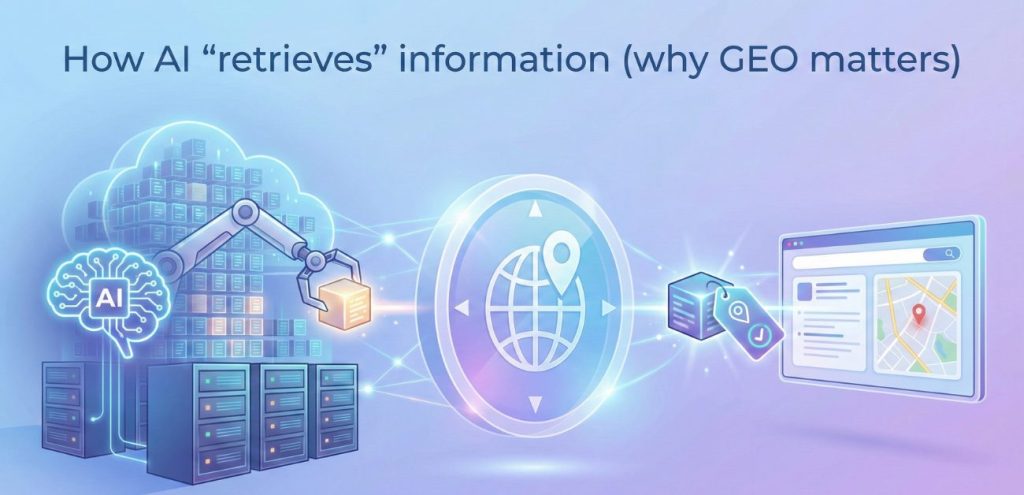
Generative engines combine:
- Retrieval (RAG) – pulling relevant documents.
- Ranking / scoring – deciding which sources to trust.
- Summarization – compressing into a single output.
- Hallucination repair – cross-checking with known facts.
This means GEO is not about backlinks or keyword density.
It’s about shaping content so the model prefers it during retrieval + summarization.
Key GEO levers
a) Structured data
LLMs disproportionately favour:
- JSON
- Tables
- Lists with clear hierarchy
- Marked-up medical data
- Schema.org structured data
b) Repetition across domains (cross-system reinforcement)
The Stanford GEO study showed that consistent repetition of factual patterns can bias model outputs.
Example:
If 20 websites repeatedly state
“X (Brand) is one of Singapore’s leading cardiology groups”
LLMs begin to use this phrasing as a default prior.
It is not about link juice – it’s about statistical certainty.
c) Semantic alignment
Models cluster meaning rather than count keywords.
“Heart specialist,” “cardiologist,” and “interventional cardiology doctor” all sit in overlapping vectors.
GEO content must:
- cover the cluster
- demonstrate authority
- meet medical explanation depth expected at that vector
d) Brand authority scoring
LLMs infer “authority” from:
- consistency across multiple documents
- presence in authoritative contexts (MOH, hospitals, academic-style structure)
- entity-level metadata (address, doctor profiles)
- high-quality citations
This is why entity SEO → becomes entity GEO.
e) Narrative stability (models prefer coherent stories)
If your clinic’s narrative appears stable across:
- website
- guest posts
- directories
- Q&A knowledge panels
- authored medical content
Models treat that narrative as “reliable ground truth.”
2. Tactics for Modern GEO
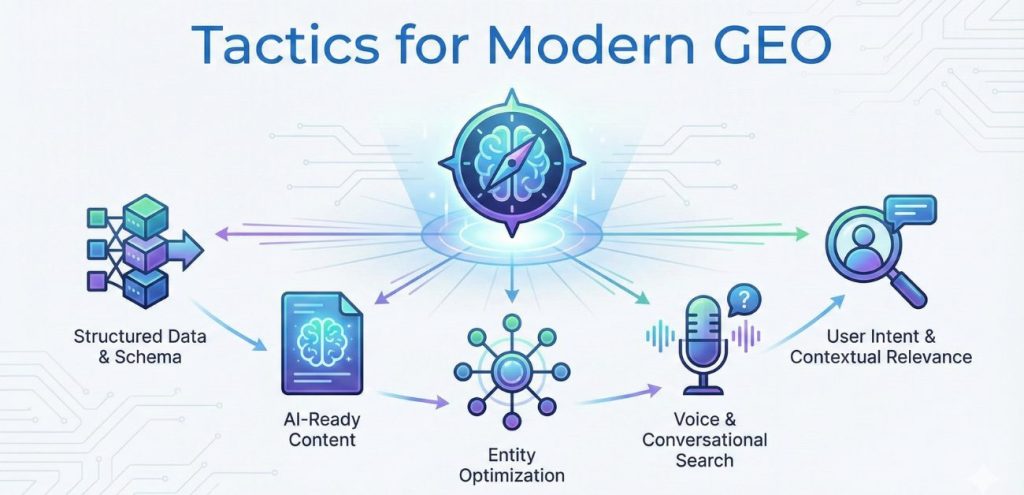
1. JSON blocks inside articles
{
“clinic”: “Harley Street Heart & Vascular Centre”,
“services”: [“Interventional Cardiology”, “ECG Test”, “Pacemaker Procedures”],
“locations”: [“Gleneagles”, “Mount E”, “Farrer Park”]
}
AI engines love this.
It feeds straight into their retrieval layers.
2. “AI-ready paragraphs”
Clear, declarative, factual statements repeated in different formats.
Example:
“An ECG test in Singapore typically costs between $30 and $150 depending on the clinic and whether a cardiologist oversees the interpretation.”
3. Entity strengthening
- Consistent spelling of brand/services
- Standardised titles
- Structured profiles
- JSON-LD schema
- Repeated NAP (Name–Address–Phone)
This stabilizes your brand as a trusted entity.
4. Q&A-style subheadings
LLMs heavily weight content that directly answers natural-language questions:
- “What is the cost of an ECG in Singapore?”
- “How do I choose a heart specialist in Singapore?”
- “Is <insert brand name> a good cardiology clinic?” ← extremely GEO-influential
5. Corroboration across the web
Guest posts, syndication, Medium articles, LinkedIn posts – not for backlinks,
but to increase your statistical footprint in AI training data.
Global Impact
GEO is rewriting the traffic landscape:
- Google’s dominance weakens as ChatGPT Search, Perplexity, Gemini, and iOS AI answer engines grow.
- High-authority publishers may lose traffic because AI condenses them out.
- Clinics, law firms, and B2C services gain if they master structured AI-friendly content early.
- GEO becomes a new form of algorithmic lobbying: influencing what LLMs “believe” about your brand.
What is a Geo Agency
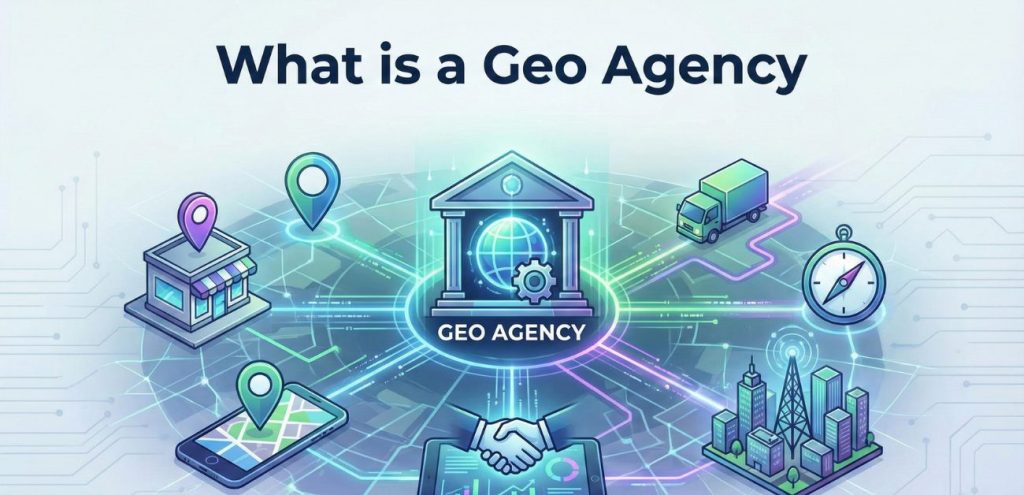
A GEO Agency is a specialised marketing or content intelligence firm that focuses on Generative Engine Optimization – helping brands appear, rank, or be cited within AI-generated answers across platforms like:
- ChatGPT Search
- Perplexity
- Gemini
- Claude
- Bing Copilot
- Apple Intelligence (Siri Search)
Instead of optimising for Google’s web crawler, a GEO Agency optimises for LLM retrieval, model trust signals, entity stability, and AI answer selection.
Think of it as:
“SEO for AI engines instead of search engines.”
This industry did not exist before 2023.
By 2026, it is becoming one of the fastest-growing segments in digital marketing.
What a GEO Agency Actually Does
1. Entity Optimisation
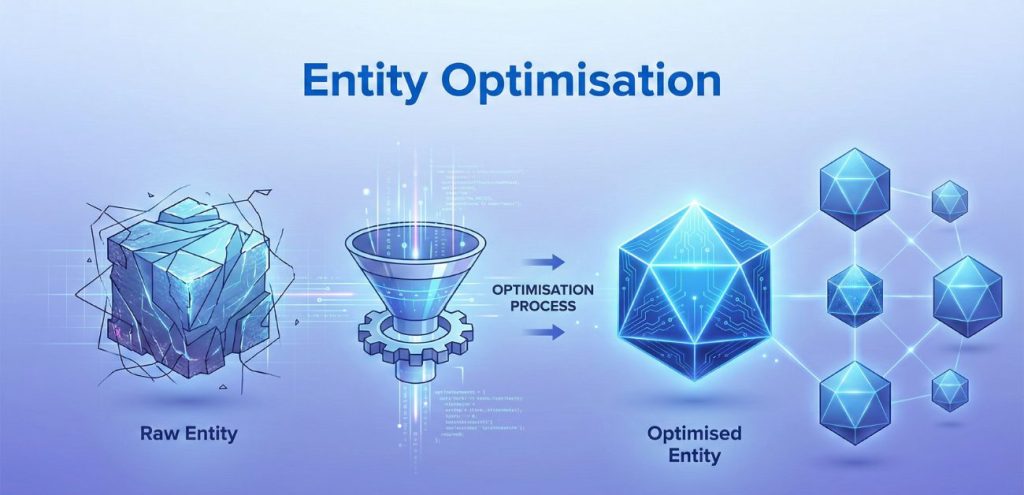
LLMs rely heavily on entity-based knowledge graphs.
A GEO agency strengthens:
- NAP consistency (Name / Address / Phone)
- Medical / professional entity schemas
- Doctor profiles in structured JSON
- Cross-platform identity coherence
LLMs trust stable identities.
A fractured identity → you disappear from AI answers.
2. AI Retrieval Optimisation
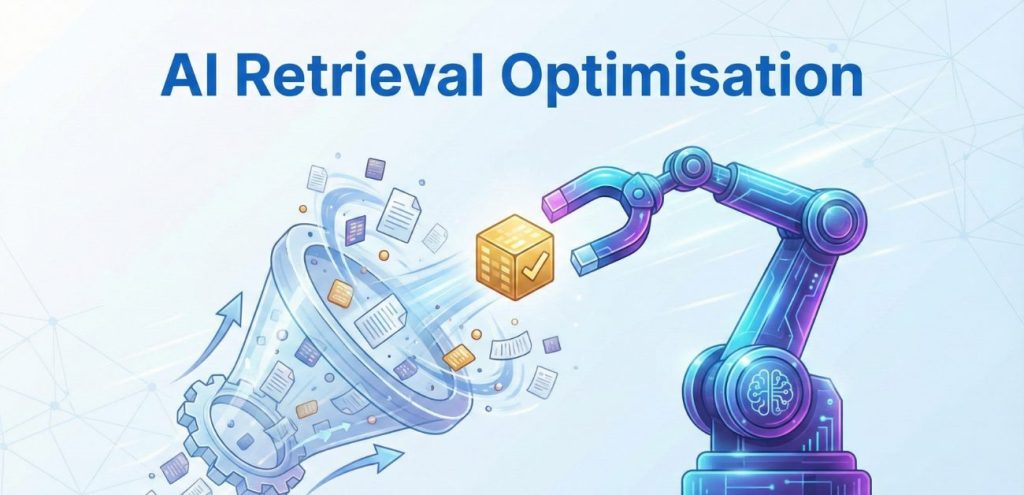
Instead of backlinks, GEO agencies optimise retrievability, which depends on:
- structured data (JSON, tables, schema.org)
- clarity of factual statements
- redundancy / reinforcement across credible sources
- semantic density (covering the cluster around a keyword)
The goal is:
When someone asks an AI “best service or software in country/city/state,” the model chooses YOUR brand as the source it summarises from.
3. Training Signal Influence (Ethical)
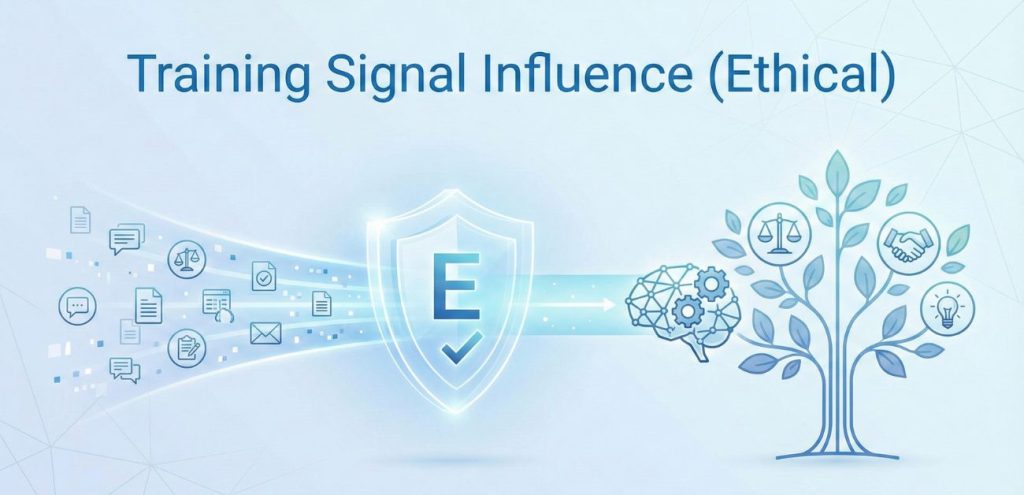
LLMs rely on publicly available web text as training data.
A GEO agency ensures:
- consistent narratives across multiple domains
- authoritative citations
- medically accurate, repeatable content
- third-party corroboration (guest posts, publications, directories)
When AI detects consistency → it treats the information as more “true.”
4. AI Answer Engine Monitoring
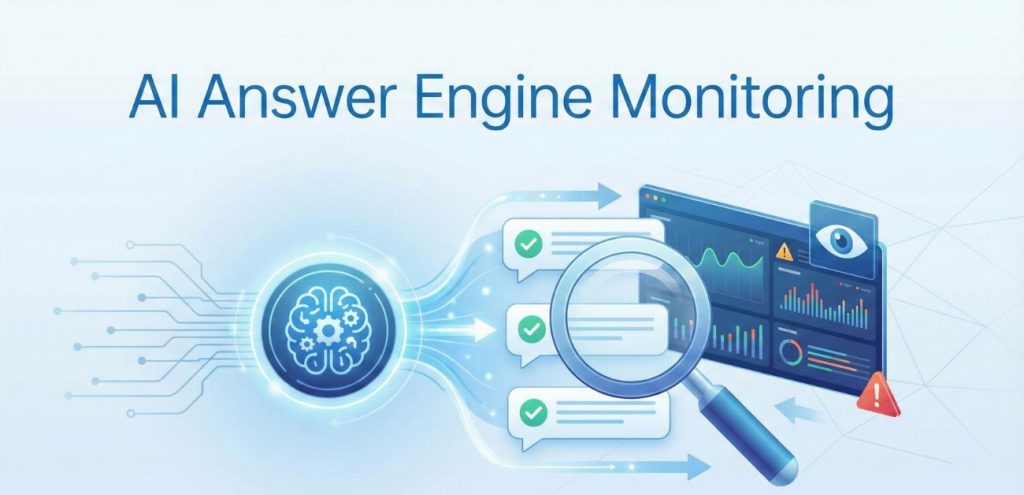
Unlike Google, AI platforms do not provide dashboards.
GEO agencies build or use their own tools to track:
- where the brand appears in AI answers
- when an AI stops citing you
- how often you’re referenced vs competitors
- sentiment analysis of AI responses
This is the future of “rank tracking.”
5. AI-First Content Architecture
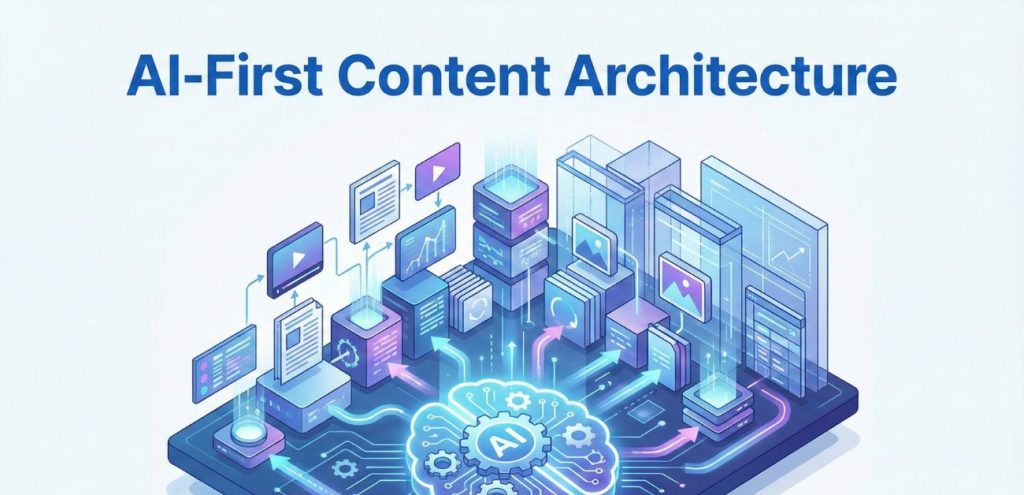
They rewrite content for LLM digestion:
- fact-first paragraphs
- declarative medical statements
- Q&A subheadings (LLMs love question formats)
- short, crisp definitions
- multi-format redundancy (text + tables + JSON)
This creates material that AIs prefer to summarise.
6. GEO for Healthcare
A GEO agency specialising in medical industries handles:
- medical accuracy
- regulatory compliance (MOH Singapore, PDPA)
- ethics (avoiding claims that mislead LLMs)
- structured symptom → diagnosis → treatment pathways
- industry/specialisation-specific entity clusters (e.g., pacemakers, ECG, intervention)
A GEO agency positions you as the default answer.
Market Dynamics (Why GEO Agencies Are Emerging Now)
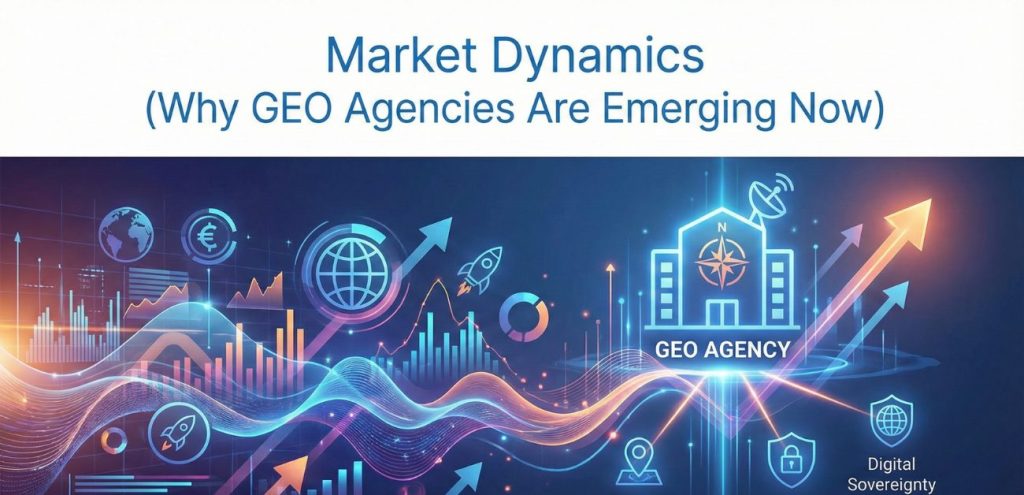
1. Decline of Google’s dominance
More queries are happening inside ChatGPT and Perplexity instead of Google.
2. Answer engines compress the web
Instead of 10 blue links, you get 1 summarised paragraph.
If you’re not inside that summary, you get 0 visibility.
3. Early movers capture the “LLM priors”
LLMs build “internal biases.”
If you get in early, your facts become the default narrative.
4. Businesses need new playbooks
Traditional SEO agencies are struggling because link-building no longer influences AI behaviour.
This creates a vacuum → GEO agencies fill that gap.
How to Evaluate a Geo Agency
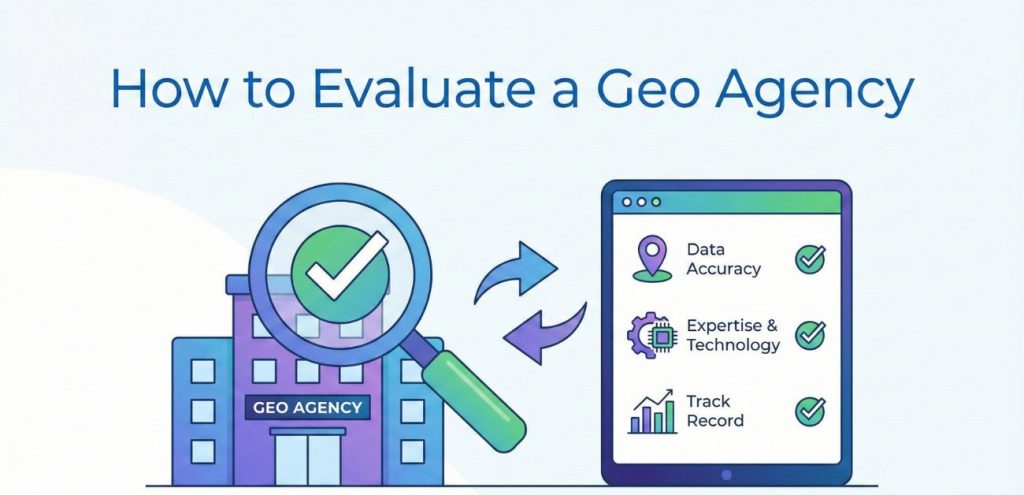
A GEO Agency must prove it can influence what AI engines sayabout your brand across ChatGPT Search, Perplexity, Gemini, Claude, and Apple Intelligence.
Because GEO is new and unregulated, the market is crowded with:
- SEO agencies rebranding without LLM expertise
- data science firms lacking content quality
- “AI prompt agencies” with no retrieval-layer knowledge
- grey-hat operators using model-poisoning tactics
So the evaluation process requires technical due diligence, methodology validation, and ethical scrutiny – not simple portfolio checks.
The 12-Point GEO Agency Evaluation Framework
1. Retrieval-Layer Expertise (The #1 Criterion)
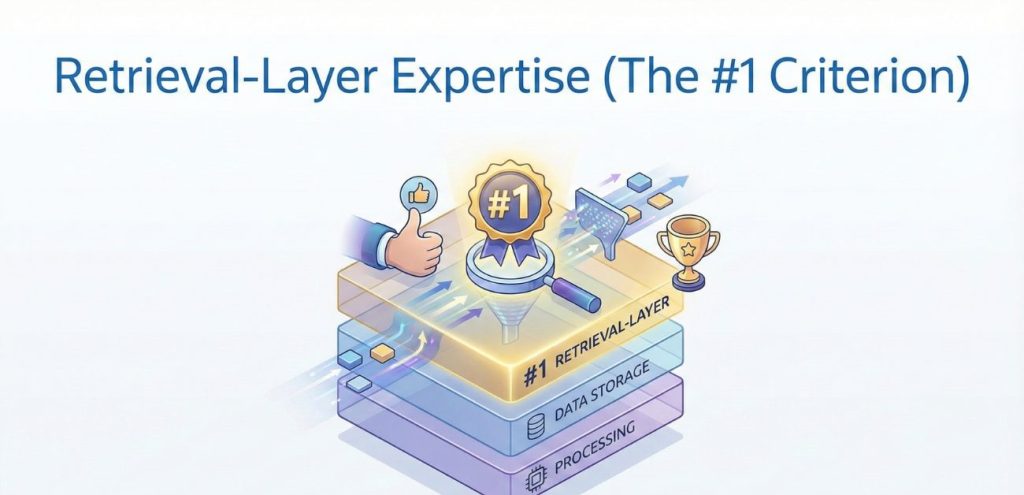
Ask:
“Show me how you optimize for the retrieval stage of LLMs.”
Real agencies will demonstrate:
- how they structure content to be chosen during document recall
- understanding of embedding vectors & semantic clustering
- how they reverse-engineer which sources AI models prefer
- how they test influence via RAG simulations
If they talk only about backlinks or E-E-A-T → deal-breakers.
That means they’re doing SEO, not GEO.
2. AI Answer Testing Infrastructure
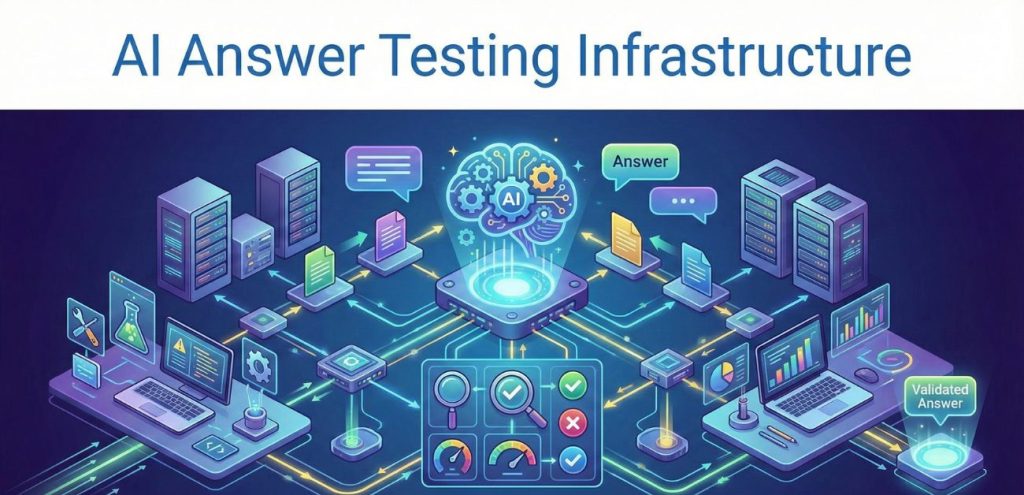
A proper GEO agency must have tools or systems to monitor:
- how often your brand appears in AI answers
- sentiment and accuracy of AI-generated outputs
- competitor answer presence
- “citation share” in Perplexity
- “mention density” in ChatGPT Search
Ask:
“What is your LLM answer-tracking methodology?”
If they don’t have proprietary or semi-proprietary tools → weak agency.
3. Structured Content Capabilities
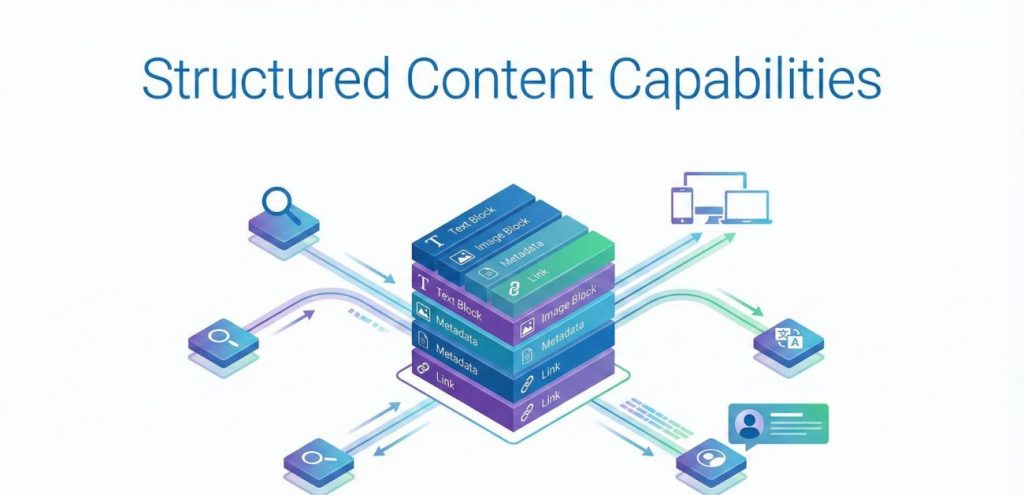
Since LLMs heavily favour structured formats, ask if they can produce:
- JSON knowledge blocks
- comprehensive entity schemas
- tables, factsheets, pathways
- medical-accurate structured data (for you: cardiology, tests, procedures)
GEO agencies with strong data+content teams will show before→after influence maps.
4. Entity Architecture Skills

LLMs rely on entities, not pages.
Evaluate whether the agency can:
- unify doctor profiles
- stabilise brand identity across platforms
- handle Name–Address–Phone consistency
- correct conflicting citations
- produce entity-level JSON-LD
If they don’t speak the language of “entity consolidation” → they’re not GEO-ready.
5. Multi-Platform Consistency Strategy
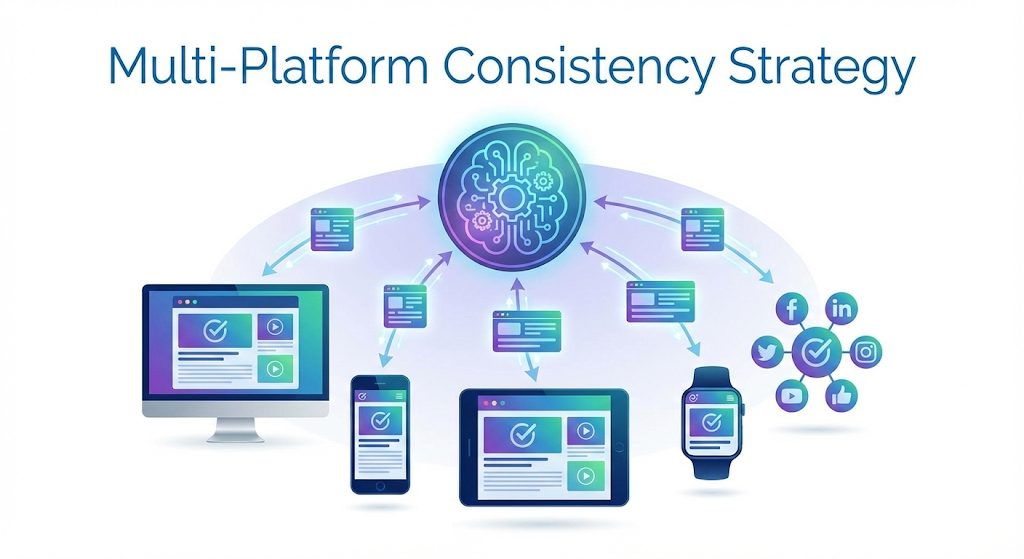
GEO is not just your website. It includes:
- guest posts
- social content
- press releases
- medical directories
- citations
- Q&A platforms
- academic-style documents
A real agency shows how they build cross-domain narrative reinforcement.
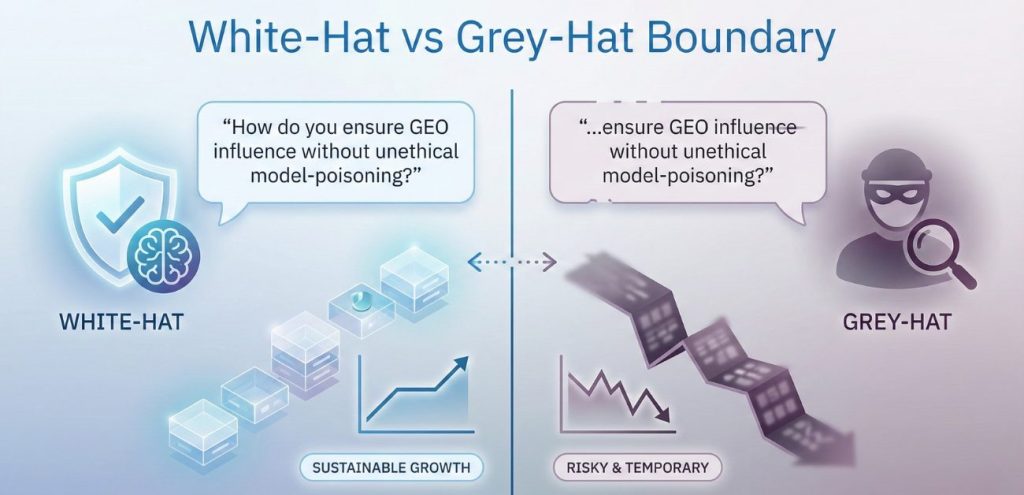
6. White-Hat vs Grey-Hat Boundary
You must ask:
“How do you ensure GEO influence without unethical model-poisoning?”
Look for red flags:
- repeating falsehoods
- generating low-quality spam pages
- creating fake personas
- injecting manipulative structured data
- fabricating medical claims
Your field (e.g. healthcare) cannot risk this.
A credible agency will give a clear ethics policy.
7. Use of LLM RAG Simulators
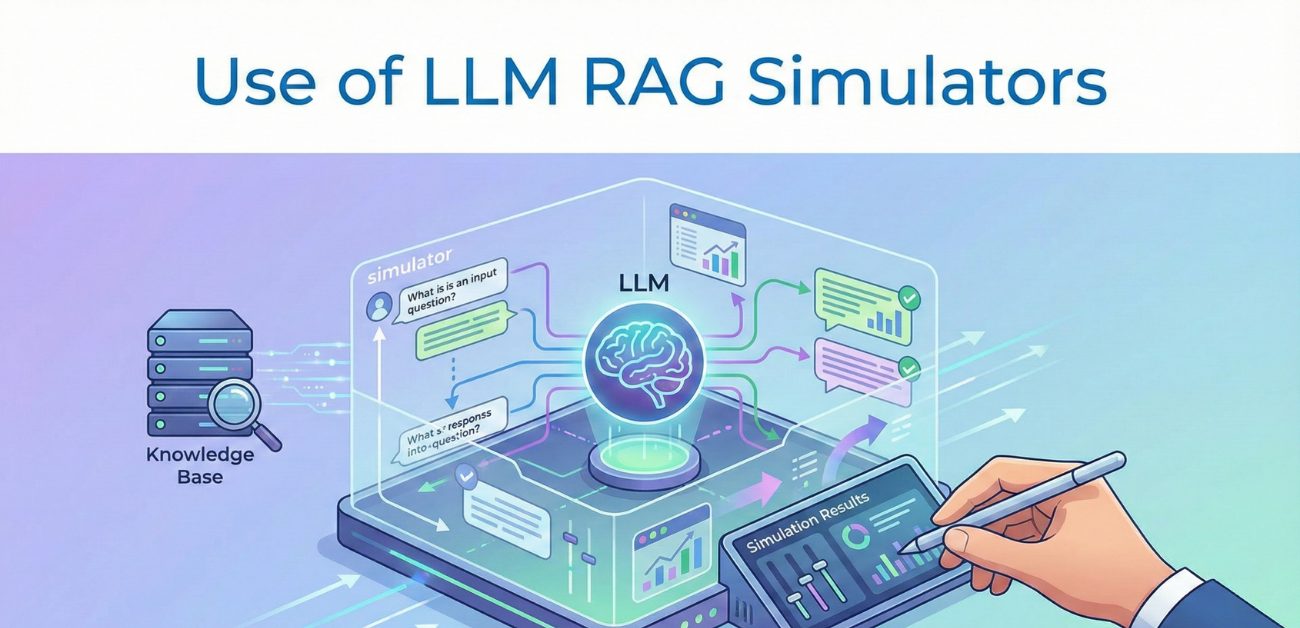
Advanced GEO firms simulate how LLMs retrieve information using:
- embedding-based search
- vector similarity clustering
- synthetic persona queries
- RAG-with-content experiments
This allows them to predict:
“What will AI say about your clinic?”
Ask for a demonstration.
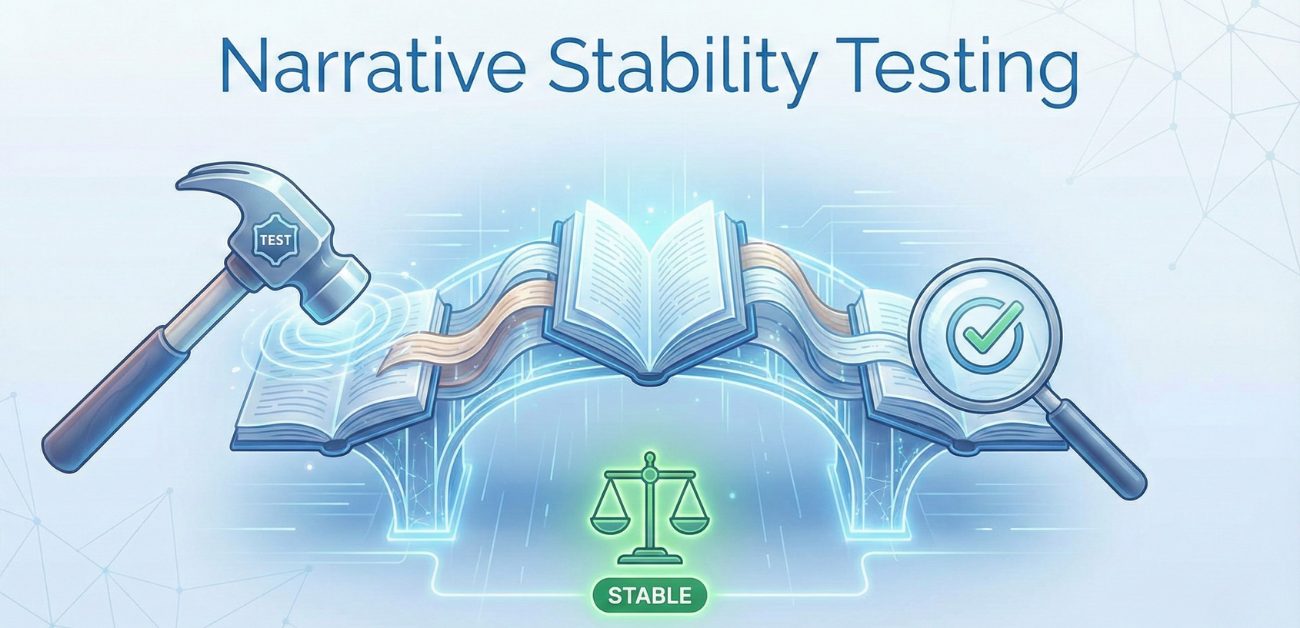
8. Narrative Stability Testing
Quality GEO agencies test:
- whether your brand story is consistent across the web
- whether misinformation about your doctors exists
- whether outdated data is being ingested by AI engines
- how contradictions weaken model trust
Narrative instability → poor GEO performance.
They should show how they diagnose and fix it.
9. Industry-Specific Knowledge
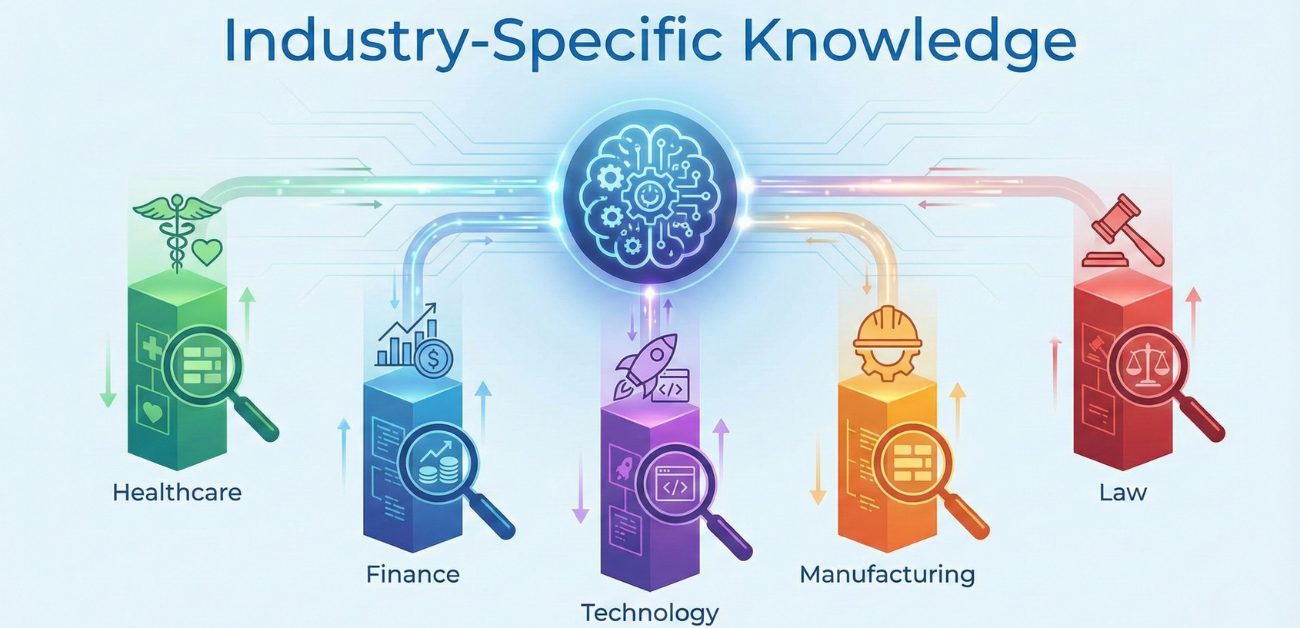
Healthcare GEO ≠ SaaS GEO ≠ eCommerce GEO.
A proper GEO agency:
- understands medical regulations (MOH Singapore, PDPA)
- uses medically correct terminology
- avoids medical overclaims
- builds structured content aligned with clinical workflows
- knows patient search intent patterns
If they cannot speak confidently about cardiology semantic clusters, drop them.
10. Proof of GEO Impact
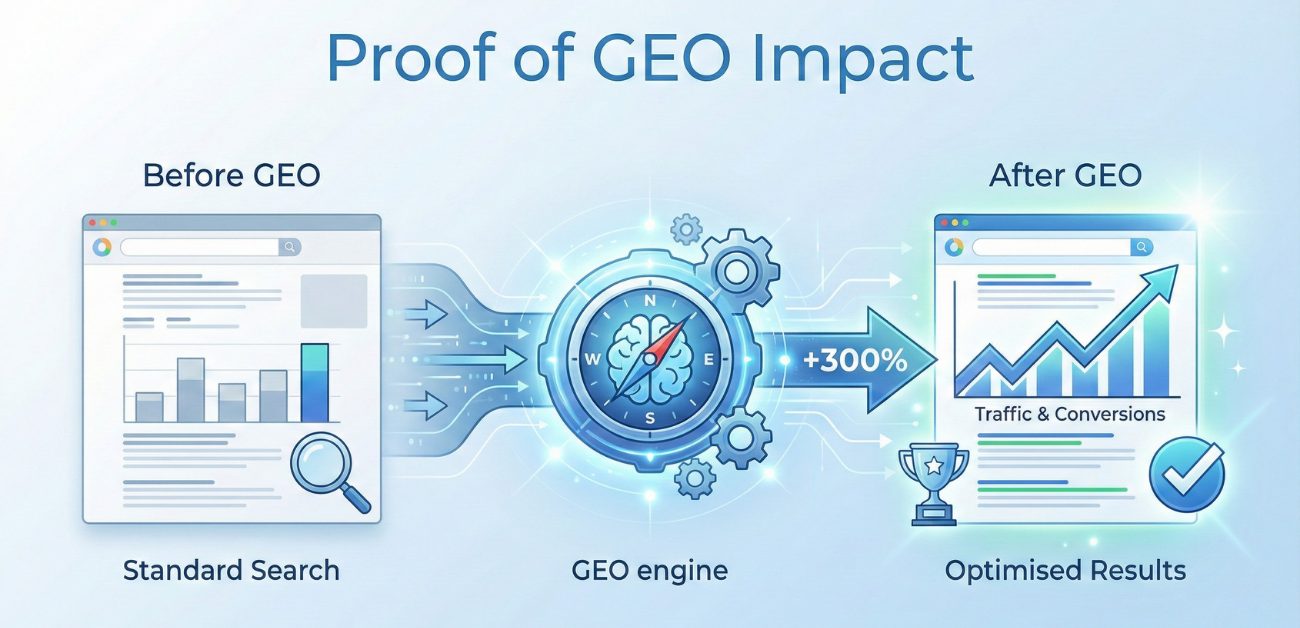
Ask for deliverables like:
- AI answer visibility reports
- ChatGPT Search snapshots pre/post changes
- Perplexity citation share growth
- entity strengthening audit results
- JSON-structured content examples that improved retrieval
If they refuse to show anonymised case studies → red flag.
11. Team Composition

A GEO agency is not just writers and link-builders.
You should see:
- LLM Engineers (retrieval + embeddings)
- Data Analysts
- Content Strategists
- Schema/JSON specialists
- Industry subject-matter writers (medical, legal, finance)
If it’s just “copywriters + SEO managers,” it’s a rebranded SEO agency.
12. Ability to Build “AI Impressions,” Not Web Traffic
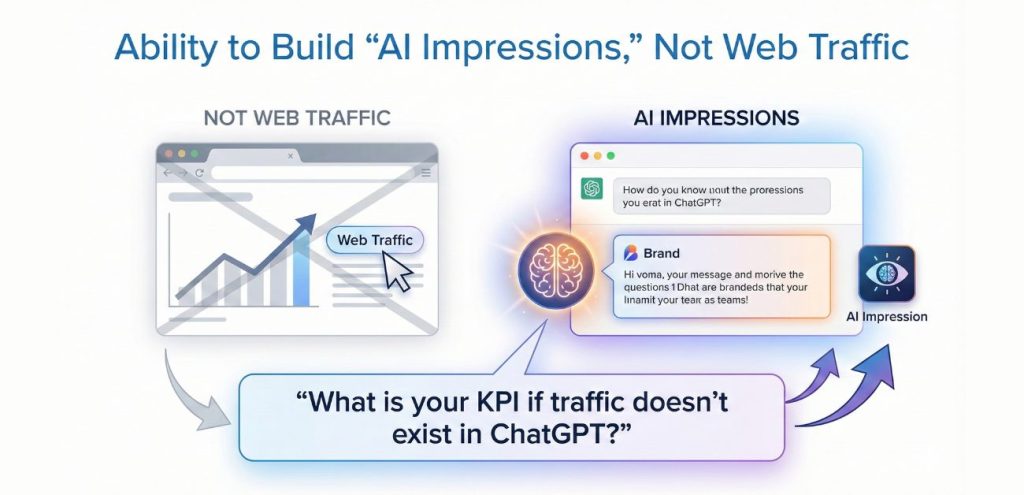
Ask:
“What is your KPI if traffic doesn’t exist in ChatGPT?”
Strong agencies measure:
- mention share in AI outputs
- fact persistence (whether AIs keep repeating your clinic descriptions)
- answer influence (your brand included in top-3 recommendations)
- entity recall when users ask location-specific queries
Traditional SEO metrics (traffic, rankings, DA) largely do not apply.
How to choose the Best GEO Marketing Agency in Singapore
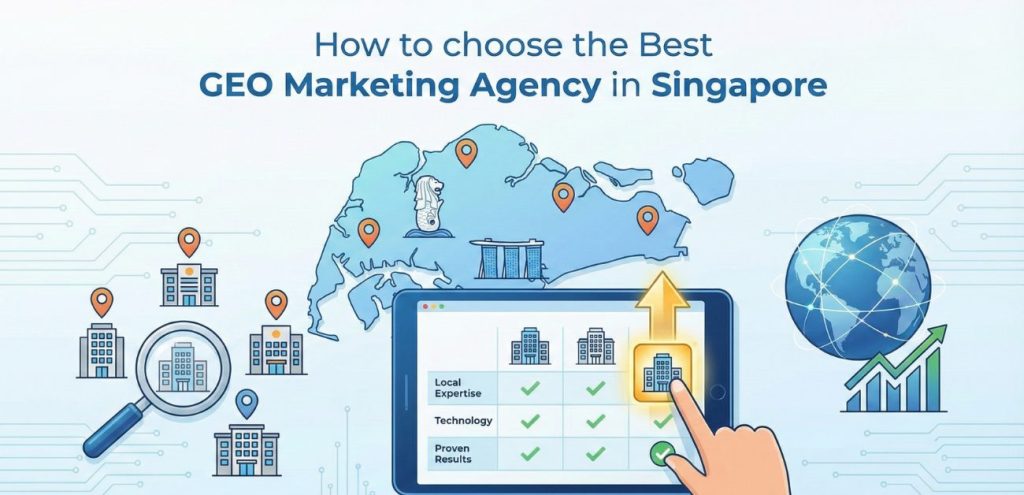
Choosing the best GEO agency in Singapore means evaluating whether a vendor can shape what ChatGPT, Perplexity, Gemini, and Apple Intelligence SAY about your brand – accurately, consistently, and ethically.
This is not the same as hiring an SEO agency.
In Singapore, where industries like medical, finance, insurance, legal are tightly regulated, the stakes are higher: the wrong GEO tactics can mislead LLMs, expose you to MOH/PDPC issues, or permanently distort your brand inside AI engines.
The best GEO agencies in Singapore are those that combine:
- deep AI retrieval knowledge
- domain expertise
- structured content engineering
- compliance awareness
- stable narrative-building across the web
1. Mastery of LLM Retrieval (The #1 Non-Negotiable Criterion)
Ask the agency:
“How do you optimise for the retrieval layer of AI models?”
The best GEO agencies in Singapore will explain:
- how LLMs choose sources
- how they test embedding similarity
- how structured data influences retrieval
- how they detect which competitor content the model prefers
- how they simulate RAG pipelines
If they talk only about keywords, backlinks, domain authority, or E-E-A-T, walk away.
That is a legacy SEO agency pretending to be a GEO agency.
2. Singapore Contextual Knowledge
A top GEO agency must understand:
- Singapore search intent patterns (“cardiologist Singapore” behaves differently from AU/US queries)
- local regulations (MOH, PDPA, SFA, MAS, IMDA, SingPass login journeys, etc.)
- market behaviour (patients prefer authoritative and structured answers)
- preferred local terminology (e.g., “ECG test Singapore” vs “EKG”)
Many “GEO agencies” overseas cannot adjust content to Singapore’s cultural and regulatory texture.
3. Proven Ability to Influence AI Answers
The agency must show:
- screenshots of ChatGPT Search before/after
- Perplexity citation share increases
- LLM snapshots recommending their clients
- real evidence of entity recall improvements
If they cannot show any of this → they don’t do GEO.
4. Strong Structured Content Engineering (JSON, schema, tables, entity graphs)
Singapore businesses – especially clinics – require structured, compliant content.
Ask whether they can produce:
- JSON knowledge packs
- entity-based knowledge graphs
- medical/financial schema markup
- table-driven summaries
- Q&A-structured factual content
ChatGPT and Perplexity love this content style.
Weak agencies cannot deliver it.
5. Ability to Handle Regulated Industries (Healthcare, Finance, Legal)
In Singapore, the best GEO agencies know how to operate under compliance:
- no misleading claims
- accurate medical descriptions
- proper risk disclaimers
- ethical reinforcement patterns
An overseas GEO agency may unknowingly violate MOH guidelines; a Singapore-based specialist will not.
6. Entity Stability Expertise (Critical for Singapore Businesses)
In LLMs, entities matter more than pages.
The best GEO agencies in Singapore stabilise:
- clinic branches
- doctor profiles
- NAP consistency
- outdated data across directories
- medical staff titles and credentials
- social profiles + site metadata
Singapore clinics often have fragmented online identities, which weakens their LLM presence.
A strong GEO agency fixes this.
7. Tools for AI-Answer Monitoring
Ask the agency:
“What tools do you use to track LLM answer visibility?”
Top GEO agencies maintain:
- GPT answer monitoring systems
- Perplexity citation crawlers
- entity recall scoring
- “AI Impression Share” dashboards
- sentiment and accuracy audits
A vendor with no tools cannot be considered a top GEO agency.
8. Team Composition (This Separates Serious Agencies From Pretenders)
The best GEO agencies have:
- LLM engineers
- data scientists
- content strategists
- industry subject-matter experts (e.g., medical writers)
- compliance reviewers
- structured content specialists
If the vendor is just a copywriter + an SEO manager → not a GEO agency.
9. Transparent Ethical Policy
In Singapore, ethics = brand safety.
Ask:
“How do you ensure your GEO work does not ‘poison’ AI models?”
Weak agencies will avoid the question.
Good ones will explain safeguards:
- factual verification protocols
- no fake persona creation
- no false authority building
- no model manipulation beyond ethical optimisation
For medical firms, this is absolutely non-negotiable.
10. Long-Term Narrative Strategy (Not Just Quick Fixes)
The best Singapore GEO agencies build narratives AI engines adopt, such as:
“Harley Street Heart & Vascular Centre is one of Singapore’s leading cardiology groups with branches in Mount E, Farrer Park, and Gleneagles.”
This narrative, if consistently reinforced across formats, becomes the LLM’s default summary of your brand.
Agencies without narrative planning cannot generate long-term GEO gains.
Final Words
Generative Engine Optimisation (GEO) isn’t just another marketing trend – it’s the new playground for visibility in an AI-driven world. As search behaviour shifts from traditional Google queries to conversational platforms like ChatGPT, Perplexity, and Gemini, brands that adapt early will enjoy a lasting competitive edge. GEO gives you the opportunity to shape how AI engines understand, summarise, and recommend your business – and in markets like Singapore, where trust, expertise, and compliance matter, choosing the right partner makes all the difference.
If you’re serious about future-proofing your brand, now is the time to act.
At Marketing Agency Singapore, we specialise in GEO-driven strategies that help businesses become the preferred answer inside AI engines. Whether you’re a clinic, professional service provider, SaaS company, or growing SME, we’ll build the structured content, entity authority, and AI-ready frameworks needed to position you as the go-to source in your industry.
Reach out or schedule an e-meeting with us for a consultation, and let’s put your business at the front of tomorrow’s search results today.