
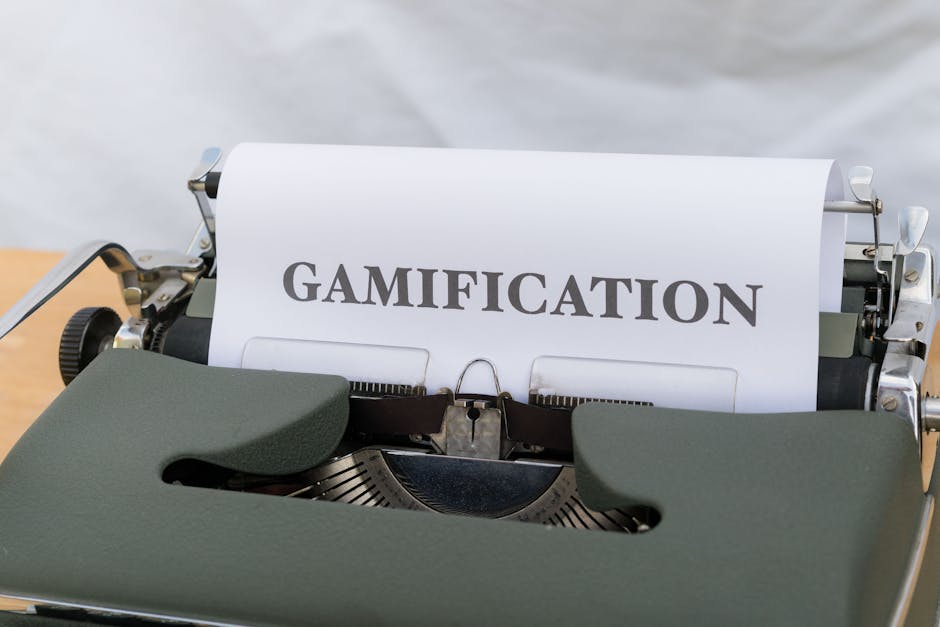
Gamification in Marketing: Engage Customers with Game Mechanics
Humans are wired to play. The same psychological drivers that keep people engaged in games for hours — progress, achievement, competition, and reward — can be channelled into marketing strategies that transform passive customers into active, loyal participants. Gamification in marketing applies game mechanics to non-game contexts, turning routine interactions like purchases, referrals, and content engagement into experiences that feel rewarding and even enjoyable.
Singapore has become a regional leader in gamified marketing, with brands like Grab, Shopee, and DBS Bank embedding game mechanics deeply into their customer experiences. GrabRewards points, Shopee Coins, and DBS PayLah! challenges are not gimmicks — they are sophisticated behavioural systems that drive measurable increases in engagement, retention, and customer lifetime value. These programmes succeed because they understand the psychology behind why people engage with game-like systems.
This guide explores how Singapore businesses of all sizes can implement gamification in their marketing strategies in 2026. From foundational mechanics like points and badges to advanced techniques like challenges and tiered loyalty systems, you will learn how to design gamified experiences that genuinely engage customers rather than feeling forced or superficial.
Why Gamification Works in Marketing
Gamification works because it taps into fundamental psychological drives that are hardwired into human behaviour. Understanding these drives helps marketers design gamified experiences that feel natural rather than contrived.
Dopamine and variable rewards. The brain’s reward system releases dopamine not only when we receive a reward but when we anticipate one. Variable reward schedules — where the timing and magnitude of rewards are unpredictable — create the strongest engagement loops. This is why Shopee’s spin-the-wheel mechanics and Grab’s surprise bonus points generate excitement that fixed discounts cannot match.
Intrinsic motivation. Well-designed gamification taps into intrinsic motivators: autonomy (choosing how to earn rewards), competence (mastering challenges and progressing), and relatedness (connecting with a community). When gamification only offers extrinsic rewards (discounts, points), engagement drops the moment rewards are removed. When it also satisfies intrinsic needs, engagement becomes self-sustaining.
Loss aversion and the endowment effect. Once customers accumulate points, badges, or status, they become reluctant to abandon them. This is loss aversion at work — the pain of losing accumulated progress outweighs the pleasure of equivalent gains. Singapore loyalty programmes leverage this effectively, as customers with significant point balances or elite status are far less likely to switch to competitors.
For businesses building their digital marketing strategy, gamification provides a framework for turning transactional relationships into engaging, ongoing interactions that customers actively want to participate in.
Points Systems: The Foundation of Gamified Marketing
Points are the most common gamification mechanic and the foundation upon which more complex systems are built. A well-designed points system creates a virtual currency that gives customers a tangible sense of accumulation and progress.
Designing an Effective Points System
- Clear earning mechanics — Customers must immediately understand how they earn points. “Earn 1 point for every $1 spent” is intuitive. Complex earning formulas with different multipliers across product categories create confusion and reduce engagement.
- Meaningful redemption value — Points must translate into rewards that customers actually want. If 1,000 points earns a five per cent discount, but customers need months to accumulate that many, the system feels unrewarding. Aim for achievable first-reward thresholds within two to three transactions.
- Multiple earning opportunities — Extend points beyond purchases. Award points for writing reviews, referring friends, following social media accounts, completing profile information, or engaging with content. This creates multiple engagement pathways and rewards behaviours that benefit your business beyond direct sales.
- Expiry mechanics — Points that never expire create liability on your balance sheet. Points that expire too quickly frustrate customers. A twelve to eighteen-month expiry window with advance notifications strikes the right balance for most Singapore businesses.
Points System Examples in Singapore
GrabRewards remains one of Singapore’s most successful points systems, with users earning points across rides, food delivery, and financial services. The system works because points are earned through habitual activities (daily commutes, regular food orders) and can be redeemed for a wide variety of rewards. Shopee Coins follow a similar model, earned through purchases and daily check-ins, redeemable as direct discounts on future orders.
Badges and Achievements That Drive Behaviour
Badges and achievements provide visible markers of accomplishment that satisfy customers’ desire for recognition and status. Unlike points, which are fungible and transactional, badges are symbolic and identity-reinforcing.
Designing Badges That Matter
Effective badges share several characteristics:
- Meaningful criteria — Badges should represent genuine achievements, not trivial actions. A “First Purchase” badge is standard, but a “Weekend Explorer” badge for trying three different product categories is more engaging.
- Visual appeal — Badges must be visually distinctive and shareable. Invest in professional badge design that customers would be proud to display on their profiles or share on social media.
- Scarcity and exclusivity — Limited-edition badges (earned during specific events or promotional periods) create urgency and exclusivity. Singapore brands that release National Day or Chinese New Year themed badges see spikes in engagement during these periods.
- Progressive difficulty — Create badge tiers (Bronze, Silver, Gold) that reward increasingly challenging achievements. This gives all customers an attainable starting point whilst providing aspirational goals for power users.
Badges Beyond Loyalty Programmes
Badges work in contexts beyond traditional loyalty. A fitness brand can award badges for workout milestones. An education platform can award badges for completing courses. A social media campaign can award digital badges for participating in challenges or sharing user-generated content. The key is connecting the badge to an action that both engages the customer and benefits your business.
Leaderboards and Social Competition
Leaderboards introduce social comparison and competition, tapping into people’s desire to see how they rank relative to others. When designed well, leaderboards motivate increased engagement. When designed poorly, they demoralise the majority who will never reach the top.
Effective Leaderboard Design
- Segmented leaderboards — Rather than a single global leaderboard dominated by power users, create segmented leaderboards by region, join date, or spending tier. This gives more customers a realistic chance of ranking highly.
- Rolling time periods — Weekly or monthly leaderboards reset regularly, preventing permanent domination by early adopters. Each reset creates a fresh competitive cycle that re-engages lapsed participants.
- Show nearby rankings — Display the customer’s position alongside the five users directly above and below them. Seeing that they are only a few points behind the next rank creates a powerful motivation to close the gap.
- Team leaderboards — For community-oriented brands, team-based competition (departments, friend groups, neighbourhoods) reduces individual pressure while increasing collective engagement.
Leaderboards in Singapore Marketing
Singapore’s competitive culture makes leaderboards particularly effective. Shopee’s seller leaderboards during campaigns like 9.9 and 11.11 drive fierce competition among merchants to offer the best deals and fastest shipping. Fitness apps like ActiveSG use leaderboards to encourage physical activity across Singapore’s population, combining public health goals with gamification.
Progress Bars and Completion Psychology
Progress bars exploit the Zeigarnik Effect — the psychological tension we feel when a task is incomplete. Once a customer sees they are sixty per cent of the way toward a reward, the desire to complete the remaining forty per cent becomes a powerful motivator.
Implementing Progress Mechanics
- Profile completion bars — Show customers how complete their profile is and what actions remain. LinkedIn pioneered this approach, and it works for any platform where richer profiles benefit both the user and the business.
- Spending progress toward rewards — “Spend $30 more to unlock free delivery for a month.” Visualise this as a progress bar rather than just text to make the gap feel tangible and closeable.
- Course and content progress — For educational content, online courses, or multi-step guides, progress bars encourage completion. This applies to onboarding flows, tutorial sequences, and multi-part email campaigns.
- The head start effect — Research shows that customers who are given a head start — a progress bar that begins at twenty per cent rather than zero — are significantly more likely to complete the task. Starting a loyalty card with two pre-stamped slots (out of ten) is more motivating than starting an empty eight-slot card, even though both require eight purchases.
Progress Bars in E-Commerce
Singapore e-commerce platforms use progress bars extensively. Free shipping thresholds visualised as progress bars (“You’re $8 away from free shipping”) increase average order values. Cashback tiers shown as progress milestones encourage customers to reach the next spending level. Even checkout flows that display step progress (Step 2 of 3) reduce abandonment by showing customers how close they are to completion.
Challenges and Missions for Customer Engagement
Challenges and missions add a narrative layer to gamification, transforming routine actions into purposeful quests. They create short-term engagement bursts that complement long-term loyalty mechanics.
Types of Marketing Challenges
- Daily challenges — Simple tasks that drive habitual engagement. “Log in today to earn bonus points” or “Share a product to earn a reward.” Shopee’s daily check-in mechanic is a textbook example — it drives millions of daily active users who open the app specifically to collect their daily coins.
- Weekly missions — Multi-step challenges that require sustained engagement over several days. “Make three purchases this week to unlock a mystery reward” creates a mid-term engagement goal.
- Seasonal campaigns — Time-limited challenges tied to events, holidays, or promotional periods. Singapore brands frequently create gamified challenges around National Day, Chinese New Year, and the Great Singapore Sale period.
- Social challenges — Tasks that require social interaction, such as referring friends, sharing content, or collaborating with other customers. These challenges drive organic growth while engaging existing customers.
Designing Challenges That Engage
Effective challenges balance difficulty with achievability. Too easy, and they feel meaningless. Too difficult, and customers disengage. The ideal challenge requires slightly more effort than the customer’s current behaviour — pushing them to transact one more time, explore one more category, or engage with one more piece of content than they normally would.
Pair challenges with clear rewards and deadlines. “Complete 3 missions by Sunday to earn 500 bonus points” gives customers a specific target, a defined reward, and a deadline that creates urgency without feeling manipulative. Use push notifications and email reminders to keep challenges top of mind throughout the active period, integrating them into your broader advertising strategy.
Gamified Loyalty Programmes: Singapore Success Stories
Singapore has produced several world-class gamified loyalty programmes that demonstrate how game mechanics can transform customer retention and engagement.
GrabRewards
Grab’s loyalty programme combines points, tier status (Member, Silver, Gold, Platinum), and challenges into a comprehensive gamified ecosystem. Tier status unlocks progressively better benefits — priority booking, exclusive promotions, and higher points-earning rates. The programme succeeds because it gamifies habitual behaviour (transport, food delivery, payments) and makes status visible through the app interface, satisfying both the desire for tangible rewards and social status.
Shopee Coins and Campaigns
Shopee has built one of Southeast Asia’s most gamified e-commerce experiences. Shopee Coins serve as the points currency, but the platform layers on daily check-ins, spin-the-wheel mechanics, shake-to-win games during campaigns, and in-app mini-games that award coins. During major sales events like 9.9 and 12.12, these gamified elements drive extraordinary engagement, with millions of Singaporean users actively playing in-app games alongside their shopping activities.
DBS Bank and FinTech Gamification
DBS Bank has gamified financial wellness through challenges and rewards that encourage healthy financial behaviours. The DBS PayLah! app includes savings challenges, spending insights presented as achievements, and rewards for adopting digital payment habits. This approach demonstrates that gamification can work in traditionally conservative industries by aligning game mechanics with customer benefit.
Lessons for Smaller Businesses
You do not need Grab’s technology budget to gamify effectively. A local cafe can use a digital stamp card with bonus stamps for trying new menu items. A boutique retailer can create a seasonal challenge rewarding customers who shop across different categories. A service business can award achievement badges for referrals and reviews. The principles — progress, achievement, and reward — scale down effectively. A well-designed website can incorporate basic gamification elements using existing plugins and platforms.
Designing and Implementing Gamification for Your Brand
Successful gamification requires thoughtful design, not just bolting game mechanics onto existing processes. Here is a framework for implementing gamification that genuinely engages your Singapore audience.
Step 1: Define Your Objectives
What business outcomes do you want gamification to drive? Common objectives include increasing purchase frequency, boosting average order value, improving customer retention, driving referrals, or increasing content engagement. Each objective suggests different game mechanics — points and progress bars for purchase frequency, challenges and leaderboards for engagement, referral rewards for growth.
Step 2: Understand Your Players
Not all customers are motivated by the same game elements. Bartle’s player taxonomy identifies four types: Achievers (want to complete goals), Explorers (want to discover new things), Socialisers (want to interact with others), and Killers (want to compete and win). Design your gamification to appeal to multiple player types rather than focusing exclusively on one. A system with both personal achievement badges and competitive leaderboards serves Achievers and Killers simultaneously.
Step 3: Start Simple, Iterate
Launch with one or two core mechanics rather than building a complex system upfront. A points-based rewards programme with a progress bar is a strong starting point. Once you have baseline engagement data, layer on additional mechanics — badges, challenges, leaderboards — based on what your data tells you about how customers interact with the system.
Step 4: Measure and Optimise
Track gamification metrics alongside business metrics. Engagement metrics (daily active users, challenge completion rates, points redemption rates) tell you whether the system is working. Business metrics (purchase frequency, average order value, retention rate, customer lifetime value) tell you whether the system is working on what matters. If engagement is high but business metrics are flat, your gamification is entertaining but not driving value. Integrate these insights with your SEO and broader marketing analytics for a complete performance picture.
Frequently Asked Questions
What is gamification in marketing?
Gamification in marketing is the application of game mechanics — such as points, badges, leaderboards, challenges, and progress bars — to marketing activities and customer experiences. It transforms routine interactions like purchases, referrals, and content engagement into experiences that feel rewarding and engaging, driving higher participation, retention, and customer lifetime value.
Does gamification actually increase customer engagement?
Yes. Research and real-world case studies consistently show that well-designed gamification increases engagement metrics significantly. Shopee’s gamified campaigns drive millions of daily active users. Businesses implementing gamification typically see increases of twenty to forty per cent in engagement metrics like return visits, time spent, and interaction frequency. The key is that the gamification must be well-designed and genuinely rewarding, not superficial.
How much does it cost to implement gamification for a small business?
Basic gamification can be implemented at minimal cost using existing platforms. Digital stamp card apps, loyalty programme plugins for e-commerce platforms, and referral reward systems are available from free to a few hundred dollars per month. More sophisticated custom gamification systems — with unique badge designs, custom leaderboards, and integrated challenge mechanics — typically cost between SGD 5,000 and SGD 30,000 to develop, depending on complexity.
What are the best gamification examples in Singapore?
Singapore’s standout gamification examples include GrabRewards (tiered loyalty with points and challenges), Shopee Coins and in-app games (daily engagement mechanics), DBS PayLah! challenges (financial wellness gamification), and ActiveSG’s fitness challenges (public health gamification). These programmes succeed because they gamify behaviours customers are already performing, adding a layer of reward and engagement rather than creating artificial activities.
Can gamification backfire?
Gamification can backfire when it feels forced, rewards trivial actions, or prioritises extrinsic rewards over genuine value. If customers feel manipulated into engaging with pointless games to earn negligible rewards, trust erodes. Additionally, poorly designed leaderboards can demoralise the majority of participants who will never reach the top. The solution is to design gamification that aligns with genuine customer benefit and to test extensively before full deployment.
How do I choose which game mechanics to use?
Start with your business objectives and customer behaviour patterns. Points systems work best for driving repeat purchases. Badges and achievements work for encouraging exploration of different products or features. Leaderboards suit competitive audiences and time-limited campaigns. Progress bars drive completion of multi-step processes. Challenges create short-term engagement bursts. Most successful programmes combine two or three mechanics rather than implementing every option.

 English
  Chinese
  Malay
Malay  Korean