
Bakery Marketing in Singapore: Strategies to Rise Above the Competition
Singapore’s bakery industry is experiencing a golden era. From artisan sourdough loaves and handcrafted croissants to elaborate custom cakes and traditional kuehs reimagined for modern palates, the range and quality of baked goods available in the city-state have never been higher. Yet this abundance of talent and choice creates a fundamental marketing challenge: how does any single bakery stand out in a market overflowing with exceptional products?
The answer lies in strategic digital marketing that amplifies your bakery’s unique strengths and places your products in front of the right customers at the right moment. In 2026, the most successful bakeries in Singapore are not necessarily those with the most skilled bakers—they are the ones that combine craft with commercial savvy, pairing outstanding products with Instagram-worthy presentation, Google-optimised visibility and customer relationships that drive repeat purchases week after week.
This guide delivers a complete digital marketing playbook for bakeries operating in Singapore. Whether you run a neighbourhood bakery in a heartland HDB estate, a premium patisserie in the CBD, or a home-based business selling custom cakes through social media, the strategies below will help you attract new customers, increase order values and build the kind of brand loyalty that sustains a bakery through quiet periods and competitive pressures alike.
Instagram Food Photography and Content
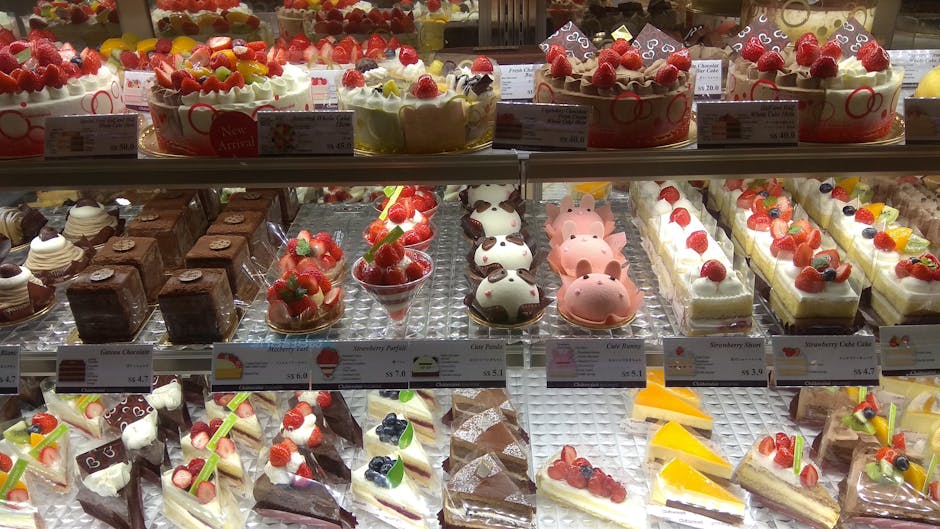
Instagram is the most powerful marketing tool available to bakeries in Singapore. Food is inherently visual, and baked goods—with their golden crusts, glossy glazes, intricate decorations and inviting textures—are among the most photographed and shared food categories on the platform. A strong Instagram presence does not merely build brand awareness; it directly drives orders, walk-in traffic and word-of-mouth recommendations.
Invest in learning food photography fundamentals or hire a professional for regular shoots. Natural light is your greatest asset—photograph near windows during the golden hours of morning and late afternoon. Use simple, uncluttered backgrounds that make your products the hero: marble surfaces, wooden boards, linen cloths and minimalist ceramics. Shoot from multiple angles—overhead for flat lays, 45 degrees for layered cakes, and straight-on for macarons, cookies and pastries displayed in rows. Consistency in editing style builds a recognisable visual brand across your feed.
Video content is essential for bakery marketing in 2026. Reels showing bread being pulled apart to reveal a steaming, airy crumb, chocolate being poured over a cake, or a time-lapse of pastry lamination are irresistibly engaging. These process-driven videos satisfy curiosity about craftsmanship and communicate quality in ways that static images cannot. Behind-the-scenes content—early morning baking sessions, ingredient sourcing trips, cake decorating in progress—builds personal connection and humanises your brand.
Leverage social media marketing tactics to grow your following strategically. Use location tags (tag your bakery, neighbourhood and Singapore), relevant hashtags (#SGBakery, #SingaporeCakes, #SGFoodie) and collaborative posts with customers and food bloggers. Encourage user-generated content by creating “Instagrammable” packaging and in-store moments. Repost customer content to your Stories with genuine appreciation—this builds community and incentivises more customers to share their experiences.
Google Maps and Local Search Optimisation
For bakeries with a physical location, Google Maps is arguably more important than your own website. When a Singaporean searches “bakery near me,” “cake shop Toa Payoh” or “best croissants Tiong Bahru,” Google Maps results dominate the search page. Appearing in the local three-pack—the top three map results—can drive significant foot traffic and online orders without any advertising spend.
Optimise your Google Business Profile meticulously. Ensure your business name, address, phone number, website URL and operating hours are accurate and consistent across all online directories. Select the most specific primary category (“Bakery” rather than “Restaurant”) and add relevant secondary categories such as “Cake Shop,” “Wedding Cake Shop” or “Patisserie.” Upload at least 20 high-quality photos showcasing your shopfront, interior, products and team. Businesses with more photos receive significantly more direction requests and website clicks.
Reviews are the single most influential ranking factor for local search. Develop a systematic approach to generating reviews: train staff to request reviews from satisfied customers, include QR codes linking to your Google review page on receipts and packaging, and follow up delivery orders with a friendly review request via WhatsApp or SMS. Respond to every review—thank positive reviewers personally and address negative feedback constructively. A bakery with 200 reviews averaging 4.6 stars will consistently outrank a competitor with 30 reviews at 4.8 stars.
Post regularly through Google Business Profile’s post feature. Share new product launches, seasonal specials, limited-edition items and promotions. These posts appear directly in your business listing and signal to Google that your profile is active and current. Include calls-to-action such as “Order now,” “Visit us” or “Call to pre-order” to drive conversions directly from your listing. Local SEO for bakeries also extends to your website—create location-specific pages if you have multiple outlets and ensure your site includes your address, embedded Google Map and local keywords.
Delivery Platform Strategy
Food delivery platforms—GrabFood, Foodpanda and Deliveroo—have become essential sales channels for Singapore bakeries. While commission fees (typically 25% to 35%) eat into margins, these platforms provide access to a massive customer base that would be difficult and expensive to reach through your own marketing channels. The key is using delivery platforms strategically rather than relying on them exclusively.
Optimise your delivery platform listings with the same care you would apply to your website. Professional menu photos, accurate descriptions and strategic categorisation all impact visibility and conversion. On GrabFood, for instance, items with professional photos receive significantly more orders than those with no image. Highlight your best-selling and highest-margin items at the top of your menu. Create platform-exclusive bundles or promotions that encourage higher basket sizes and introduce customers to a broader range of your products.
Use delivery platforms as a customer acquisition tool, then work to convert platform customers into direct customers. Include branded cards or stickers in every delivery order with a compelling reason to order directly next time—a 10% discount code, access to exclusive items not available on platforms, or membership in your loyalty programme. This strategy gradually shifts customers to your own ordering channels where margins are significantly better.
Monitor your platform ratings and reviews obsessively. On delivery apps, a drop from 4.5 to 4.2 stars can reduce order volume by 30% or more. Package delivery orders with extra care—insulate temperature-sensitive items, secure decorations that might shift during transport, and include clear handling instructions for riders. Consider investing in your own delivery capabilities for high-value items like custom cakes, where platform rider handling may not meet your quality standards.
Seasonal Product Marketing
Seasonal marketing is a revenue multiplier for Singapore bakeries. The city-state’s multicultural calendar provides a steady rhythm of celebrations that drive demand for festive baked goods. Chinese New Year, Hari Raya, Deepavali, Christmas, Mid-Autumn Festival, Valentine’s Day and National Day each present distinct product opportunities. Bakeries that plan and market seasonal collections effectively can generate 30% to 50% of their annual revenue during peak periods.
Chinese New Year is typically the largest seasonal opportunity. Pineapple tarts, love letters (kueh bangkit), bak kwa-inspired pastries and prosperity-themed cakes dominate demand. Launch your CNY collection at least six weeks before the festival, with early-bird pricing and pre-order deadlines that create urgency. Content marketing around CNY gift guides, corporate hamper packages and family celebration sets drives both direct orders and gifting purchases.
Deepavali and Hari Raya present opportunities for culturally specific products. Deepavali calls for traditional Indian sweets reinterpreted as modern pastries—cardamom-infused cakes, ghee-based cookies and saffron macarons. Hari Raya sees demand for kueh-inspired creations, ondeh-ondeh flavoured treats and festive cookie platters. Marketing these seasonal products through targeted social media campaigns reaching the relevant communities demonstrates cultural sensitivity and expands your customer base beyond your core demographic.
Christmas and Valentine’s Day follow more universal marketing playbooks but still benefit from local adaptation. Log cakes (yule logs) are a uniquely strong Christmas tradition in Singapore. Valentine’s Day drives demand for heart-shaped treats, chocolate-dipped strawberry sets and romantic cake designs. For every seasonal campaign, build anticipation through social media teasers, capture pre-orders through your website and email list, and create limited-edition products that generate fear of missing out.
Custom Cake Marketing
Custom cakes represent the highest-margin product category for most Singapore bakeries. Birthday cakes, wedding cakes, baby shower cakes, corporate event cakes and milestone celebration cakes command premium prices and provide opportunities for creative expression that builds brand reputation. Marketing custom cakes effectively requires a portfolio-driven approach that showcases your range and craftsmanship.
Build a comprehensive cake portfolio on your website and Instagram, organised by occasion and style. Include diverse designs—from elegant minimalist cakes to elaborate fondant creations, children’s character cakes to sophisticated tiered wedding cakes. Each portfolio entry should include multiple angles, close-up detail shots and, where possible, the context of the celebration. Real event photos (with the client’s permission) are far more compelling than studio shots, as they show your cakes in their intended setting.
Google Ads targeting custom cake keywords delivers high-intent traffic. Keywords such as “custom birthday cake Singapore,” “wedding cake order” and “baby shower cake delivery” attract customers with immediate purchasing intent and healthy budgets. Create dedicated landing pages for each cake category with clear pricing guides (or starting-from prices), ordering timelines, flavour options and a simple enquiry form. Respond to enquiries within hours—custom cake orders are often time-sensitive, and slow responses lose customers to faster competitors.
Social proof is paramount for custom cake sales. Feature customer testimonials prominently, share before-and-after stories (the client’s vision versus the finished cake), and encourage customers to tag your bakery in their celebration photos. Video content of cake reveals—the moment a birthday celebrant sees their cake for the first time—generates emotional engagement that drives enquiries. Collaborate with party planners, event decorators and children’s party organisers for mutual referrals that provide a steady stream of custom cake commissions.
Wholesale and B2B Sales
Wholesale and B2B sales offer bakeries a reliable revenue stream that complements retail and online sales. Cafés, restaurants, hotels, corporate offices, airlines and event caterers all require regular supplies of baked goods, and securing these accounts provides predictable monthly income that smooths out the volatility of consumer demand.
Identify potential wholesale clients in your vicinity and create a targeted outreach programme. Cafés that do not have their own bakery operations are prime targets—they need fresh pastries, cakes and bread daily. Hotels require breakfast pastries, afternoon tea selections and banquet desserts. Corporate offices increasingly offer complimentary snacks and host catered meetings. Prepare a professional wholesale catalogue with pricing tiers, minimum order quantities, delivery schedules and customisation options.
Market your wholesale capabilities through LinkedIn for corporate clients and direct outreach for food service businesses. Create a dedicated B2B section on your website optimised for keywords like “wholesale bakery Singapore,” “corporate pastry supply” and “café bakery supplier.” Offer free tasting sessions for qualified prospects—once a decision-maker tastes your products, the quality sells itself. Competitive pricing, reliable delivery and consistent quality are the three factors that win and retain wholesale accounts.
Consider white-label partnerships where your products are sold under another brand’s name. While this sacrifices brand visibility, it opens access to distribution channels and volumes that would be difficult to achieve independently. A successful white-label relationship with a popular café chain or hotel group can represent significant monthly revenue. Protect your margins by establishing clear minimum order commitments and pricing structures that account for the volume discount.
Email Marketing and Loyalty Programmes
Email marketing and loyalty programmes turn first-time bakery customers into regulars who visit weekly. In a market where customer acquisition costs continue to rise, maximising the lifetime value of each customer through retention-focused marketing is essential for profitability. A well-managed email marketing programme keeps your bakery top-of-mind and drives repeat visits with minimal ongoing cost.
Build your email list at every touchpoint: in-store sign-up tablets, website pop-ups, delivery order follow-ups and social media lead magnets. Offer an immediate incentive for subscribing—a 10% discount on first online order, a free cookie with next visit, or early access to seasonal collections. Segment your list by purchase behaviour, preferences and location to deliver relevant content. A customer who regularly orders celebration cakes should receive different emails from one who buys weekly bread loaves.
Design a loyalty programme that rewards frequency and spending. Points-based systems work well for bakeries—earn one point per dollar spent, redeem 50 points for a S$5 voucher. Digital loyalty cards (via apps like Flex Rewards or simple stamp-card apps) are more convenient than physical cards and provide valuable purchase data. Surprise-and-delight moments—an unexpected free pastry on a customer’s birthday, a double-points day announced via email—create emotional loyalty that transcends transactional incentives.
Automate key email sequences: welcome series for new subscribers, birthday greetings with a special offer, re-engagement campaigns for lapsed customers (no purchase in 60 days) and seasonal pre-order reminders based on previous year purchases. These automated workflows generate revenue consistently with minimal manual effort, allowing you to focus on what you do best—baking exceptional products for your Singapore customers.
Frequently Asked Questions
How much should a Singapore bakery spend on marketing?
Most successful bakeries in Singapore allocate 5% to 12% of revenue to marketing. New bakeries establishing brand awareness may need to invest at the higher end, while established bakeries with strong word-of-mouth can operate at the lower end. A typical monthly budget for a single-outlet bakery ranges from S$800 to S$3,000, covering social media content creation, Google Ads, delivery platform promotions and email marketing tools.
Is TikTok effective for bakery marketing in Singapore?
Yes, TikTok has become increasingly effective for bakeries, particularly for reaching younger customers aged 18 to 35. Bakery content performs exceptionally well on TikTok—dough being shaped, chocolate tempering, cake decorating and satisfying cross-sections of layered pastries consistently go viral. The platform’s algorithm can expose your content to a large audience even with a small following, making it a cost-effective brand awareness channel for bakeries willing to create regular video content.
How do I get more Google reviews for my bakery?
Make the review process as easy as possible. Create a short URL or QR code that links directly to your Google review page. Display this QR code at your counter, on receipts, on packaging stickers and in delivery orders. Train staff to ask satisfied customers personally—”Would you mind leaving us a quick Google review? It really helps our small bakery.” Time your requests after positive interactions, such as when a customer compliments a product or when a delivery receives enthusiastic feedback.
Should I focus on dine-in, takeaway or delivery?
The ideal mix depends on your bakery’s location, format and target market. Most successful Singapore bakeries operate across all three channels but allocate marketing emphasis based on profitability. Dine-in typically generates the highest margins but is limited by seating capacity. Takeaway is efficient and high-margin. Delivery via own channels is profitable, while delivery via platforms sacrifices margin for volume. Analyse your sales data to identify which channels deliver the best margin-per-order and allocate marketing spend accordingly.
How do I price custom cakes competitively in Singapore?
Research competitor pricing for comparable designs and quality levels. Factor in ingredient costs, labour hours (including consultation, design and execution time), overhead allocation and a healthy profit margin. Most custom cakes in Singapore start from S$60 to S$80 for simple designs and can exceed S$500 for elaborate multi-tier creations. Be transparent about pricing on your website—a clear starting-from price guide reduces unqualified enquiries and attracts customers whose expectations align with your positioning.
What is the best way to handle negative reviews?
Respond promptly, professionally and empathetically. Acknowledge the customer’s experience, apologise for any shortcomings and offer a concrete resolution—a replacement product, refund or invitation to discuss the matter privately. Avoid defensive or dismissive responses, which amplify negative impressions. Potential customers read your review responses as carefully as the reviews themselves. A gracious, solution-oriented response to a negative review often impresses prospective customers more than a string of five-star ratings.


 English
  Chinese
  Malay
Malay  Korean