
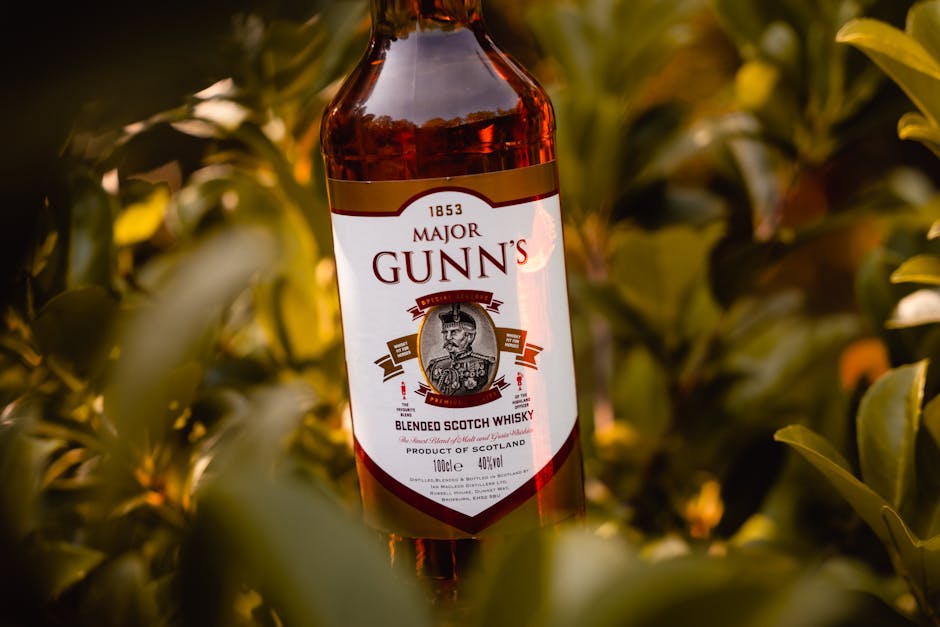
Alcohol Advertising in Singapore: Rules, Restrictions and Compliance for 2026
Singapore’s alcohol advertising landscape is governed by one of the most stringent regulatory frameworks in Southeast Asia. The Liquor Control (Supply and Consumption) Act, alongside guidelines from the Advertising Standards Authority of Singapore (ASAS) and the Singapore Code of Advertising Practice (SCAP), creates a layered compliance environment that every marketer must navigate carefully. Whether you are promoting a craft brewery, a wine distributor or a nightlife venue, understanding these regulations is non-negotiable.
Since the Liquor Control Act took full effect, the rules around where, when and how alcohol can be advertised have become increasingly detailed. Digital channels have added further complexity, as social media platforms and programmatic advertising networks each impose their own policies on top of Singapore’s legal requirements. Brands that fail to comply risk not only hefty fines but also reputational damage that can undermine years of brand-building.
In this guide, we break down every aspect of alcohol advertising regulation in Singapore for 2026 — from the Liquor Control Act’s core provisions to platform-specific social media rules. Whether you are an in-house marketer or working with a digital marketing agency, this resource will help you run compliant, effective alcohol advertising campaigns.
The Liquor Control (Supply and Consumption) Act
The Liquor Control (Supply and Consumption) Act, which came into force in April 2015 and has been progressively amended, is the cornerstone of alcohol regulation in Singapore. While the Act primarily governs the sale and consumption of liquor, its provisions directly affect how alcohol products can be marketed and advertised across all channels.
Under the Act, the sale of alcohol is restricted between 10:30 PM and 7:00 AM at retail outlets, and this restriction has significant implications for advertising scheduling. Advertisements that promote the purchase or consumption of alcohol during restricted hours may be considered in breach of the Act’s spirit, even if the advertisement itself does not constitute a direct sale. The Act also establishes Liquor Control Zones — designated areas such as Geylang and Little India — where additional restrictions apply to both the sale and promotion of alcohol.
Marketers must also be aware that the Act works in tandem with other regulatory instruments. The Consumer Protection (Fair Trading) Act, the SCAP and sector-specific guidelines from ASAS all layer additional requirements on top of the Liquor Control Act. A compliant advertising strategy must account for all of these frameworks simultaneously, which is why many brands choose to work with an experienced content marketing partner to ensure nothing is overlooked.
Permitted Advertising Hours and Location Restrictions
One of the most practically significant aspects of alcohol advertising regulation in Singapore relates to timing and location. While there is no blanket ban on alcohol advertising at specific hours (unlike the sale restriction), the guidelines strongly discourage any advertising activity that could be perceived as encouraging consumption during restricted periods.
For digital advertising, this means that scheduling tools must be configured carefully. Pay-per-click campaigns, social media posts and programmatic display ads should ideally be scheduled to run during permitted retail hours. Running alcohol advertisements late at night, particularly those with direct purchase links, can attract regulatory scrutiny. If you are managing Google Ads campaigns for alcohol brands, ad scheduling should be a core component of your strategy.
Location-based advertising presents additional challenges. Geofencing and location-targeted mobile ads must exclude Liquor Control Zones during restricted hours. Outdoor advertising near schools, religious institutions and healthcare facilities is strongly discouraged under ASAS guidelines, and these restrictions extend to digital out-of-home (DOOH) advertising. Brands using location-based targeting on platforms such as Meta or Google must configure their exclusion zones carefully to remain compliant.
For events and experiential marketing, permits may be required if alcohol sampling or promotion takes place in public areas. The Singapore Police Force oversees the issuance of these permits, and failure to obtain the correct permissions can result in event shutdowns and fines.
ASAS Guidelines for Alcohol Advertising
The Advertising Standards Authority of Singapore (ASAS) administers the Singapore Code of Advertising Practice (SCAP), which contains specific provisions for alcohol advertising. These guidelines apply across all media — traditional, digital and out-of-home — and are enforced through a combination of industry self-regulation and regulatory oversight.
Key ASAS requirements for alcohol advertising include the following. Advertisements must not target or appeal primarily to persons under the age of 18. They must not depict excessive or irresponsible consumption. They must not imply that alcohol improves physical, mental or social capabilities. They must not associate alcohol consumption with driving or operating machinery. They must not suggest that alcohol has therapeutic or medicinal benefits.
Creative content must also include appropriate disclaimers and age-gate mechanisms where applicable. For digital advertising, this typically means implementing age verification on landing pages and ensuring that social media content is restricted to audiences aged 18 and above using platform-native age-gating tools. Brands should work with their web design team to ensure landing pages meet these requirements.
Online Alcohol Advertising Rules
Online alcohol advertising in Singapore must comply with both local regulations and the policies of individual advertising platforms. The Infocomm Media Development Authority (IMDA) has oversight of online content, and advertisements that breach the SCAP’s alcohol provisions can be flagged for removal or result in regulatory action.
E-commerce platforms that sell alcohol must implement age verification at the point of purchase, and any advertising that drives traffic to these platforms must make clear that age verification will be required. Search engine advertising for alcohol products must not use keywords or ad copy that could appeal primarily to minors, and landing pages must include appropriate disclaimers about legal drinking age and responsible consumption.
Programmatic advertising presents particular challenges for compliance. Real-time bidding systems may place alcohol ads on websites or apps that are frequented by minors unless proper exclusion lists and content category filters are applied. Marketers must work with their demand-side platforms (DSPs) to implement robust brand safety controls, including exclusion of content categories such as children’s entertainment, education and youth sports.
Email marketing for alcohol brands is permitted but must comply with the Spam Control Act and include clear opt-out mechanisms. Subscriber lists must be verified to ensure recipients are of legal drinking age, and promotional emails should not be sent during restricted hours if they contain direct purchase links. An experienced email marketing service provider can help configure these controls effectively.
Social Media Compliance for Alcohol Brands
Social media represents one of the most complex compliance areas for alcohol advertisers in Singapore. The combination of user-generated content, influencer partnerships, and algorithmic content distribution creates multiple points of potential regulatory breach that must be actively managed.
All organic social media content promoting alcohol must be age-gated. On platforms such as Facebook and Instagram, this means configuring Page-level age restrictions to prevent users under 18 from viewing content. On platforms without native age-gating — such as certain messaging apps or newer social platforms — alcohol brands must exercise additional caution and may need to avoid advertising on those channels altogether.
Influencer partnerships require particular attention. Under ASAS guidelines and the IMDA’s Code of Practice for Online Curators, influencers who promote alcohol products must disclose the commercial nature of their posts and must not be under 18 years of age. The influencer’s audience demographics should also be reviewed to ensure that the majority of their followers are of legal drinking age. Contracts with influencers should include specific compliance clauses covering content restrictions, mandatory disclaimers and approval workflows.
User-generated content (UGC) campaigns present additional risks. If a brand encourages consumers to share content featuring its alcohol products, it may be held responsible if that content breaches advertising standards. Brands should implement clear terms and conditions for UGC campaigns and actively moderate submissions to remove non-compliant content. A robust social media marketing strategy should always account for these compliance requirements.
Platform-Specific Advertising Policies
Beyond Singapore’s local regulations, each major advertising platform imposes its own policies on alcohol advertising. These platform policies often add additional restrictions that marketers must account for in their campaign planning.
Google Ads permits alcohol advertising in Singapore but requires advertisers to comply with local laws and Google’s own alcohol advertising policies. Ads must not target minors, must not promote excessive consumption, and must link to landing pages that include age verification or appropriate disclaimers. Certain ad formats, such as app install campaigns, may have additional restrictions for alcohol advertisers.
Meta (Facebook and Instagram) requires alcohol advertisers to target audiences aged 18 and above and to use age-gating on their Pages. Meta also prohibits alcohol advertising in certain countries and restricts the types of creative content that can be used. In Singapore, all alcohol ads on Meta must comply with both the platform’s global policies and local ASAS guidelines.
TikTok has stricter policies and generally prohibits the promotion of alcohol products in most markets, including Singapore. Brands seeking to advertise on TikTok must review the platform’s current policies carefully, as these are subject to frequent updates. YouTube, LinkedIn and other platforms each have their own alcohol advertising policies that must be reviewed on a case-by-case basis.
Content Guidelines and Creative Restrictions
The creative execution of alcohol advertisements in Singapore is subject to detailed content guidelines that go beyond simple age-gating and scheduling restrictions. Understanding these guidelines is essential for producing compliant advertising content that still resonates with target audiences.
Advertisements must not depict or encourage excessive, rapid or binge consumption of alcohol. Visuals showing large quantities of alcohol being consumed, drinking games or challenges, or individuals in states of intoxication are prohibited. The tone of advertising should promote moderate, responsible consumption and should not glamourise drunkenness or anti-social behaviour linked to alcohol use.
Advertisements must not feature individuals who are or appear to be under 18 years of age. Models, actors and influencers used in alcohol advertising must be clearly of legal drinking age, and their appearance should not be styled to look younger. This applies to both photographic and illustrated content.
Health claims, performance claims and therapeutic claims are strictly prohibited. Alcohol advertisements must not suggest that drinking improves athletic performance, sexual attractiveness, social success or mental well-being. Comparative advertising — such as claims that one brand is “healthier” than another — is also restricted and may breach both ASAS guidelines and the Consumer Protection (Fair Trading) Act.
Penalties and Enforcement
Non-compliance with alcohol advertising regulations in Singapore carries significant consequences. Under the Liquor Control Act, offences related to the sale and promotion of alcohol can attract fines of up to S$10,000 for first offences and higher penalties for repeat offences. Businesses may also face licence suspension or revocation.
ASAS operates a complaints-based enforcement model, where members of the public or industry competitors can lodge complaints about non-compliant advertising. If a complaint is upheld, the advertiser will be directed to withdraw or amend the offending advertisement. Persistent non-compliance can result in referral to regulatory authorities and, in serious cases, to the courts.
Platform-level enforcement is also a significant risk. Google, Meta and other advertising platforms can suspend advertiser accounts for policy violations, which can disrupt entire marketing programmes and result in lost revenue. Rebuilding a suspended account can take weeks or months, making prevention far more cost-effective than remediation. Working with an experienced digital marketing agency can help ensure ongoing compliance across all channels.
Frequently Asked Questions
Can I advertise alcohol on social media in Singapore?
Yes, alcohol advertising on social media is permitted in Singapore, provided that content is age-gated to restrict access to users aged 18 and above, complies with ASAS guidelines and the SCAP, and adheres to each platform’s own alcohol advertising policies. Influencer content must also include appropriate commercial disclosure.
What are the restricted hours for alcohol advertising in Singapore?
While there is no explicit legal ban on alcohol advertising during specific hours, the Liquor Control Act restricts retail alcohol sales between 10:30 PM and 7:00 AM. Advertising that promotes purchase or consumption during these hours — particularly with direct purchase links — may attract regulatory scrutiny and should be carefully managed through ad scheduling tools.
Do I need a licence to advertise alcohol products online in Singapore?
Advertising alcohol products does not require a separate licence, but the business selling the alcohol must hold the appropriate liquor licence. Online retailers must also comply with the Liquor Control Act’s provisions regarding sale hours and age verification. All advertising must comply with ASAS guidelines regardless of licensing status.
What content is prohibited in alcohol advertisements in Singapore?
Prohibited content includes any material that targets or appeals primarily to minors, depicts excessive or irresponsible consumption, implies that alcohol improves physical or mental capabilities, associates drinking with driving, or makes health or therapeutic claims. Visuals showing intoxication, drinking games or anti-social behaviour are also prohibited.
Can alcohol brands use influencer marketing in Singapore?
Yes, but with strict compliance requirements. Influencers must be of legal drinking age, must disclose the commercial nature of their posts, and must not create content that breaches ASAS guidelines. Brands should verify that the majority of an influencer’s audience is aged 18 and above and should include compliance clauses in all influencer contracts.
What happens if my alcohol advertisement is found to be non-compliant?
Non-compliant advertisements may be subject to complaints through ASAS, resulting in directions to withdraw or amend the content. Under the Liquor Control Act, fines of up to S$10,000 may apply for first offences. Advertising platforms may also suspend advertiser accounts for policy violations, disrupting broader marketing activities.
 English
  Chinese
  Malay
Malay  Korean